Two Easy Ways to Start Earning Rewards!
Become a member today! Members-only pricing and offers, personalized care notifications, Vital Care points back on every purchase and more!
 Become a credit card member today!
Earn 2X Pals Rewards points at Petco
when you use Petco Pay!APPLY NOWLearn More About Petco Pay Benefits
Healthy Select Conure Shop
Get It Today



Related Articles & Questions
- Care Sheets
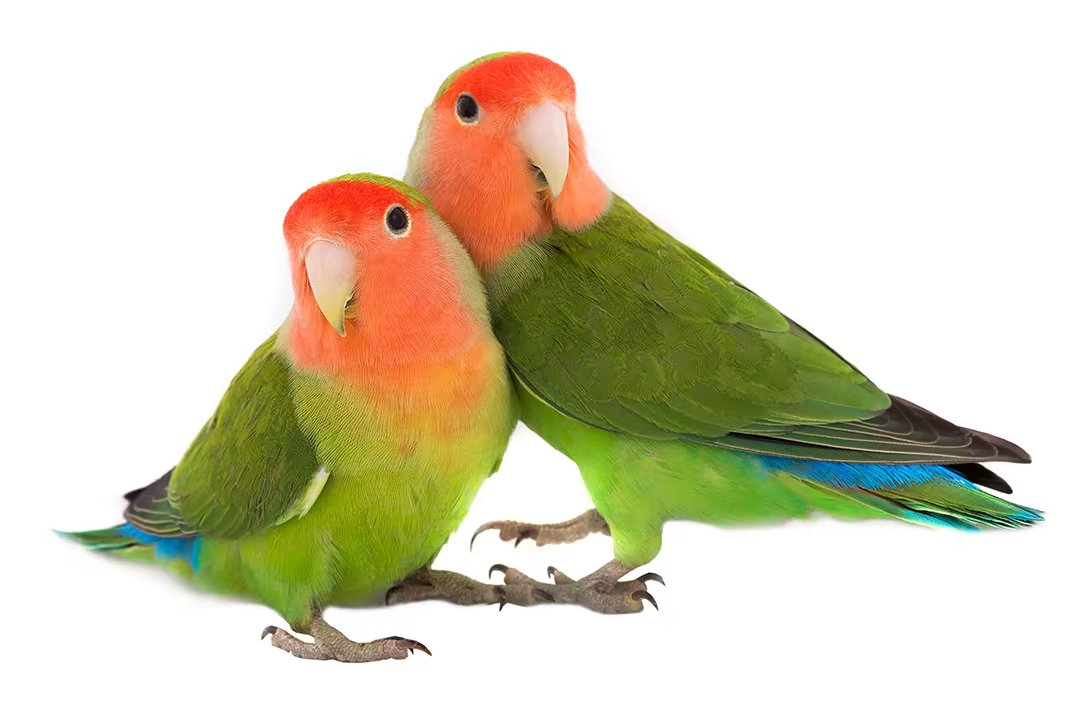
Lovebird Care: Your Complete Guide to Food, Habitat & Health
Learn how to take care of your Lovebirds, recommended cage size, diet and housing setup. Find the right food, supplies and equipment at your local Petco.
Updated on April 9th, 2026
- Health & Wellness
Bird Poop Guide: What's Normal & What's Not
Learn how to identify if your bird’s poop is healthy or not. Visit Petco to find all the answers about birds’ poop.
Updated on July 17th, 2026
- Care Sheets
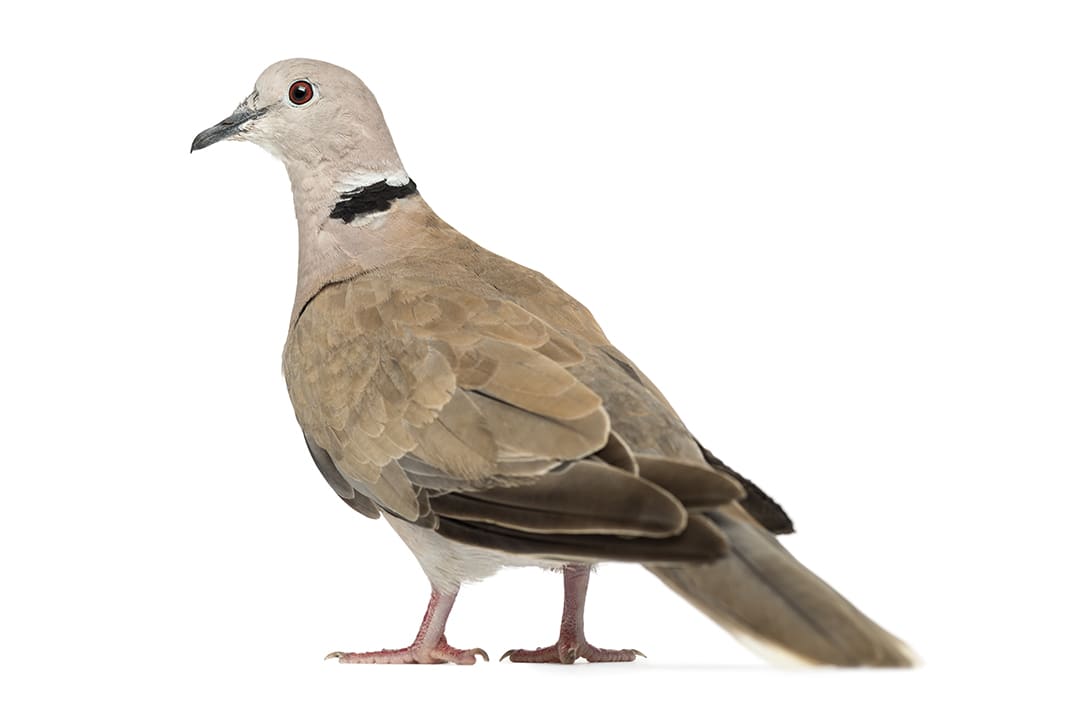
How to Care for Pet Doves: Food, Habitat, & Health for Happy Birds
Learn how to care for your pet dove, recommended diet and cage setup. Find the right food, supplies and equipment at your neighborhood Petco.
Updated on April 9th, 2026
- New Pet
Bird Grooming Basics: Feathers, Nails & Wings
Read more to learn some basics of bird grooming that include bathing, nail trimming, and wing clipping.
Updated on July 17th, 2026
- Care Sheets
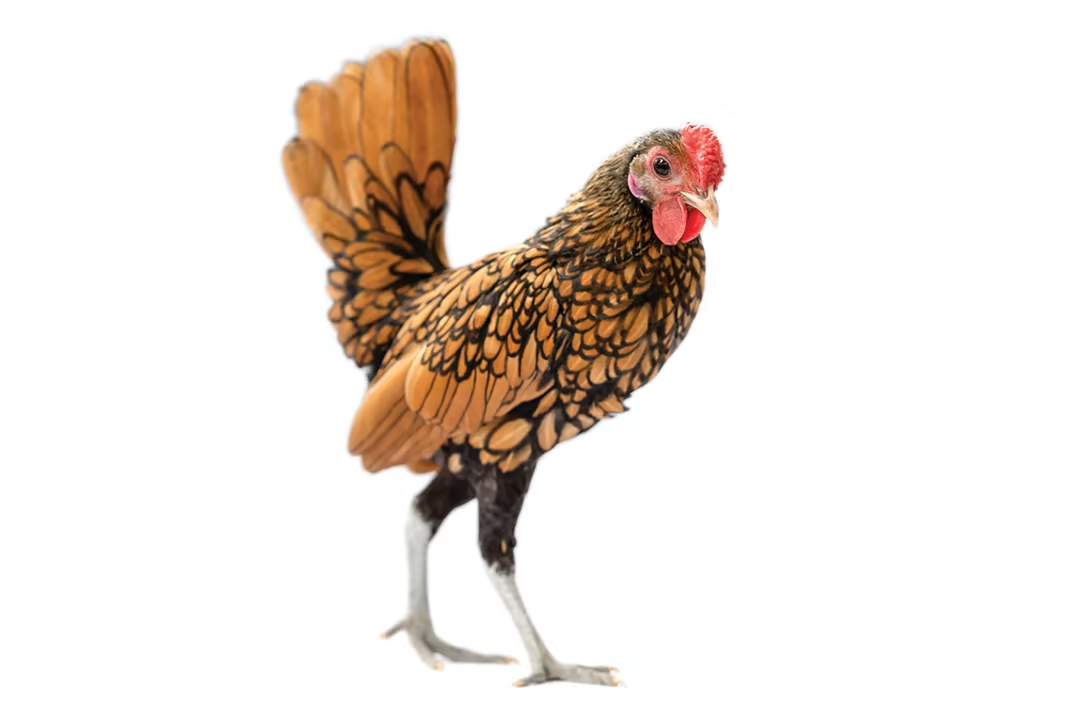
Backyard Chicken Care: Essential Guide for Happy, Healthy Hens
Learn how to take care of a Chicken, recommended diet and habitat setup. Find the right food, supplies and equipment at your neighborhood Petco.
Updated on April 9th, 2026
- Vet Q & A
What are the best perches for my black capped conure's healthy feet?
It is best to provide Ava with a few different types of perches. They should range in diameter. Natural perches are best, as they provide varying shapes which is best for your bird’s feet. A pedicure perch is also recommended (ie: "sweet feet" perch) which is a textured perch that helps keep toenails trimmed and smooth, as well as the bird’s beak. You can find a plethora of perches on Amazon. ( https://www.amazon.com/natural-perches-Parakeets/s?k=natural+perches+for+Parakeets )
Updated on September 24th, 2025
- Health & Wellness
Why is my conure laying eggs, plucking, and breathing heavily?
Female conures will lay eggs even in the absence of a male. Don't remove the eggs as this will cause her to continue laying. Provide a commercial pelleted diet (Harrison's, Roudybush, Lafeber, Pretty Bird or Exact) supplemented with a fortified seed mix and fresh greens and vegetables. Place a cuttlebone or mineral block in her cage as well for extra calcium. Limit exposure to daylight and drop room temperature by a few degrees to get her out of egg laying mode. Leave the eggs in the cage for at least 2 weeks or until she loses interest in them. You can also replace the real eggs with "dummy" eggs. Find them in the Bird Section of the local Petco. The plucking can be caused by stress, boredom or infection (bacterial, fungal or parasites). Consider having her examined by your veterinarian or an experienced avian veterinarian to diagnose and treat any underlying medical condition. The tail bobbing may indicate difficulty breathing which should also be addressed by your veterinarian. In the meantime, clean and sanitize the cage, bowls, toys and perches. Discard anything that cannot be sanitized. Use paper towels on the cage bottom and change them daily. Bathe or mist her with warm water to encourage preening and to promote healthy plumage. Provide a variety of toys and puzzle feeders as well as play time outside of the cage to keep her from plucking.
Updated on September 24th, 2025
- Health & Wellness
My conure is head bobbing and has dark poop. Is it diet or stress?
Thanks for reaching out about your conure. Decreased appetite often shows are dark feces. Seed is a poor diet for parrots, deficient in vitamins, minerals and proteins. Birds need to eat a wide variety of vegetables, cooked beans as a protein source and avian pellets. The head bobbing might be reversion to baby-hood, wanting to be fed by mom (induced by stress of new home). Syringe feed if needed to maintain weight. Good luck.
Updated on September 24th, 2025
- Food & Nutrition
What healthy foods should I feed my pet bird for optimal health?
Thanks for reaching out about Rangu. This depends on the type of bird. If we are discussing a parrot (lovebird to macaw), seeds are a poor diet, as is very hight in fat and low in vitamin/minerals. The diet should consist of a wide variety of vegetables, a proteins source such as beans/legumes, cooked carbohydrates as an energy source, and avian pellets. Good luck.
Updated on September 24th, 2025
- Food & Nutrition
New to birds? How to care for a medium parrot like an Amazon.
Thanks for your questions about birds. You can shower with birds, but it is recommended that they sit on a perch or on the shower rod during the shower, not that they are directly hit by the spray. A safer way to give them a shower is by using a gentle mist directed over the top of them with a spray bottle. When provided with appropriate and balanced nutrition, a cuttle bone is not necessary for parrots. The food that you posted is a reliable pelleted diet, but you would need to ensure that you got an appropriate size for the species - for example, the mini pellets would be good for a conure but not for an Amazon. If you have never had a bird before, it may be a big commitment to get a medium to large sized parrot. When cared for appropriately, these large parrots can live many decades - ideally 50 years or more. You may potentially consider starting with a smaller parrot, such as a cockatiel (life span of up to 25 years) or a budgerigar (life span around 8 years). I hope that gives you some additional information!
Updated on September 24th, 2025