Two Easy Ways to Start Earning Rewards!
Earn 2X Pals Rewards points at Petco
when you use Petco Pay!
Get It Today
When it comes to reptile habitats, one of the most essential elements to creating a happy home for your pet is including the appropriate type of lighting. Zoo Med helps outline which lights are right for your pet.
Updated on November 13th, 2025
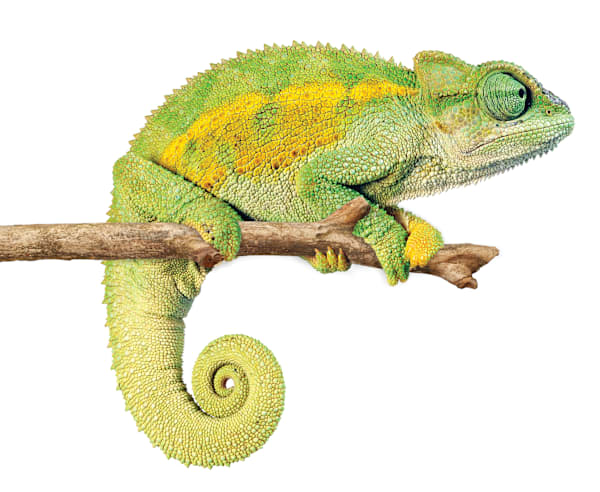
Learn how to care for cool climate Chameleons, recommended diet & habitat setup. Find the right food, supplies & equipment at your neighborhood Petco.
Updated on November 13th, 2025
Whether you temporarily lose access to AC or are experiencing unexpected temperature changes, you can use these tips to keep your reptiles happy and healthy.
Updated on November 13th, 2025
Learn from Petco how to tell if your leopard gecko is overweight. These signs can help prevent health issues like metabolic bone disease and heart failure.
Updated on November 13th, 2025
Do you have questions about why your gecko isn’t eating? Petco has the answers. Visit us to learn about leopard gecko dietary needs and more.
Updated on November 13th, 2025
First i would recommend describing exactly what type of heating system you are using at the moment. this following link might help you: https://blog.onlinegeckos.com/leopard-gecko-heating-temperature-requirement-under-tank-heating-pad-belly-heat-how-to-install-uth-thermostat/
Updated on August 12th, 2025
It is okay for nighttime temps to drop a bit. Make sure they don't go lower than the low 70s F. Consider a thermometer at each end of the enclosure to verify temperatures. If necessary, a 60 watt CHE would probably heat or maintain temps above the low 70s F in a small tank overnight. You would need to test it out. Save the receipt in case you need to return it or buy a 100 watt CHE and move it farther away from the tank.
Updated on August 12th, 2025
Give him a good soak (20-30 minutes) in a warm 50/50 solution of water and unflavored PediaLyte. This will provide hydration and warm him up which may stimulate his appetite. An exam with your veterinarian or an experienced herp vet is always recommended for "new" pets or pets that may be ill or injured. Offer food about an hour or 2 after the heat lamp comes on in the morning. This will allow him to warm up and he will be more likely to eat what is offered. Use a variety of prey if possible. This can include crickets, dubia roaches, phoenix worms and the occasional superworm. Superworms are good to feed if you have a skinny gecko that needs to put on weight. Review additional care info here: http://www.anapsid.org/leopardgek.html
Updated on August 12th, 2025
It does appear to be of the takydromus species. These grass lizards are common and fairly easy to keep. Being adept climbers, more vertical space should be offered in an enclosure. Branches and vines can be placed for climbing. Bring reptiles, they need an external heat source and UVB lighting. Daytime temps can range from 24 C to 30 C (75-85 F). Provide a basking spot of around 35 C to 38 C (95-100 F) using a heat lamp. Aim for 70-80% humidity. Provide a shallow bowl for water. Mist the cage daily. Feed appropriately sized prey, no bigger than the space between the eyes, that have been gutload for 24 hours prior to offering. This will maximize nutritional value. Crickets, mealworms, dubia roaches, waxworms or wingless fruit flies can all be offered. Dust prey with a calcium supplement and a multivitamin supplement several times weekly. Ideally, the wound should be addressed by a veterinarian experienced in treating reptiles. You can clean it with dilute Betadine or chlorhexidine
Updated on August 12th, 2025
He could be stressed with the change in environment. Confirm proper environmental parameters, especially temperature. Low temps can affect activity and appetite in reptiles. Offer appropriately sized prey, no bigger than the space between the eyes. For a juvenile gecko, this can be quite small. You can offer mealworms, just use freshly molted ones. They are softer and more easily digested. Crickets, dubia roaches and phoenix worms can also be offered. Gut load all prey for 24 hours prior to offering to maximize nutritional value. Review gecko care at the link below. http://www.reptilesmagazine.com/Care-Sheets/Lizards/Leopard-Gecko/
Updated on August 12th, 2025