Two Easy Ways to Start Earning Rewards!
Earn 2X Pals Rewards points at Petco
when you use Petco Pay!
Get It Today
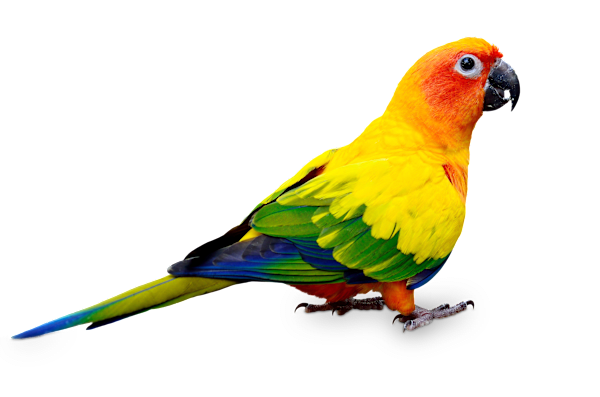
Learn how to take care of Conures, recommended diet and housing setup. Find the right food, supplies and equipment at your neighborhood Petco.
Updated on November 13th, 2025
Search Petco for the information needed about your bird’s body language. We will help you look for the signs in your bird & help you communicate with them.
Updated on November 13th, 2025
Birds can carry infectious diseases so it's important to know what precautions you can take to prevent them. Petco can help you learn more about your bird.
Updated on November 13th, 2025
Learn some quick tips for getting your fussy bird to eat full and varied diet that could include birdseed, fruits and vegetables.
Updated on November 13th, 2025
Learn how to care for your cat, recommended diet and grooming care. Find the right food, supplies and equipment at your neighborhood Petco.
Updated on November 13th, 2025
Ideally, Pidori should be examined by a veterinarian to confirm good health or to treat any pre existing conditions. Submit a stool sample to diagnose intestinal parasites (worms). Provide a cage large enough to prevent wingtip or tail rubbing. A cuttlebone and/or mineral block should be provided as well. Place several perches in the cage. Use perches of varying sizes and thickness to promote foot health. Feed a quality commercial pelleted diet as the staple (80%). Supplement with a fortified seed mix and fresh fruits and vegetables. Avoid alcohol, caffeine, avocado and pits or seed from fruit. Cockatiels can eat a wide variety of fresh foods such as pastas, cooked egg and beans. Signs of illness include very loose or discolored droppings, a loss of appetite, lethargy (especially when perched with feathers fluffed out).
Updated on August 12th, 2025
Due to the large size difference between both birds I would not recommend attempting to house them together in a cage or small aviary as your larger bird could easily pick on or kill your smaller bird.
Updated on August 12th, 2025
Thanks for your question. I’m sorry to hear that pellets are not available in your area, as these are the most ideal diet for parrots. I’m not sure if you would have access to them via the internet or not? If this is not an option, I would recommend feeding vitamin A rich produce items, with a focus on vegetables. I’m not sure what is available in your area, but typically the dark leafy greens and brightly colored vegetables are good options. I would also feed calcium rich produce, again focusing on vegetables when possible. The reason for these is that seed mixes are often lacking in these two nutrients and it is common to see malnutrition and deficiencies because of this. For seeds, I would recommend feeding them in moderation - for a cockatiel they don’t need more than a couple of tablespoons offered to them per day. Try to transition the diet slowly, as birds can be challenging to introduce to new things. I would recommend weighing your bird 3-4 times per week during the transition
Updated on August 12th, 2025
They typically lay one egg every two days until the have a clutch of 2-8 eggs. If she is housed alone, the eggs will be infertile. She will need a fortified seed mix or commercial pelleted diet and extra calcium. Allow her to incubate the clutch for 21-30 days before attempting removal. You can take them out sooner if she abandons them.
Updated on August 12th, 2025
Thanks for reaching out about your cockatiel. There are concerns over sand perches as the abrasiveness can lead to minor dermal trauma, and then possible infection if standing on a perch with feces. Not recommended. Good luck.
Updated on August 12th, 2025