Two Easy Ways to Start Earning Rewards!
Earn 2X Pals Rewards points at Petco
when you use Petco Pay!
Get It Today
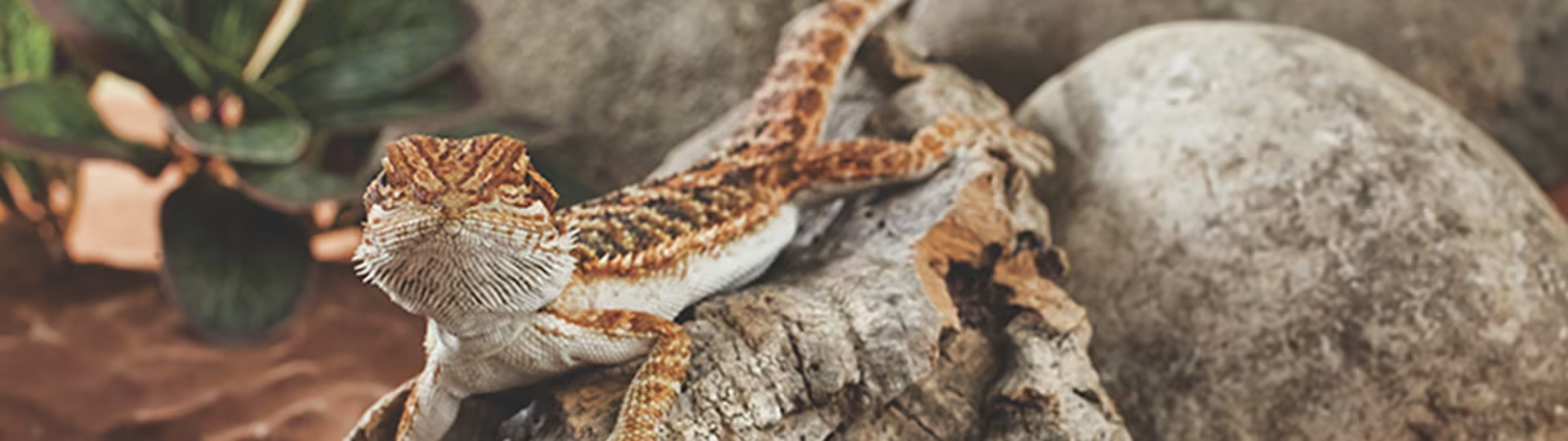
Explore our tips about what to keep in mind when choosing the right pet reptile for your family. Consider what they need to stay happy and healthy.
Updated on November 13th, 2025
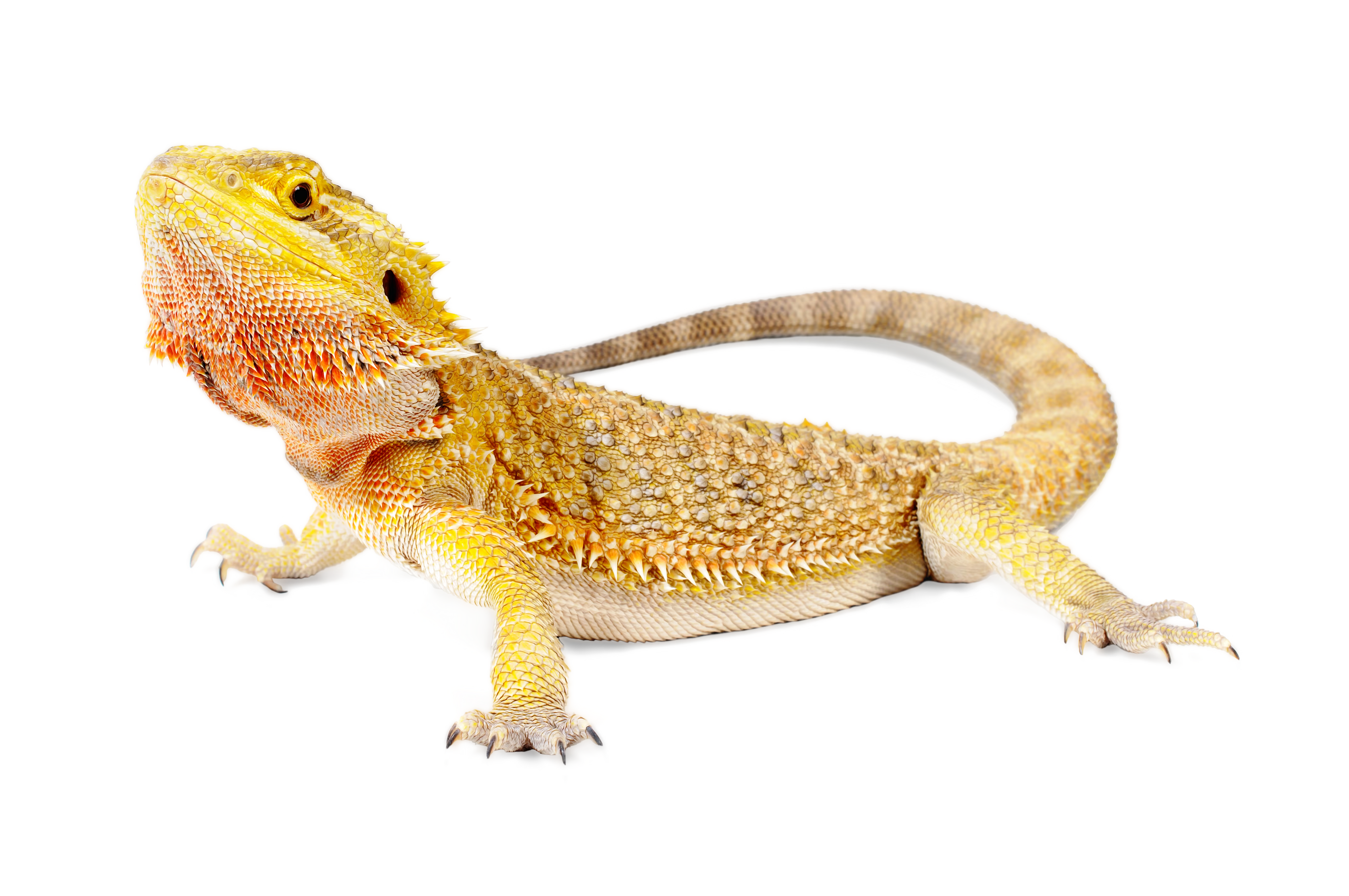
Learn how to care for arid lizards, recommended diet & habitat setup. Find the right food, supplies & equipment at your neighborhood Petco.
Updated on November 13th, 2025
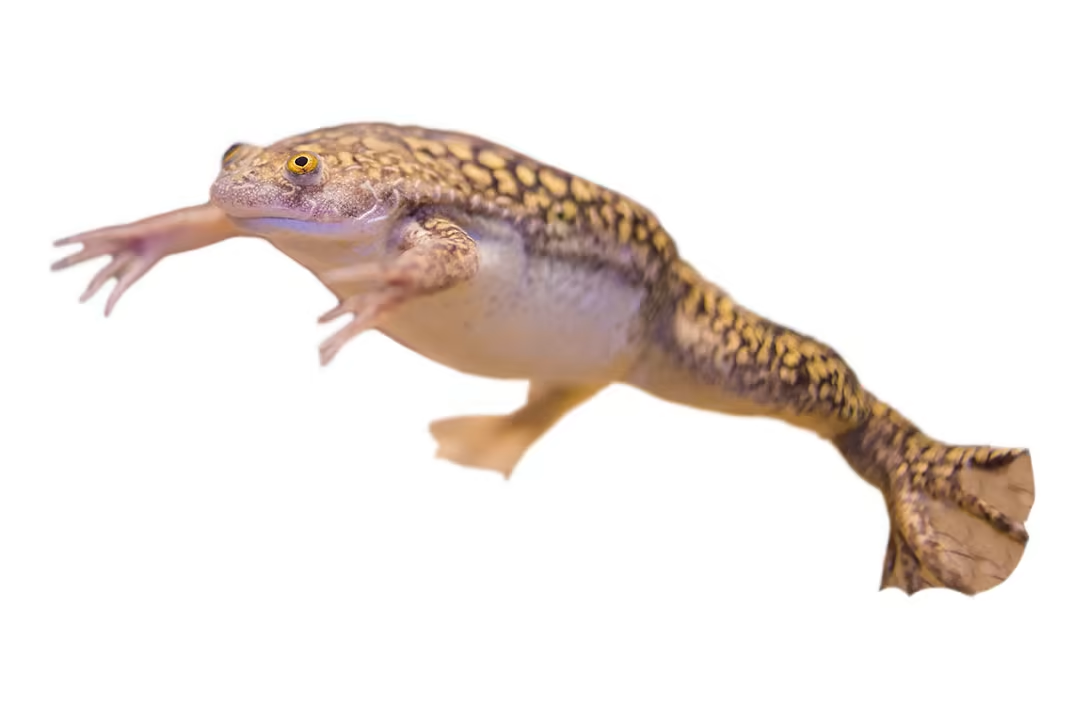
Learn how to care for Freshwater Amphibians, recommended diet and habitat setup. Find the right food, supplies and equipment at your neighborhood Petco.
Updated on November 13th, 2025
Search Petco for information about metabolic bone disease, which is fairly common in many reptiles. Use our tips to help keep your reptile comfortable.
Updated on November 13th, 2025
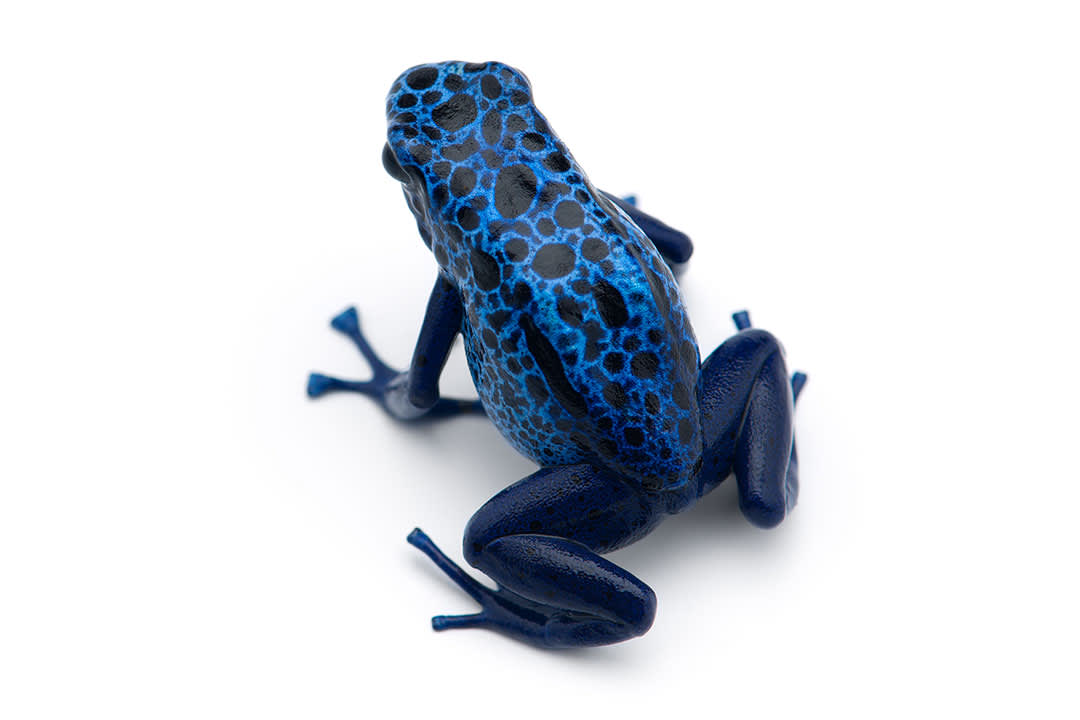
Learn how to care for small Terrestrial Frogs, recommended diet and habitat setup. Find the right food, supplies and equipment at your neighborhood Petco.
Updated on November 13th, 2025
A better option would be to use the link below to find a veterinarian experienced in treating reptiles. https://arav.site-ym.com/search/custom.asp?id=3661 In the meantime, change out the rocks for something "softer", such as a soil/most mix. Rocks can cause tiny scrapes on the shell which can introduce infection. Use a thermometer in the basking spot to make sure temps don't get too high. A thermometer on the other end would be recommended to make sure temps aren't too low. Offer a commercial pelleted diet along with fresh greens and vegetables.
Updated on August 12th, 2025
Hi, For heat you could do a number of things e.g. place any incandenscent bulb above him, place other types of heaters near the tank etc. Please make sure that the temperature is not too high. As for food, this is more of a problem. If he's used to eating crickets it would be difficult to switch him at once to something else. I assume meal worms or otjer insects are also unavailable? You could very temporarily try some soft cat food but it may not work.
Updated on August 12th, 2025
Hi there! There are many great commercially-produced reptile carriers out there, but my preference are the kind that have three covered sides and a clear or mesh front. Keeping them calm during travel is important, and preventing them from seeing everything going on outside can be helpful for this. Additionally, getting Clyde adjusted to the carrier before travel is a good idea. Try putting a treat that he likes in the carrier, and allowing him to venture inside on his own. Associating the carrier with a snack may also help to minimize stress in the future. Good luck, and I hope Clyde's future vet visits go well!
Updated on August 12th, 2025
Keep him warm and as stress free as possible. If he is on loose substrate, switch him to slate, paper towels or reptile carpeting to prevent material from sticking to his vent. Submit a stool sample to your veterinarian to diagnose intestinal parasites.
Updated on August 12th, 2025
Thanks for reaching out about Sammy. It does take some time for animals to adjust to new environments. Are you feeding the same food as the store? Check and correct husbandry (water temperature, haul out temperature, UVB exposure). Good luck.
Updated on August 12th, 2025