Two Easy Ways to Start Earning Rewards!
Earn 2X Pals Rewards points at Petco
when you use Petco Pay!
Get It Today
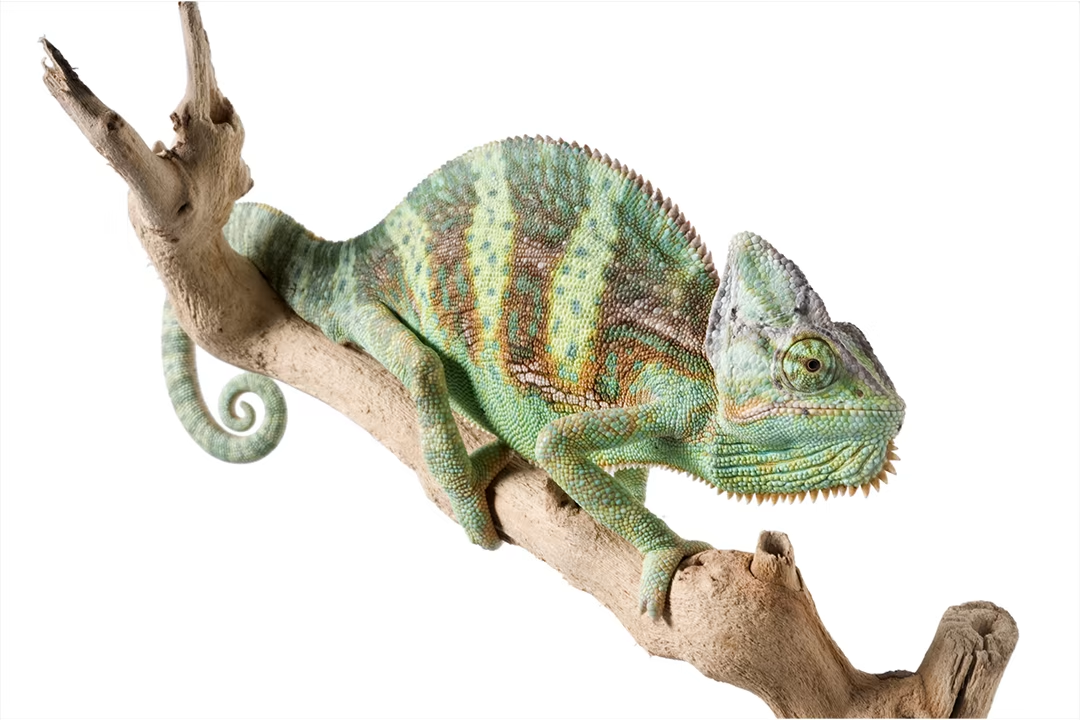
Learn how to take care of your Veiled Chameleon, tank size, diet & habitat setup. Find the right food, supplies and equipment at your neighborhood Petco.
Updated on November 13th, 2025
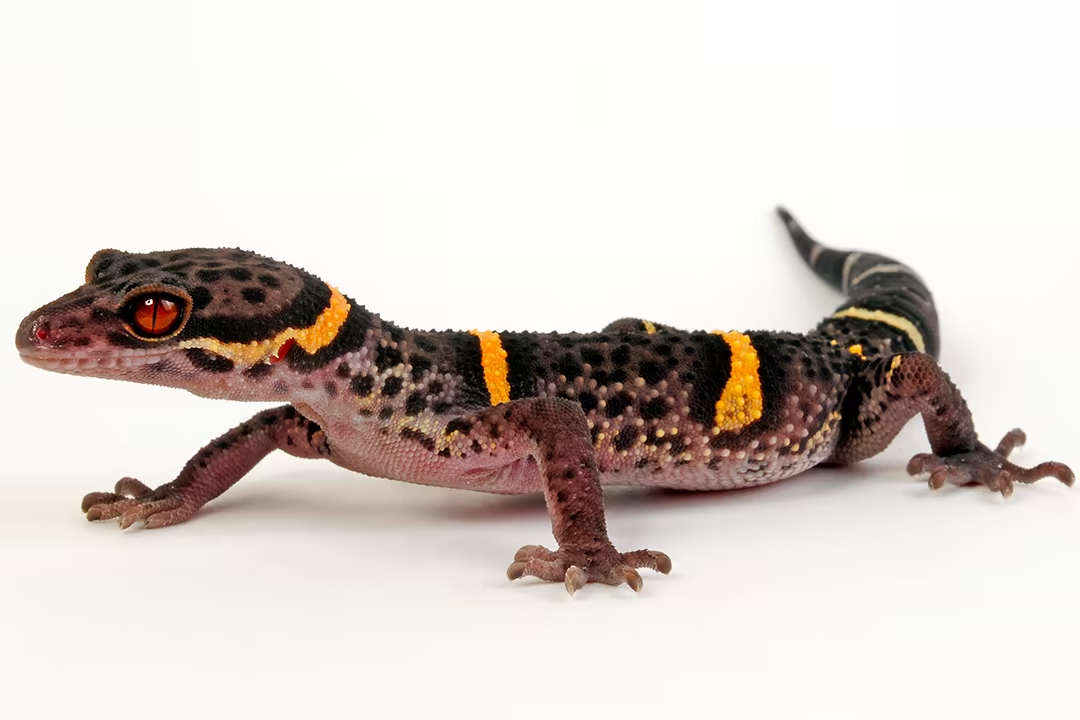
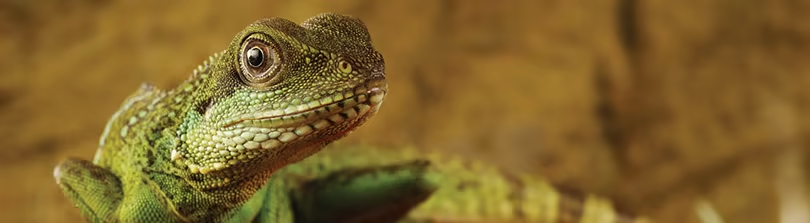
Learn how to take care of your Chinese Cave Gecko, tank size, diet & habitat setup. Find the right food, supplies and equipment at your neighborhood Petco.
Updated on November 13th, 2025
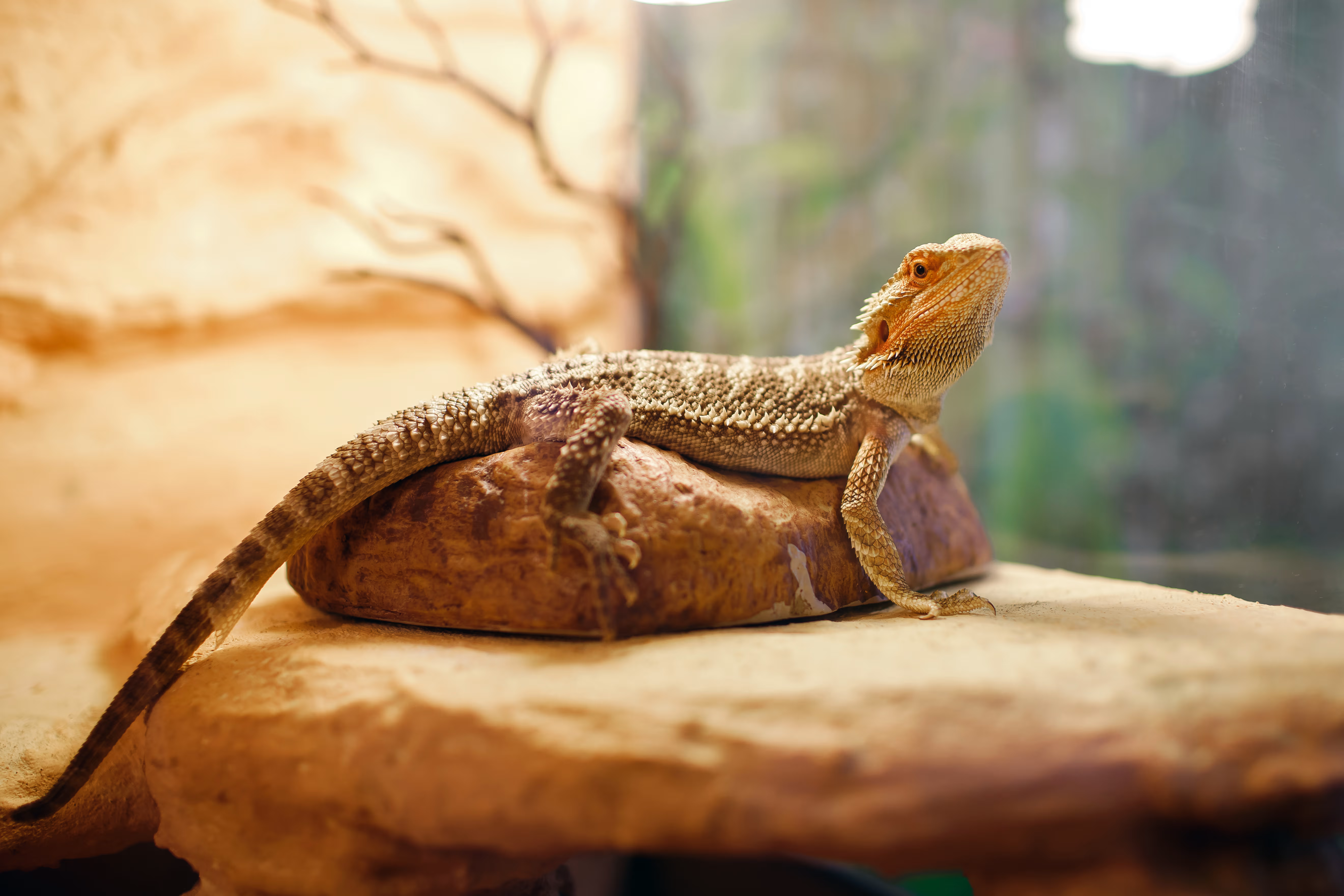
Read these guidelines about handling reptiles to provide a safe and fun environment for your pet, friends and family.
Updated on November 13th, 2025
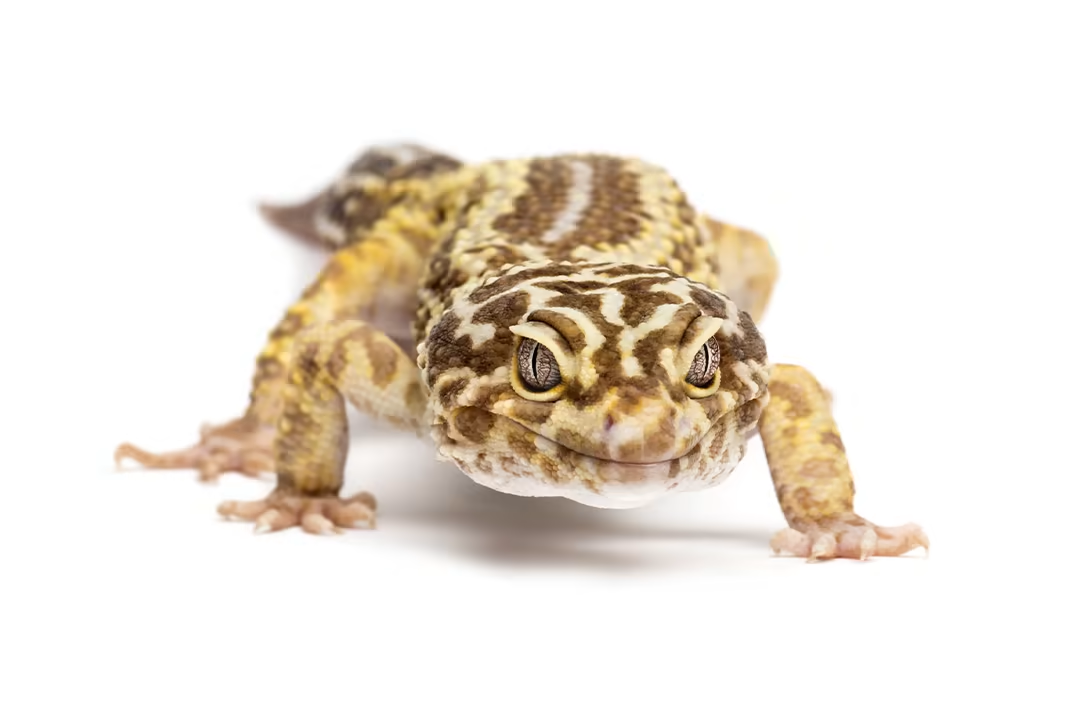
Learn how to care for a Leopard Gecko, recommended diet and habitat setup. Find the right food, supplies and equipment at your neighborhood Petco.
Updated on November 13th, 2025
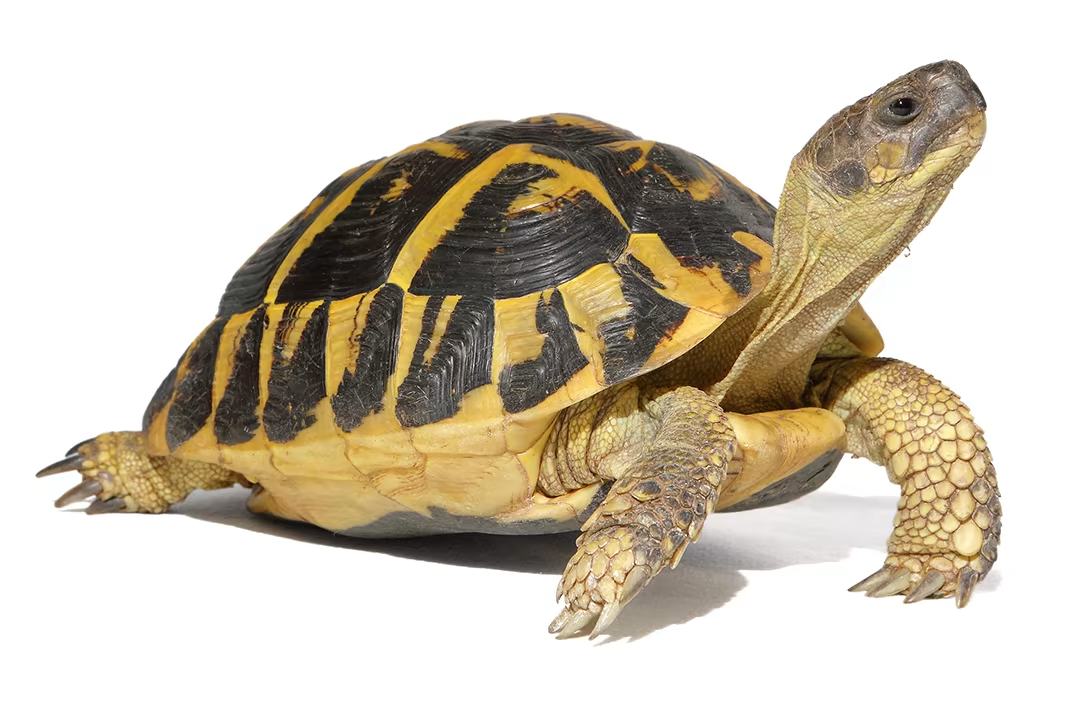
Learn how to take care of your Hermann's Tortoise, tank size, diet & habitat setup. Find the right food, supplies and equipment at your neighborhood Petco.
Updated on November 13th, 2025
Survey the area around the cage for any negative stimuli. This may include loud noises, strong vibrations, strong drafts or high traffic. Reduce or eliminate any if found. Confirm proper temperature. If it is too hot up high, he will move to cooler temps. Be sure to gut load prey for 24 hours prior to offering to maximize nutritional value. Dust with a calcium supplement as well as a multivitamin regularly. If the behavior persists, consider an exam with your vet or a vet experienced in treating reptiles to diagnose and treat illness or injury. You can review chameleon care a the link below. http://www.reptilesmagazine.com/Care-Sheets/Lizards/Panther-Chameleon/
Updated on August 12th, 2025
He may be stressed at the change in environment. You'll first need to determine what negative stimuli, if any, are present. The enclosure should be in a low traffic area away from drafts, loud noises or direct sunlight. If he's in front of a window, make sure he can move out or the light whenever he wants. Check environmental parameters as well. Low temps, insufficient lighting or improper humidity levels can result in stress. Feed appropriately sized prey. N bigger than the space between his eyes. Gut load them for 24 hours prior to offering to maximize nutritional value. Soak or mist him with a warm 50/50 solution of water and unflavored PediaLyte to prevent or treat mild dehydration. As a new pet, consider having him examined by your veterinarian or a vet experienced in treating reptiles to confirm good health or to treat any pre existing conditions.
Updated on August 12th, 2025
Check the temperature of the enclosure. Low temps can affect appetite and activity in reptiles. Soak her in a warm 50/50 solution of water and unflavored PediaLyte for 20-30 minutes daily to treat or prevent minor dehydration. Make sure prey is appropriately sized, no bigger than the space between her eyes. If the behavior persists, have her physically examined by your veterinarian or a vet experienced in treating reptiles to diagnose and treat illness or injury. Review the information at the link below for care of veiled chameleons. http://www.reptilesmagazine.com/Care-Sheets/Lizards/Veiled-Chameleon/
Updated on August 12th, 2025
Check the temperature in the enclosure. Low temps can affect appetite and activity in reptiles. If she will allow, look in and around her mouth for signs of infection or injury. This may include redness, swelling, bruising, bleeding or discharge. If you see anything suspicious, have her examined by your veterinarian or a vet experienced in treating reptiles. In the meantime, soak her in a warm 50/50 solution of water and unflavored PediaLyte for 15-20 minutes to provide warmth and hydration. Fluker's Repta-Boost can be used to supplement the diet or to provide calories until her appetite picks up. You can find it in the local Petco.
Updated on August 12th, 2025
Make sure his cage is large enough. A 20 gallon tank will be sufficient for now (if that's what you have) but as he grows, you will need to move him into a larger enclosure. Provide multiple hiding boxes and plants (real or fake) for privacy. You can also use cage wraps or backgrounds to provide additional privacy. He can come out of the cage also but be sure he does not get chilled or escape into a small crack or crevice.
Updated on August 12th, 2025