Two Easy Ways to Start Earning Rewards!
Earn 2X Pals Rewards points at Petco
when you use Petco Pay!
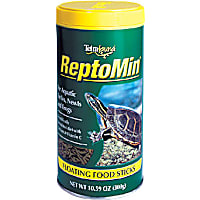
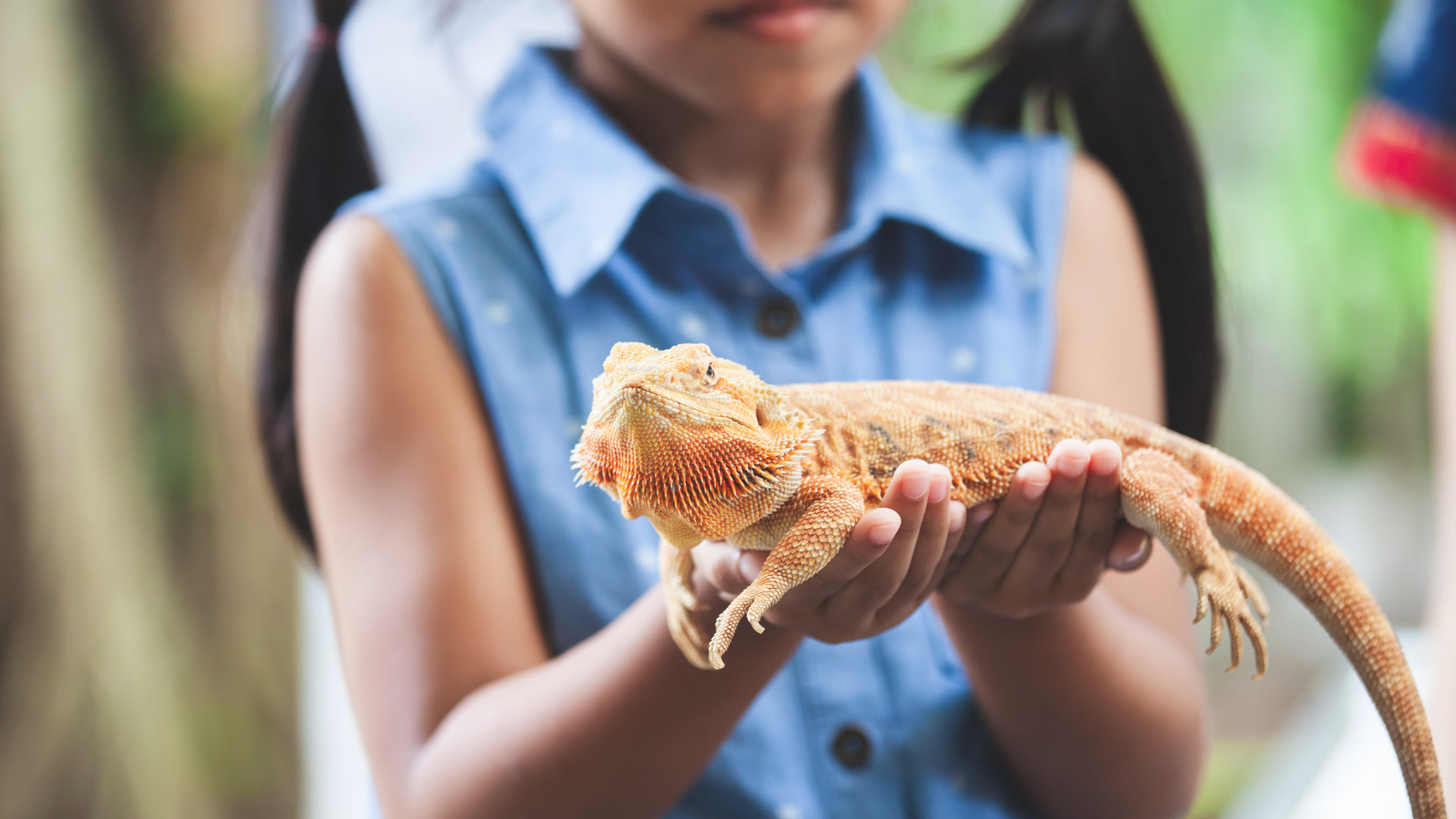
Explore our tips about what to keep in mind when choosing the right pet reptile for your family. Consider what they need to stay happy and healthy.
Updated on November 13th, 2025
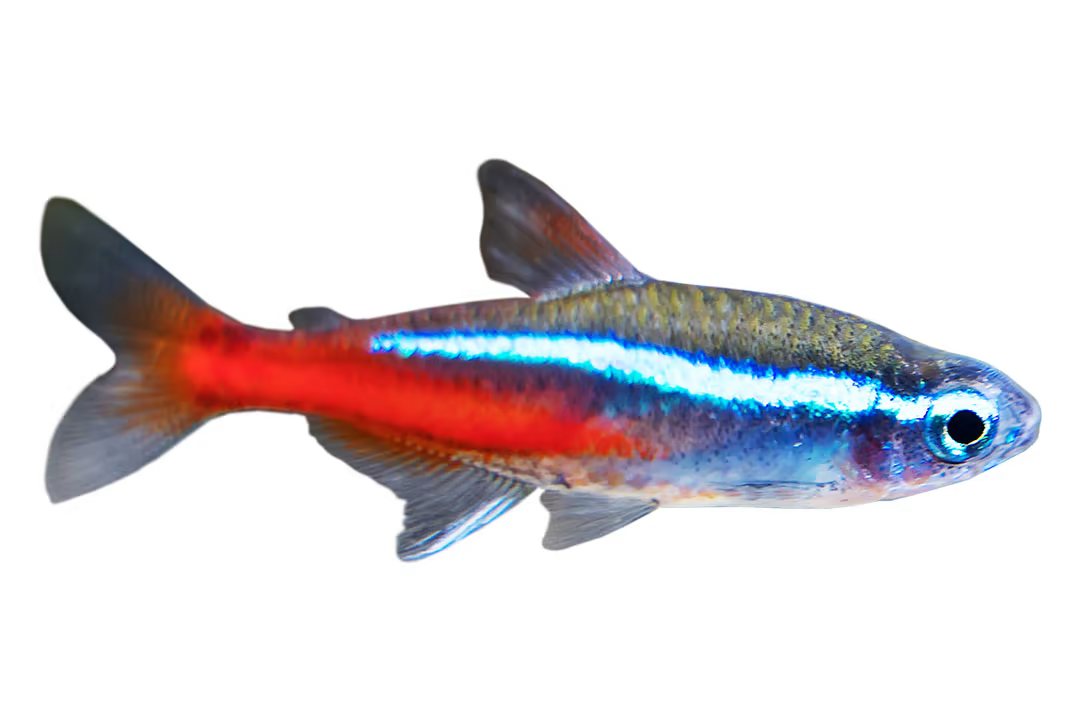
Learn how to care for a Tetra, recommended diet & habitat setup. Find the right food, supplies & equipment at your neighborhood Petco.
Updated on November 13th, 2025
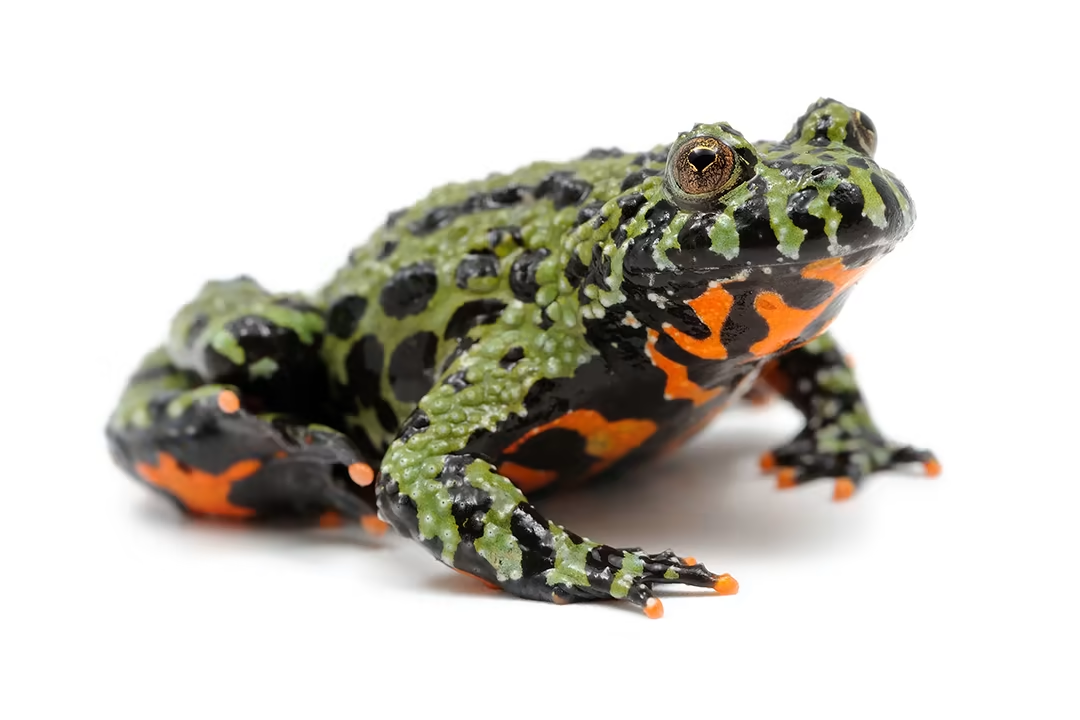
Learn how to care for Fire-Bellied Toads, recommended diet and habitat setup. Find the right food, supplies and equipment at your neighborhood Petco.
Updated on November 13th, 2025
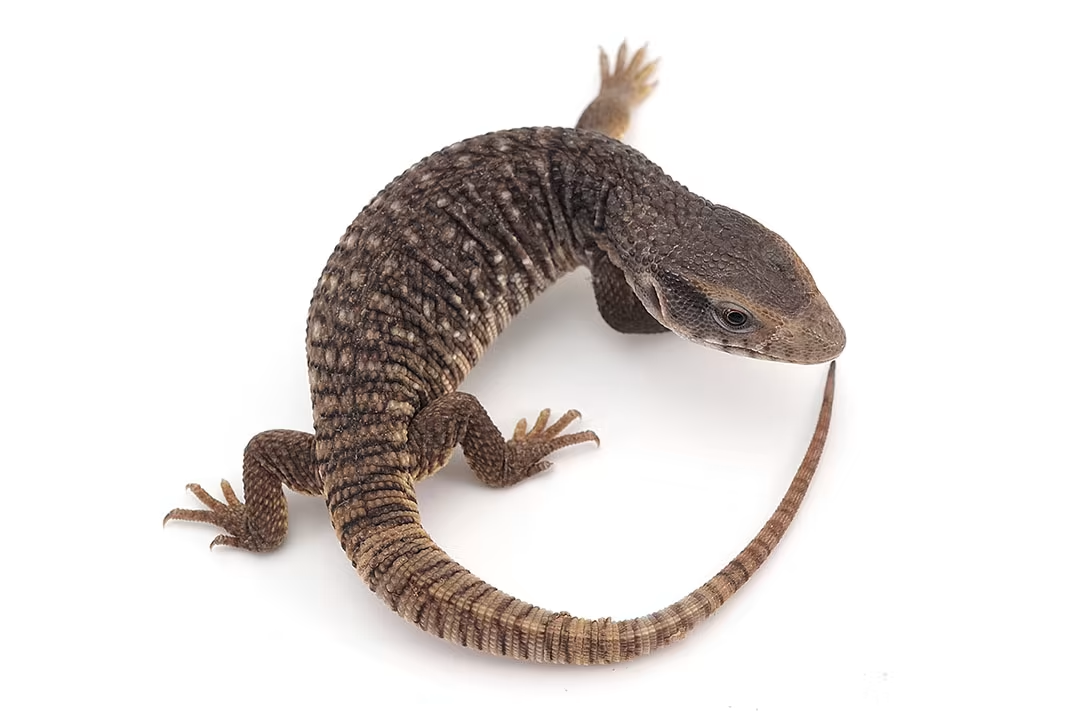
Learn how to care for a monitor lizard, recommended diet and habitat setup. Find the right food, supplies and equipment at your neighborhood Petco.
Updated on November 13th, 2025
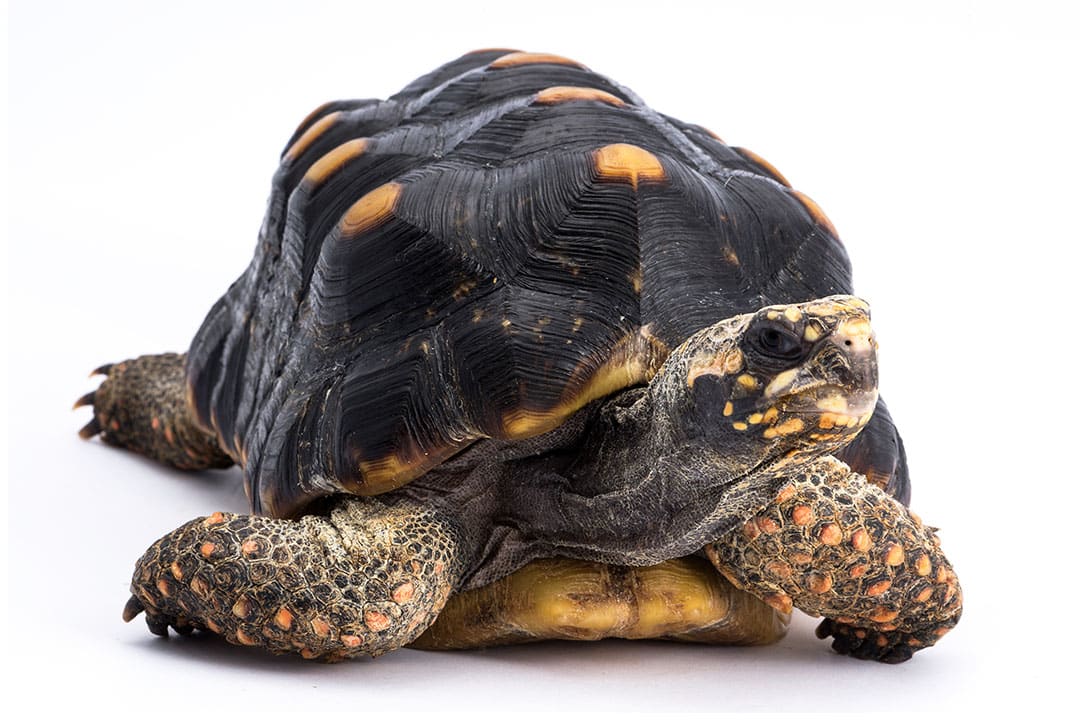
Learn how to care for tropical tortoise, recommended diet & habitat setup. Find the right food, supplies & equipment at your neighborhood Petco.
Updated on November 13th, 2025
Ok, I just tried my own link from the answer I just left you and it is not working. Google arav.org which stands for Association of Amphibian and Reptile Veterinarians. There is a link for "owners" along the top, with a drop down menu for "find a vet." Googling the website should work. I don't know why our links aren't working. Thanks again for using Boop by Petco!
Updated on August 12th, 2025
The Cowfish, or Longhorned Boxfish, is a marine species that should be kept only by experienced aquarists. When stressed, they can release toxins into the water which may harm tank mates. Pacman frogs, leopard geckos, corn snakes or bearded dragons are all easy to keep.
Updated on August 12th, 2025
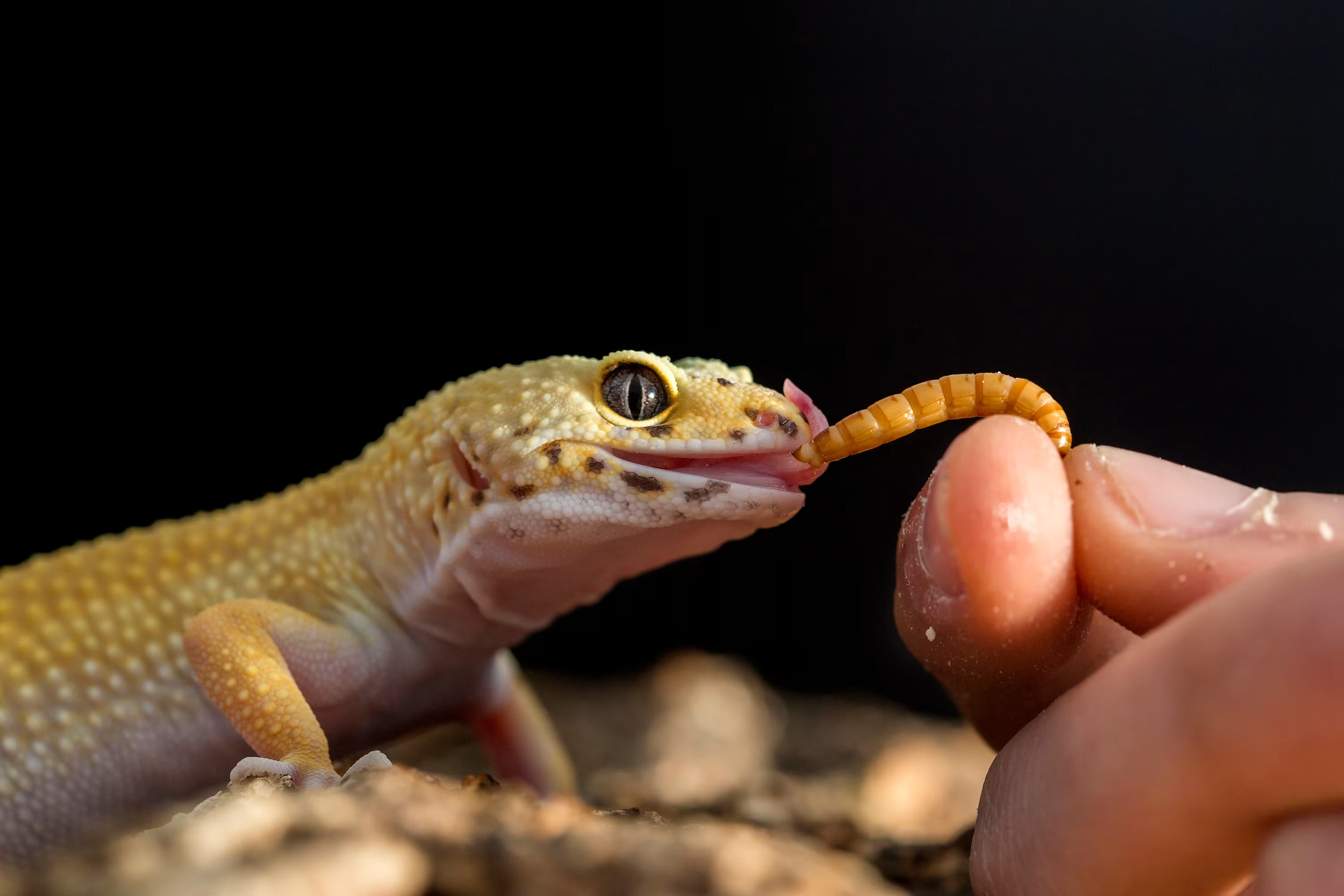
Leopard geckos are great "starter" reptiles. They don't require special lighting (UVB) like other reptiles. A 20 gallon tank is big enough for one. Add a heat source, hides and a water bowl and you are good to go. You can review gecko care at the links below. http://www.reptilesmagazine.com/Care-Sheets/Lizards/Leopard-Gecko/ http://www.anapsid.org/leopardgek.html
Updated on August 12th, 2025
Have the skinny one examined by a veterinarian experienced in treating reptiles/amphibians. Submit a stool sample to diagnose intestinal parasites. Although this is a docile species, monitor for bullying or aggression in case the larger one is not allowing its cagemate to eat.
Updated on August 12th, 2025
Soak him in warm water for 15-20 minutes daily until the bit of shed falls off. Monitor for swelling, discomfort, redness, lameness or lethargy. Keep his enclosure clean. If he develops any of the above symptoms, have him examined by your veterinarian or a vet experienced in treating reptiles.
Updated on August 12th, 2025