Two Easy Ways to Start Earning Rewards!
Become a member today! Members-only pricing and offers, personalized care notifications, Vital Care points back on every purchase and more!
 Become a credit card member today!
Earn 2X Pals Rewards points at Petco
when you use Petco Pay!APPLY NOWLearn More About Petco Pay Benefits
Tetra Aquariums, Tanks & Bowls


Related Articles & Questions
- New Pet
Freshwater Community Fish: Care, Setup & Compatibility Guide
Learn how to care for freshwater community fish, recommended diet & aquarium setup. Find the right food, supplies & equipment at your neighborhood Petco.
Updated on November 13th, 2025
- Home & Habitat
How to Clean a Dirty Fish Tank: Crystal Clear Water & Happy Fish
Find out what tools you’ll need and discover the best way to get your aquarium back on track without starting over and find out how to maintain a clean fish tank.
Updated on November 13th, 2025
- New Pet
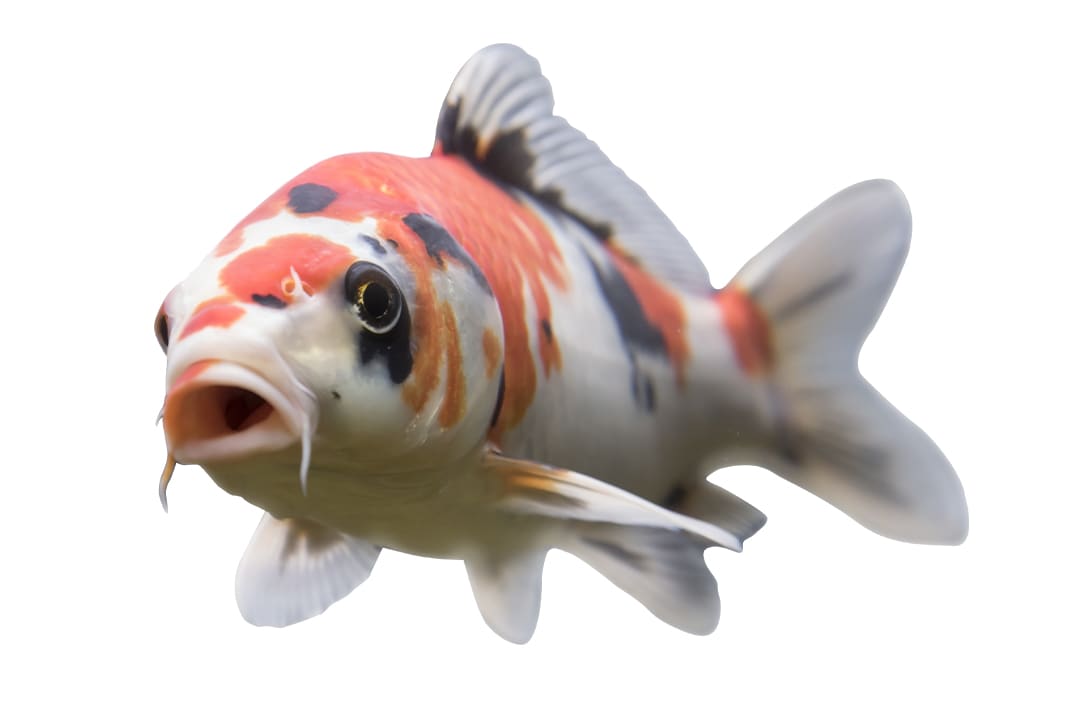
Mastering Koi Care: Optimal Tank, Food, Water Quality & Health Tips
Learn how to care for a Koi, recommended diet and aquarium setup. Find Koi for sale, supplies and equipment at your neighborhood Petco.
Updated on November 13th, 2025
- New Pet
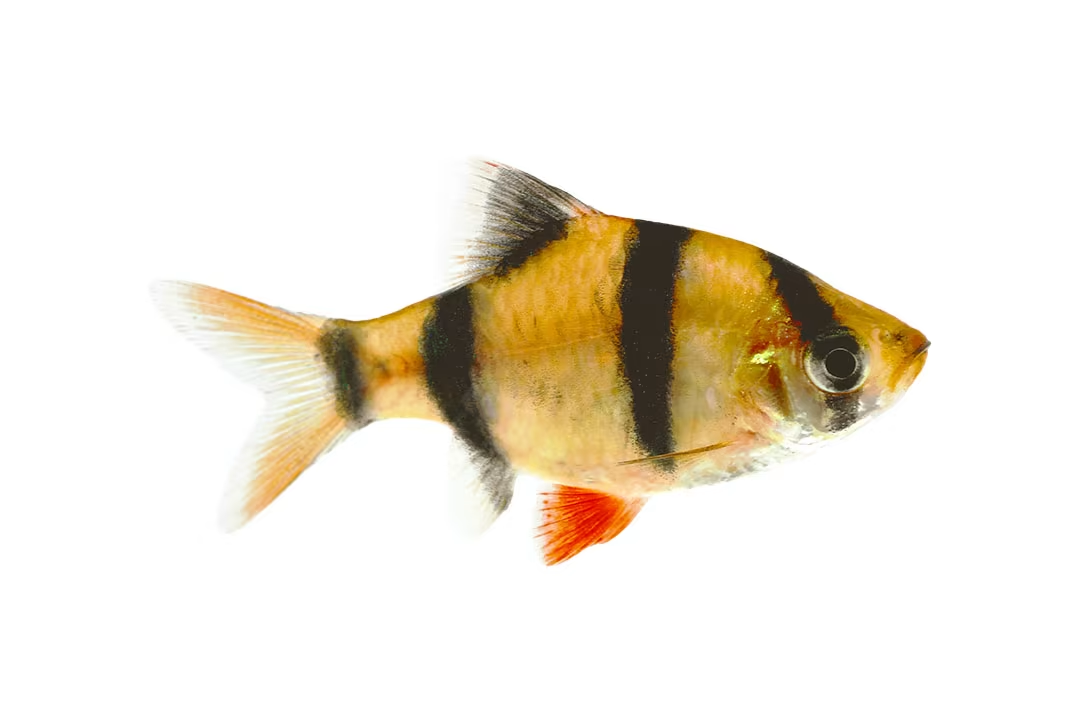
Barbs Fish Care Guide for Beginners: Tank, Food & Compatibility
Learn how to care for Barbs fish, recommended diet and aquarium setup. Find Barbs for sale, supplies and equipment at your neighborhood Petco.
Updated on November 13th, 2025
- New Pet
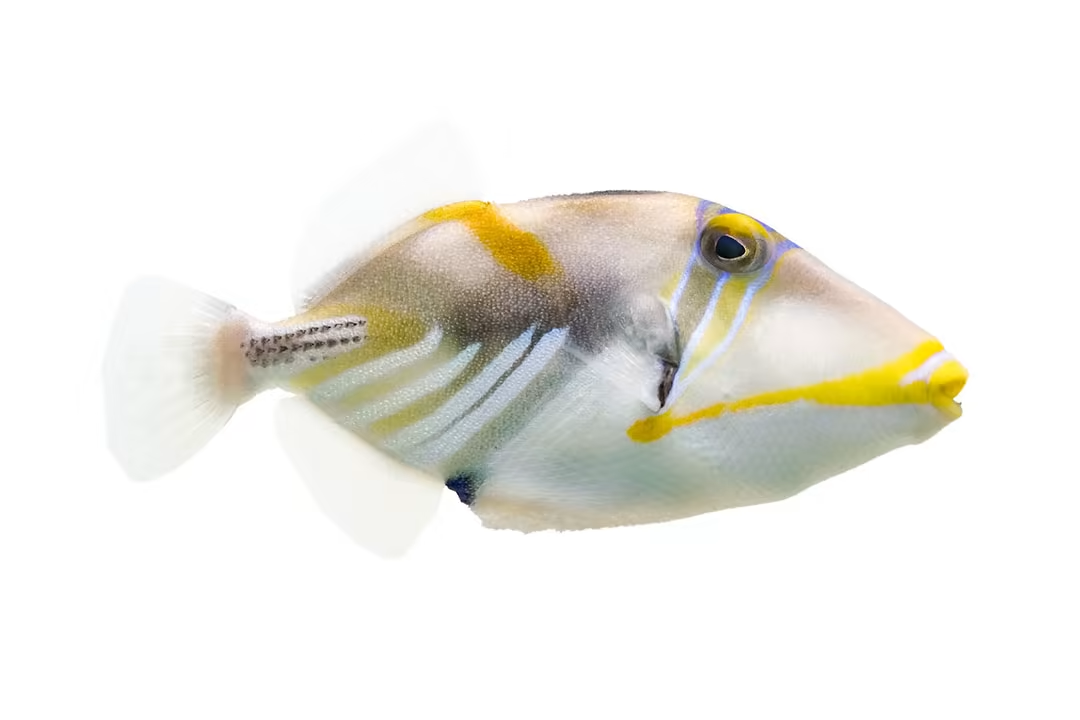
Triggerfish Care: Tank, Diet, & Compatibility for Aggressive Fish
Learn how to take care of triggerfish, recommended diet and tank setup. Find the right food, supplies and equipment at your neighborhood Petco.
Updated on November 13th, 2025
- Health & Wellbeing
Hi . Sorry for the trouble again a few hours earlier I came with the Sam question. But now I seek a adviceLastweek I had one pair of glowlite tetras one black neon Tetra and 3 rosy but now I am left with only 1 rosy rest all have died (out of which
It is no trouble at all. It is why we are here! The first thing to check would be water chemistry. This can be done using a home test kit or by submitting a water sample for testing. Most pet stores will do this for free or for a small fee. Aim for 0 ppm ammonia and nitrites with a nitrate level of 20 ppm or less. Perform a partial water change, no more than 30% total volume, daily to stabilize or improve water chemistry. Use only aged or conditioned water that is temperature matched to prevent stress or shock. The species of fish you have do best in the mid to high 70s F up to about 82 F. If you have a newly set up tank, it may not have cycled properly or adequately. This would have led to toxic levels of ammonia which likely killed your fish. A tank needs to run, without fish ideally, for 4-6 weeks to establish a Nitrogen Cycle. This time period allows beneficial populations of bacteria to colonize the substrate and filter media. These bacteria are responsible for breaking down ammo
Updated on August 12th, 2025
- Health & Wellbeing
I bought a betta 5 days ago and I have him in a medium fish bowl and I want to know what type of fish I can put in their with him Can I ad a little fresh water crab ? What type of fish can I put in the fish bowl ?
To safely mix fish species together, there are a few considerations to keep in mind. First, you want to choose fish that have similar temperature requirements as your betta. Otherwise the fish can be stressed. Second, you want to get species that have similar oxygen requirements - bettas don’t need a lot of bubblers in their tanks, but not all species are like that, so unless you want to do some adjustments to you betta tank, it is a good idea to get other species that don’t need a lot of oxygen. Third, it depends on how many gallons your tank is. Overcrowding is a common problem for many fish owners, and it can make it very difficult to keep up on the water quality. The general rule of thumb you can use is one square inch of fish per gallon. When using this rule, go based on the adult size of fish, because often people get fish that are young and small and don’t anticipate that they will get bigger! I would advise getting your thoughts together about the parameters above, and then vi
Updated on August 12th, 2025
- Health & Wellbeing
I am setting up a 20 gallon freshwater tank. I would like to have an assortment of live plants. I need recommendations on the type of plants to use and also the type gravel to use.
Our Standard Aquarium Plant Pack provides a convenient solution for your dilemma. This package includes Micro Sword or Dwarf Hairgrass, Anubias Nana or Anubias Barteri Round Leaf, Java Fern, Red Cryptocoryne or Green Cryptocoryne, Water Sprite, Hornwort, and Cabomba. http://www.liveaquaria.com/product/prod_display.cfm?c=768+2145+2146&pcatid=2146 A substrate specifically designed for live aquarium plants such as CaribSea Eco-Complete Plant Substrate is recommended for long-term success. http://www.drsfostersmith.com/product/prod_display.cfm?pcatid=9087 Be sure to provide proper lighting conditions by employing aquarium light fixtures specifically designed for planted aquarium use.
Updated on August 12th, 2025
- Health & Wellbeing
Hello! I just got a betta fish yesterday, and i wanted to make sure he is happy in his tank. He is in a 2.5 gallon tank, with a filter, (no heater) with two snails (1 nerite snail and one assassin) how big should the tank be, and what do i need for h
A 2.5 gallon tank is fine for a Betta and 2 snails. If you have artificial plants, use ones made of silk instead of plastic which can harm delicate fins. You'll need a heater also. Bettas are tropical fish and do best between 78 F and 80 F.
Updated on August 12th, 2025
- Food & Nutrition
i have a question, we recently got glofish as a gift to my mother. I bought the water conditioner, food, plants and a volcano to decorate the tank, its a 5 gallon tank so they would have alot of room to swim. But all 5 fish, just stay at the bottom
Thanks for your question about your fish, and congratulations on your new family members! I didn't see how recently the tank was set up, but there are a couple of things that could be going on. I would start by checking your water quality - any abnormalities in water quality can make fish have abnormal behaviors, and the water looks a bit murky in the photos you provided. There may be parameters that need to be addressed depending on what you find. If you do not have a water quality kit, they can be purchased at the pet store or an aquarium store, or you can take a sample of your water in for evaluation to these places as well. Some will charge a small fee for this service, just so you are prepared. Also, with recent tank set ups, it can be stressful for fish as they are in a new habitat. I would recommend keeping the light on for only a few hours per day to start, as the bright lights can be shocking for them (since fish don't have eyelids). Gradually you can increase the length of t
Updated on August 12th, 2025