Two Easy Ways to Start Earning Rewards!
Earn 2X Pals Rewards points at Petco
when you use Petco Pay!
Get It Today
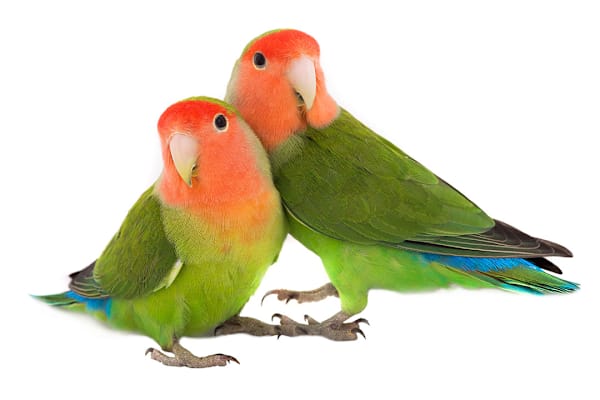
Learn how to take care of your Lovebirds, recommended cage size, diet and housing setup. Find the right food, supplies and equipment at your local Petco.
Updated on November 13th, 2025
Learn how to identify if your bird’s poop is healthy or not. Visit Petco to find all the answers about birds’ poop.
Updated on November 13th, 2025
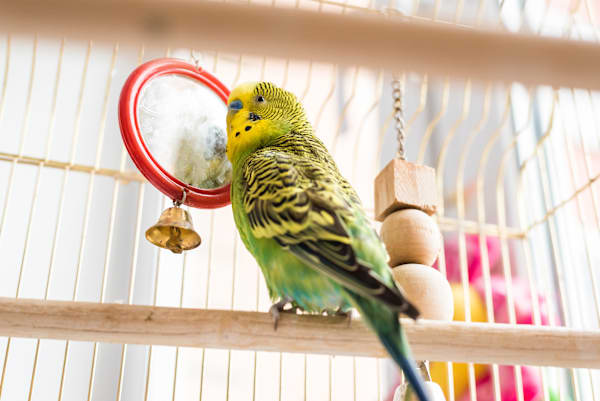
Learn tips about breeding Parakeets in a safe way. Search Petco to keep your feathered friends happy & healthy.
Updated on November 13th, 2025
Read more about how to care for your pet birds during the warmer months and keep them safe, happy and healthy all summer long.
Updated on November 13th, 2025
Molting is a normal process for your bird. Learn when it happens, and what signs to look for in case you need to see your vet.
Updated on November 13th, 2025
Without knowing the size of the cage, it is hard to give advice. If they have a large flight cage where they can easily move around and exercise, then that may be enough. Adding in some fun toys to explore, moving dishes and toys around or rotating them out, offering treats to chew on, etc can all help increase enrichment and make things more fun for your birds. If they're kept in very small cages, then looking for a playpen that can fit in the room or on top of the cage may be nice for your birds to climb on or play on. However, finches tend to explore more and may want to fly around, so it is best to make sure they are only let loose in rooms where they can easily be caught again and cannot fly into windows, doors, or other dangerous objects that can cause injury or death.
Updated on August 12th, 2025
Ideally, the more space the better, and three birds should have a flight cage that is big enough for them to fly back and forth horizontally in (finches tend to like horizontal rather than vertical cages). You also want to make sure each bird has their own access to food, water, and bedding areas, with dividers such as perches or toys to break up the space and prevent fighting over territory. If you do introduce a new bird, make sure to keep him separated for a week first to prevent the spread of any illness, and to make sure he is healthy enough to be added to the flock before doing so.
Updated on August 12th, 2025
Offer a fortified seed mix supplemented with cooked beans and vegetables (carrots, peas, etc). Fresh water should be available at all times. A mineral block and/or cuttlebone should also be placed in the cage. Keep the room at a steady temp and keep the cage away from strong drafts. You can mist him with warm water a few times weekly to promote preening and healthy plumage. Monitor for lethargy, decreased appetite and loose droppings. If necessary, have him physically examined by your veterinarian or an experienced avian veterinarian.
Updated on August 12th, 2025
Pine is fine. There are no reports of this being toxic and pinecones are often used for enrichment for captive birds. I would not worry at all about making the pine furniture. I hope that helps and all is well with Pepsi.
Updated on August 12th, 2025
Thanks for reaching out. Are you asking will it be safe for ferrets and a good cleaner. Yes since birds are typically more sensitive to chemicals than ferrets. A vinegar solution would work well also. Good luck.
Updated on August 12th, 2025