Two Easy Ways to Start Earning Rewards!
Become a member today! Members-only pricing and offers, personalized care notifications, Vital Care points back on every purchase and more!
 Become a credit card member today!
Earn 2X Pals Rewards points at Petco
when you use Petco Pay!APPLY NOWLearn More About Petco Pay Benefits
Petco Lovebird Health & Grooming
Get It Today




Related Articles & Questions
- Care Sheets
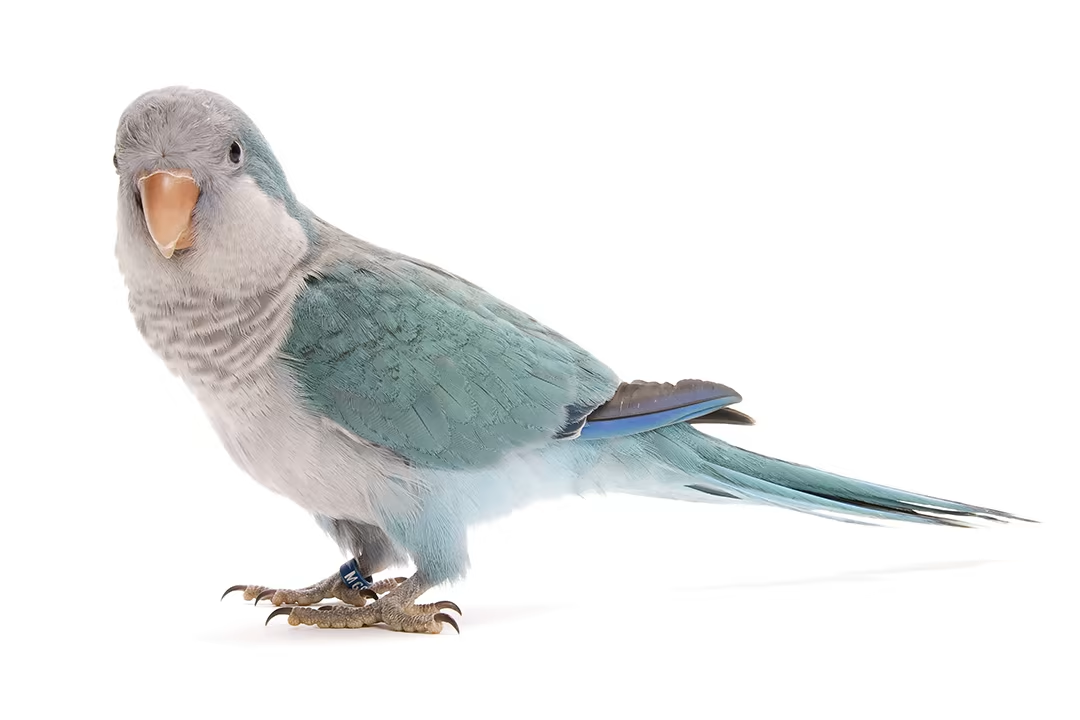
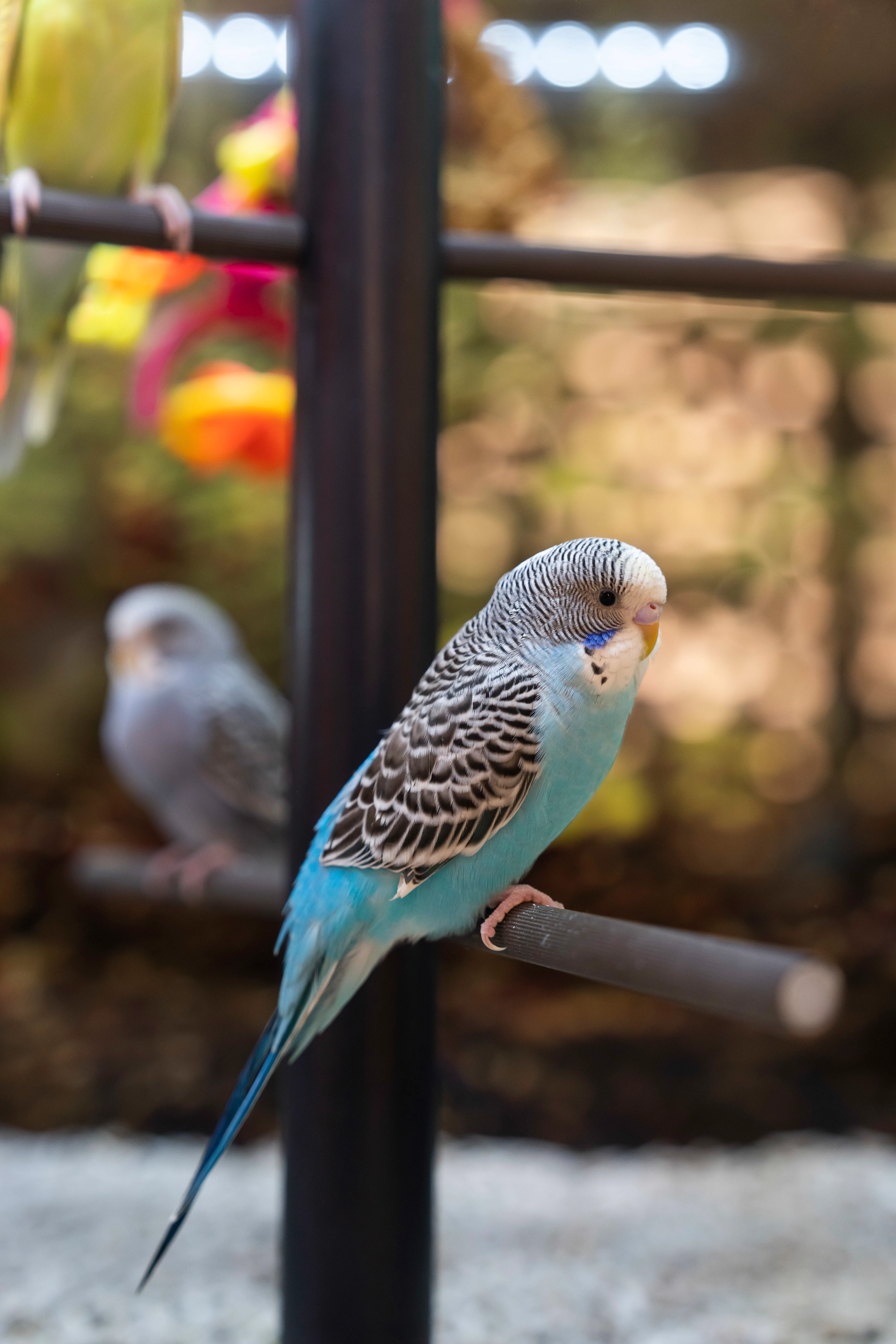
Master Medium Parakeet Care: Essential Guide for a Long, Happy Life
Learn how to care for a medium-sized parakeets, recommended diet & bird cage setup. Find the right food, supplies & equipment at your neighborhood Petco.
Updated on April 9th, 2026
- Care Sheets
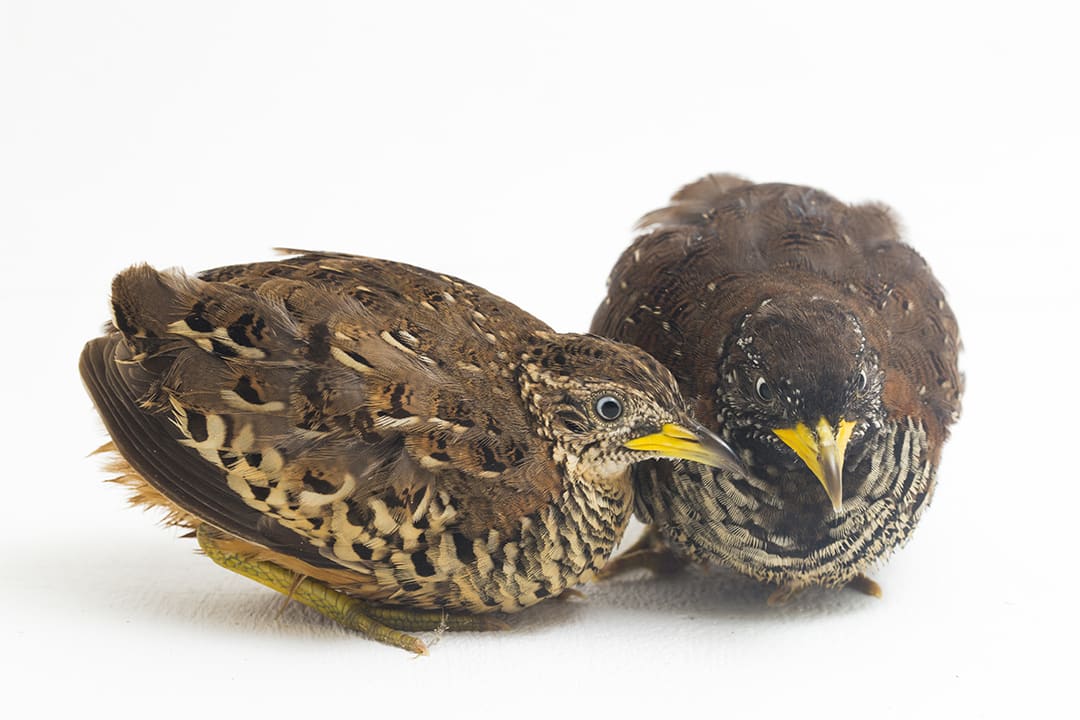
Button Quail Care: Essential Food, Habitat & Health Guide
Learn how to take care of Button Quails, recommended diet and housing setup. Find the right food, supplies and equipment at your neighborhood Petco.
Updated on October 23rd, 2025
- Health & Wellness
Bird-Proof Your Home: Eliminate Household Hazards
There are many household hazards for birds, that's why it's important to bird proof your home.
Updated on July 17th, 2026
- Health & Wellness
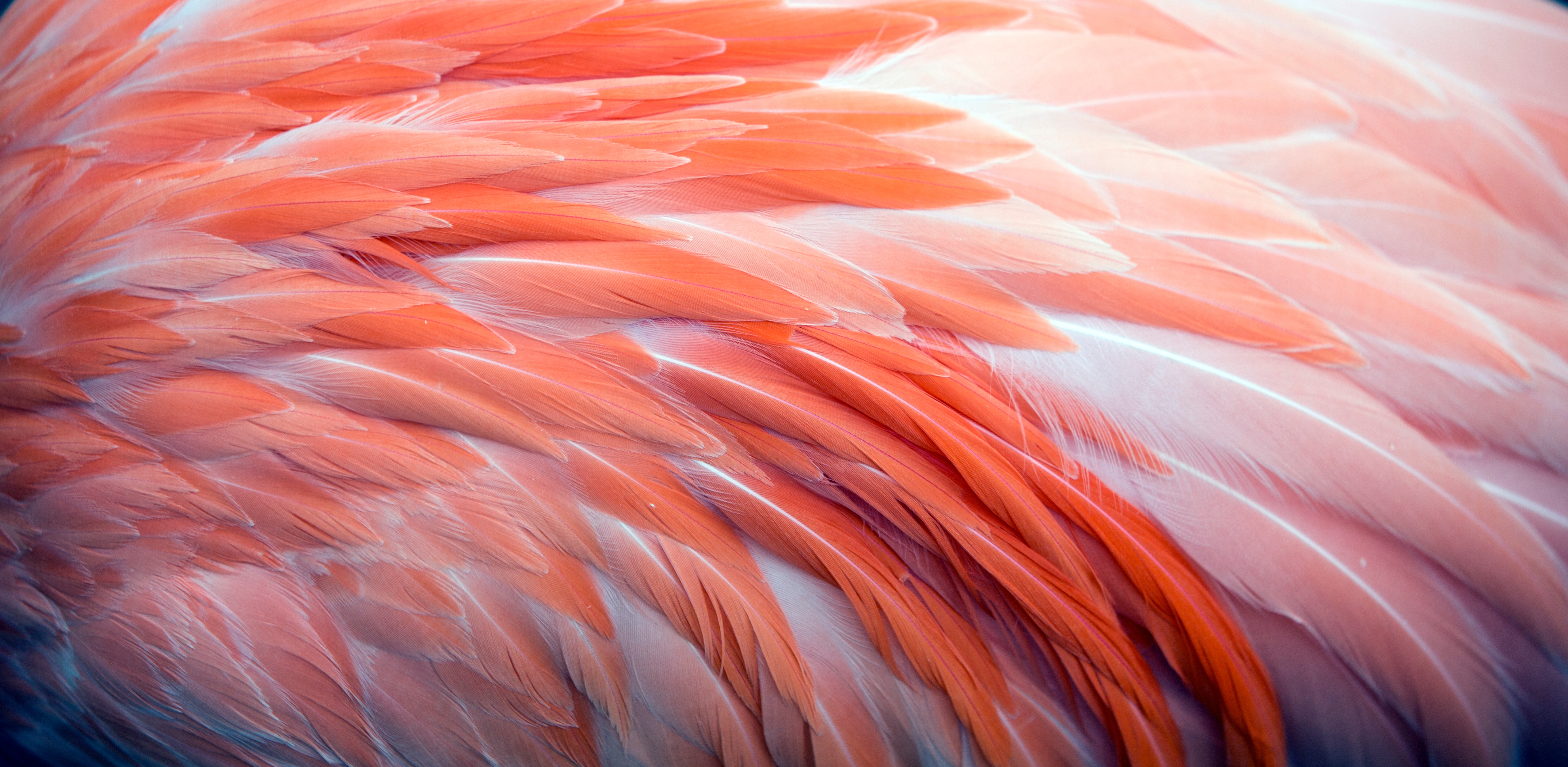
Your Bird's Feathers: Anatomy, Types, Color, Molting & Care Guide
As there are different types of hair on furred animals, birds have different kinds of feathers, each having a particular function.
Updated on October 23rd, 2025
- Care Sheets
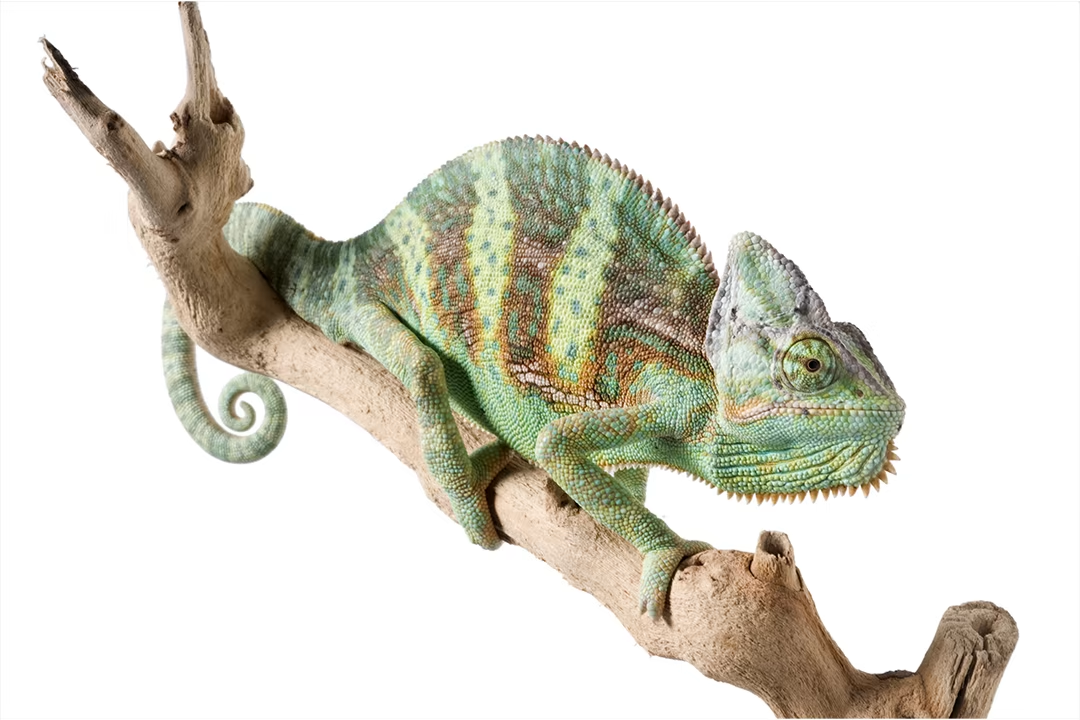
How to Care for a Veiled Chameleon: Habitat, Food & Health
Learn how to take care of your Veiled Chameleon, tank size, diet & habitat setup. Find the right food, supplies and equipment at your neighborhood Petco.
Updated on December 22nd, 2025
- Vet Q & A
Why is my lovebird losing feathers around its eyes and acting alone?
Hello! There are several issues that might be going on with your bird. Mites are a common cause of feather loss on the face. There are certain bacterial and fungal infections that can cause this as well. I noticed that your parakeet also has a cagemate - is it possible that the other bird is over-preening this bird? The only way to determine the cause of the issue is to visit your veterinarian - preferably, a vet that is comfortable treating birds, or a bird-specific vet. The vet will likely take feather and skin samples from your bird and look at them under the microscope to try to determine the cause. There isn't much that you can safely do at home to treat mites, bacteria, or fungi, so visiting your vet is the best way to get your bird the treatment he needs. Best of luck!
Updated on September 24th, 2025
- Vet Q & A
My new cockatiel's underwing skin looks concerning. What should I do?
It's impossible to diagnose anything from a picture but I don't see anything obviously abnormal from your pictures. It's always a good idea to get a new pet exam done by an avian veterinarian when getting a new bird. Www.aav.com can help you find one Birds for Dummies by Brian Speer and Gina Spadafori is a great general resource for new bird owners for care and training. Good luck and have fun with your new friend. Thanks for using Petco Pet Education Center, formerly Petcoach.
Updated on September 24th, 2025
- Health & Wellness
My bird is biting its foot and bleeding. How can I help my sick bird?
Poor bird! If the foot is at all infected, trying to find a vet that can help in person is best. However, until you can find one, it is a good idea to separate the bird from any cage mates to keep from being picked on, and move him to a warm hospital cage with larger, flat perches that will make perching easier on his feet. Keeping the foot clean and dry and using an ointment such as Blu-kote (most feed and pet stores carry this for use in poultry and other birds) can help prevent infection. You can also Google how to make a bird-sized Elizabethan (cone) collar to put on the bird so that he can't get to his foot and bite it while it heals.
Updated on September 24th, 2025
- Training & Behavior
My lovebirds are bored. What are the best toys to keep them happy?
Some toys or changes to the environment are definitely a great way to help reduce boredom. You can look for toys that are soft or fuzzy to encourage preening and chewing behavior, or toys that can move around such as swings or bendy ladders for exercise. Treats that have to be pecked at are also great enrichment. Just be sure to choose toys that are designed for your bird's size and activity level. If you have a pair, you may also want to add in a nest or some nesting material to encourage building and give them extra enrichment.
Updated on September 24th, 2025
- Grooming
Why is my green cheek conure chewing and breaking his own feathers?
Hi there, I'm Dr G and I see a lot of birds. Your conure, even though he is not pulling feathers out is still having some "feather picking" or at the least over grooming. This can have so many reasons! So many! Often at this time of year, it relates to seasonal sexual behavior. It can also be a skin infection, stress of some sort, loneliness, and more. I would recommend an exam by a vet to rule out medical problems before starting to work on behavioral reasons. Increased bathing/misting encourages normal grooming behavior. Making sure your bird is on a low seed/high pellet diet and the pellet is free of colors and dyes. (Just make changes slowly). Make sure you are not encouraging sexual or mating behaviors in your bird by not kissing them, not snuggling them too much and not petting along the lower back or abdomen area.
Updated on September 24th, 2025