

Two Easy Ways to Start Earning Rewards!
Become a member today! Members-only pricing and offers, personalized care notifications, Vital Care points back on every purchase and more!
 Become a credit card member today!
Earn 2X Pals Rewards points at Petco
when you use Petco Pay!APPLY NOWLearn More About Petco Pay Benefits
Miracle Care Reptile Skin & Eye Care
Get It Today


Related Articles & Questions
- Health & Wellbeing
Reptile Metabolic Bone Disease: Understand, Prevent & Treat MBD
Search Petco for information about metabolic bone disease, which is fairly common in many reptiles. Use our tips to help keep your reptile comfortable.
Updated on October 23rd, 2025
- New Pet
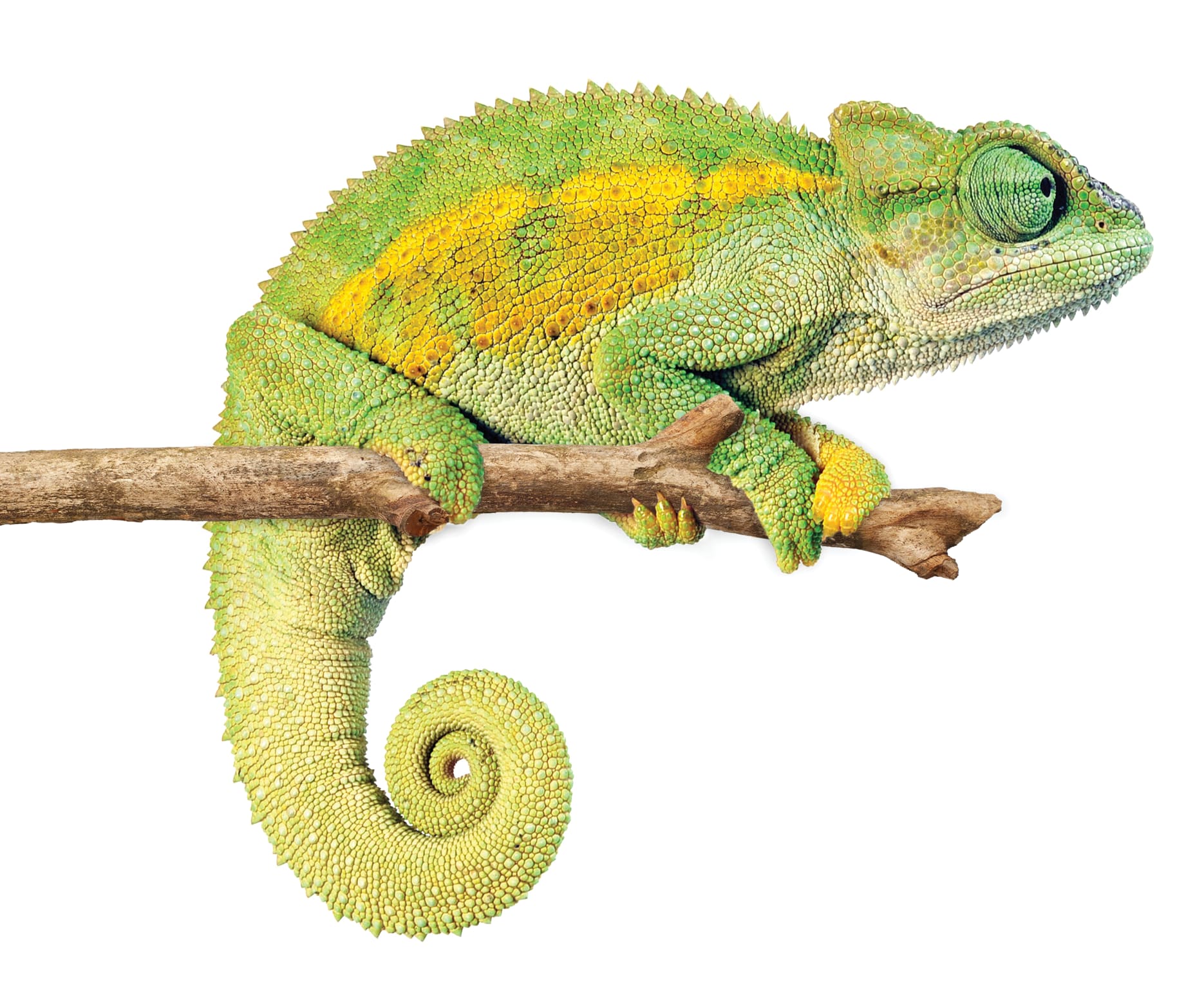
Cool Climate Chameleon Care: Habitat, Food, Health & Setup Secrets
Learn how to care for cool climate Chameleons, recommended diet & habitat setup. Find the right food, supplies & equipment at your neighborhood Petco.
Updated on October 23rd, 2025
- New Pet
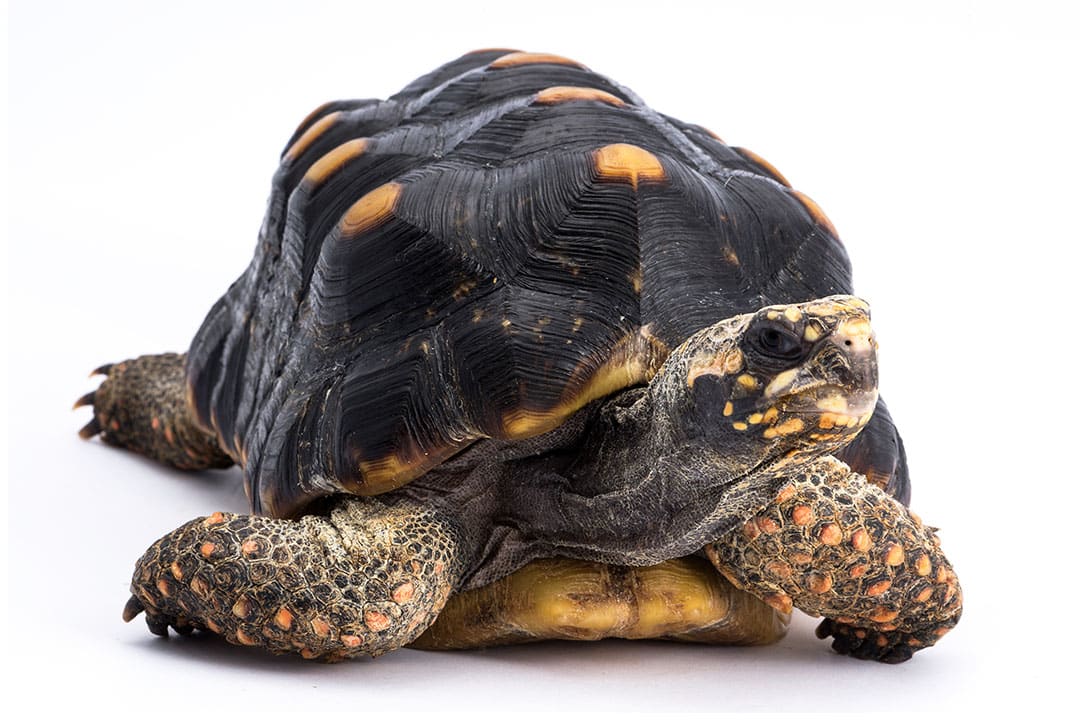
Pet Tortoise Care: Essential Guide to Food, Habitat & Health
Learn how to care for tropical tortoise, recommended diet & habitat setup. Find the right food, supplies & equipment at your neighborhood Petco.
Updated on October 23rd, 2025
- New Pet
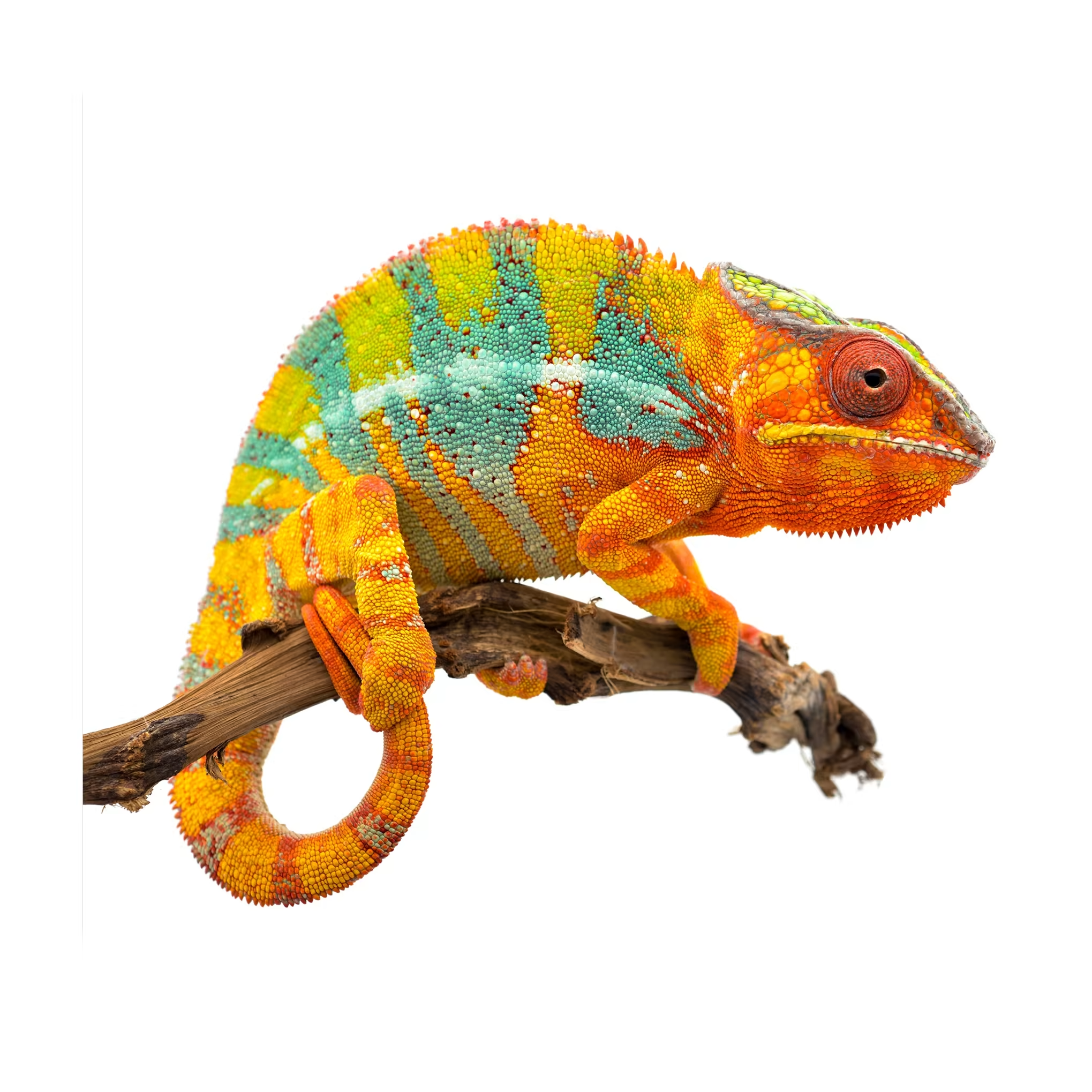
Warm Climate Chameleon Care: Best Food, Habitat & Health Tips
Learn how to care for warm climate Chameleons, recommended diet & habitat setup. Find the right food, supplies & equipment at your neighborhood Petco.
Updated on October 23rd, 2025
- New Pet
Is a Reptile Right for You? Essential Questions Before You Buy
Explore our tips about what to keep in mind when choosing the right pet reptile for your family. Consider what they need to stay happy and healthy.
Updated on October 23rd, 2025
- Health & Wellbeing
My pet Cheeto is about 2 months old. He’s started shedding every now and then but I’ve noticed he has two areas on his feet where the skin under the scales looks exposed. I’m concerned. He’s a baby so I know he can catch stuff easily. It worries me e
I think this may be a repetition of a previous question. This could be due to a bacterial or fungal infection causing scale rot. Swab the infected area with a diluted povidone-iodine solution twice daily. Scrape away the infected area gently with a blunt tool or a cotton pad. If this time of first line treatment does not help and you do not see any improvement in 48hours a check up at your local veterinarian would be required as antibiotic ointment and more aggressive treatment may be needed. Hope this answer was helpful, but please do not hesitate to contact us again on the forum or by requesting a consultation if you have any more questions or to discuss it any further. Please find the time to give us a feedback about the consultation as that will be used to improve our service.
Updated on September 24th, 2025
- Health & Wellbeing
How can i fix my turtle's swollen eyes? I'm pretty sure it was from chlorine since i used tap water, but then i changed the water after about 6 or more hours when i noticed how my turtle itches his eyes and how his eyes became more swollen.
This is commonly due to a vitamin A deficiency. Feed foods high in vitamin A (the red or orange vegetables) and maintain pristine water quality. Use a powdered multivitamin regularly as well. You can also use Repti-Turtle Eye Drops ( https://www.petco.com/shop/en/petcostore/product/zoo-med-repti-turtle-eye-drops ). Review slider care at the links below. http://www.reptilesmagazine.com/Red-Eared-Slider-Care-Sheet/ http://www.anapsid.org/reslider.html
Updated on September 24th, 2025
- Health & Wellbeing
my tortoise wont open its eyes i was told its lack of vit a i have been bathing him in pureed carrot . his eyes are moving under neath
Hello there. Yes it does sound like a Vitamin A deficiency. Bathing him in carrot puree is not likely to help. You need to get him some topical eye drops such as these: http://www.drsfostersmith.com/product/prod_display.cfm?pcatid=11311&cmpid=07cseYY&ref=6196&subref=AA&cmpid=PLA_G_6196&gclid=CK6lo834ktQCFVKPfgodyvoJKA I am unsure what product is comparable in the UK. If you go to a reptile pet store I am sure they would have something. You honestly need to address the husbandry issues - diet, humidity, lighting, etc. This article may help. http://www.peteducation.com/article.cfm?c=17+1797&aid=2589 Reptiles have a slow metabolism so they get sick slowly and hence it will take a long time for them to get well. Don't expect an overnight fix. My best recommendation would be to have him evaluated by a reptile veterinarian so you can get the best treatment plan as he may have more going on than just the Vitamin A issue. I hope this helps. Dr. Amber
Updated on September 24th, 2025
- New Pet
I “adopted “ a RES. He is about 16-17 years old. Recently he developed shell rot, but I noticed his skin is like peeling. Is this part of the shell rot?
The skin will peel as a normal part of shedding, but he may have a concurrent skin infection if there is shell rot. Maintain pristine water quality via filtration and regular partial water changes. Provide ample unfiltered UVB lighting as well as a heat lamp and dry basking area. A balanced diet along with vitamin and mineral supplementation is also recommended. You can use a soft bristled toothbrush and diluted Betadine or chlorhexidine (Hibiclens) to gently clean the shell once or twice daily. Allow for a 1-2 hour dry dock after each cleaning. He may need to be physically examined by your veterinarian or a vet experienced in treating reptiles to definitively diagnose infection. Antibiotics can be dispensed if indicated. You can review slider care at the link below. http://www.anapsid.org/reslider.html
Updated on September 24th, 2025
- Food & Nutrition
Hello! My 5 year old leopard geckos left eye is shut and won’t eat she is begging to get very skinny and i’m am very concerned. I washed her eye with saline wash and helped her to open it up, when she opened it i noticed at the top of her lid there w
Thanks for reaching out about Lilly. Dietary deficiencies, specifically vitamin A, can lead to corneal infections or cloudiness. Insects need to be gut-loaded with a wide variety of vegetables, including carrots and squashed, that have higher levers of vitamin A. The possible secondary infection needs to be treated by a veterinarian. Topical and/or systemic antibiotics will probably be needed. Gently wiping with saline will help to keep moist until a veterinary visit can be scheduled. Good luck.
Updated on September 24th, 2025