Two Easy Ways to Start Earning Rewards!
Become a member today! Members-only pricing and offers, personalized care notifications, Vital Care points back on every purchase and more!
 Become a credit card member today!
Earn 2X Pals Rewards points at Petco
when you use Petco Pay!APPLY NOWLearn More About Petco Pay Benefits
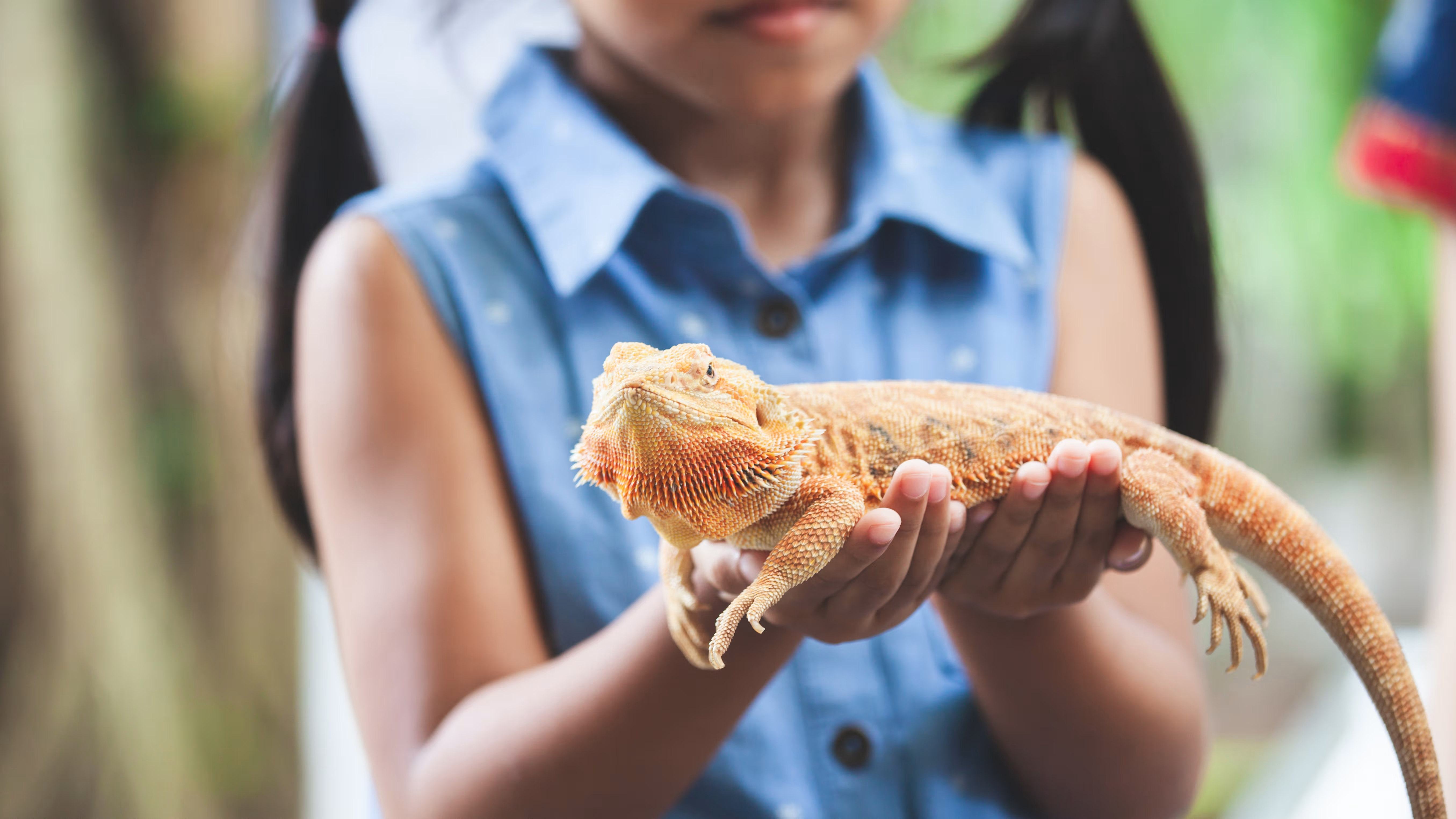
Miracle Care Bearded Dragon Shop
Get It Today


Related Searches
Related Articles & Questions
- Home & Habitat
Bearded Dragon Lighting: Your Guide to Essential UVA & UVB for Health
Bearded dragons have specific lighting requirements that emulate their natural warm and dry habitat. Learn about their lighting needs at Petco.
Updated on November 13th, 2025
- Health & Wellbeing
Bearded Dragon Poop: Healthy Signs, What to Look For & Vet Advice
Do you have questions about bearded dragon poop? Visit Petco.com to find all the answers about the health of your bearded dragon poop.
Updated on November 13th, 2025
- New Pet
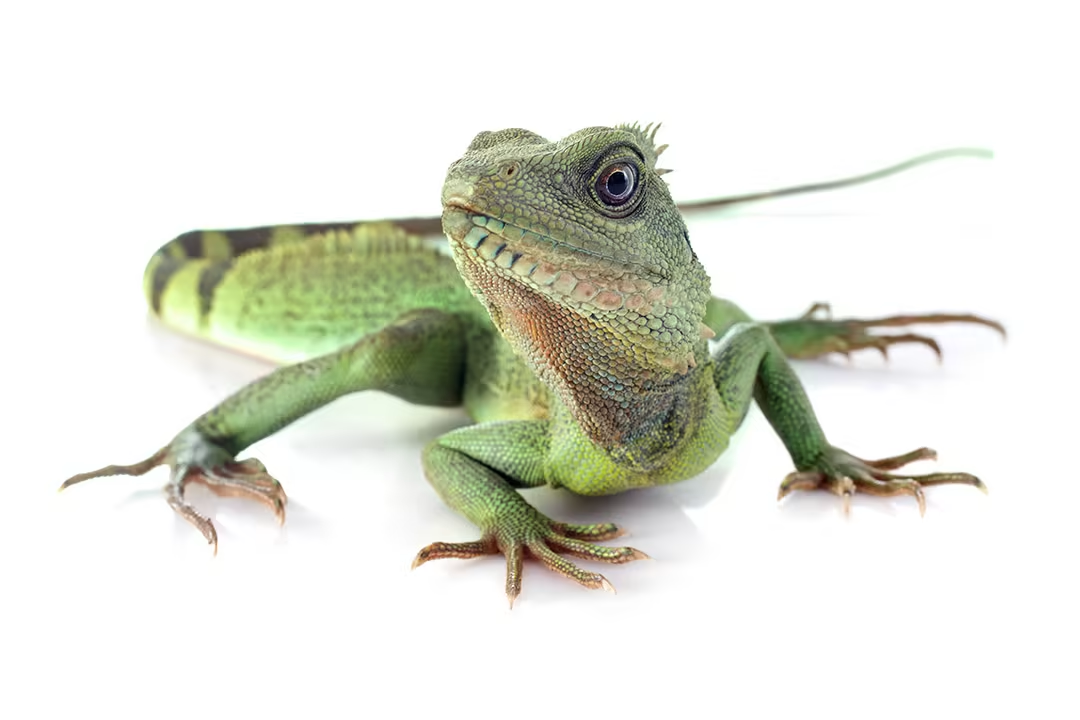
How to Care for a Water Dragon: Habitat, Food, Health & Setup
Learn how to take care of Water Dragons, recommended diet and habitat setup. Find the right food, supplies and equipment at your neighborhood Petco.
Updated on November 13th, 2025
- Health & Wellbeing
Bearded Dragon Brumation: Brumating or Sick? Know the Key Signs
Do you have questions about bearded dragon brumation? Visit Petco to learn what to do when the time comes.
Updated on November 13th, 2025
- New Pet
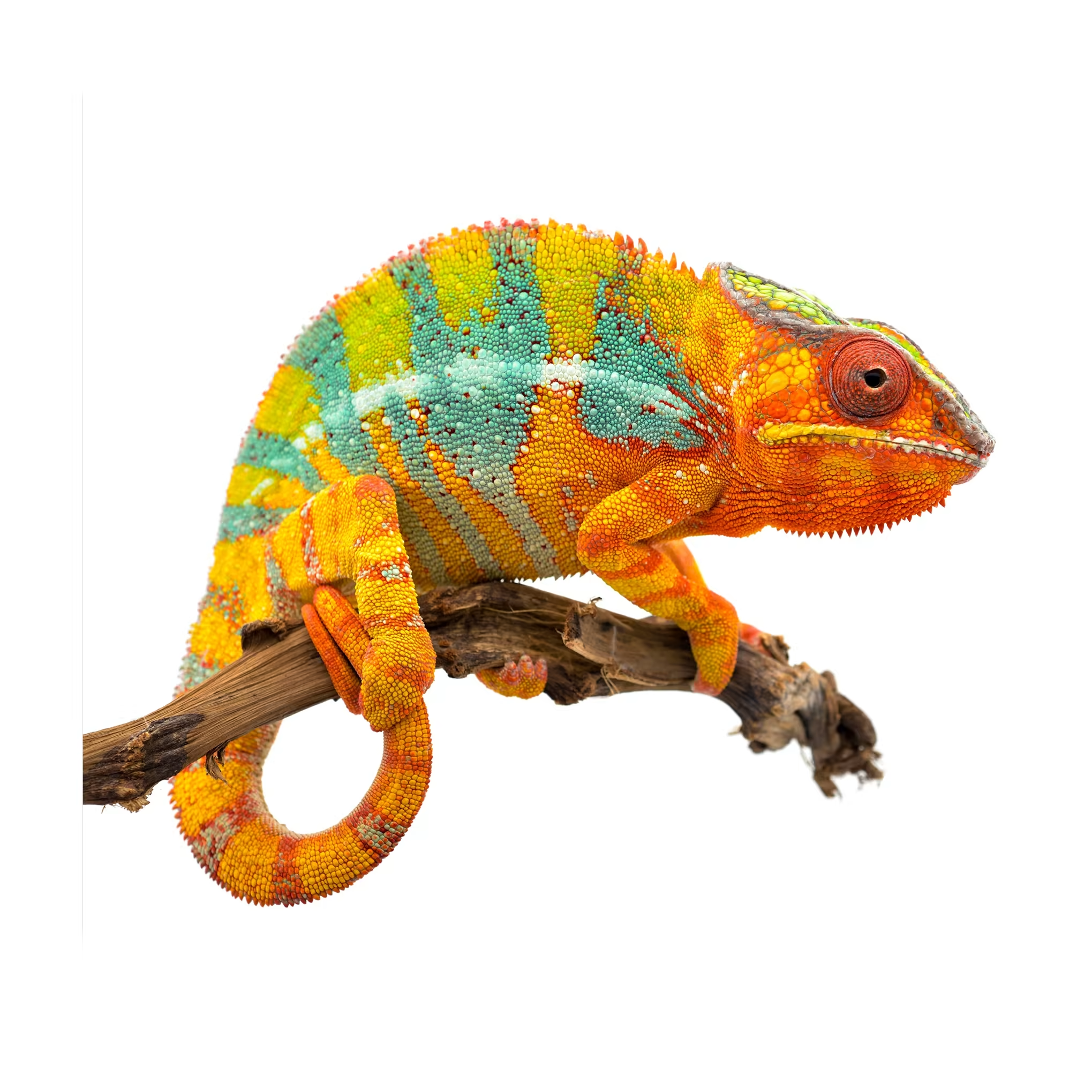
Warm Climate Chameleon Care: Best Food, Habitat & Health Tips
Learn how to care for warm climate Chameleons, recommended diet & habitat setup. Find the right food, supplies & equipment at your neighborhood Petco.
Updated on November 13th, 2025
- Health & Wellbeing
Can i give my Bearded Dragon a bath when he gets older? What do they prefer to eat? What activities do they like most?
Beardies can have regular soaks even as juveniles, especially when they are shedding. Use warm water and fill a container no higher than Lucky Man's shoulder. Never leave him unsupervised while he is bathing. Bearded dragons are omnivorous. They eat plant and animal matter. Greens and veggies should make up about 20% of the diet. Acceptable foods include carrots, green beans, squash, mustard greens, collard greens and dandelion greens. Prey should be of appropriate size. Beardies can eat crickets, locusts or dubia roaches. Wax worms can be offered as treats. Never feed insects caught indoors or in the yard. Raise your own, buy online or from a pet store. They do enjoy being held once acclimated and are very curious about their environment. Follow the link for more information: http://www.anapsid.org/bearded.html
Updated on August 12th, 2025
- Food & Nutrition
Hi! We recently got a juvenile bearded dragon and I just want to make sure i’m doing enough for them. unsure of age or sex. Attached are photos of the dimensions of their enclosure, as well as the description of the bulb we are using. I leave a bowl
Congratulations on your new addition! The tank is sufficient for a juvenile, however you will likely need a larger one when Sonora is fully grown. Make sure Sonora can get into and out of the bowl easily to prevent drowning. Place thermometers in the enclosure to monitor temperature. You will need 3. One at the cool side, one on the warm side and one for the basking spot. Hygrometers can also be used to monitor humidity. You can review care information at the link below. http://www.anapsid.org/bearded.html
Updated on August 12th, 2025
- Health & Wellbeing
I’ve been getting a lot of mixed answers as to what to feed my dragon and what the schedule should be I’m a new owner and I also want to know what the light schedule should be right now he seems hungry but won’t eat the collard greens I gave him how
Beardies are omnivores and eat a mix of greens and live prey. Adult beardies will eat more greens than prey. At his age, Majesty can be fed once daily. Alternate between prey and greens. Don't forget to dust food with a calcium supplement as well as a multivitamin. Always have fresh water available. Offer different types of greens such as mustard greens, dandelion greens, kale, bok choy or raw cabbage. Vegetables that can be fed include celery, carrots, squash and pumpkin. This list is my no means inclusive. If he won't eat greens, chop them finer and add strawberries or blueberries to the mix. Mixing in crickets or mealworms may also stimulate the appetite. As long as the stool is formed, size isn't an issue. It will change depending on how much and what he eats. A light cycle of 12 hours on and 12 hours off is sufficient. To get him acclimated to you, simply spend time with him. Initially, you'll want to just sit by his cage, then progress to placing your hand in the cage then
Updated on August 12th, 2025
- Health & Wellbeing
I just rescued a bearded dragon from a terrible home. They only fed her pellets, kept her in a garage with no lighting and she has so many stress marks. I believe she also might get panic attacks. sometimes she will run around the tank scratching the
I commend you for rescuing Meredith. The first thing would be to have her physically examined by your veterinarian or a vet experienced in treating reptiles to confirm good health or to diagnose any preexisting conditions. Next, review the website below for information regarding bearded dragon care. http://www.anapsid.org/bearded.html Give her some time to acclimate. Provide a hide on each side of the tank. Consider a tank wrap to provide more security. Survey the area around the cage for negative stimuli. This may include loud noises, vibrations or bright lights. Reduce or eliminate any if found.
Updated on August 12th, 2025
- Health & Wellbeing
my bearded dragon is about three months old and won’t grow or shed. currently he is 8inches long and eats 8-15 mealworms a day. he won’t eat veggies and his basking spot is at 85 degrees in a 40 gallon tank
Submit a stool sample to your veterinarian to diagnose intestinal parasites. Deworm him if indicated. Bump up basking spot temps to between 90 F and 100 F. Make sure the UVB light is not obstructed by glass, plexiglass or fine mesh. In addition to mealworms, offer other prey such as crickets, dubia roaches and phoenix worms. Prey should be no bigger tha the space between the eyes. Gut load all prey for 24 hours prior to offering to maximize nutritional value. This can be done by feeding them a high protein baby cereal, tropical fish flakes and fresh fruits and greens. Monitor his weight a few times a week and record gains and losses. If he does not grow or gain, have him physically examined by your veterinarian or a vet experienced in treating reptiles to diagnose and treat any underlying conditions. In the meantime, review dragon care at the link below. http://www.anapsid.org/bearded.html
Updated on August 12th, 2025