Two Easy Ways to Start Earning Rewards!
Become a member today! Members-only pricing and offers, personalized care notifications, Vital Care points back on every purchase and more!
 Become a credit card member today!
Earn 2X Pals Rewards points at Petco
when you use Petco Pay!APPLY NOWLearn More About Petco Pay Benefits
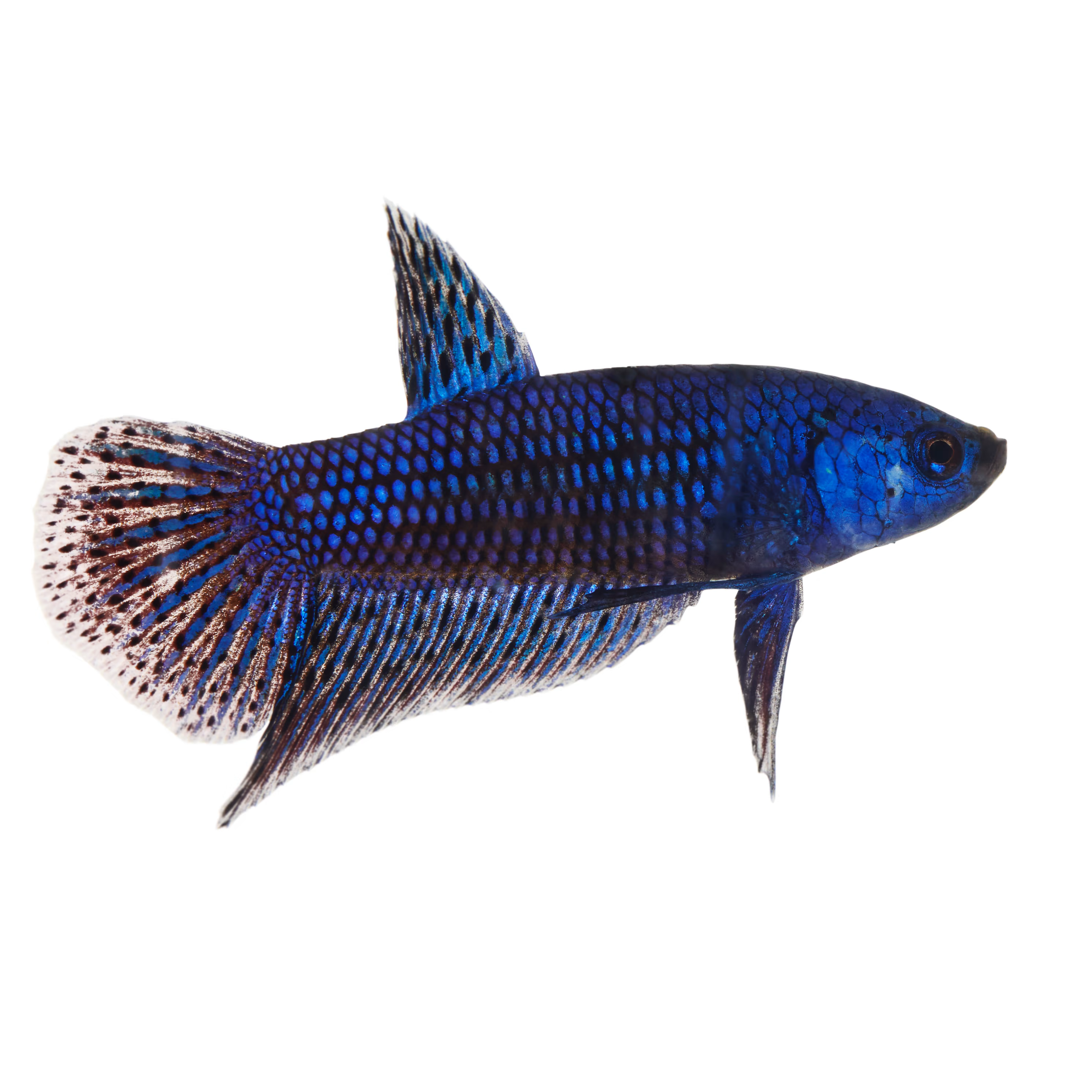
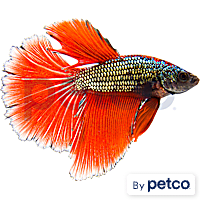
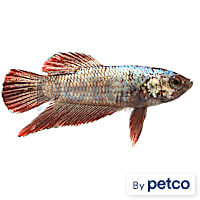
Imagitarium Betta Fish


Related Articles & Questions
- Care Sheets
How to Care for Betta Fish: Tank Setup, Feeding, & Compatibility
Learn how to care for a betta fish, recommended diet and habitat setup. Find the right food, supplies and equipment at your neighborhood Petco.
Updated on October 23rd, 2025
- Care Sheets
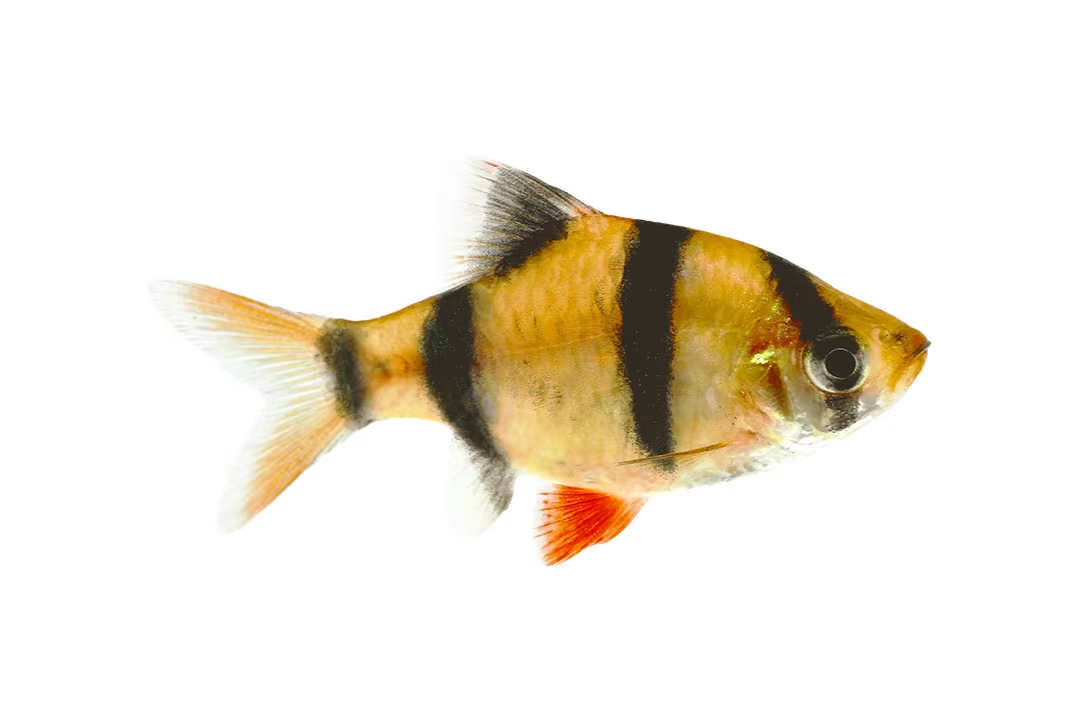
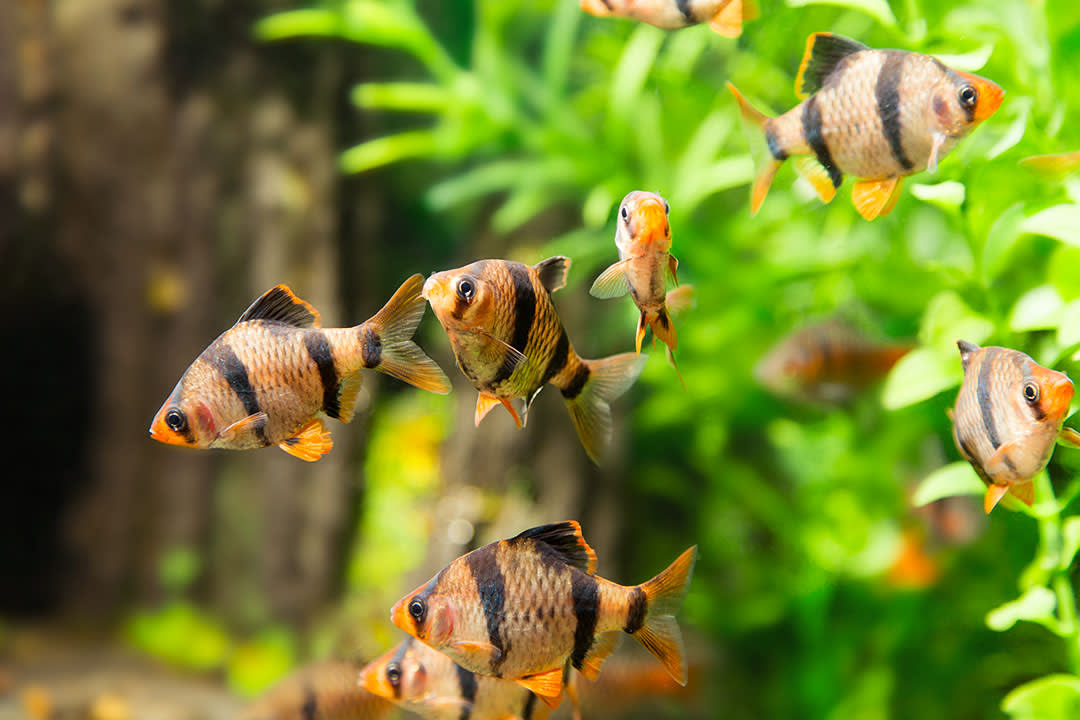
Barbs Fish Care Guide for Beginners: Tank, Food & Compatibility
Learn how to care for Barbs fish, recommended diet and aquarium setup. Find Barbs for sale, supplies and equipment at your neighborhood Petco.
Updated on April 9th, 2026
- Care Sheets
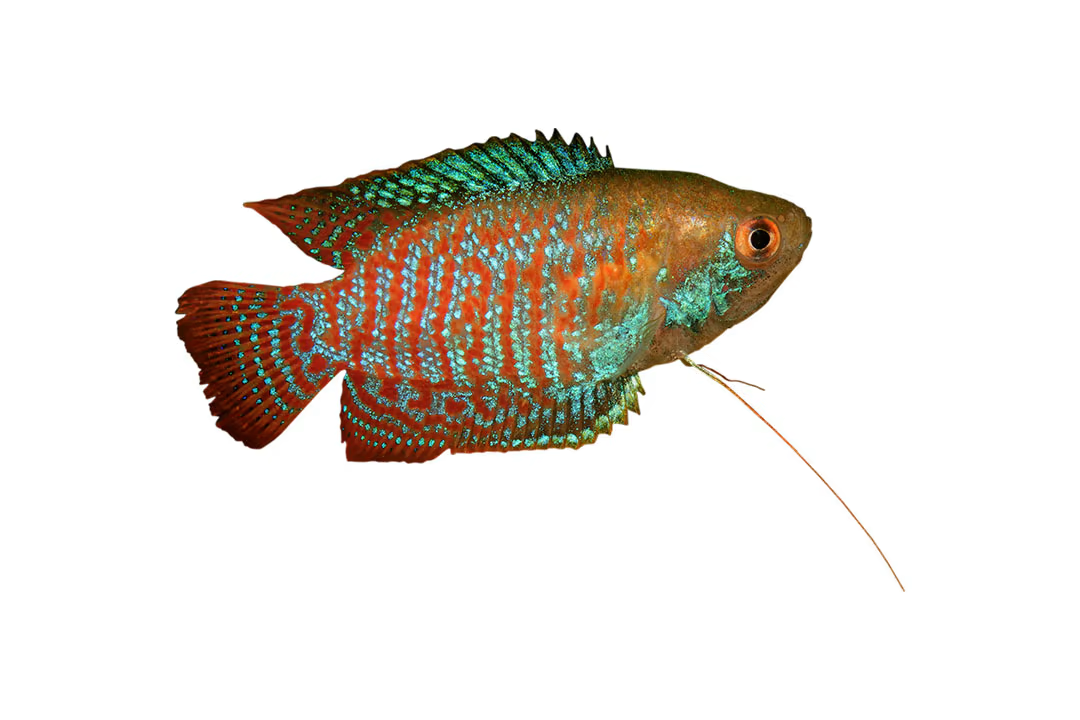
Mastering Gourami Care: Tank Setup, Food, & Habitat for Beginners
Learn how to care for Gourami, recommended diet and aquarium setup. Find the right food, supplies and equipment at your neighborhood Petco.
Updated on April 9th, 2026
- Care Sheets
Don't Release Pets: Protect Waters from Invasive Fish & Plants
Habitattitiude™ commits to environmental protection by not releasing unwanted fish into public areas.
Updated on October 23rd, 2025
- Care Sheets
How to Acclimate New Fish & Aquatic Life: Thriving Tank Guide
Acclimation helps your aquatic life adjust to the new chemistry of your tank, thereby helping ensure the health of your new addition.
Updated on October 23rd, 2025
- Vet Q & A
What fish are suitable for a 2.5 gallon bowl, and is it humane?
It's not really recommended to keep fish in bowls with no filtration. And 2.5 gallons isn't really big enough for much. A Beta fish may possibly do ok in it if you can maintain it. But I would recommend more doing plants and a few snails or ghost shrimp type of animals in a bowl that size.
Updated on September 24th, 2025
- Vet Q & A
Why is my betta fish turning white? Is it Ich? How can I help?
White formations on Bettas and other fish are typically an indicator of the condition Ich. You should be able to purchase medication that is placed within the water that may help with this condition. Here is a link to a page all about the condition and how best to manage the situation. https://pethelpful.com/fish-aquariums/how-to-cure-betta-fish-ich Hope this helps!
Updated on September 24th, 2025
- Health & Wellness
My Betta fish has a bump on its head. What is it and how to treat?
Without an image or exam, it is difficult to say with any certainty what the lump may be. Infection or injury would be likely culprits. If he has anything sharp in his bowl, remove it. Check the water quality and chemistry as poor water quality can predispose him to infection. Use a home test kit or submit a water sample for testing. Most pet stores will do this for free or for a small fee. Aim for 0 ppm ammonia and nitrites with a nitrate level of 20 ppm or less. Partial water changes can be done to stabilize chemistry and improve water quality. Use only aged or conditioned water that is temperature matched to prevent stress or shock. Bettas do best between 78 F and 80 F. Change no more than 30% total volume at one time. You can try using plain aquarium salt (NOT table or Epsom salt) as a general tonic. It can treat minor infection and helps aid in recovery. Dissolve 1 teaspoon of salt per gallon of water in a cup of tank water and gently pour it into the tank. Treat for 10-14 days then reassess his condition. Perform water changes afterwards to reduce salinity. Do not use salt for more than 14 days in a row. If there is no change, a broad spectrum antibiotic can be found in the Aquarium section of the local Petco. Follow label directions carefully and remove the carbon filter insert during treatment if indicated.
Updated on September 24th, 2025
- Health & Wellness
My betta has white spots, not responding to ich meds. Is it fungus?
It doesn't have the appearance of ich. He would have white spots, like grains of salt all over him. I don't see fungal growth either in the images. He does have some fin rot though. Check the water chemistry. Use a home test kit or submit a water sample for testing. Most pet stores will do this for free or for a small fee. Confirm an absence (0 ppm) of ammonia and nitrites with nitrates at 40 ppm or less. maintain temp between 78 F and 80 F. This is the optimal range for a Betta. Maintain pristine water quality as well as temperature. Continue with the ParaGuard since it is appropriate for fin rot. Follow label directions. You can also add in a bit of plain aquarium salt (NOT table or Epsom salt) as a general tonic to decrease stress, improve gill function, treat minor infection and aid in recovery. Dissolve no more than 1 teaspoon of salt per gallon of water in a cup of tank water and gently pour it into the tan. Treat with salt for 10-14 days then reassess his condition. Partial water changes can be done to reduce salinity. Use only aged or conditioned water that is temperature matched to prevent stress or shock. You may need to treat the fin rot for longer but don't use salt for more than 2 weeks in a row without a break. Also, if possible, decrease filter flow to reduce the current. Bettas prefer slow moving water. To provide an immune system boost, you can soak pellets in some garlic juice .
Updated on September 24th, 2025
- Vet Q & A
Why are my fish floating up and have red rashes? Are they sick?
Check water quality using a home test kit if you have one. If not, bring a water sample to the local pet or fish store. Either may test water for free or for a nominal fee. Confirm 0 ppm (parts per million) ammonia and nitrites. Nitrates should be 40 ppm or less. Partial water changes using aged or conditioned water can be done to improve water quality. Many times poor water quality can lead to stress or infection. The symptoms described may point to swim bladder disease. This can be caused by infection, constipation, stress or parasites. The red rash may indicate infection. Fast your fish for 3 days then offer bits of cooked, shelled green peas until they are swimming and defecating normally. A product such as Maracyn or Kanaplex may treat infection. You can purchase either (or generic antibiotics such as tetracycline amoxicillin or erythromycin) in the aquarium section of the local pet or fish store. Follow label directions carefully and remove the carbon filter insert if indicated during treatment. Make sure water temperature is between 78 F and 80 F, this is the optimal range for bettas.
Updated on September 24th, 2025