Two Easy Ways to Start Earning Rewards!
Become a member today! Members-only pricing and offers, personalized care notifications, Vital Care points back on every purchase and more!
 Become a credit card member today!
Earn 2X Pals Rewards points at Petco
when you use Petco Pay!APPLY NOWLearn More About Petco Pay Benefits
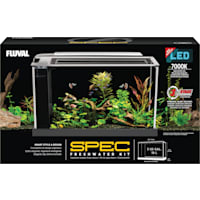
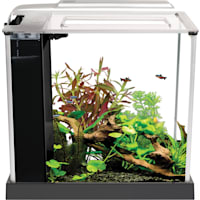
Fluval Betta Fish Tanks
Get It Today




Related Articles & Questions
- New Pet
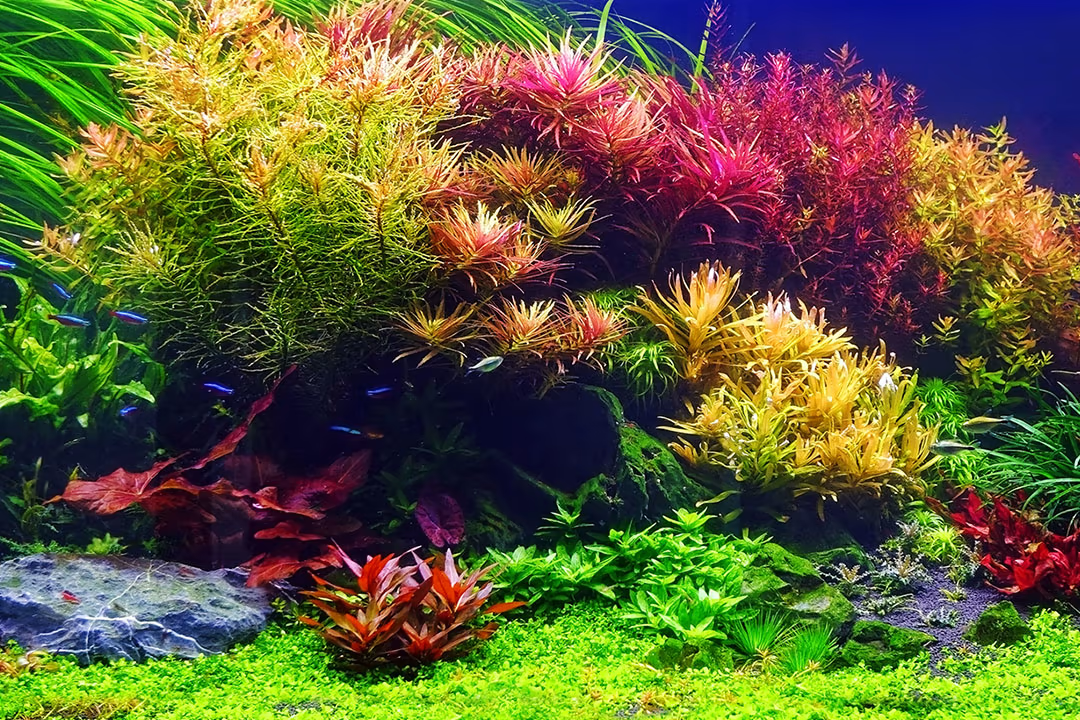
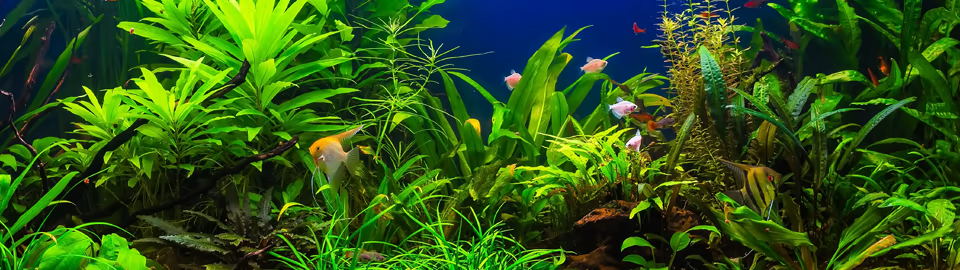
Grow Thriving Plants: Planted Aquarium Setup, Care & Benefits
Tanks with live plants can be excellent additions to your home, bringing a touch of nature indoors. There are many varieties of beginner-friendly plants to build your planted aquatic environment. Learn how to build & care for a planted tank.
Updated on October 23rd, 2025
- Food & Nutrition
Feeding Freshwater Fish: Ultimate Guide for a Thriving Aquarium
Feeding your freshwater fish isn't as simple as adding a pinch of flakes! Read these three tips to learn more about how to provide your pets the nutrition and environment they need.
Updated on October 23rd, 2025
- New Pet
Don't Release Pets: Protect Waters from Invasive Fish & Plants
Habitattitiude™ commits to environmental protection by not releasing unwanted fish into public areas.
Updated on October 23rd, 2025
- Health & Wellbeing
High Nitrates in Your Fish Tank? Protect Fish Health & Prevent Deaths
Search Petco to find out the harm of high nitrates in freshwater fish aquariums. We provide vital information to help keep your fish happy & healthy.
Updated on March 19th, 2026
 New Pet
Aquatic Pet Owners: Stop Invasive Species, Save Our Waterways
Read about Habitattitude and Petco's commitment to protect our environment. At Petco, animals always come first. Learn how you can help.
Updated on October 23rd, 2025
- Health & Wellbeing
I want Angel Alvarado to answer this question. What fish can i put in a 3 gallon tank besides shrimp. If I have to get neon tetras please tell me how to change their water. Thanks
The small size will limit the species of fish as well as the number. White Cloud Minnows or Guppies would do fine in a small tank. You could keep no more than 2 or 3 fish total. If you are looking for company for your Betta, the same species can be kept. Other options include Otocinclus (Otos), Corys, Platys or Harlequin Rasboras. Again, no more than one or two in addition to the Betta. Water changes for any tank are simple. Change no more than 30% total volume at a time. Use a water conditioner to remove harmful chemicals and make sure the water is temperature matched to prevent stress or shock. Rinse the filter in tank water, not tap water, to preserve beneficial bacteria. Vacuum the substrate every couple of weeks.
Updated on September 24th, 2025
- Health & Wellbeing
Hey! Just got a beta fish and he is swimming fine... but after I fed him, he seemed to “hyperventilate”! But then again, he’s swimming fine. Is this okay? He’ll also swim really fast at some points. Is he just nervous?
Monitor for redness, white spots or fuzzy growths on him. The swimming fast may be "flashing", which a fish with an infection will do to "scratch an itch". Maintain pristine water quality via filtration and partial water changes. Use only aged or conditioned water that is temperature matched to prevent stress or shock when performing water changes. Bettas do best between 78 F and 80 F. Monitor water chemistry to confirm 0 ppm ammonia and nitrites with nitrates at 320 ppm or less. If you don't have a home test kit, most pet stores will test water for free or for a small fee.
Updated on September 24th, 2025
- Health & Wellbeing
I have a 20 gallon tank. I'm thinking of buying +5 fish. Which fish could I buy and what would I need for the fish and tank?
A fish tank will need a filter, a light/hood and a heater. Make sure the filter is rated for at least twice the tank volume. The heater should be adjustable since water temperature will depend on the species of fish. Good "starter" fish include Tetras, Mollies, Danios or Tetras. A new tank should be set up and left running empty for several weeks before adding fish. A pinch of flake food can be sprinkled in daily. This "cycling" will allow a population of beneficial bacteria to colonize the tank and filter. These bacteria will break down wastes (ammonia, nitrites and nitrates) which are toxic to fish.
Updated on September 24th, 2025
- Health & Wellbeing
My male Betta fish isn’t moving
Check the water temperature. Bettas do best between 78F and 80F. Low temps can affect activity in fish. You may need a small submersible heater to maintain water temperature. Next, check water chemistry. You can do this with a home test kit or by submitting a water sample for testing. Most pet stores will do this for free or for a small fee. Confirm an absence (0ppm) of ammonia and nitrites with a nitrate level of 40ppm or less. Partial water changes may be indicated to stabilize chemistry and maintain water quality. Use only aged or conditioned water that is temperature matched to prevent stress or shock.
Updated on September 24th, 2025
- Health & Wellbeing
i brought some new betta fish this morning but a lot of fish die at noon
As long as you are properly setting up the environment for your new fish, not stressing him out too much, and making sure he is happy and healthy, he shouldn't pass away at a certain time of day. A google search can give you a myriad of information about how to care for your betta, however most do best in an actual tank with a proper filter and heater to keep things warm and fresh, a lid to keep active bettas from jumping out and becoming injured, and for males, no other bettas or aggressive fish in the tank. If you're unsure if your tank environment is safe, most pet stores will test water samples for free and point you in the direction of any changes you need to make.
Updated on September 24th, 2025