Two Easy Ways to Start Earning Rewards!
Become a member today! Members-only pricing and offers, personalized care notifications, Vital Care points back on every purchase and more!
 Become a credit card member today!
Earn 2X Pals Rewards points at Petco
when you use Petco Pay!APPLY NOWLearn More About Petco Pay Benefits
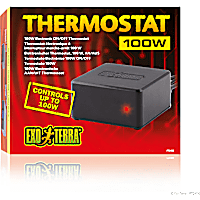
Exo-Terra Reptile Habitat Thermometers & Thermostats
Get It Today



Related Searches
Related Articles & Questions
- Care Sheets
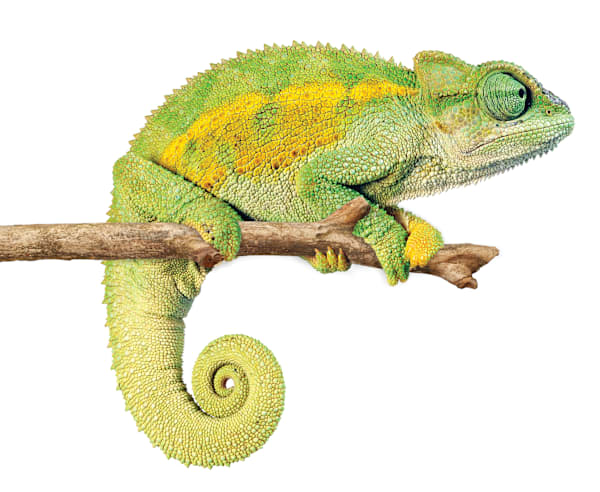
Cool Climate Chameleon Care: Habitat, Food, Health & Setup Secrets
Learn how to care for cool climate Chameleons, recommended diet & habitat setup. Find the right food, supplies & equipment at your neighborhood Petco.
Updated on April 9th, 2026
- Care Sheets
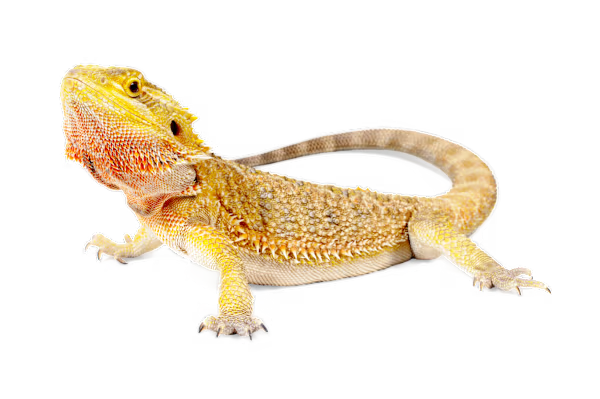
Arid Lizard Care: Expert Tips for Optimal Habitat, Diet & Health
Learn how to care for arid lizards, recommended diet & habitat setup. Find the right food, supplies & equipment at your neighborhood Petco.
Updated on April 9th, 2026
- Care Sheets
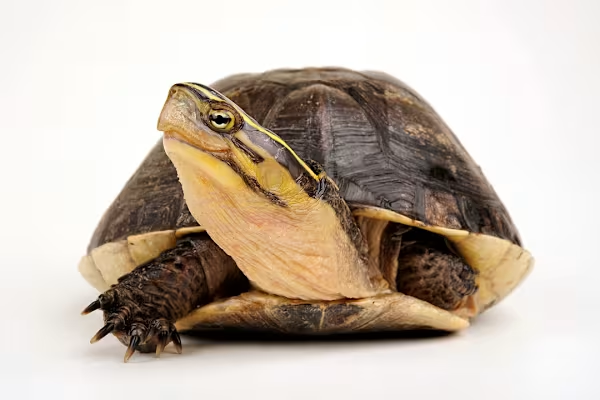
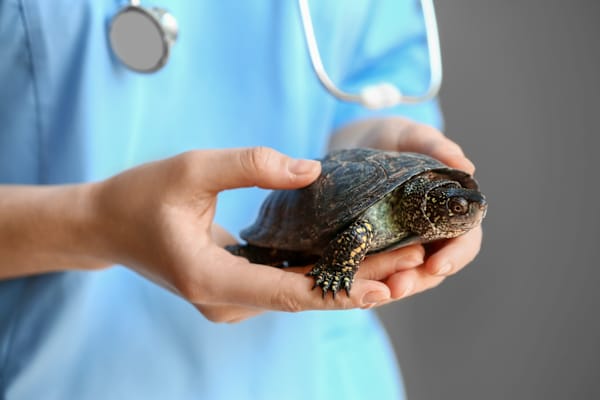
Terrestrial Turtle Care Guide: Food, Habitat, & Setup for a Happy Pet
Learn how to care for terrestrial turtles, recommended diet & habitat setup. Find the right food, supplies & equipment at your neighborhood Petco.
Updated on April 9th, 2026
- Care Sheets
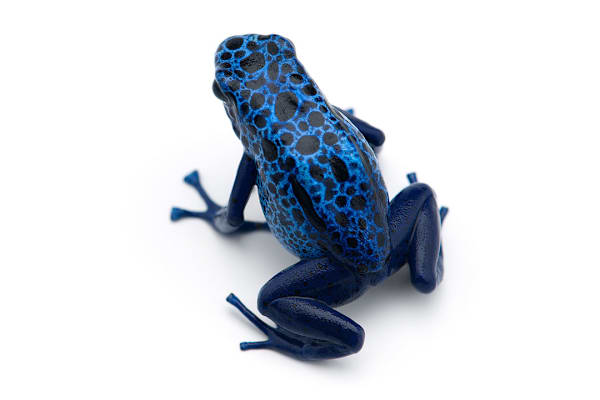
Master Terrestrial Frog Care: Habitat, Diet & Health Secrets
Learn how to care for small Terrestrial Frogs, recommended diet and habitat setup. Find the right food, supplies and equipment at your neighborhood Petco.
Updated on April 9th, 2026
- Care Sheets
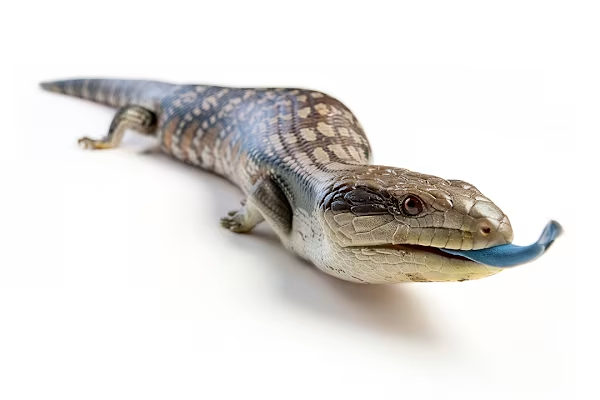
Tropical Skink Care: Habitat, Food, Health & Handling Guide
Learn how to care for Blue-Tongued Skink, recommended diet and habitat setup. Find the right food, supplies and equipment at your neighborhood Petco.
Updated on April 9th, 2026
- Food & Nutrition
How to feed a red ear slider with pyramiding & choose a heat lamp?
A proper diet for red-eared sliders includes a complete pellet, such as those made by ReptoMin, and dark leafy green vegetables. This can be fed once per day, and the amount should be based on how many pellets Cooper can eat in 5-7 minutes. This is just a guideline, and your veterinarian can help you to determine if this is appropriate based on Cooper's body condition score (i.e. whether she is overweight or not). For a heat lamp - photo 1 just looks like the dome, and there doesn't appear to be a bulb in it. The second lamp looks like it is a daytime only heat lamp - it is often beneficial to have a heat source that can be used during the day or at night, and if that is what you are looking for, I would recommend a ceramic heat bulb. If you are looking for only a daytime basking bulb, there are many brands that would be appropriate. The key words that you should look for are "daytime basking bulb." For watts - it depends on how far the bulb is away from your turtle - there are some brands that have a chart on the side of the box that will give you distances and temperatures that correlate with the distance. This information, combined with your desired temperature for the basking area will help you to decide on what wattage to get. I hope that gives you more information!
Updated on September 24th, 2025
- Home & Habitat
What wattage bulb is ideal for a ball python's 20-gallon basking spot?
Use whatever wattage bulb will attain a 90F to 96F basking spot. Usually an 80 or 100 watt bulb on a dimmer switch, easily purchased at most home improvement stores, will get the desired results. Be sure he cannot come into contact with the bulb as this can result is serious burns or injury. No nighttime lighting is required. A 12-14 hour light cycle is recommended.
Updated on September 24th, 2025
- Vet Q & A
Are heat pads safe for bearded dragons and how should I use them?
Under a surface heat pads are good for helping them thermoregulate. There is only a risk of being burnt if directly exposed to the heat source (i.e. hot rocks). It's important that the heat pad is only under a portion of the enclosure not to exceed 50% of the surface. You always want a cool side of the enclosure and a warm side, so Loki go where is best for him. Make sure the heat pad is not too hot (if it's too hot for your skin, then it's too hot for him). I've found they do well when the heat pad is on a medium, or mild setting depending on the ambient temperature and eclosure. It may take a little experimenting to see what temperature seems best for him. I hope that helps and all is well with Loki.
Updated on September 24th, 2025
- Home & Habitat
How to warm up a leopard gecko tank when the heat mat isn't enough?
Thanks for reaching out about Sushi. Adding a heat lamp to bring the temperature the rest of the way up is recommended. This should be put on a rheostat so the temperature can be fine tuned. Good luck.
Updated on September 24th, 2025
- Health & Wellness
My lizard is shaking and won't eat. What should I do to help?
Check the temperature in his enclosure. Low temps can affect appetite in reptiles. If he isn't eating or not exposed to high quality UVB lighting, he can become calcium deficient which could account for the tremors. If he is less than 30 inches long, confirm a basking temp of around 115 F. If he is bigger, bump basking temp to between 125 F and 135 F. Multiple lower wattage lights over a larger area are recommended over one high intensity light source. Try to get him to eat and offer a calcium supplement. If you can get a liquid supplement, that would be best right now. Zoo Med and Fluker's offer such a supplement.Soak him in a warm 50/50 solution of water and unflavored PediaLyte to treat or prevent minor dehydration. if he doesn't eat or if the tremors worsen, have him examined by your veterinarian or a vet experienced in treating reptiles as soon as possible.
Updated on September 24th, 2025