Two Easy Ways to Start Earning Rewards!
Earn 2X Pals Rewards points at Petco
when you use Petco Pay!
Get It Today
Learn how to care for tropical lizards, recommended diet & habitat setup. Find the right food, supplies & equipment at your neighborhood Petco.
Updated on April 9th, 2026
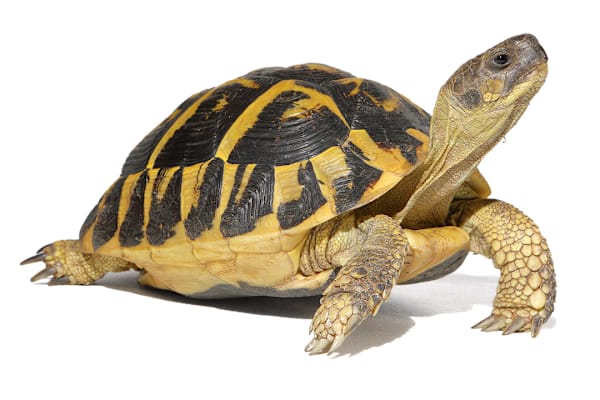
Learn how to take care of your Hermann's Tortoise, tank size, diet & habitat setup. Find the right food, supplies and equipment at your neighborhood Petco.
Updated on April 9th, 2026
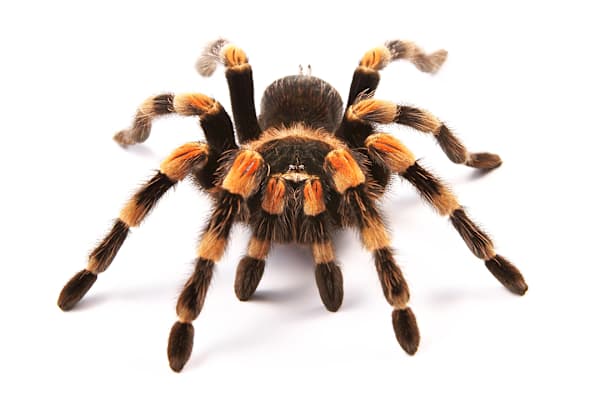
Learn how to take care of Tarantulas, recommended diet and housing setup. Find the right food, supplies and equipment at your neighborhood Petco.
Updated on May 18th, 2026
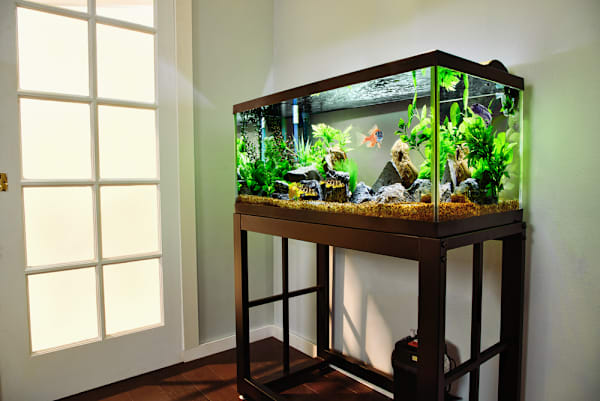
We can help you navigate your way through all the types of lights in fish tanks and determine which type is best for your aquarium.
Updated on June 19th, 2026
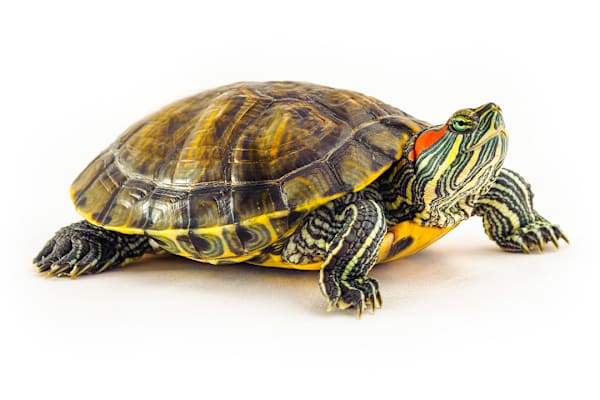
Learn how to care for aquatic turtles available at Petco. Care Sheets provide you with essential info on how to best take care of these interesting pets.
Updated on July 26th, 2026
Here are some tips on how to care for pets who require continuous heat, such as reptiles and snakes: - Before a power outage, if possible, buy a generator. This will allow you to keep your reptiles warm during the outage. - Amphibians will do okay without heat for a period of time. Try to limit the number of times you open the habitat. - For a heat source, you can go to your local sporting goods store and purchase the heat packs used to warm feet and hands. These can be placed underneath the habitat (just like you would place an electric heating pad). This will allow your reptile to get heat. Do not put the pack into habitat with the reptile. - Another way to warm cold reptiles is to use a pillowcase. Place the reptile gently in the case and place the pillowcase next to your body under your shirt for warmth. - Pillow cases can also be used to transport reptiles if needed. - Do not feed your reptile as they need heat to digest their food. - You can save plastic milk containers and put warm water in them and place in the habitat for warmth. You can heat water on a BBQ grill or your hot water heater. Be careful not to use hot water, as it could burn your reptile. - Be advised that most reptiles will do fine with cooler temperatures; they go into a body slow down, so the temperature change won't hurt them for a short period of time: 24 - 48 hours. - Contact friends that have power and see if you can move your animals to their homes. - It is important to plan ahead of a power outage and have these items on hand to care for your reptiles. Additionally: Usually, IF a reptile needs to be kept warm during a short outage (few days or less), it is recommended that you place them into a small cooler (those little $5 styro ones can work) in a small container. A plastic shoebox or sandwich container can work, with some air holes. Hand warmers, hot water bottles, etc. can be placed into the cooler as well. This will form a very insulated area with a small amount of volume to heat. Be sure there is ventilation provided, though, as the hand warmers can suck oxygen from the air for the chemical reaction. This is a method that can be carried out for a relatively long period of time if necessary, and a digital thermometer with a probe can be placed in with the reptile and monitored from the outside, so you don't have to open the cooler and let out the warmth to check that the heat packs are still working. In all honesty, though, all but the most tropical reptiles can go a few days with temperatures into the 50's or 60's.
Updated on September 24th, 2025
First i would recommend describing exactly what type of heating system you are using at the moment. this following link might help you: https://blog.onlinegeckos.com/leopard-gecko-heating-temperature-requirement-under-tank-heating-pad-belly-heat-how-to-install-uth-thermostat/
Updated on September 24th, 2025
It does appear to be of the takydromus species. These grass lizards are common and fairly easy to keep. Being adept climbers, more vertical space should be offered in an enclosure. Branches and vines can be placed for climbing. Bring reptiles, they need an external heat source and UVB lighting. Daytime temps can range from 24 C to 30 C (75-85 F). Provide a basking spot of around 35 C to 38 C (95-100 F) using a heat lamp. Aim for 70-80% humidity. Provide a shallow bowl for water. Mist the cage daily. Feed appropriately sized prey, no bigger than the space between the eyes, that have been gutload for 24 hours prior to offering. This will maximize nutritional value. Crickets, mealworms, dubia roaches, waxworms or wingless fruit flies can all be offered. Dust prey with a calcium supplement and a multivitamin supplement several times weekly. Ideally, the wound should be addressed by a veterinarian experienced in treating reptiles. You can clean it with dilute Betadine or chlorhexidine solution daily and monitor for redness, bleeding, lethargy or decreased appetite.
Updated on September 24th, 2025
Ideally, a 10 gallon tank is the smallest enclosure that should be used for one anole. You will need a UVB light source as well as a heat lamp. The brown color is likely due to stress. The link below will provide a list of items required as well as information on basic care. http://www.anapsid.org/anole.html
Updated on September 24th, 2025
Under a surface heat pads are good for helping them thermoregulate. There is only a risk of being burnt if directly exposed to the heat source (i.e. hot rocks). It's important that the heat pad is only under a portion of the enclosure not to exceed 50% of the surface. You always want a cool side of the enclosure and a warm side, so Loki go where is best for him. Make sure the heat pad is not too hot (if it's too hot for your skin, then it's too hot for him). I've found they do well when the heat pad is on a medium, or mild setting depending on the ambient temperature and eclosure. It may take a little experimenting to see what temperature seems best for him. I hope that helps and all is well with Loki.
Updated on September 24th, 2025