Two Easy Ways to Start Earning Rewards!
Become a member today! Members-only pricing and offers, personalized care notifications, Vital Care points back on every purchase and more!
 Become a credit card member today!
Earn 2X Pals Rewards points at Petco
when you use Petco Pay!APPLY NOWLearn More About Petco Pay Benefits
Anglerfish & Frogfish


Related Searches
Related Articles & Questions
- New Pet
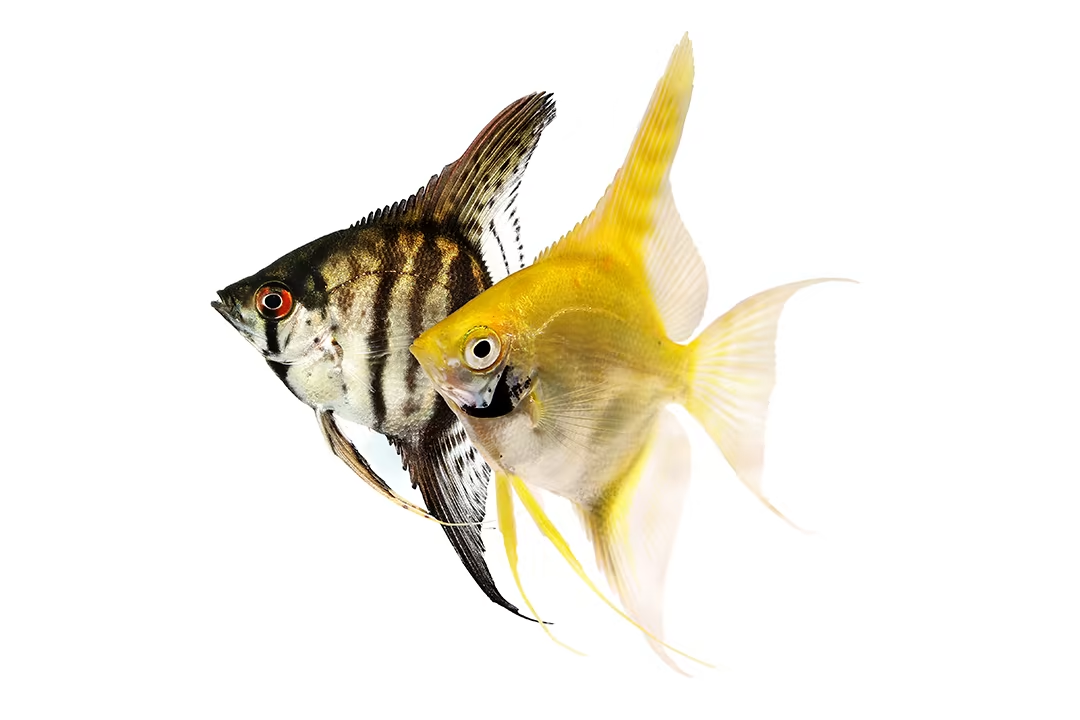
Freshwater Angelfish Care: Tank, Food, & Happy, Healthy Fish
Learn how to care for angelfish, recommended diet and aquarium setup. Find the right food, supplies and equipment at your neighborhood Petco.
Updated on November 13th, 2025
- New Pet
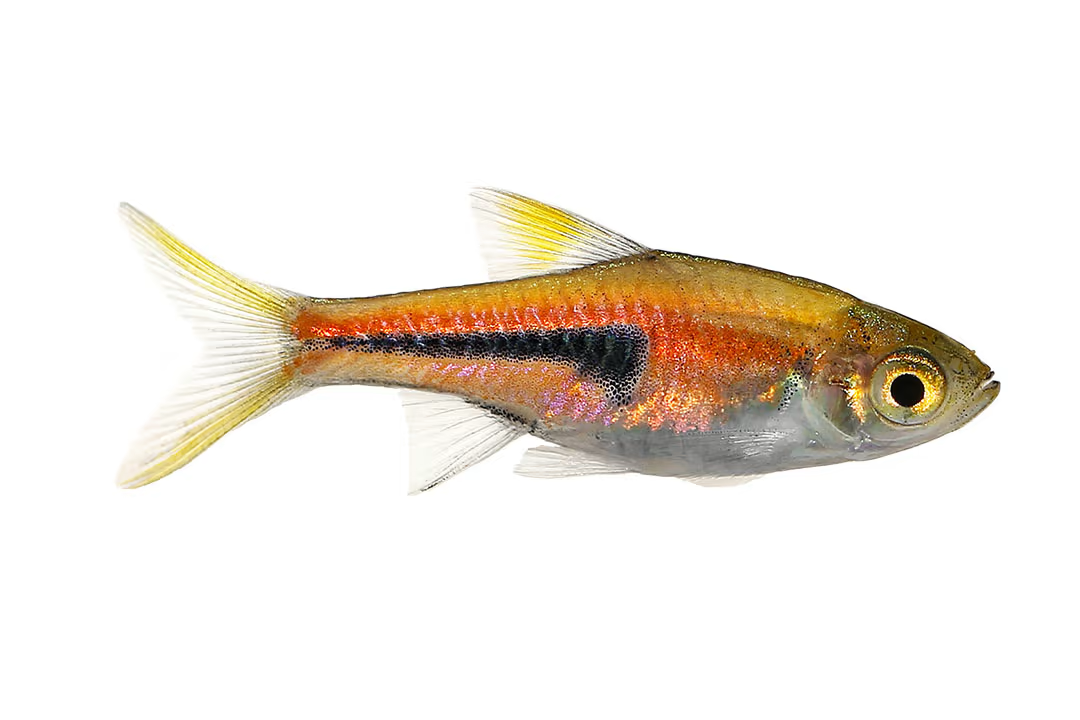
Freshwater Semi-Aggressive Fish: Top Secrets for a Thriving Tank
Learn how to care for semi-aggressive fish, recommended diet & aquarium setup. Find the right food, supplies & equipment at your neighborhood Petco.
Updated on November 13th, 2025
- New Pet
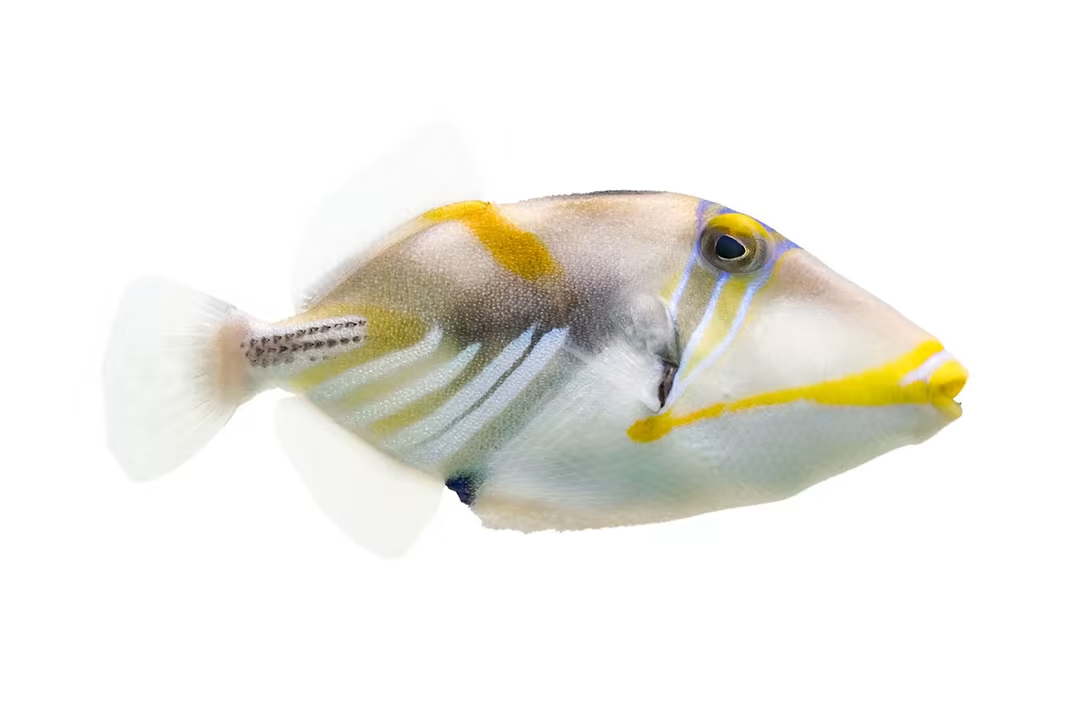
Triggerfish Care: Tank, Diet, & Compatibility for Aggressive Fish
Learn how to take care of triggerfish, recommended diet and tank setup. Find the right food, supplies and equipment at your neighborhood Petco.
Updated on November 13th, 2025
- New Pet
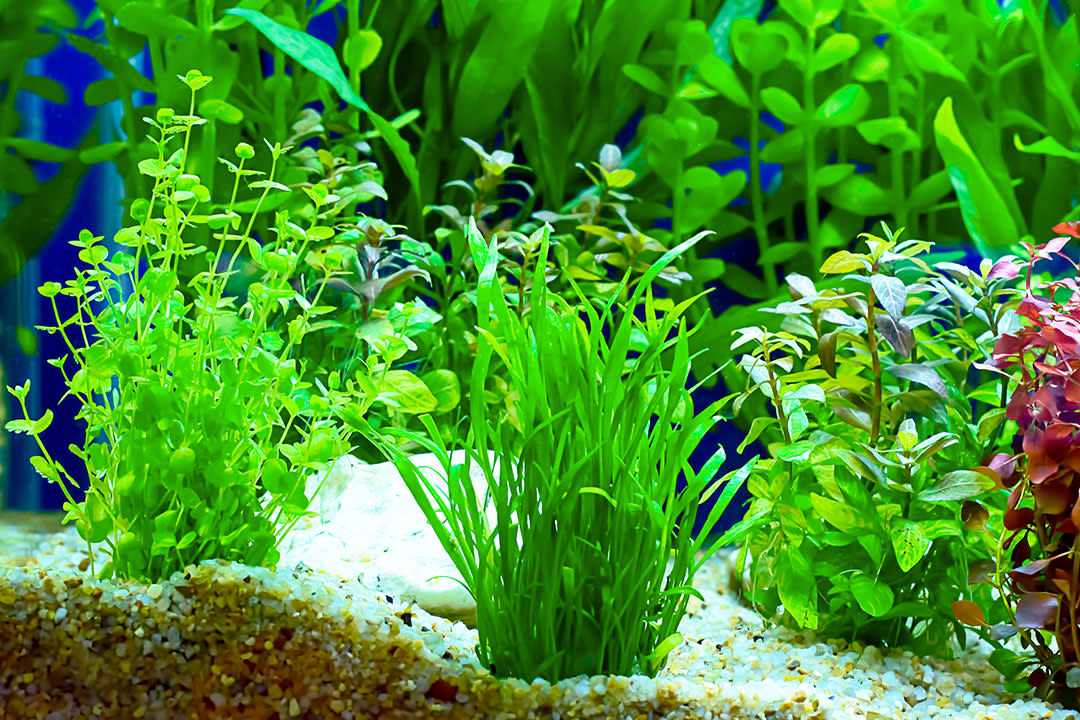
Master Aquatic Plant Care: Lush Aquarium Plants & Happy Fish
Tanks with live plants can be excellent additions to your home, bringing a touch of nature indoors. Learn how to take care of aquatic plants.
Updated on November 13th, 2025
- New Pet
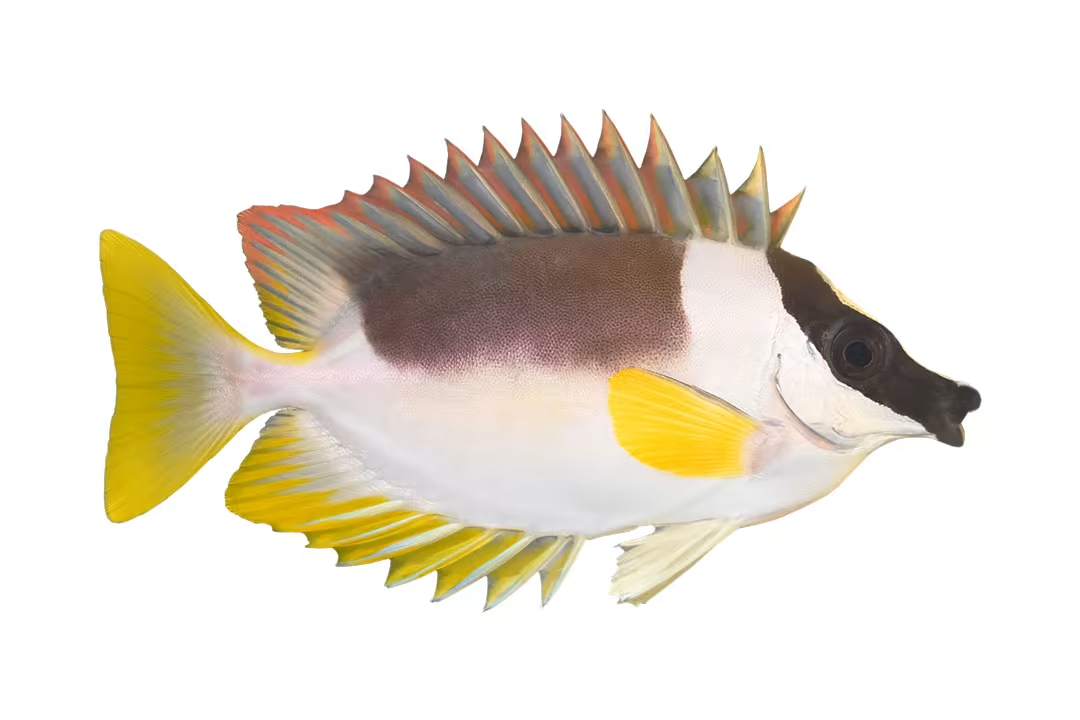
Foxface & Rabbitfish Care: Tank, Food, Compatibility, & Venomous Spines
Learn how to care for Foxface fish & Rabbitfish, recommended diet and aquarium setup. Find the right food, supplies and equipment at your neighborhood Petco.
Updated on November 13th, 2025
- Health & Wellbeing
So I have been thinking about getting a new caged animal, but am not sure what to get. I am hoping for a fairly easy animal to care for (AROUND the same "hardness level" as care for a Crested gecko), and one that doesn't need tons of (tank or cage) s
The Cowfish, or Longhorned Boxfish, is a marine species that should be kept only by experienced aquarists. When stressed, they can release toxins into the water which may harm tank mates. Pacman frogs, leopard geckos, corn snakes or bearded dragons are all easy to keep.
Updated on August 12th, 2025
- Health & Wellbeing
Hi I recently got six fish and four of them are good but two of them which are the same type of fish haven't eaten anything ever since I got them I don't know if it's the food. And one seems lost and keeps bumping into the tank and they usually stay
The fish pictured are incompatible in the same tank. Angelfish (black ones) are tropical fish and do best in temps between 73 F and 84 F. Goldfish (white and orange) are cold water fish thriving in temps between 65 F and 72 F. It also appears as if one of your angels has some damage to a tail fin. This is typically due to fin nipping by other fish. You will need to remove either the angels or the goldfish and place them in a different tank. Check the water chemistry for elevated levels of ammonia or nitrites. This can occur in an uncycled tank or a tank that is overstocked. Partial water changes (30-50%) daily can decrease toxin levels. Use only aged or conditioned water that is temperature matched to prevent stress or shock. Confirm your filter is rated for at least twice the water volume of the tank, especially for the goldfish. The links below provide additional information for care of angels and goldfish. http://aquariumtidings.com/angelfish-care/ http://aquariumtidings.com/al
Updated on August 12th, 2025
- Health & Wellbeing
Hello I had an African dwarf frog die 2 days ago and another one is dying right now. My water is normal except my nitrates got up to about 40 so I did a 50% water change and they are at10-20 now. This frog seems to have sores and be bloated. What can
Maintain pristine water quality in the main tank and monitor the fish for similar symptoms. A bit of aquarium salt ( not table or Epsom salt) can be used as a general tonic to reduce stress, improve gill function, treat minor infection and aid in recovery. Dissolve 1 teaspoon of salt per gallon of water in a cup or two of tank water and gently pour it into the tank. Treat for no more than two weeks then perform partial water changes to decrease salinity. Use only conditioned water that is temperature matched to prevent stress or shock. I am sorry for the loss of your frog. Your remaining ADF sounds quite ill by your description. Again, maintain pristine water quality in the quarantine tank with a water temp of 78 F. ADFs, and amphibians in general, ate quite sensitive to changes in water chemistry. Elevated ammonia or nitrite levels can kill. Other possibilities for the bloating include improper diet, obstruction or kidney failure. You can try a fast for a couple days along with sa
Updated on August 12th, 2025
- Health & Wellbeing
I went on vacation and put a vacation feeder in the tank when I came home his tank was a sandy color. After cleaning his tank complete I put him back in and after that he hasn't been the same going on a week with out eating. What did I do wrong? Now
Check the water chemistry. Confirm ammonia and nitrite levels are 0.25ppm or less and nitrates are 40ppm or less. Use a liquid test kit or submit a sample for testing. Most pet stores or aquarists will do this for free or for a small fee. Partial water changes, about 30% can be done to decrease high levels. Use only aged or conditioned water that is temperature matched to prevent further stress or shock. My preferences for water conditioning are AmQuel Plus and NovAqua in addition to StressCoat. Confirm water temperature between 78F and 80F. You can soak pellets in some garlic juice to stimulate his appetite.
Updated on August 12th, 2025
- Health & Wellbeing
Hi, I just got a fish from a friend and I don’t rlly know anything about that fish, it’s rlly small(about 4cm) and I want to know the breed of the fish and how to take care of it. Thanks you
Thanks for reaching out about you fish. It is believed to be a Comet goldfish. Water quality and nutrition is the key to success. Testing water parameter for pH, ammonia, nitrite and nitrate will give you guidance for a healthy environment. Purchased food should be rotated out every 3 months as vitamin C and other nutrients degrade over time. Trying to maintain water temperature can be challenging with out a heater, but most fresh water fish tolerate some changes. Good luck.
Updated on August 12th, 2025