Two Easy Ways to Start Earning Rewards!
Earn 2X Pals Rewards points at Petco
when you use Petco Pay!
Get It Today
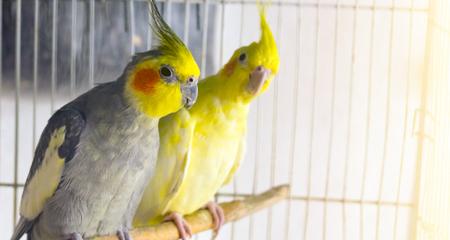
Regular cleaning and disinfection of a bird cage and accessories is one of the keys to keeping a bird healthy. Learn how to clean a bird cage, what to wear.
Updated on November 13th, 2025
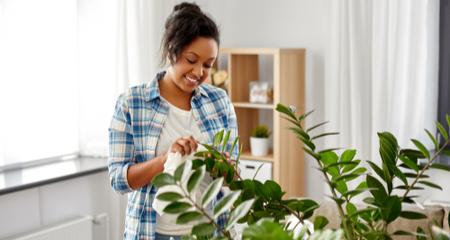
Review a description of the toxic or poisonous plants for birds, and a listing of plants considered safe for pet birds.
Updated on November 13th, 2025
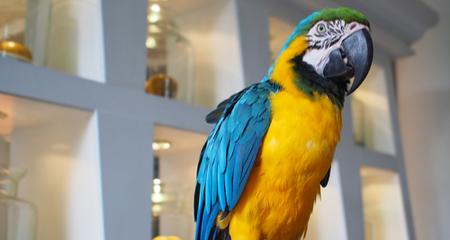
Parrots and other birds use body language to communicate contentment, excitement, greetings, anger, distress warnings, illness, and territorial defense.
Updated on November 13th, 2025
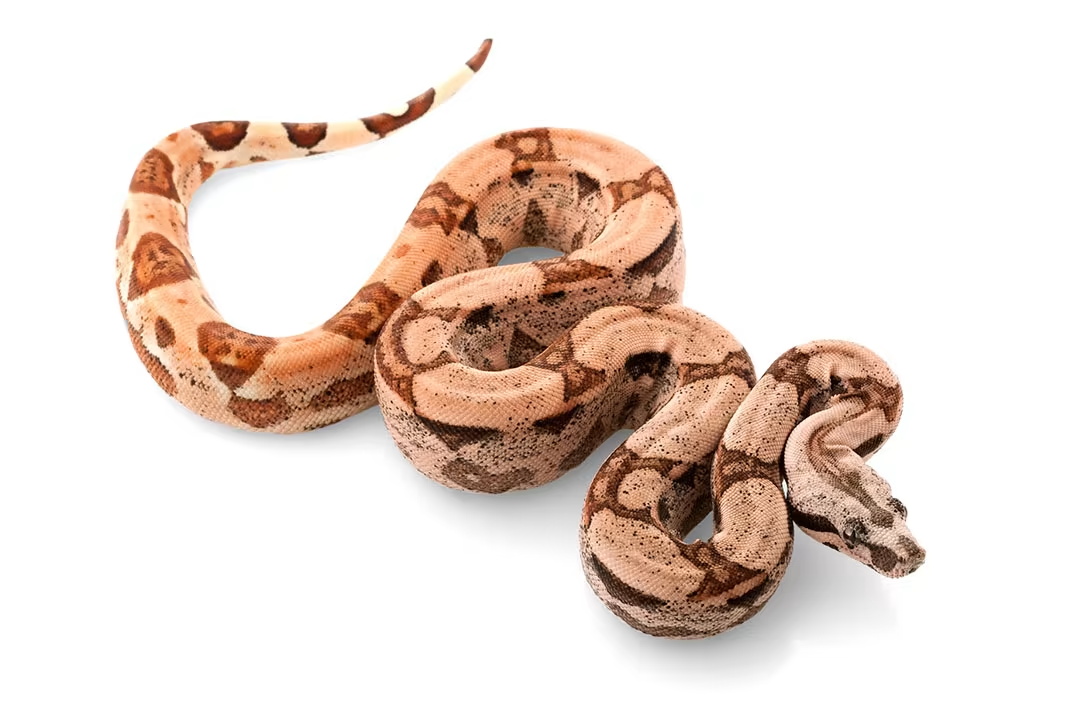
Learn how to care for Boas, recommended diet & habitat setup. Find the right food, supplies & equipment at your neighborhood Petco.
Updated on November 13th, 2025
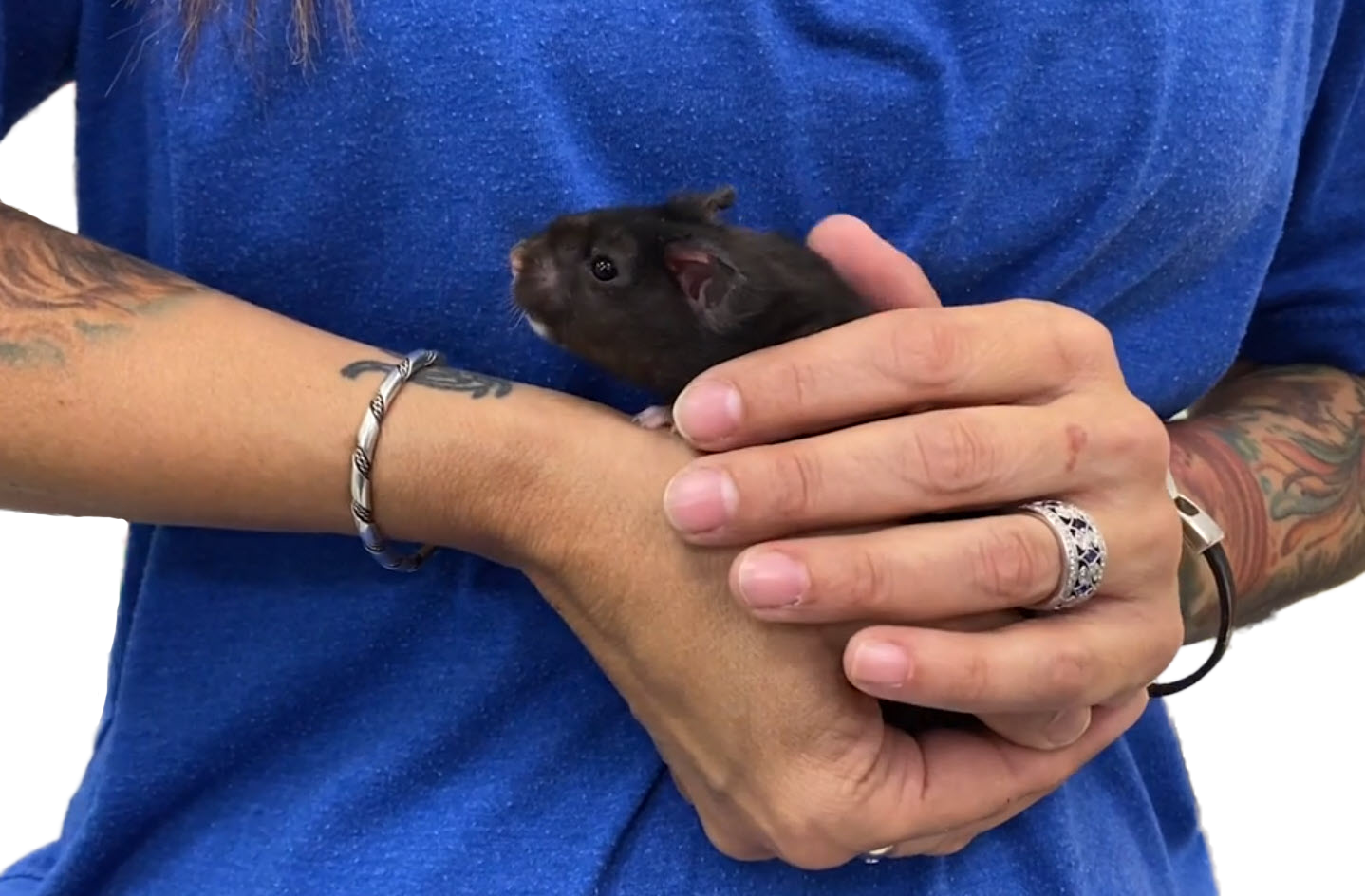
Learn about hamster habitats, bedding and nesting which will help your hamster to live a long and happy life.
Updated on November 13th, 2025
Hello again! These items look great for King, but the bag is correct - generally, parakeets and parrots should be fed a pellet-based diet to avoid fatty liver disease. Seed diets are high in fat (even without the sunflower seeds), so should be given as a treat supplementally only. Millet should also be given in moderation. Your bird can definitely have fruits, but include some veggies, too! Grapes, apple, banana, broccoli, kale, green beans, and peppers can be great for birds. Avoid avocado, apple cores/seeds, cherries (with seeds - seedless are ok) onion, and garlic. Dried fruits are ok too, just avoid the ones that have added sugar. I hope this helps! Good luck with King!
Updated on August 12th, 2025
It looks normal but it is hard to tell 100% from this photo. I recommend you refer to this link/article: ( https://vcahospitals.com/know-your-pet/birds-abnormal-droppings ) If you are worried you can always have your vet do a fecal test/gram stain. The biggest way to keep your bird healthy is to feed the appropriate diet. I strongly suggest Lafeber diets. I don't know what you are feeding but many people default to seeds but that is not a good diet. ( https://lafeber.com/ ) Hope this helps. Best wishes.
Updated on August 12th, 2025
At his current age, you can start weaning him off of hand feeding formula. Begin to gradually decrease the amount and frequency of feeding. Offer a commercial pelleted diet and a fortified seed mix. Millet sprays can also be offered. Check his crop to ensure he is eating. You can continue to supplement as needed though to prevent weight loss. The droppings look normal for a chick being hand fed. The increased liquid can result in loose stool. Expect the consistency and appearance of droppings to change once the transition to solid food is made. Contact local breeders, bird keepers or even zoos to get information on avian veterinarians that will be able to examine Kiwi if necessary.
Updated on August 12th, 2025
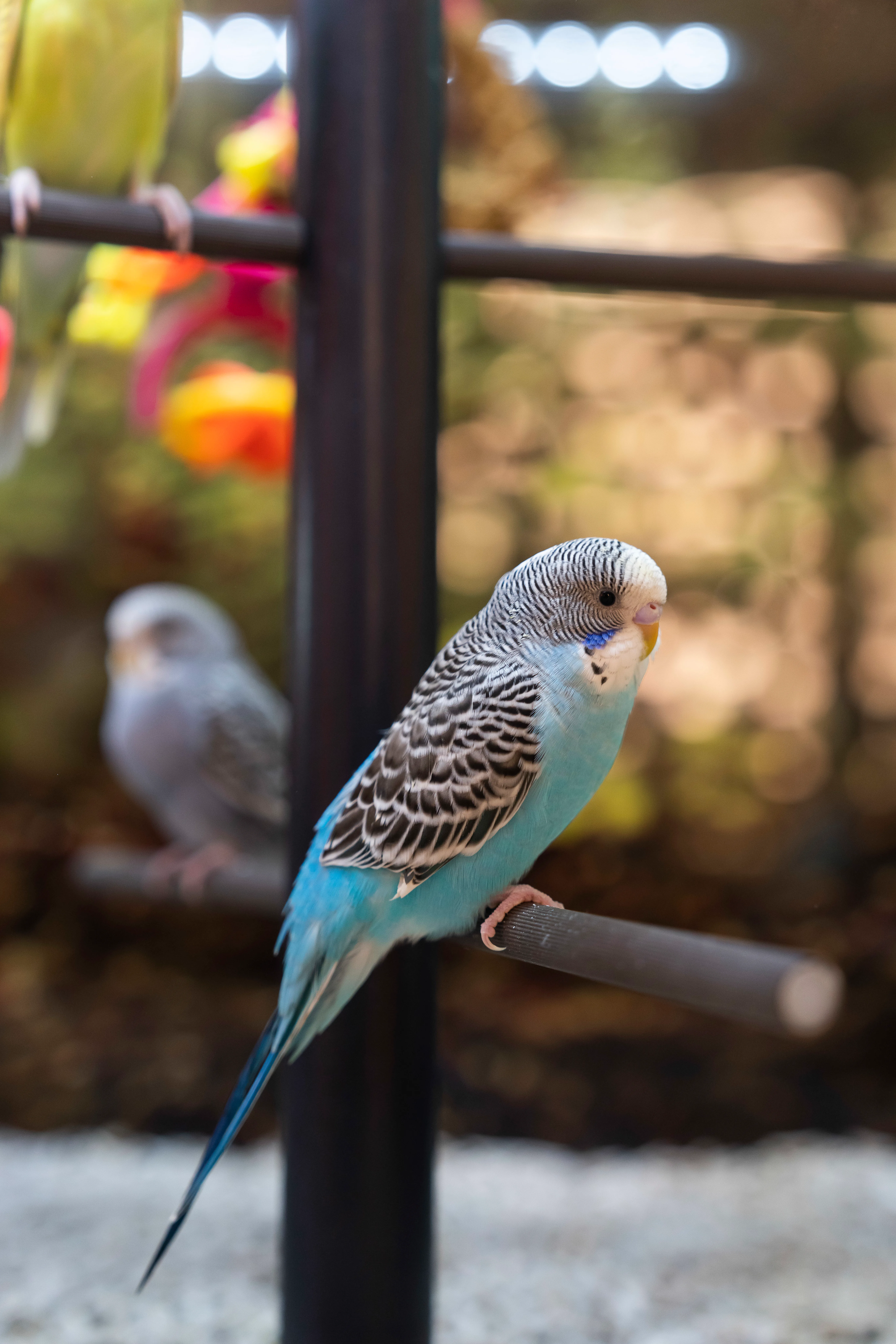
Seeds in the poop happen when your bird's stomach is not grinding up the seeds properly. Budgies and other psittacines do not usually need grit to help with grinding up seeds, they usually shell seeds. I suggest you get a commercially available budgie food for your bird, which will have the correct type of seeds for her to digest properly. If she still has seeds in her poop after feeding commercial food to her for a few days, she needs to be seen by an avian veterinarian for an exam. There are quite a few avian veterinarians in Chandigarh.
Updated on August 12th, 2025
Have her rechecked by your veterinarian or by an experienced avian vet. You can find one here: http://www.aav.org/search/custom.asp?id=1803 Do this sooner rather than later, since by the time a bird is symptomatic, it is usually quite ill. The vet may submit a swab from the mouth for culture and sensitivity. This may identify any infection causing bacteria as well as the most effective antibiotic to use in treatment. Blood work may be submitted to assess major organ function. Do not worry, only a small sample is needed. A stool sample should also be submitted to diagnose intestinal parasites or bacterial overgrowth. In the meantime, clean and sanitize her cage, bowls, toys and perches. Discard anything that cannot be sanitized. Use paper towels on the cage bottom and change them daily. A grate should be used to prevent her from reaching her droppings or fallen food that could be contaminated. Survey the area around her cage for any cold drafts or other negative stimuli. If you use
Updated on August 12th, 2025