Food & NutritionIs Dr. Harvey's food bad? How to fix conure Vitamin A deficiency?
Vitamin A is found in good concentration with foods like mangos, carrots, papaya and other orange-colored fruits and vegetables. Dark, leafy greens also have high concentrations of Vitamin A. All of these are good additions to your parrot's diet. The sugary fruits will often be the favorites, so try not to feed too much of these. They will fill up on these and not eat the other nutritious, yet less appealing, foods that are available.
You can start adding these to the diet anytime now.
I did not know much about Dr. Harvey's bird food, so I had to do a little research. The first place I visited was the website and I came away with some issues about this food. The first thing I noticed was that the food was heavy with nuts and seeds. These foods are dense with fats that can be unhealthy for a bird to eat as their sole diet. I read the bio page and it claims that Dr. Harvey is a nutritionist with over 30 years of research in the product. However, none of the research is available on the website and Dr. Harvey's credentials are not given. On further research I found out that Dr. Harvey is a chiropractor. I have not seen any of his nutrition credentials yet (nutritionist usually refers to someone with a PhD in nutrition).
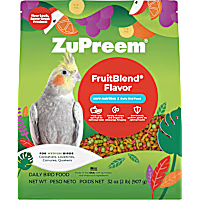
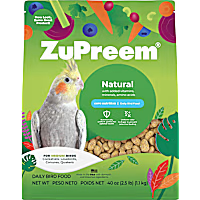
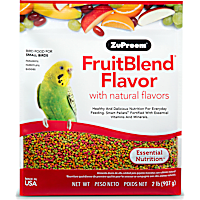
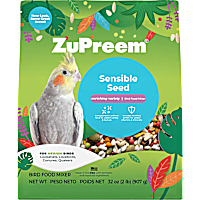
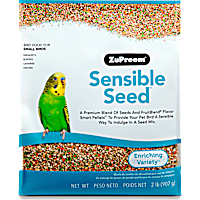
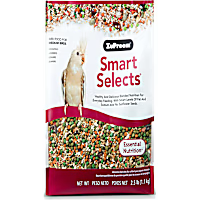
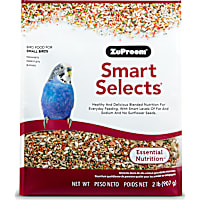
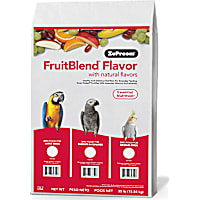
I understand your desire to feed natural foods, but I'm not convinced the Dr. Harvey's food mimics a natural diet. In fact, I seriously doubt it does, or the supportive research would be proudly placed on the website. Zupreme is a diet that I often recommend to clients, because it is actually based on research into the nutritional requirements of birds. It is also labeled as "natural" and the ingredients list does not show any ingredients that I would consider unnatural.
I recommend feeding the Zupreme again as the majority of her diet. This will ensure the necessary nutrients are available (including vitamin A) and will help to keep Morrow healthy. You can also give fruits and vegetables as treats; or as a meal at certain times of the day (i.e. making a salad for dinner). The Dr. Harvey's food can also be given as treats, but it should not be anymore than 10% of the diet.
I hope that helps and Morrow gets better soon.
Updated on September 24th, 2025


 Members-only pricing and offers, personalized care notifications, Vital Care points back on every purchase and more!
 Become a credit card member today!