Two Easy Ways to Start Earning Rewards!
Earn 2X Pals Rewards points at Petco
when you use Petco Pay!
Get It Today
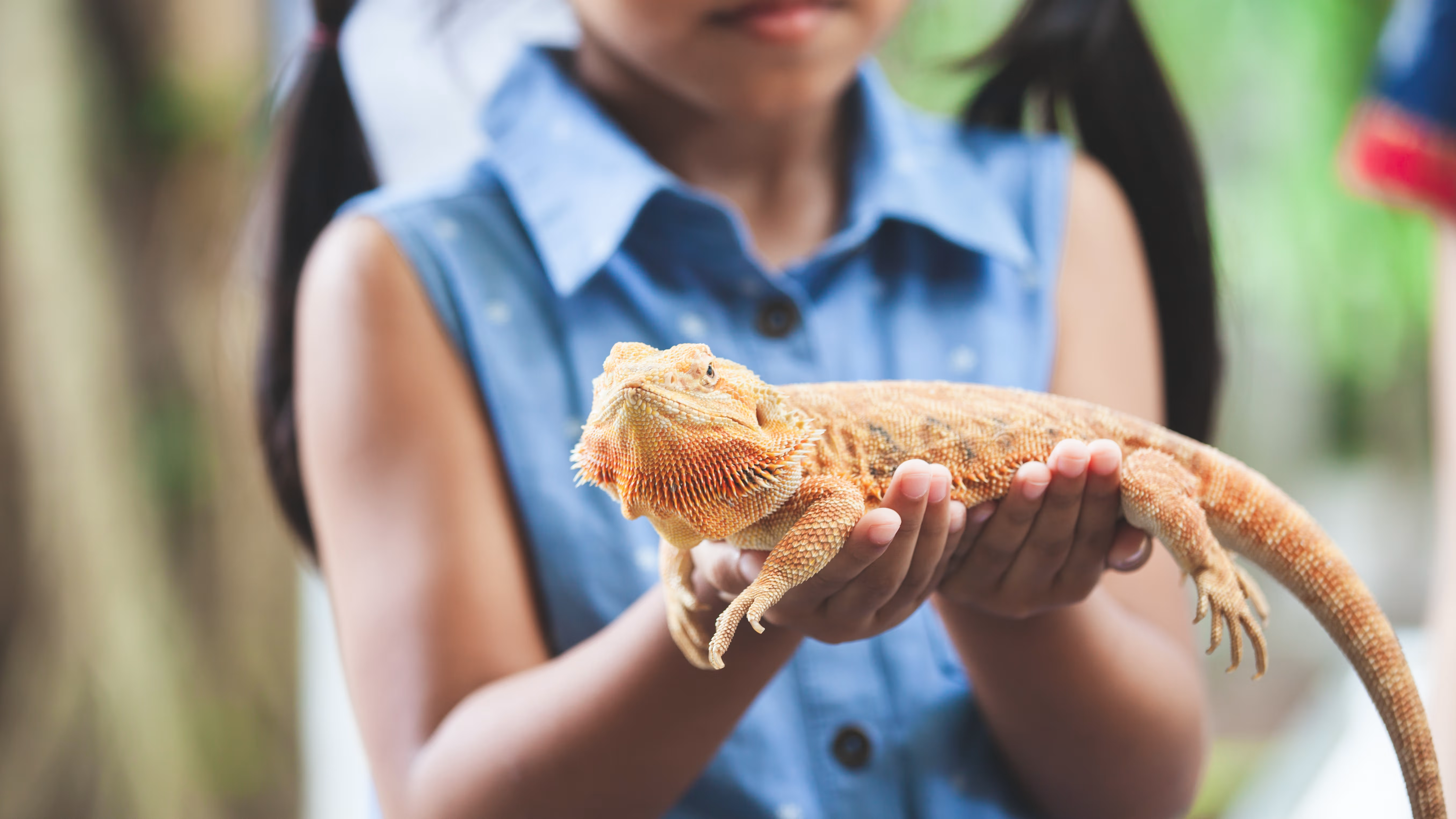
When it comes to reptile habitats, one of the most essential elements to creating a happy home for your pet is including the appropriate type of lighting. Zoo Med helps outline which lights are right for your pet.
Updated on November 13th, 2025
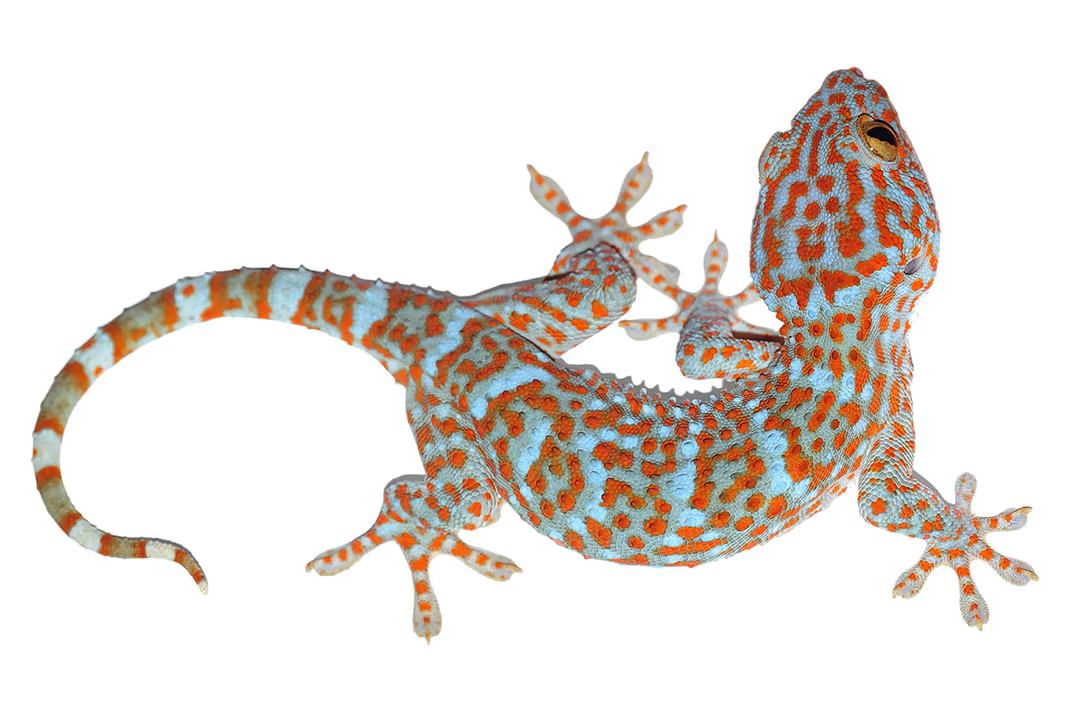
Learn how to care for a Tokay Gecko, recommended diet & habitat setup. Find the right food, supplies & equipment at your neighborhood Petco.
Updated on November 13th, 2025
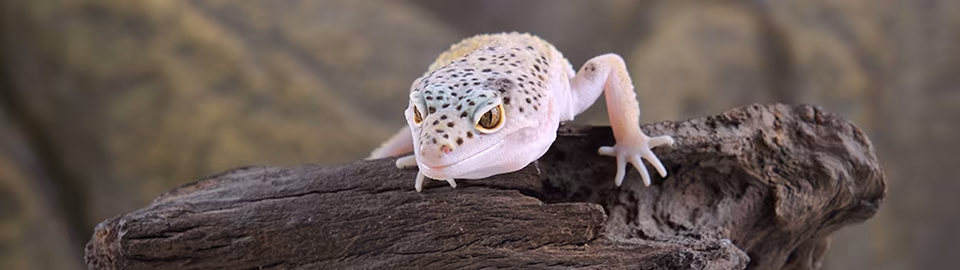
Learn from Petco how to tell if your leopard gecko is overweight. These signs can help prevent health issues like metabolic bone disease and heart failure.
Updated on November 13th, 2025
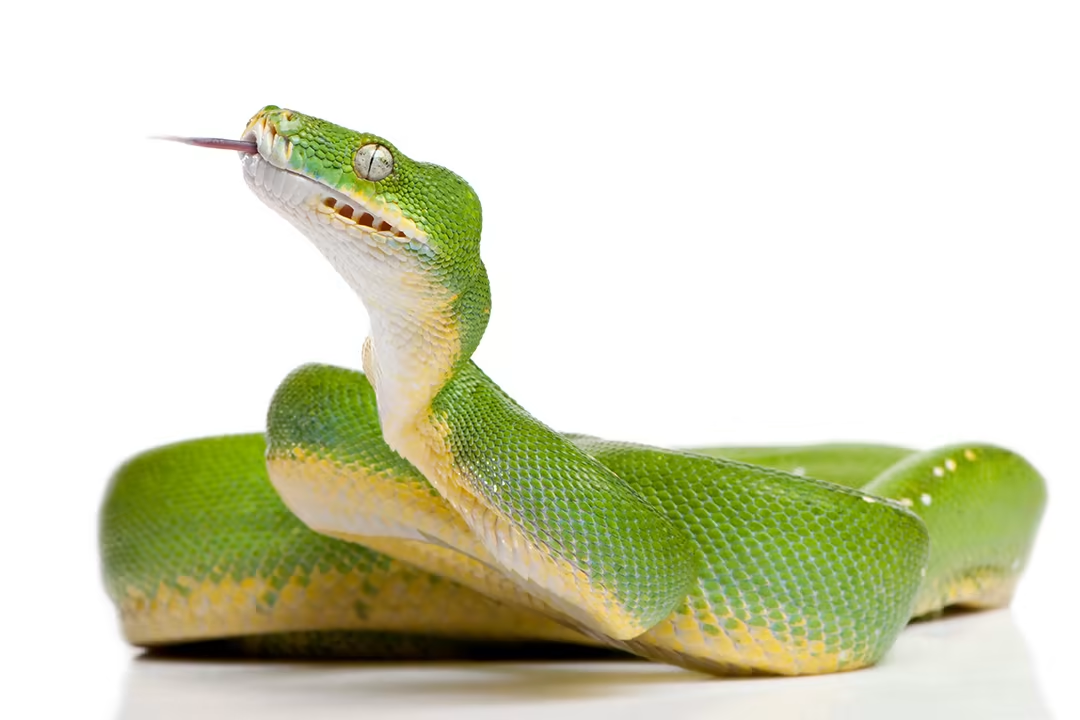
Learn how to take care of your Green Tree Python, tank size, diet & habitat setup. Find the right food, supplies and equipment at your neighborhood Petco.
Updated on November 13th, 2025
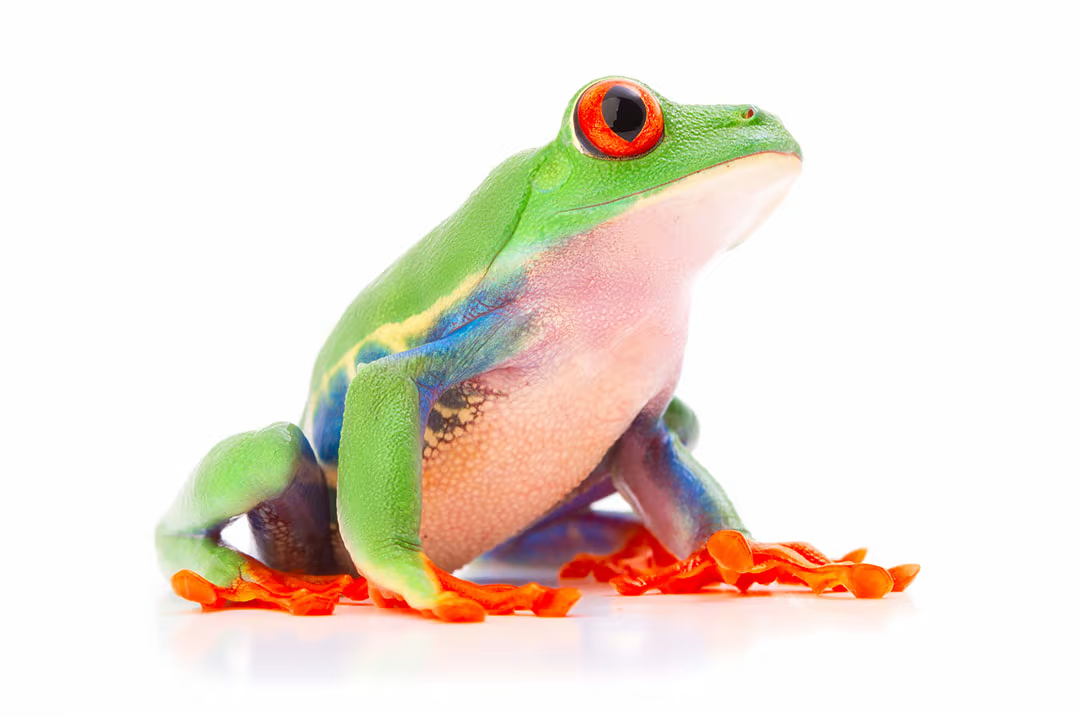
Learn how to care for a Red-Eyed Tree Frog, recommended diet and habitat setup. Find the right food, supplies and equipment at your neighborhood Petco.
Updated on November 13th, 2025
Leopard geckos are great "starter" reptiles. They don't require special lighting (UVB) like other reptiles. A 20 gallon tank is big enough for one. Add a heat source, hides and a water bowl and you are good to go. You can review gecko care at the links below. http://www.reptilesmagazine.com/Care-Sheets/Lizards/Leopard-Gecko/ http://www.anapsid.org/leopardgek.html
Updated on August 12th, 2025
Leopard geckos are nocturnal. He may be more active at night, while you are asleep. They spend most of the day in a secure place, such as the hide you have provided. He should have a hide on each end of the enclosure. Monitor the cage temp, as low temps can affect activity in reptiles.
Updated on August 12th, 2025
Ideally, the UVB light source should run the entire length of the tank. A thermometer/hygrometer should be on each end of the tank to confirm cool and warm sides. Use a digital thermometer to verify temps. Those little ones you have can be inaccurate. Provide a hide on both sides as well. Personally, I would remove the fake grass as it has the potential to cause eye injuries. Your tank looks good otherwise.
Updated on August 12th, 2025
Submit a stool sample o your veterinarian to diagnose intestinal parasites. Clean and sanitize the cage, bowls and tank furniture. Discard anything that cannot be sanitized. Check Gecky's other toes and tail for any stuck shed. This can compromise blood supply, resulting in lost digits. If he has a tough time shedding, soak him or mist him daily during a shed and provide a moist hide at each end of the enclosure. Monitor the foot for swelling, redness, bleeding or discharge. See your vet if necessary to treat infection. A daily soak in diluted betadine or chlorhexidine can keep the area clean. Use plain paper towels as a substrate and change them daily until he is healed.
Updated on August 12th, 2025
Thanks for reaching out about Ruby. The tank needs to be warmed to 95-100 F in the basking area and no place in the tank should drop below 80F at night. UVB spectrum is important as is the proper diet. Anorexia for 3-4 weeks is serious and a veterinary visit is recommended to assess and provide a diagnostic/ treatment plan. Intestinal parasites, infections, malnutrition and others are possible. Good luck.
Updated on August 12th, 2025