Two Easy Ways to Start Earning Rewards!
Earn 2X Pals Rewards points at Petco
when you use Petco Pay!
Get It Today
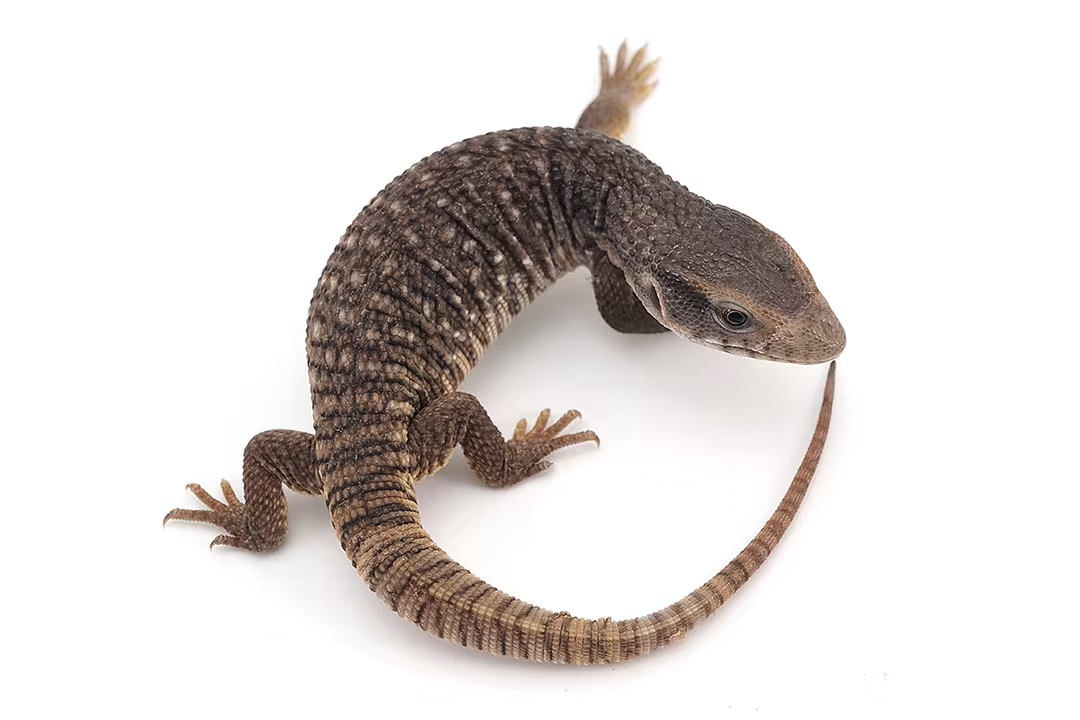
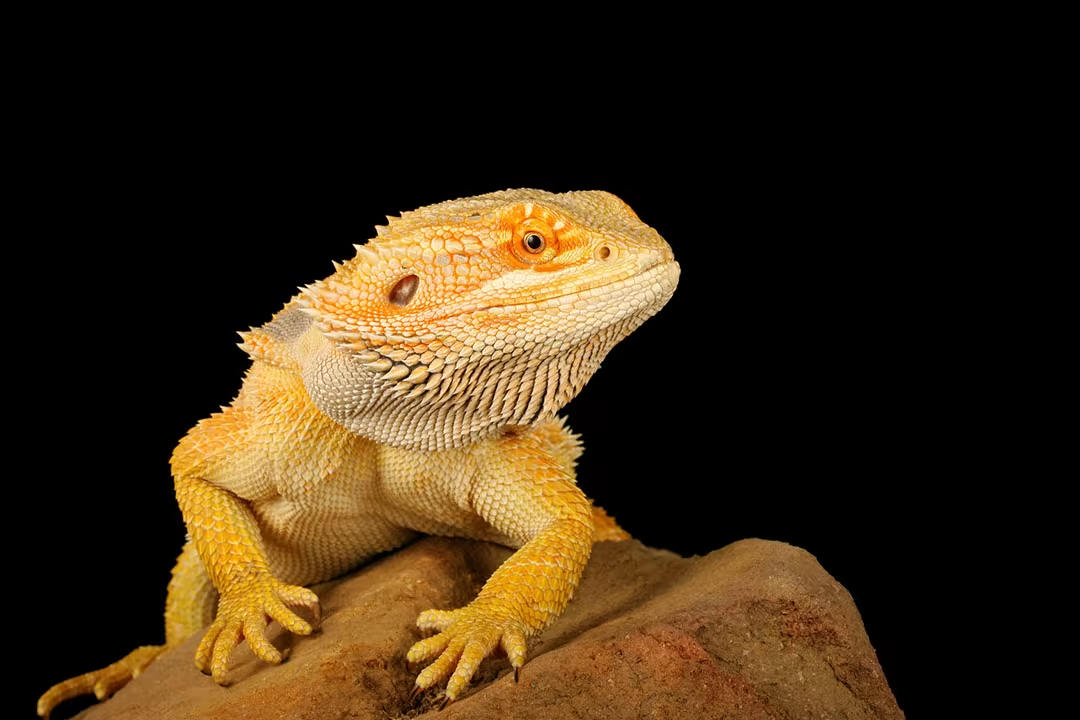
Learn how to care for a monitor lizard, recommended diet and habitat setup. Find the right food, supplies and equipment at your neighborhood Petco.
Updated on November 13th, 2025
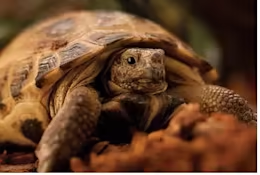
Learn some fun facts about Russian tortoises, available at Petco. There’s lots to learn about these fun and fascinate pets.
Updated on November 13th, 2025
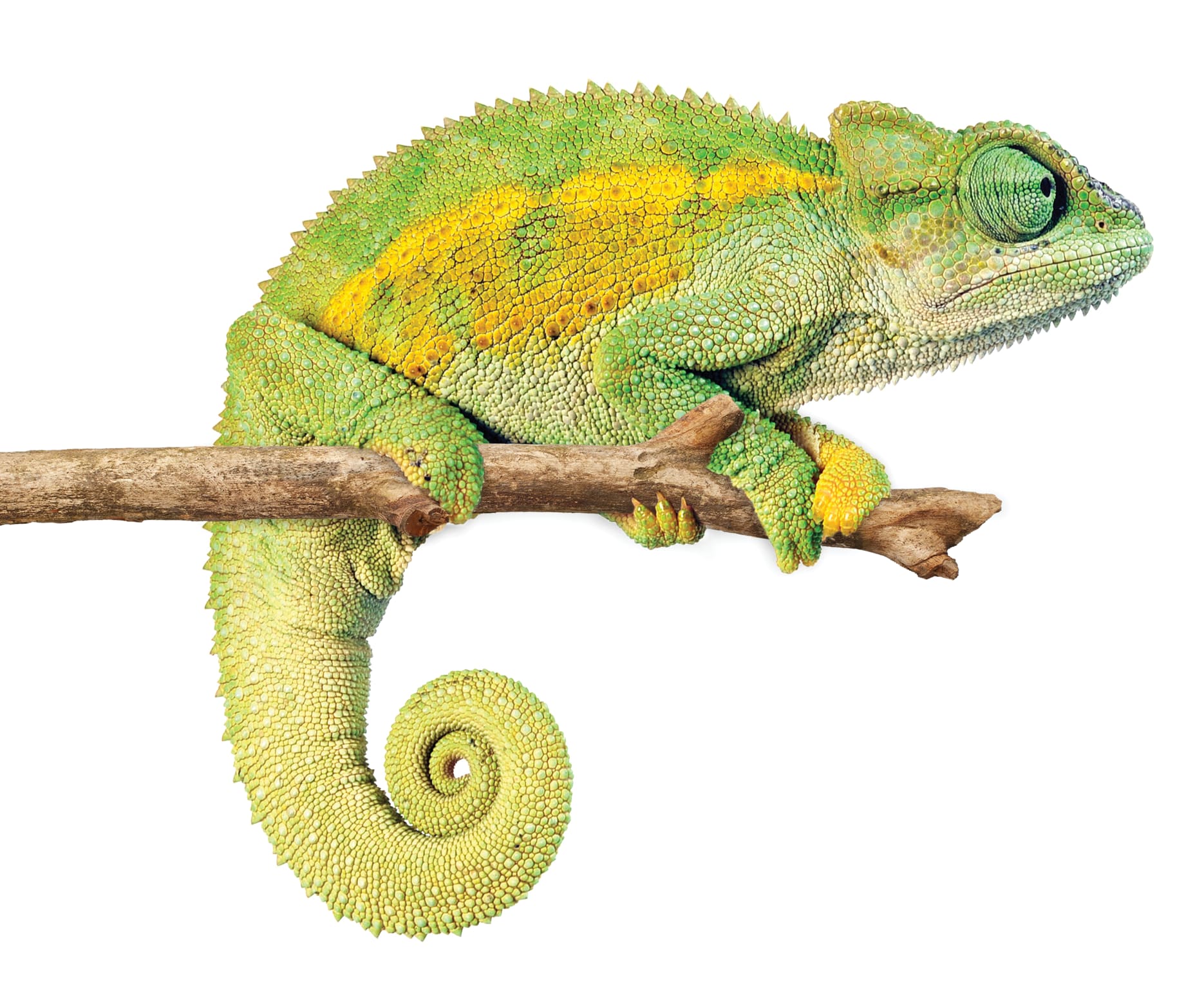
Learn how to care for cool climate Chameleons, recommended diet & habitat setup. Find the right food, supplies & equipment at your neighborhood Petco.
Updated on November 13th, 2025
Read more about our recommendations for preventing the transmission of infectious diseases in reptiles. Keep pets safe with these best practices.
Updated on November 13th, 2025
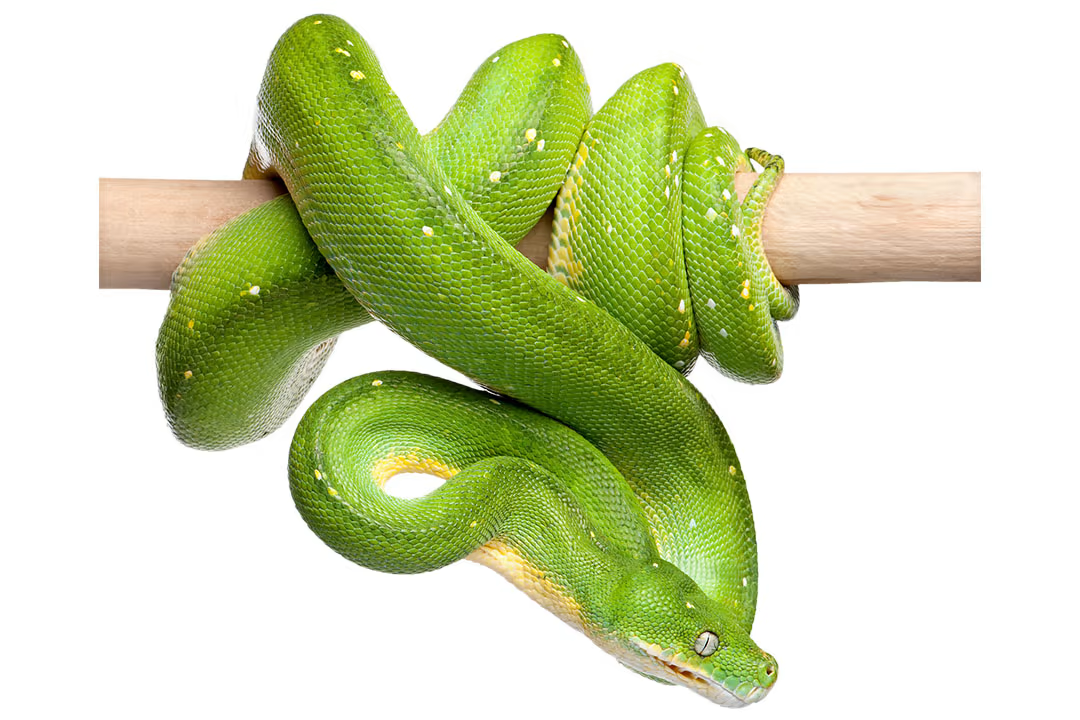
Learn how to care for a Python, recommended diet & habitat setup. Find the right food, supplies & equipment at your neighborhood Petco.
Updated on November 13th, 2025
That hinge on her plastron (bottom shell) is normal. It is supposed to appear "split". That allows her to close up securely when she retracts her head. These turtles do not get as big as other species, but a 10 gallon tank is too small. She also needs a UVB light source. Windows will block most of the sun's beneficial rays. You can find a UVB light source in most pet stores. A popular brand is the ZooMed ReptiSun light. They are good eaters, eating a wide variety of animal protein, plant matter and commercial diets. The link below leads to a care sheet providing additional information. http://www.reptilesmagazine.com/Three-toed-Box-Turtle-Care-and-Information/
Updated on August 12th, 2025
Make sure he is not chilled. Low temps can affect activity in reptiles. A Vitamin A deficiency may be responsible for the eye issues. Feed a good quality commercial diet and supplement with dark, leafy greens and fresh vegetables. Dust food with a calcium and multivitamin supplement several times weekly as well. Provide an adequate UVA/UVB light source that runs the length of the tank. Position it no more than 14 inches away from him. Do not place glass or plexiglass between him and the UVB source. Juveniles normally have a soft shell until about 6-8 months of age when it begins to harden.
Updated on August 12th, 2025
Thanks for reaching out about Malusz. The proper diet will depend on the type of tortoise. Desert, Russian, box, all have different nutritional requirements. If you can follow up with the type of tortoise, exacting diet recommendations can be given. Good luck.
Updated on August 12th, 2025
It does appear to be of the takydromus species. These grass lizards are common and fairly easy to keep. Being adept climbers, more vertical space should be offered in an enclosure. Branches and vines can be placed for climbing. Bring reptiles, they need an external heat source and UVB lighting. Daytime temps can range from 24 C to 30 C (75-85 F). Provide a basking spot of around 35 C to 38 C (95-100 F) using a heat lamp. Aim for 70-80% humidity. Provide a shallow bowl for water. Mist the cage daily. Feed appropriately sized prey, no bigger than the space between the eyes, that have been gutload for 24 hours prior to offering. This will maximize nutritional value. Crickets, mealworms, dubia roaches, waxworms or wingless fruit flies can all be offered. Dust prey with a calcium supplement and a multivitamin supplement several times weekly. Ideally, the wound should be addressed by a veterinarian experienced in treating reptiles. You can clean it with dilute Betadine or chlorhexidine
Updated on August 12th, 2025
Tortoises do best in single housing systems. They live completely alone in the wild. Adding another turtle may cause unnecessary stress, fighting, and potential spread of disease. You can consider adding enrichment for Georgia such as various fresh edible plants or revamping her enclosure.
Updated on August 12th, 2025