Two Easy Ways to Start Earning Rewards!
Earn 2X Pals Rewards points at Petco
when you use Petco Pay!
Get It Today
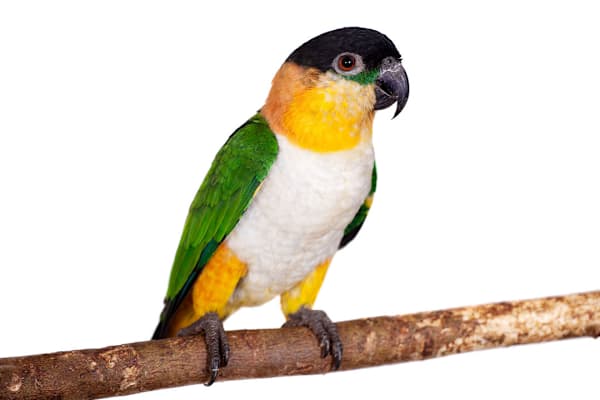
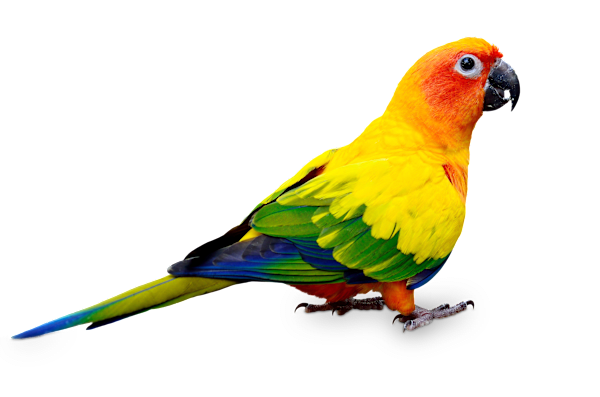
Learn how to care for small hookbill parrots, recommended diet & bird cage setup. Find the right food, supplies & equipment at your neighborhood Petco.
Updated on November 13th, 2025
Learn how to take care of Conures, recommended diet and housing setup. Find the right food, supplies and equipment at your neighborhood Petco.
Updated on November 13th, 2025
Learn more about preventing and stopping unhealthy feather plucking or feather picking as it could lead to serious health problems for your pet bird.
Updated on November 13th, 2025
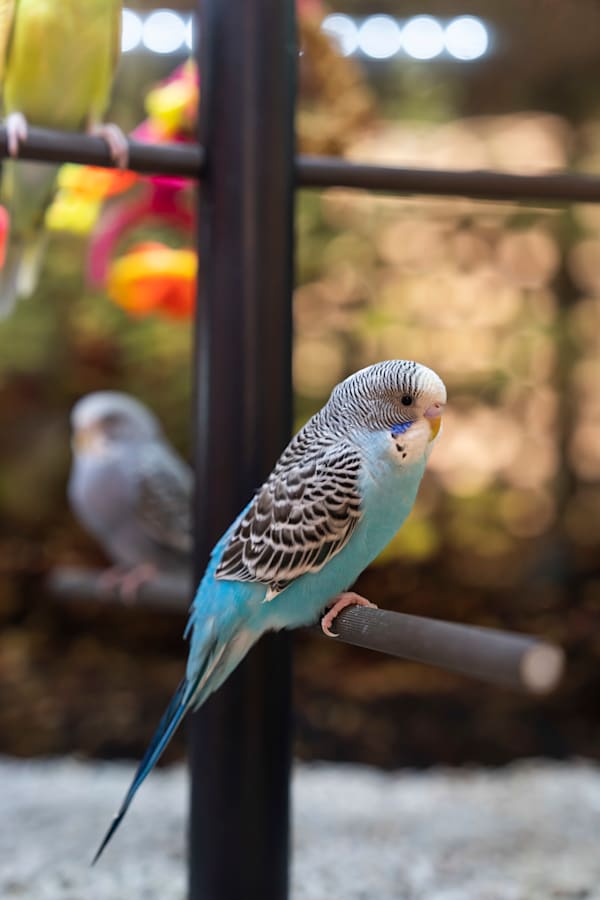
Learn some quick tips for getting your fussy bird to eat full and varied diet that could include birdseed, fruits and vegetables.
Updated on November 13th, 2025
Discover simple ways to be a more sustainable pet parent. Learn eco-friendly tips like using biodegradable litter, buying in bulk, and supporting green pet brands.
Updated on November 13th, 2025
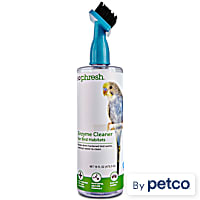
Follow directions for application on the container. Some sprays can be used directly on the bird (avoiding the eyes, nose and mouth), others cannot. Clean and sanitize her cage, bowls, perches and toys. Discard anything that cannot be sanitized. Change the cage paper or substrate daily. Provide a mineral block, pumice stone or cuttlebone to maintain beak length. Your avian veterinarian can trim the beak if necessary. Concrete or textured perches can also be used as they promote healthy feet as well as provide natural beak trimming opportunity.
Updated on August 12th, 2025
Your birds feathers should be thick, glossy and smooth . There should be no bare patches on, under the wings, the back, abdomen tail or vent area. Bare patches can be a sign of feather plucking, poor nutrition and illness. Your bird should have an upright posture with a full-chest appearance. THe eyes should be clear and bright. The nostrils should be open all the way, no blockage and no signs of redness, discharge or sneezing. The beak should be smooth, there should be no growths or rough spots or peeling and it should close perfectly. The feet should have soft scales and not be white-gray. Younger birds have pink gray feet, older ones have white scales. The legs and the feathers around the vent area should be clean without poop stains. The droppings in the cage should not be watery. The urine in the droppings should always be clear, the urates should be white and there should be a brown greenish part of feces also. I hope this helps.
Updated on August 12th, 2025
Check her vent for redness or swelling. Monitor for loose droppings. Submit a sample to your veterinarian to diagnose intestinal parasites or bacterial overgrowth. If she is of egg laying age, have her physically examined by your vet or an experienced avian vet to diagnose or rule out being egg bound.
Updated on August 12th, 2025
If the skin is broken and bleeding, Lemon Drop is at risk for infection. Even if you have no local avian veterinarian, a small animal vet should be able to treat her. A specialist can be consulted online or by phone. The antibiotics and medications used are similar, just the dose is much smaller. A small e-collar (cone) may need to be fashioned to prevent her from plucking. In the meantime, lean and sanitize the cage, bowls, toys and perches. Discard anything that cannot be sanitized. Use paper towels on the cage bottom and change them daily to keep the cage clean. Provide a variety of toys and treats to keep her distracted from picking. Bathe or mist her with warm water a few times a week to promote preening and healthy skin and plumage.
Updated on August 12th, 2025
Thanks for reaching out about Chirp. You'll have to restrain with a soft towel and rinse under warm water in the sink. But this is possibly a bacterial infection, viral disease, metabolic disorder and others, and a veterinary visit is needed to assess and provide a diagnostic/treatment plan. Providing heat support in the 80-85 F range can give some comfort. Good luck.
Updated on August 12th, 2025