

Two Easy Ways to Start Earning Rewards!
Become a member today! Members-only pricing and offers, personalized care notifications, Vital Care points back on every purchase and more!
 Become a credit card member today!
Earn 2X Pals Rewards points at Petco
when you use Petco Pay!APPLY NOWLearn More About Petco Pay Benefits
Petco Marine Fish Aquatic Invertebrates


Related Articles & Questions
- New Pet
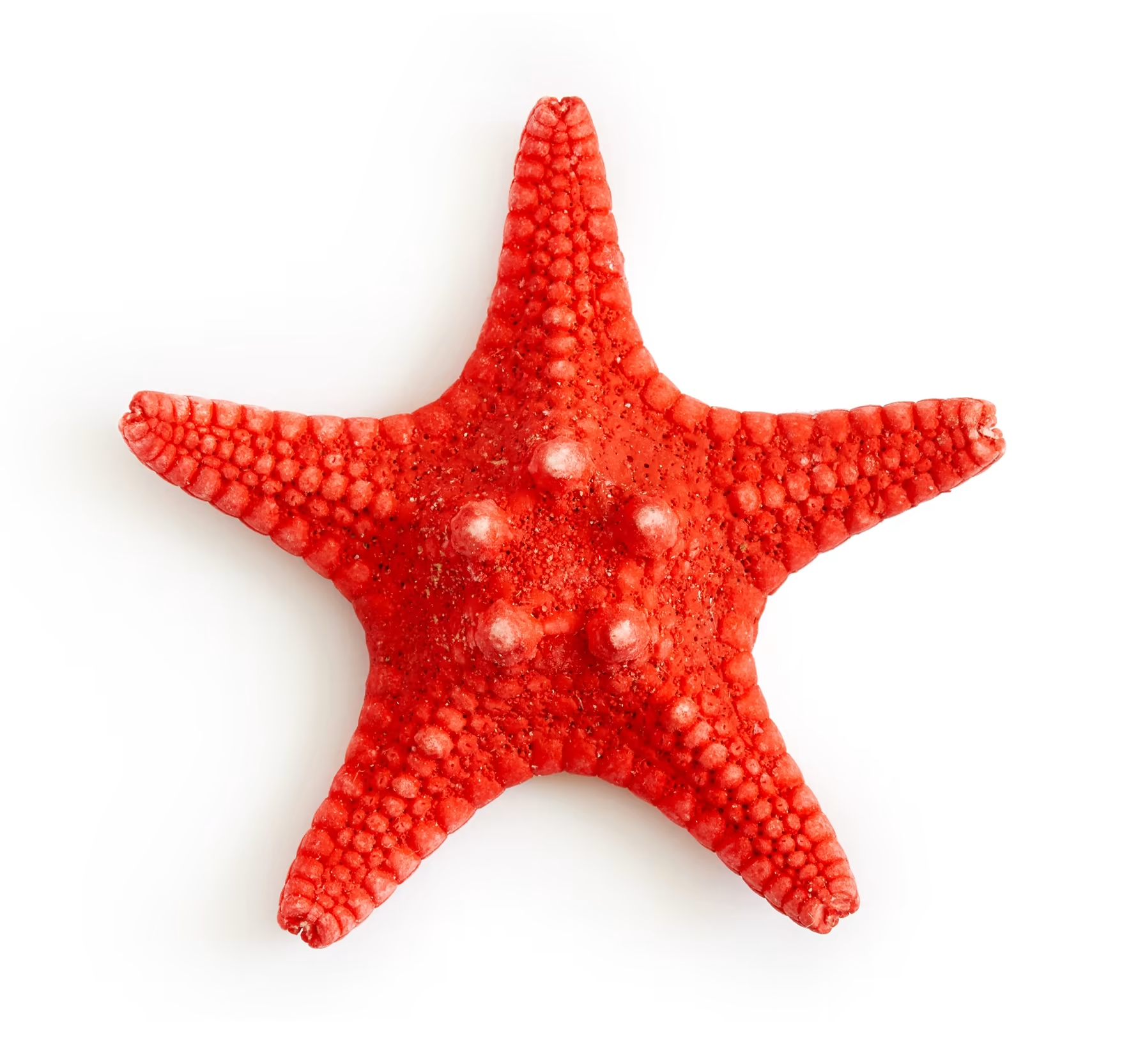
Starfish Care: Master Tank, Food & Compatibility for Happy Pets
Learn how to care for a starfish, recommended diet and aquarium setup. Find starfish for sale, supplies and equipment at your neighborhood Petco.
Updated on October 23rd, 2025
- Home & Habitat
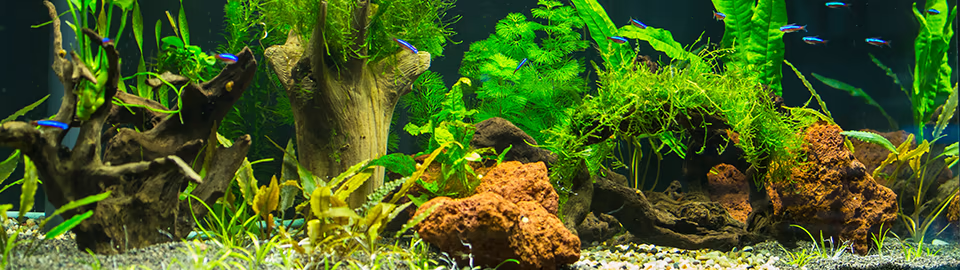
Aquarium Hardscaping: Essential for Healthy Fish & Gorgeous Aquascapes
Discover how to hardscape your aquarium here at Petco. Visit Petco and check out aquarium hardscape ideas, solutions and much more for your fish.
Updated on October 23rd, 2025
- New Pet
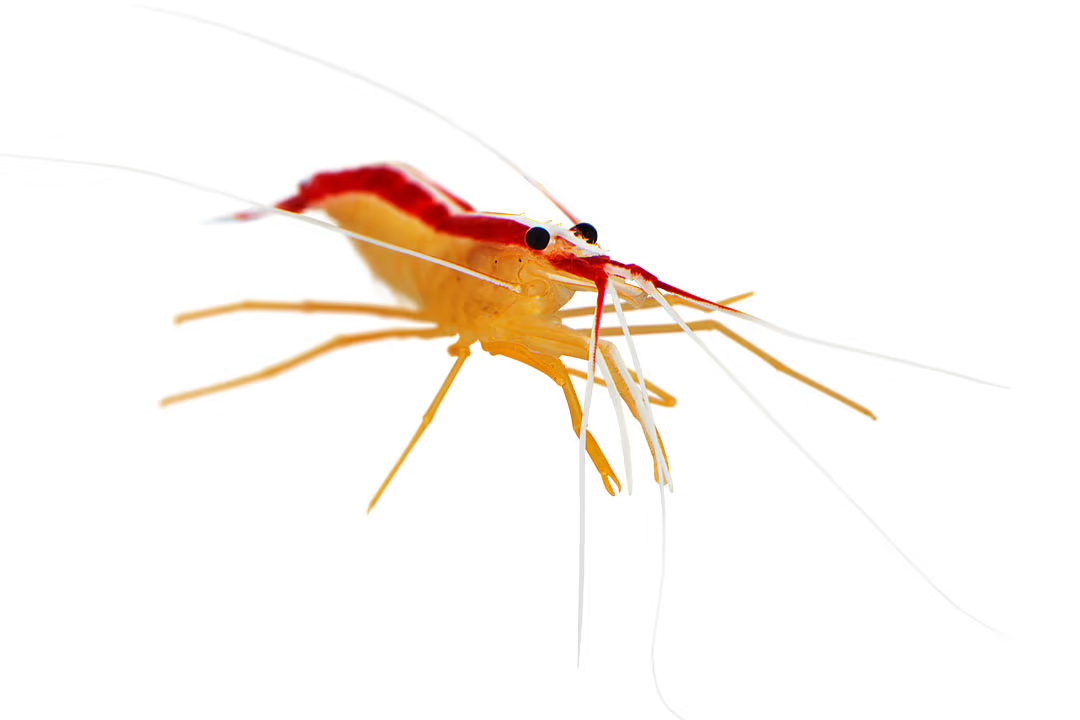
Marine Shrimp Care for Beginners: Tank Setup, Food, & Compatibility
Learn how to care for Marine Shrimp, recommended diet & aquarium setup. Find the right food, supplies & equipment at your neighborhood Petco.
Updated on October 23rd, 2025
- New Pet
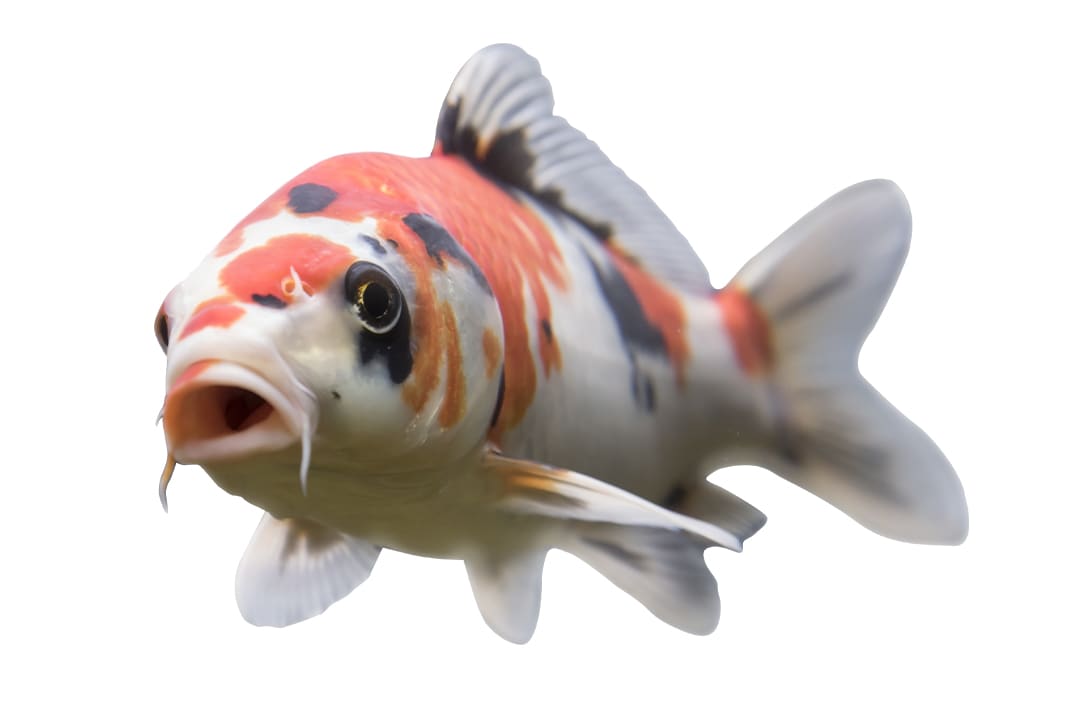
Mastering Koi Care: Optimal Tank, Food, Water Quality & Health Tips
Learn how to care for a Koi, recommended diet and aquarium setup. Find Koi for sale, supplies and equipment at your neighborhood Petco.
Updated on October 23rd, 2025
- New Pet
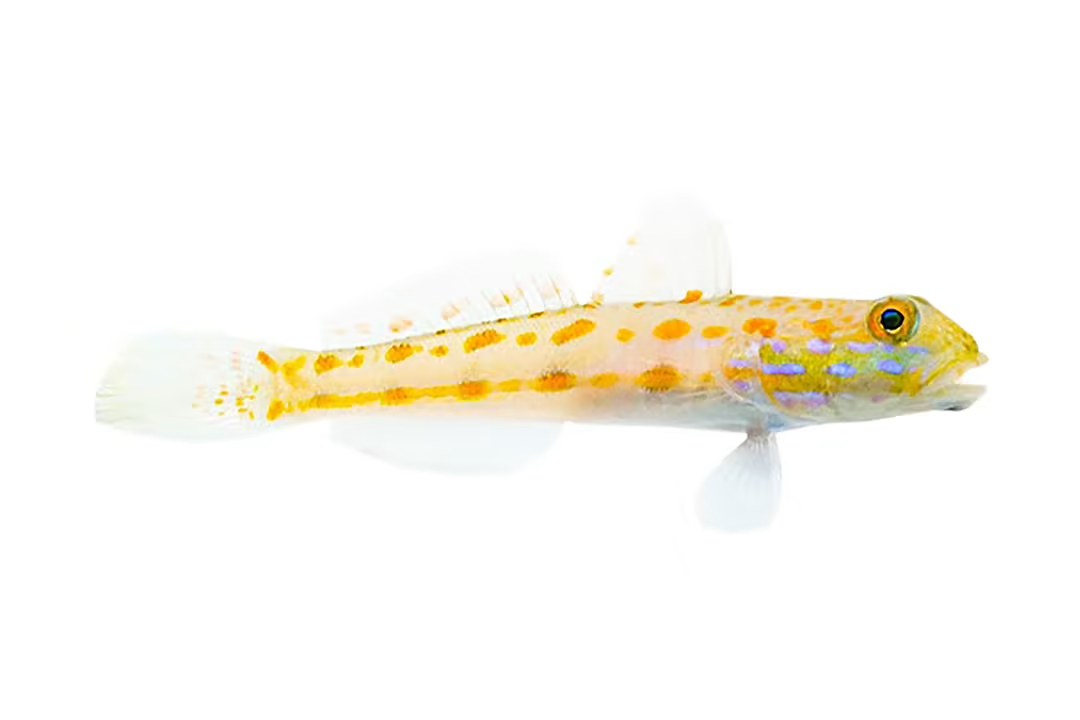
Goby Care Guide: Tank Setup, Diet & Habitat for Healthy Gobies
Learn how to care for a Goby, recommended diet & habitat setup. Find the right food, supplies & equipment at your neighborhood Petco.
Updated on October 23rd, 2025
- Health & Wellbeing
I'm about to buy some new fishes mostly Tetra Can you help me what fish should I buy because I am beginner in this things. Please tell me what sort of things I should bring I have a one foot tank now other than that What should I purchase from Aquar
Before you buy any fish, you will need to set up the tank. A basic set up includes: a tank, filter, hood/light, heater, gravel and some decor. The tank should run without fish for at least 4 to 6 weeks. This gives it time to cycle. The Nitrogen Cycle is critical to the health of the tank and any fish you will be keeping. During this time, beneficial bacterial will populate the filter and substrate (gravel). These bacteria will be responsible for breaking down fish wastes and other wastes (uneaten food, dead plants, etc.). You will need a home test kit to monitor water chemistry (ammonia, nitrites, nitrates, pH) or you will have to submit water samples for testing. Most pet stores will do this for free or for a small fee. At first, you will see high levels of ammonia and nitrites. Over time, as bacteria grow, these levels will drop. When ammonia and nitrites are at 0 ppm and nitrates are below 20 ppm, you can consider adding fish. Regular (every 1 or 2 weeks) partial water changes as we
Updated on September 24th, 2025
- Health & Wellbeing
We have added fish to our newly set up aquarium twice now and both times the fish were dead or dying within 24 hours. The pH is at the proper level. The tank was filled with spring water. Why do our fish keep dying?
It is possible the tank has not cycled properly which results in high ammonia and nitrite levels which can kill fish. Allow the tank to run, without fish, for at least 4-6 weeks. During this time, use a home test kit or submit a water sample for testing every few days. The local Petco may do this for free or for a small fee. What you are looking for is to have ammonia and nitrites at 0 ppm and nitrates at 20ppm or less. pH can hover around 7 for most community fish. Avoid large, rapid swings in pH though. What is happening in the tank during this time is that beneficial bacteria are populating the gravel/substrate and the filter. These bacterial populations are responsible for the Nitrogen Cycle. This cycle breaks down wastes from fish, uneaten food and plant matter into by-products that are filtered out or dissipate. You can "cycle" a tank with fish, however this increases the risk of loss. Once your tank has cycled, you can add fish. You will still need to monitor water chemistry a
Updated on September 24th, 2025
- Training & Behavior
I have an issue, this involves all my fish I am moving from Georgia to Utah, and of course that’s a long distance by car, but if will also restrain me from seeing my fish due to the fact that I will be flying there. How do I feed them while they’re b
Thanks for reaching out. If is a good idea to fast for 1-2 days prior to shipment, this decreased feces and will help to keep the ammonia down. Typically clear bags are utilized with about 50% water, and 50% air/oxygen used. A local pet store might be able to assist, as they get shipment in (so have older bags and boxes, which need to be disinfected) and hopefully the skills to ship. Check with the airline also, box needs to be well labelled "LIE ANIMALS" and "THIS END UP". Sometimes a health certificate for interstate travel is needed, so contact airline and State of Utah, veterinarian. Good luck.
Updated on September 24th, 2025
- Health & Wellbeing
I just got a good fish today and it died why is that
The most common cause of death of a newly acquired fish is usually shock or incorrect water quality. Fish tanks should be set up and left running without fish for at least 3-4 weeks to establish a proper nitrogen cycle. There are products that can shorten this time period. If this is not done, there may be high levels of ammonia, chloramine, nitrates and nitrites which can kill a fish. When introducing a fish, the bag should be floated in the tank for about 30 minutes to acclimate the fish to water temperature. This can prevent shock if the water is too hot or too cold. Test your water quality with a home test kit or submit a sample for testing. Most pet stores or aquarists will do this for free or for a nominal fee. Correct any imbalances as indicated. Slowly acclimate any new fish as written above. You can request a consultation to discuss your concerns in greater detail if necessary. Buying fish and starting a tank can be quite confusing initially.
Updated on September 24th, 2025
- Health & Wellbeing
I went on vacation and put a vacation feeder in the tank when I came home his tank was a sandy color. After cleaning his tank complete I put him back in and after that he hasn't been the same going on a week with out eating. What did I do wrong? Now
Check the water chemistry. Confirm ammonia and nitrite levels are 0.25ppm or less and nitrates are 40ppm or less. Use a liquid test kit or submit a sample for testing. Most pet stores or aquarists will do this for free or for a small fee. Partial water changes, about 30% can be done to decrease high levels. Use only aged or conditioned water that is temperature matched to prevent further stress or shock. My preferences for water conditioning are AmQuel Plus and NovAqua in addition to StressCoat. Confirm water temperature between 78F and 80F. You can soak pellets in some garlic juice to stimulate his appetite.
Updated on September 24th, 2025