Two Easy Ways to Start Earning Rewards!
Become a member today! Members-only pricing and offers, personalized care notifications, Vital Care points back on every purchase and more!
 Become a credit card member today!
Earn 2X Pals Rewards points at Petco
when you use Petco Pay!APPLY NOWLearn More About Petco Pay Benefits
Live Insects Leopard Gecko Food

Related Searches
Related Articles & Questions
- New Pet
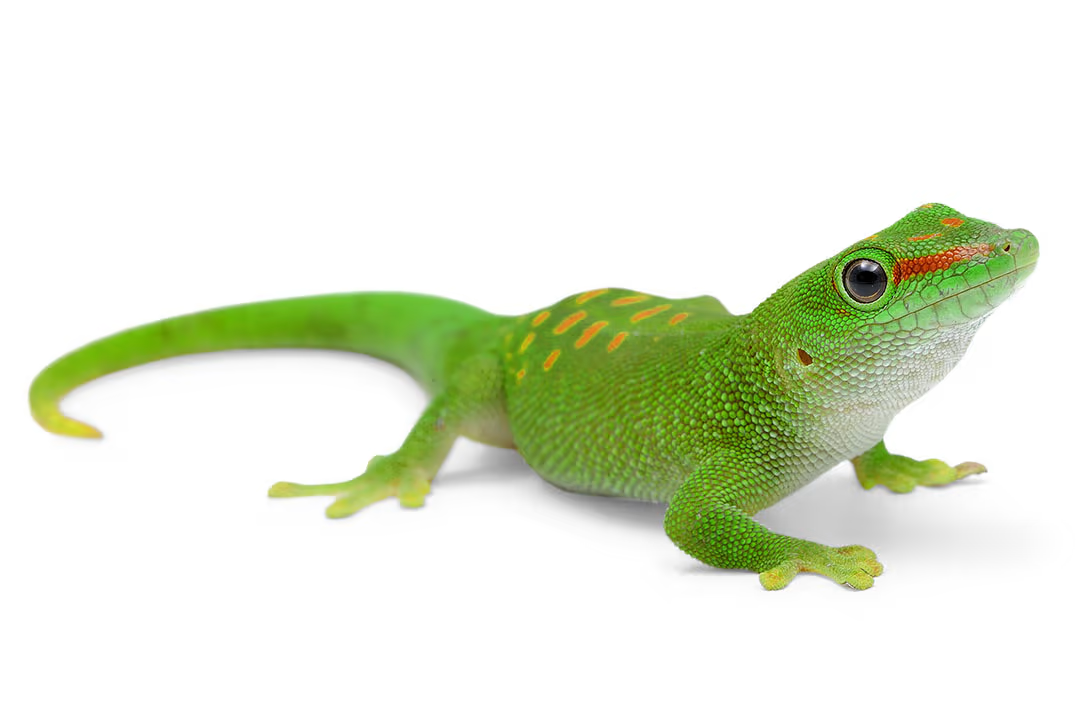
Raise a Thriving Giant Day Gecko: Habitat, Food & Health Guide
Learn how to care for a Giant Day Gecko, recommended diet & habitat setup. Find the right food, supplies & equipment at your neighborhood Petco.
Updated on November 13th, 2025
- New Pet
Reptile Enclosure Setup: Create a Thriving Habitat for Your Pet
Learn how to setup your reptiles terrarium to ensure your reptile lives a wholesome & happy life. Shop at your local Petco for all reptile terrarium needs.
Updated on November 13th, 2025
- Health & Wellbeing
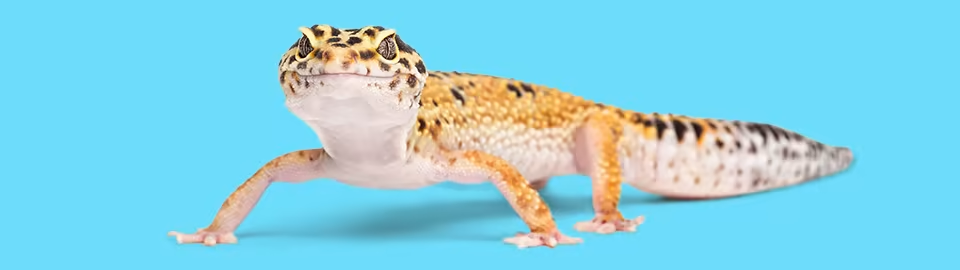
Leopard Gecko Not Eating? Discover Causes & Solutions Now!
Do you have questions about why your gecko isn’t eating? Petco has the answers. Visit us to learn about leopard gecko dietary needs and more.
Updated on November 13th, 2025
- New Pet
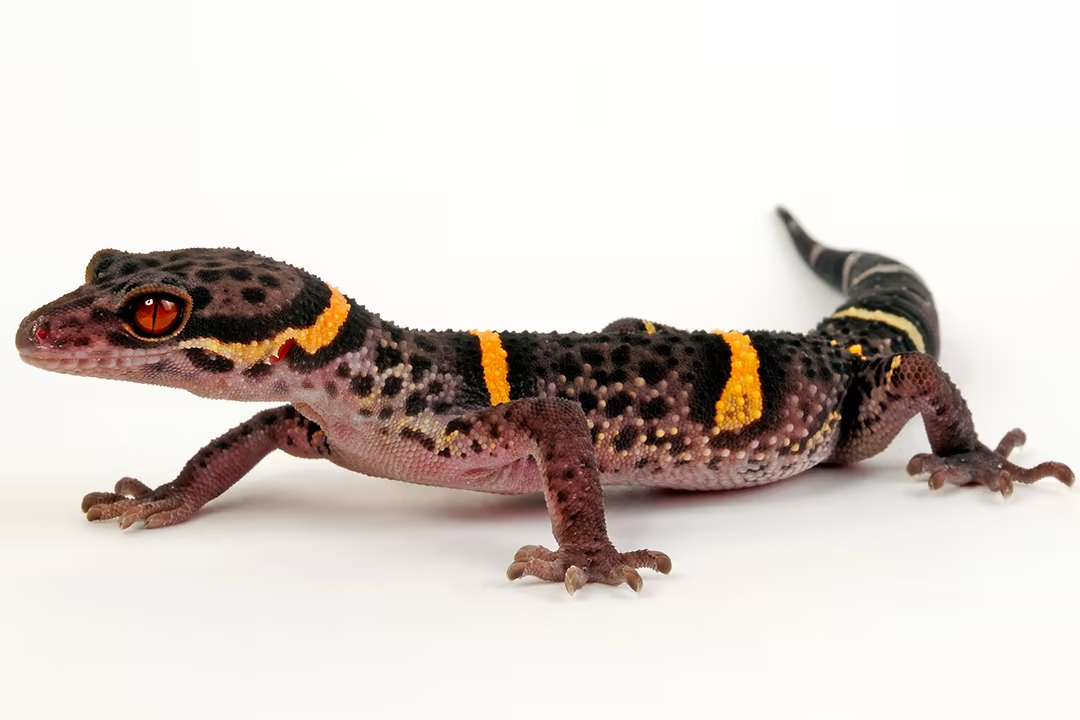
Chinese Cave Gecko Care: Expert Tips for Habitat, Food & Health
Learn how to take care of your Chinese Cave Gecko, tank size, diet & habitat setup. Find the right food, supplies and equipment at your neighborhood Petco.
Updated on November 13th, 2025
- New Pet
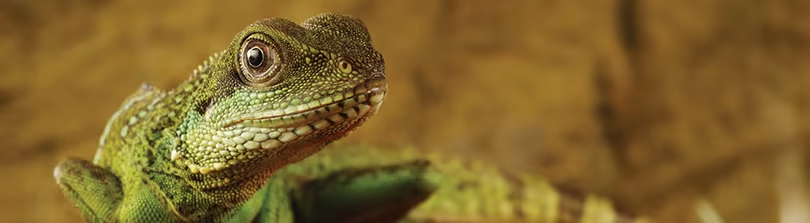
Ultimate Tropical Lizard Care: Habitat, Food & Health for a Happy Pet
Learn how to care for tropical lizards, recommended diet & habitat setup. Find the right food, supplies & equipment at your neighborhood Petco.
Updated on November 13th, 2025
- Food & Nutrition
Is it unhealthy to feed my leopard gecko any form of dried pellets or dried insects? A cricket is 70% moisture so what would happen to the nutrition in its guts when it dries?
Hello there! When it comes to insects, I recommend feeding live insects that you gut loaded yourself with high quality cricket food and dust with a calcium supplement prior to feeding. That way you can be sure that your pet is getting the best nutrition possible. Buying dried crickets means you are unsure of how well they were cared for and may be less nutritious. I hope you find this helpful!
Updated on August 12th, 2025
- Health & Wellbeing
My leopard gecko may have early signs of kidney disease. The vet says the xrays were fine and he looks healthy and gave me some omega 3 to give my gecko. He is 18 yrs old. What can I do at home via diet, soaking etc to help him heal? I have found
Soak once or twice weekly in a warm 50/50 solution of water and unflavored PediaLyte. Feed lower protein prey (mealworms, nightcrawlers, crickets). Avoid high protein prey such as locusts, dubia roaches and waxworms. Blood work may need to be monitored to track progression. Further treatment (steroids, phosphate binders, calcium supplements, fluid therapy) will depend on status. The waxy substance may be normal secretions from the pre anal pores. This is used for marking branches and letting other geckos know who is in the area.
Updated on August 12th, 2025
- Health & Wellbeing
My leopard gecko has not been eating the past couple weeks. He is quite overweight but has lost some of it from this. He seems much weaker and out of energy. I had to help him shed the other day as he was having difficulty. He also has a large red ar
Thanks for reaching out about Gexter and including photos. Review diet to include a wide variety of insects, all being gut loaded with fresh vegetables. He does appear overweight with a fat tail and legs. These are only the external signs of obesity, what can not be seen is the internal damage to the liver (hepatic lipidosis) and possible heart disease. The red area/rash could be due to a compromised immune system and secondary infection, metabolic disorder (liver, kidney) or other problem. A veterinary visit is needed to assess and provide a diagnostic/treatment plan. Remove any substrate (soil, bark) that could irritate the lesion and replace with clean cloth or towels. Review and correct diet and husbandry. Try offering water and then a moistened food via a syringe. Good luck.
Updated on August 12th, 2025
- Health & Wellbeing
My adult female gecko Mochi Pancake hasn't been eating in the last 4 or 5 days. I usually feed her 2-3 superworms every 3 days. I wave worms in front of her but she just turns away.
Check the temps in the enclosure. Low temps can affect appetite in reptiles. Make sure the worms are appropriately sized, no bigger than the space between her eyes. Soak her in a warm 50/50 solution of water and unflavored PediaLyte. this will provide warmth and hydration. If she hasn't defecated, a gentle abdominal massage, front to back, during the soak may cause her to poop. Offer other prey such as dubia roaches or crickets. Be sure to gut load them for 24 hours prior to offering to maximize nutritional value.
Updated on August 12th, 2025
- Health & Wellbeing
What is wrong with him? He’s about 8mo this old/ has not been eating for a week or two but still passes fecal matter- I’m pretty sure he is male. I don’t remember seeing this mark before today
This may be due to liver/gall bladder infection, impaction/constipation or parasites. This gecko may be quite ill and should be examined by your veterinarian or a vet experienced in treating reptiles. Submit a stool sample ot diagnose intestinal parasites. Soak Flavio in a warm 50/50 solution of water and unflavored PediaLyte. This will warm him up and provide hydration. If he perks up, offer Fluker's Repta Boost. You can find it in the local Petco. Maintain proper environmental parameters and have him seen by your vet as soon as you can. Review leopard gecko care at the link below. http://www.reptilesmagazine.com/Care-Sheets/Lizards/Leopard-Gecko/
Updated on August 12th, 2025