Two Easy Ways to Start Earning Rewards!
Become a member today! Members-only pricing and offers, personalized care notifications, Vital Care points back on every purchase and more!
 Become a credit card member today!
Earn 2X Pals Rewards points at Petco
when you use Petco Pay!APPLY NOWLearn More About Petco Pay Benefits
Live Insects Leopard Gecko Shop

Related Searches
Related Articles & Questions
- New Pet
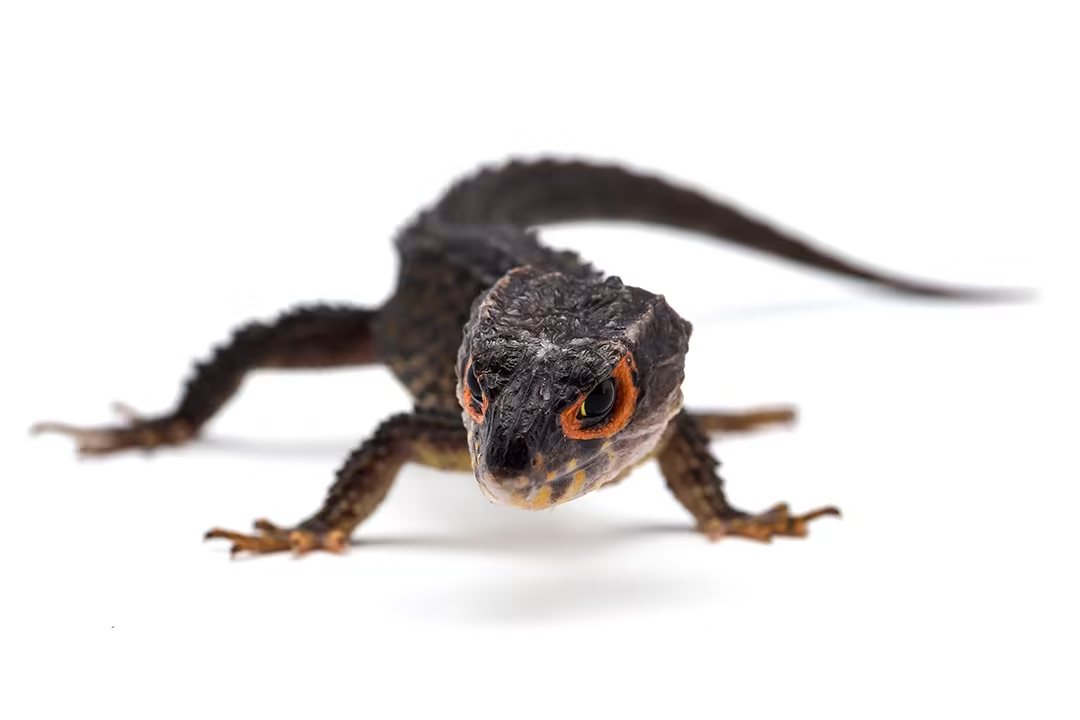
Ultimate Red-Eyed Crocodile Skink Care Guide: Habitat, Food & Health
Learn how to care for Red-Eyed Crocodile Skink, recommended diet & aquarium setup. Find the right food, supplies & equipment at your neighborhood Petco.
Updated on November 13th, 2025
- New Pet
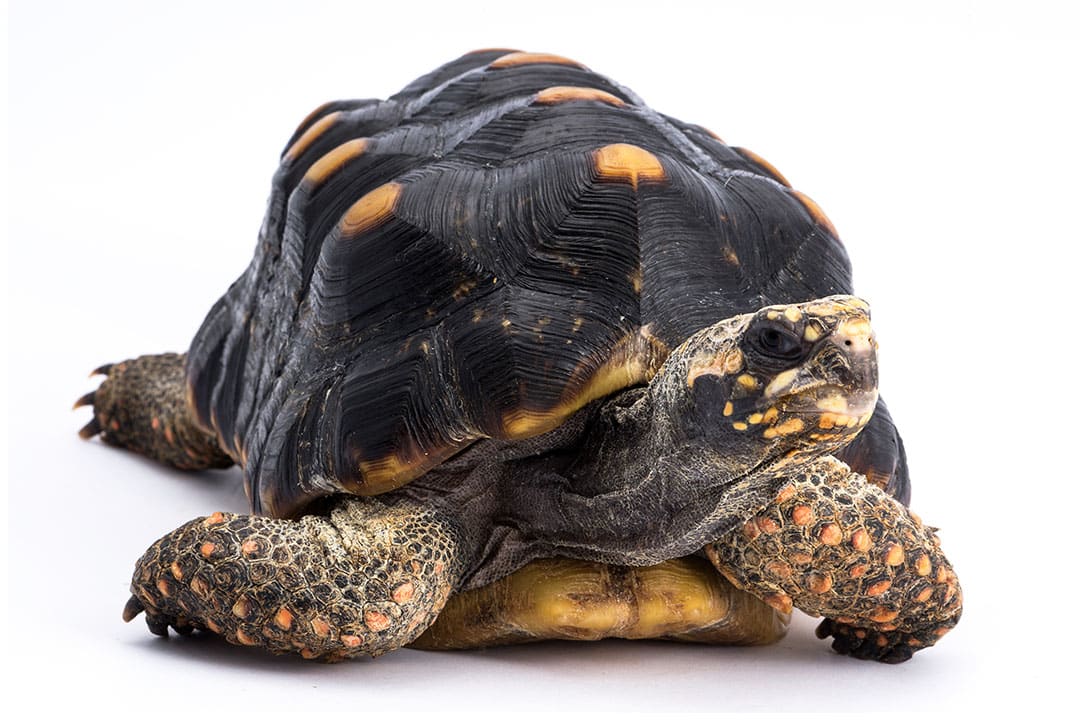
Pet Tortoise Care: Essential Guide to Food, Habitat & Health
Learn how to care for tropical tortoise, recommended diet & habitat setup. Find the right food, supplies & equipment at your neighborhood Petco.
Updated on November 13th, 2025
- New Pet
How to Prevent Reptile Illness: Safe Handling & Habitat Cleaning
Read these guidelines about handling reptiles to provide a safe and fun environment for your pet, friends and family.
Updated on November 13th, 2025
- New Pet
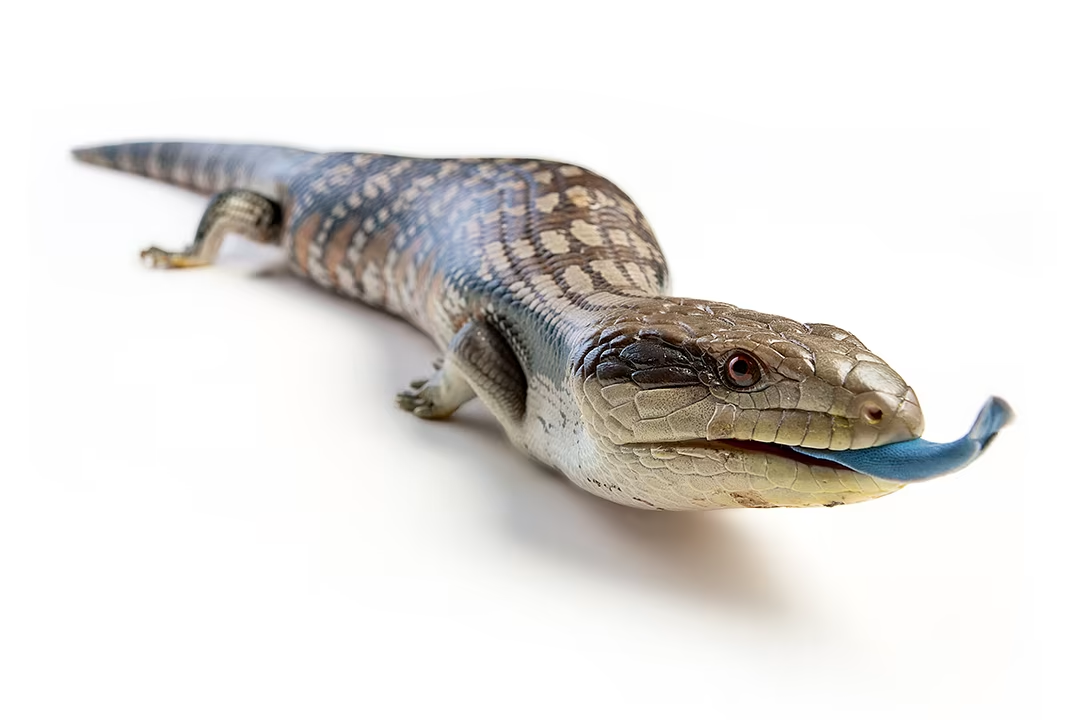
Tropical Skink Care: Habitat, Food, Health & Handling Guide
Learn how to care for Blue-Tongued Skink, recommended diet and habitat setup. Find the right food, supplies and equipment at your neighborhood Petco.
Updated on November 13th, 2025
- Health & Wellbeing
Reptile Scale Rot: Spot, Treat, & Prevent This Serious Threat
Search Petco for treatment for scale rot on your reptile. We can help you make sure your pet is always happy and healthy.
Updated on November 13th, 2025
- Food & Nutrition
My female leopard gecko has gone slightly pale and has lost some weight. She goes for the live foods I hand feed her but when she strikes at it and gets it in her mouth, she then just drops it and let's it go. Then she will follow it, sometimes catch
Go back to basics. Check the temperature and humidity in the enclosure, make sure prey aren't too big and confirm she isn't ill or injured. This may require a physical exam with your veterinarian. Consider supplementing with Fluker's Repta-Boost, or similar product, to get additional nutrients and calories into her.
Updated on August 12th, 2025
- Health & Wellbeing
I can no longer support my sister’s leopard gecko and am hoping to return the gecko to the store he was purchased at.
It is very unlikely that the store will take the gecko back, as they will not know whether it has any health problems. If you cannot keep it, you should ask your local shelter to take it , or contact a reptile club in your area. Maybe someone will take the Gecko off your hands.
Updated on August 12th, 2025
- Food & Nutrition
Is this a good setup for Nighthawk, the first photo is the over all setup, the second one is the side view and the third is the water and calcium dishes. I use an under tank heater that stays at about 88 degrees Fahrenheit and the vines are fake. He
Thanks for reaching out regarding Night Hawk and including photos. The pictures appear good and seems a lot of thought went into your set up. You haven't mentioned UVB radiation or diet, but everything else appears good. Even though geckos are noctunal, they are often inactive during the day but receiving radiation. Insect species need to be varied and gut loaded with a variation of fresh vegetables. Good luck.
Updated on August 12th, 2025
- Training & Behavior
1 year ago my leopard gecko escaped outside. 5 minutes ago we heard our dogs barking.When we found them we found our lizard Diana. She was and still is in terrible shape. She has a bloody eye and lost her tail. She is very pale but that may be becaus
Ideally, she should be physically examined by your veterinarian, at the nearest veterinary ER or by a vet experienced in treating reptiles. If this is not possible, get her under a heat lamp to start warming her up. You can also soak her in a warm 50/50 solution of water and unflavored PediaLyte for 15-20 minutes. Afterwards, clean the tail stump with a diluted Betadine or chlorhexidine (Hibiclens) solution. Dab a bit of triple antibiotic ointment on it after each cleaning. Clean it gently once daily and dry thoroughly afterwards. Keep her on paper towels and change it daily. Pick up some Fluker's Repta Boost and use that to feed her initially. When she is more active, you can introduce prey slowly. She may eventually regrow her tail. Even with care, she may not recover. It cannot be determined without a physical exam. https://www.petco.com/shop/en/petcostore/product/flukers-reptaboost-insectavore-and-carnivore-high-amp-boost
Updated on August 12th, 2025
- Health & Wellbeing
My gecko, Treasure, is about 6 months old i think. Petco, where we bought him from told us that he is a leopard gecko. we aren't even sure if he's a boy either. he looks completely identical to a western banded. his daytime light went out weeks ago s
Most species of geckos, being nocturnal, do not require UVB lighting. Being cold blooded though, they do need a heat source. Your body temp will not be sufficient for good health. Replace the light/heat source with an appropriate bulb. You can easily buy one online or at most pet stores. Low temps will stress him which can lead to illness. Low temps also affect appetite activity and digestion. Sexing geckos is fairly easy. An adult male will have a bulge behind the vent that is very noticeable. You will also see a row of femoral pores shaped like a "V" in front of the vent in male geckos. Since he is going into a shed, provide a moist hide in the enclosure and/or increase the humidity temporarily. These two species look similar but there are differences. To help with identification, closely exam your gecko. Leos will lose their bands and develop spots, hence the name, as they mature. They also get much bigger than banded geckos. Leos also have rougher, bumpier skin as opposed to a
Updated on August 12th, 2025