Two Easy Ways to Start Earning Rewards!
Earn 2X Pals Rewards points at Petco
when you use Petco Pay!
Get It Today
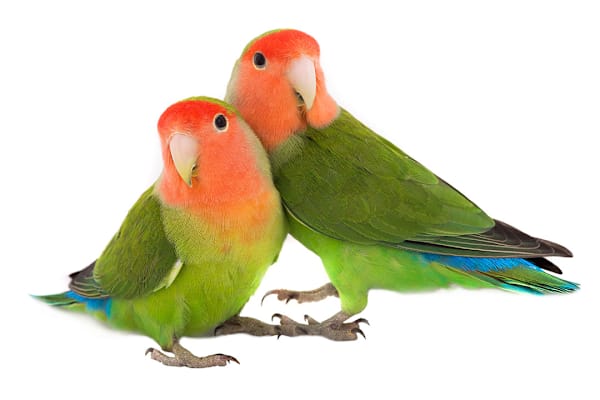
Learn how to take care of your Lovebirds, recommended cage size, diet and housing setup. Find the right food, supplies and equipment at your local Petco.
Updated on November 13th, 2025
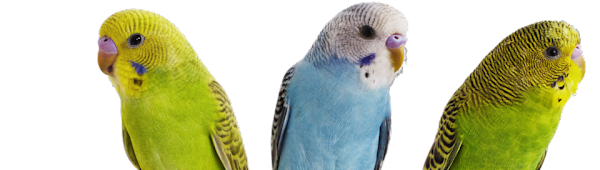
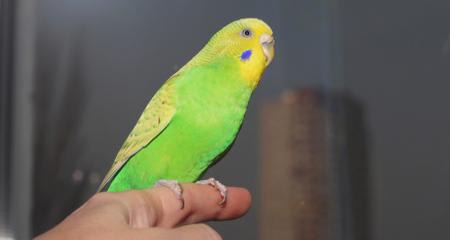
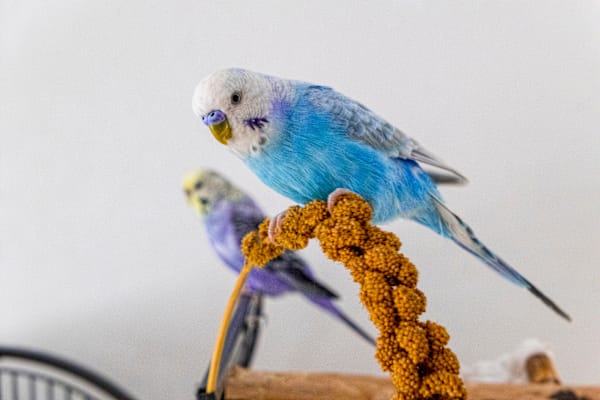
Parakeets can make great pets. Take a look at these fun facts about these winged companions and wow your friends with your knowledge.
Updated on November 13th, 2025
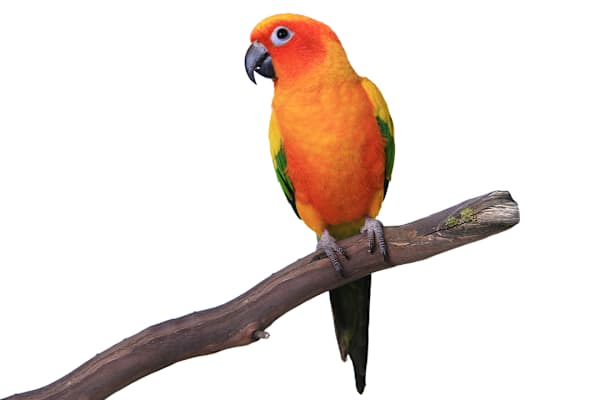
Learn how to take care of Sun Conures, recommended diet and housing setup. Find the right food, supplies and equipment at your neighborhood Petco.
Updated on November 13th, 2025
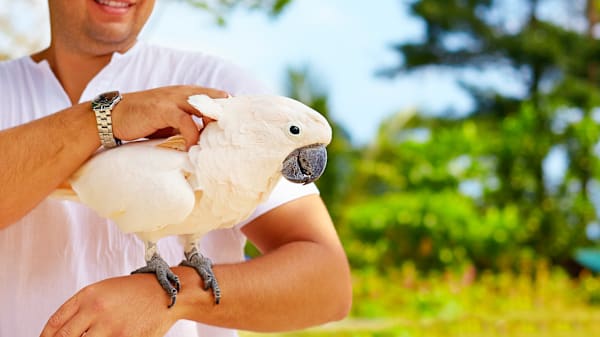
The first command to teach pet birds is 'step up.' This one command will help establish a great relationship between you and your bird from the very beginning.
Updated on November 13th, 2025
Teflon Toxicity, also known as PTFE Toxicosis, is a severe respiratory condition in birds caused by toxic irritants often produced by overheating non-stick cookware. Learn more on PetCoach.
Updated on November 13th, 2025
Thanks for reaching out. Are these birds becoming more mature, therefore hierachy changing, or competition over food, perches, territory? The daily diet should consist of some seed but also fresh vegetables (all), a protein source such as cooked beans/tofu, therefore treats can be fruit (dried, fresh). Good luck.
Updated on August 12th, 2025
I think this would be fine to give as a once in a while treat, especially if Princess enjoys it! Sometimes birds can be a bit picky with new items, so you may need to offer it once or twice before she shows any interest in it. As long as the pellets remain her main diet, this should be great as a treat!
Updated on August 12th, 2025
Thanks for reaching out about Pico and including pictures. Individual birds with respond differently to training techniques. Being the provider of treats and playful activities can gain trust. Letting Pico see you play with the other lovebird, and then want that same experience, might help also. This is a difficult one, because not all birds are tamable. Good luck. Be persistent.
Updated on August 12th, 2025
It sounds like your bird may not be comfortable yet with being handled around the cage. Stress and feeling unsafe can cause a bird to lash out, and it may be that they feel you are intruding on their space or are going to harm them when you get close. Taking some time to bond while your bird is in its cage may help. If he or she has a favorite treat, begin by offering it every time you approach the cage, and only at these times. This will help your bird start to associate your arrival with good things, rather than scary. Once used to you just tossing in a treat every time you come by, you can then move on to opening the cage and offering the treat from your hand, petting your bird, etc. If they become too scared, try to bite, or seem very stressed out, move back to the previous step that worked and try again from there. Making sure the cage itself is kept in a stress-free and quiet environment where other pets, people, etc can't bother it can also help reduce stress and make the spa
Updated on August 12th, 2025
Thanks for reaching out about Candy and Tweety. Heat support in the 80-85 F range can give comfort. With both birds ill, inhaled or ingested toxins, a virulent bacterial or viral disease are probable and a veterinary visit is needed ASAP, as birds have little reserves to fall back on. Good luck.
Updated on August 12th, 2025