Two Easy Ways to Start Earning Rewards!
Earn 2X Pals Rewards points at Petco
when you use Petco Pay!
Get It Today
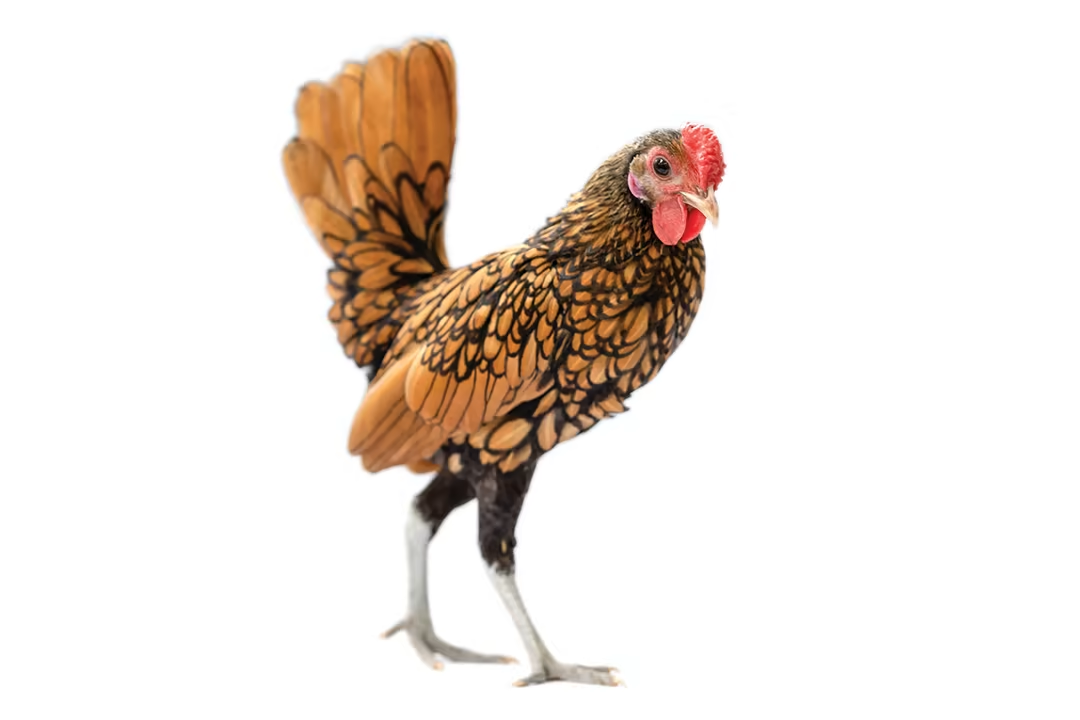
Learn how to take care of a Chicken, recommended diet and habitat setup. Find the right food, supplies and equipment at your neighborhood Petco.
Updated on November 15th, 2025

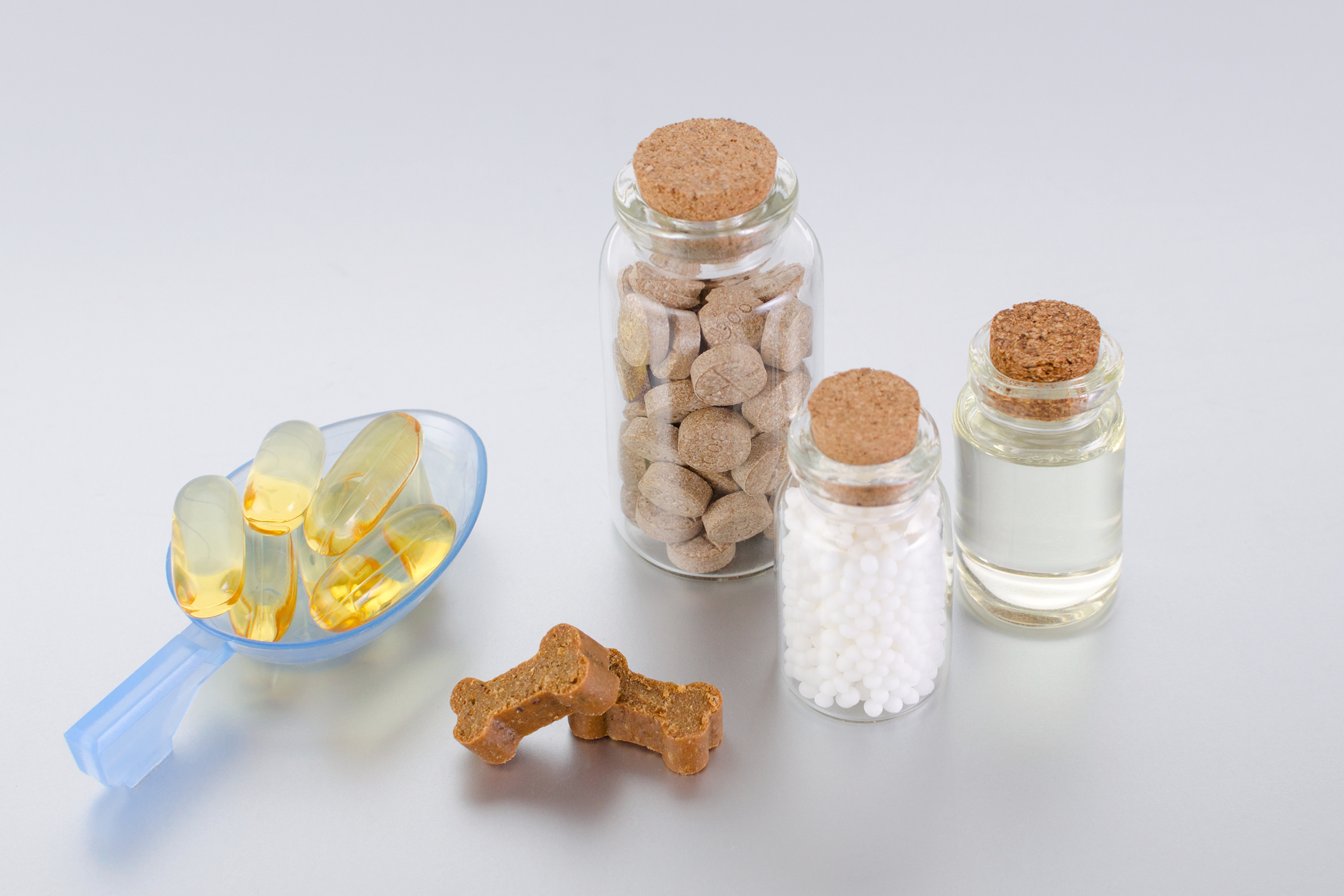
Discover how to choose the best supplements for your pet’s health, from essential vitamins to joint support and digestion aids. Learn age-specific and seasonal supplement tips for cats and dogs.
Updated on November 15th, 2025
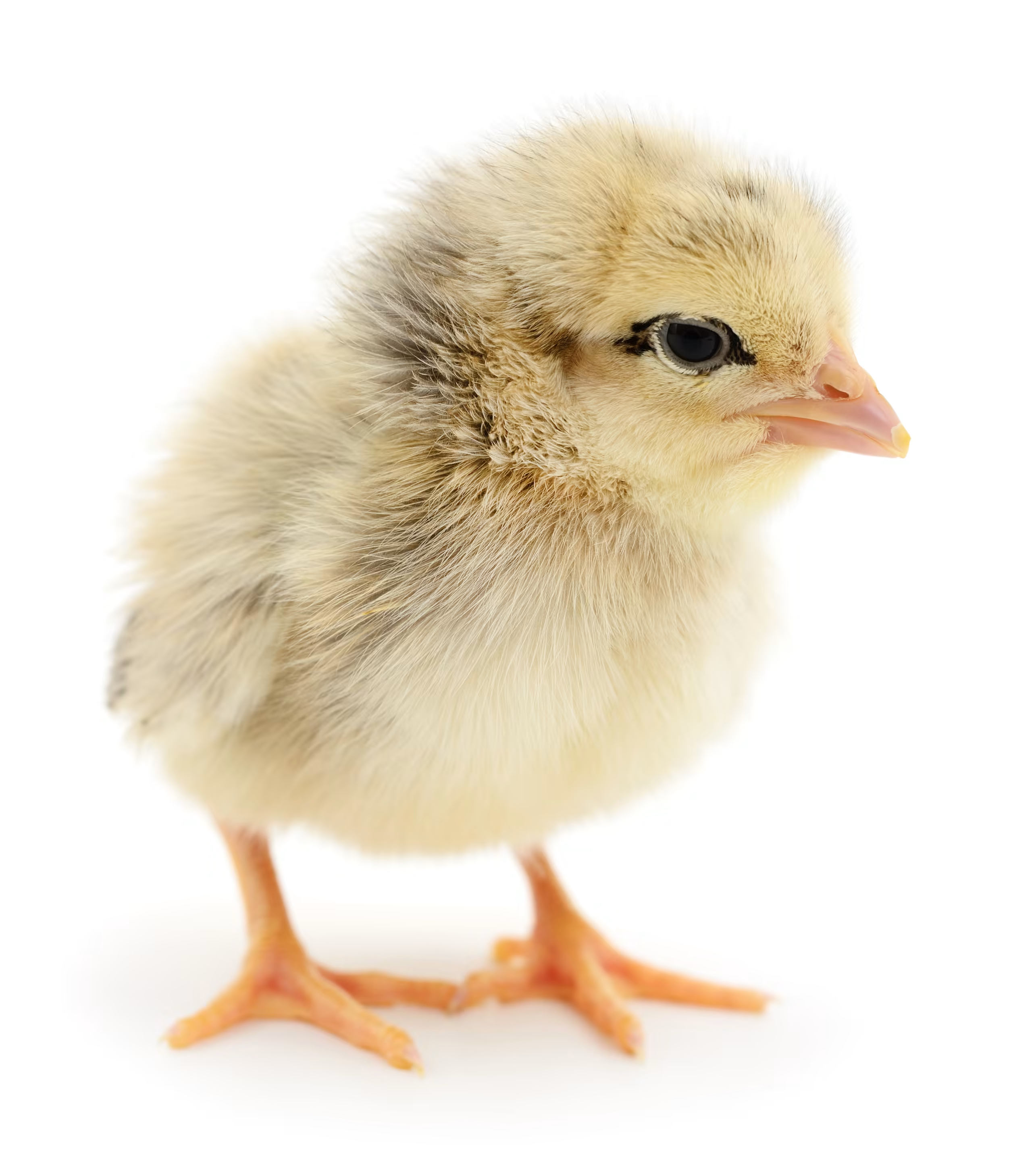
Learn how to take care of a Chick, recommended diet and habitat setup. Find the right food, supplies and equipment at your neighborhood Petco.
Updated on November 15th, 2025
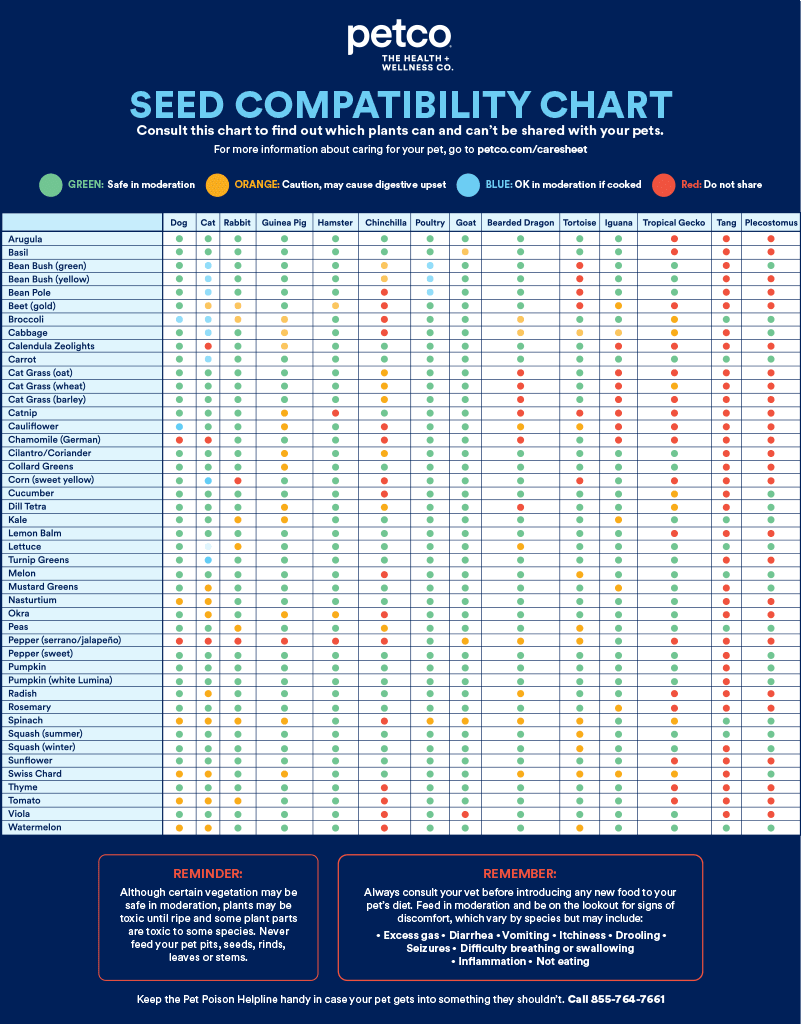
Discover how to plant a garden that’s safe and enjoyable for both you and your pets, featuring pet-friendly plants and gardening tips.
Updated on November 15th, 2025
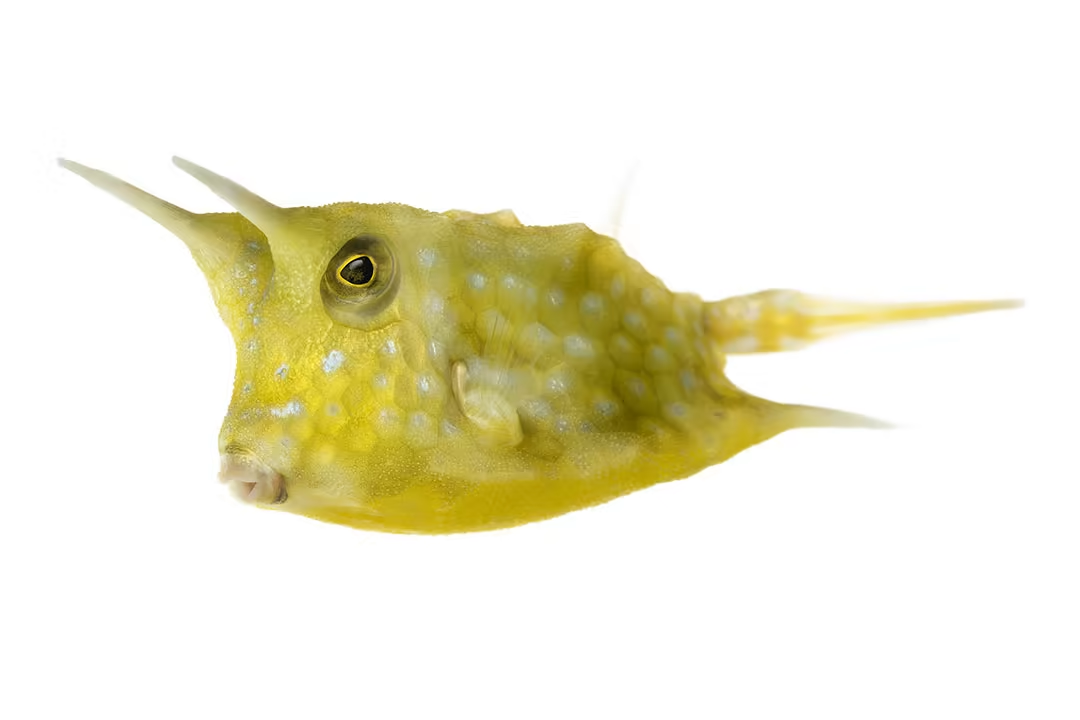
Learn how to care for Boxfish & Cowfish, recommended diet and aquarium setup. Find the right food, supplies and equipment at your neighborhood Petco.
Updated on November 15th, 2025
Vitamin A is vital to a cow's health at all life stages. A cow that doesn't have enough may not be able to get pregnant, or may have slowed or no growth. In most cases, pasture-fed cattle should get enough Vitamin A from grazing, however it may need to be supplemented during the winter with a vitamin/mineral feed block in addition to grain/silage feeding. Dairy cows or cows that aren't pastured should also have it supplemented to prevent deficiency. For supplementing, the current NRC (2001) requirement for supplemental vitamin A is 50 IU/lb of body weight (BW) or about 70,000 to 77,000 IU/day for an adult cow, however if you have good pasture or are using a vitamin block you shouldn't need to measure out the exact amount unless you are sure your cow is clinically deficiency (which should be confirmed by a vet.)
Updated on August 12th, 2025
The most common cause of coughing in cattle is known as shipping fever (though it doesn't have to happen with shipping), a disease process commonly occurring with cows that have undergone more stress than usual. There are two organisms that can commonly be responsible for this disease, both of which will require an antibiotic to treat. If you go to a farming store to obtain antibiotics, you should look for one that is labeled for the treatment of bovine respiratory disease, specifically against Manheimia and Pasturella. Hope this helps.
Updated on August 12th, 2025
Hello. As I said earlier, this is perfectly normal behavior for all mammals, including cows. Unless this was a diseased placenta, this will not affect milk yield. As a matter of fact, eating the placenta can INCREASE milk yield. Cows may become slightly calcium deficient during pregnancy & the placenta is a calcium dense tissue. Cows do not digest this tissue well, so the placenta actually serves as a slow release calcium supplement to her. This is a great benefit to the cow & her milk yield. Thanks for using Boop by Petco.
Updated on August 12th, 2025
Hello. Your animal has pneumonia or possibly a lung abscess. This needs to be properly diagnosed by a veterinarian so the appropriate medication can be started. We are unable to recommend any medications on this site. Thanks for using Boop by Petco.
Updated on August 12th, 2025
Heavy breathing can be a sign of several things including problems with the heart and lungs. Kidney and liver issues can also sometimes lead to heavy breathing in cows. If she's kept indoors in a barn, irritation from bedding or cramped quarters can also cause respiratory disease. Since this has been ongoing for a while, and doesn't seem to be improving, i'd call out a local vet to have her examined.
Updated on August 12th, 2025