Two Easy Ways to Start Earning Rewards!
Become a member today! Members-only pricing and offers, personalized care notifications, Vital Care points back on every purchase and more!
 Become a credit card member today!
Earn 2X Pals Rewards points at Petco
when you use Petco Pay!APPLY NOWLearn More About Petco Pay Benefits
Exo-Terra Reptile Food
Get It Today


Related Articles & Questions
- Care Sheets
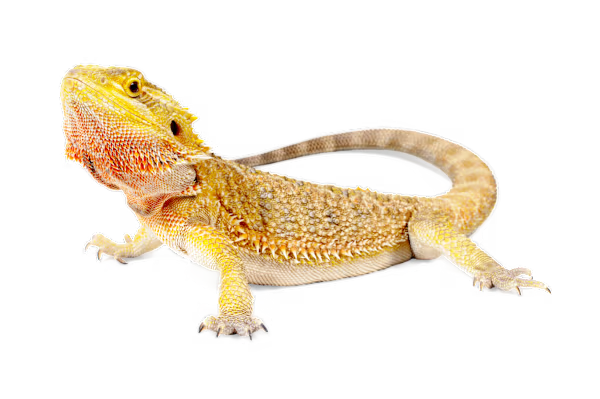
Arid Lizard Care: Expert Tips for Optimal Habitat, Diet & Health
Learn how to care for arid lizards, recommended diet & habitat setup. Find the right food, supplies & equipment at your neighborhood Petco.
Updated on April 9th, 2026
- Care Sheets
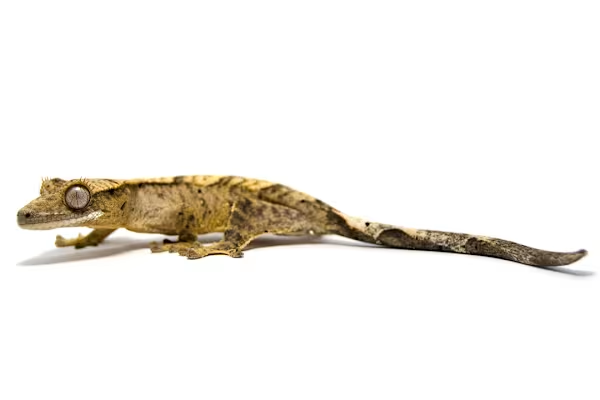
Crested Gecko Care: Habitat, Diet, Health, Supplies - Ultimate Guide
Learn how to take care of your Crested Gecko, tank size, diet & habitat setup. Find the right food, supplies and equipment at your neighborhood Petco.
Updated on December 22nd, 2025
- Care Sheets
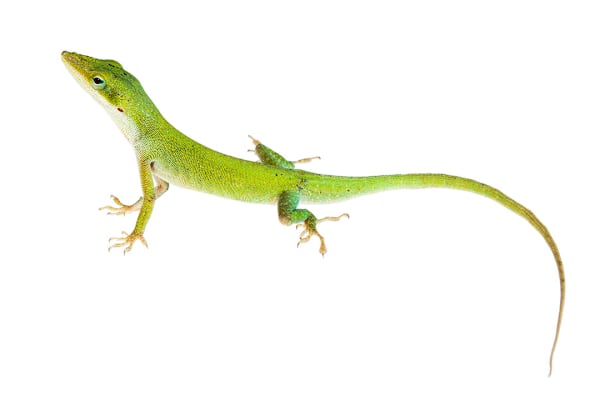
Green & Bahama Anole Care: Your Guide to Habitat, Food & Health
Learn how to take care of Green & Bahama Anoles, recommended diet and tank size. Find the right food, supplies and equipment at your neighborhood Petco.
Updated on April 9th, 2026
- Care Sheets
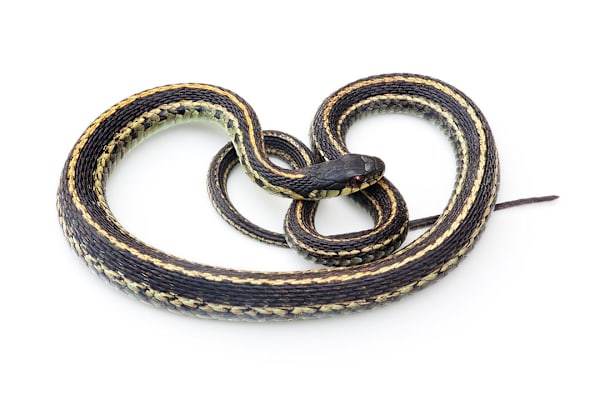
Garter & Water Snake Care: Help Your Pet Thrive! Habitat, Food, Health
Learn how to take care of Garter & Water Snakes, recommended diet and habitat setup. Find the right food, supplies and equipment at your neighborhood Petco.
Updated on April 9th, 2026
- New Pet
Safe Reptile Handling: What Every Pet Parent Should Know
Read these guidelines about handling reptiles to provide a safe and fun environment for your pet, friends and family.
Updated on July 17th, 2026
- Training & Behavior
My leopard gecko stopped eating, digging. Is 80F tank temp too cold?
Thanks for reaching out about Ruby. The tank needs to be warmed to 95-100 F in the basking area and no place in the tank should drop below 80F at night. UVB spectrum is important as is the proper diet. Anorexia for 3-4 weeks is serious and a veterinary visit is recommended to assess and provide a diagnostic/ treatment plan. Intestinal parasites, infections, malnutrition and others are possible. Good luck.
Updated on September 24th, 2025
- Home & Habitat
How to set up a leopard gecko tank: Bedding, lighting, and heat?
A 10 gallon tank can be purchased in the local Petco for less than twenty dollars ( https://www.petco.com/shop/en/petcostore/product/fish/fish-aquariums-kits/aquariums-up-to-ten-gallons/aqueon-standard-glass-aquarium-tank-10-gallon ). It would be easier to keep and secure than a laundry hamper. Given the temps required for geckos, plastic may not be the best option either. You will need a a heat lamp for day use and maybe a heat source if nighttime temperatures drop below 70 F. You can use slate, reptile carpet, plain paper towels or a coconut fiber substrate. Review gecko care at the link below. http://www.reptilesmagazine.com/Care-Sheets/Lizards/Leopard-Gecko/
Updated on September 24th, 2025
- Training & Behavior
My bearded dragon won't eat much. Why is he only eating greens?
Reptiles can be very subtle in showing when they don't feel well, and often a decrease in appetite is the only sign that they will show. Sometimes they will only be willing to eat their favorite items, so that may be a reason that Cosmo is eating certain things. Alternatively, they may be easier for him to eat somehow as well. Another hard part about reptiles is that they take a long time to show that they are sick, so something could have been going on with Cosmo for quite a while and he just hasn't shown you until now. I would recommend having Cosmo evaluated by a veterinarian due to the decrease in appetite. They will evaluate your husbandry and diet for Cosmo, and may make recommendations for them. This may include adjustments in the diet, as the items you are feeding right now have a great deal of calcium oxalates in them. Calcium oxalates can decrease absorption of calcium by the body, and calcium is very important in reptiles. The items that you are feeding with calcium oxalates include kale, mustard greens, and collard greens. These items should be fed a maximum of 1-2 times per week. Protein in the diet (insects) should be fed about twice weekly. In addition to a husbandry evaluation, your veterinarian may recommend blood work to evaluate systemic health, as well as radiographs (x-rays) to ensure that Cosmo's bones look like they have enough calcium in them.
Updated on September 24th, 2025
- Food & Nutrition
My crested gecko is picky. Should I try Pangea food and calcium?
Thanks for reaching out about Oakley. Both Repashy and Pangea are known brands in the industry but there are concerns on whether they are complete diets for a lifetime. It would be recommended to switch from one to the other, periodically. One might have more of one nutrient, where to other might be better supplemented in others. Both should be well fortified in calcium. It is possible to over-supplement with calcium so probably wouldn't add more than once weekly. Good luck.
Updated on September 24th, 2025
- Food & Nutrition
My reptile won't eat, has nose rub. Is it stress or enclosure issues?
Use a background to block his view. This may prevent glass surfing or nose rubbing as well as provide more privacy/security. Again, check the temps in his enclosure to make sure it is species appropriate. Offer a variety of crickets, mealworms, dubia roaches, silkworms and wax worms. Gut load prey for 24 hours prior to offering. Dust appropriately with vitamins and minerals regularly. He may also benefit from a soak in a warm 50/50 solution of water and unflavored PediaLyte. If his appetite does not return after adjustments to environment and diet, have him examined by your veterinarian or a vet experienced in treating reptiles. Submit a stool sample to diagnose intestinal parasites or bacterial overgrowth.
Updated on September 24th, 2025