Two Easy Ways to Start Earning Rewards!
Earn 2X Pals Rewards points at Petco
when you use Petco Pay!
Get It Today
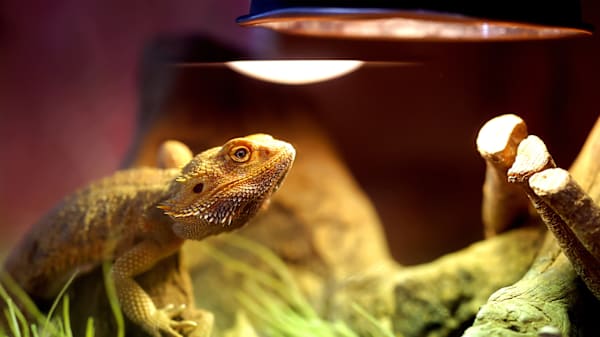
Learn the importance of UVB light for your reptiles and the right reptile lights for your pet’s habitat.
Updated on November 13th, 2025
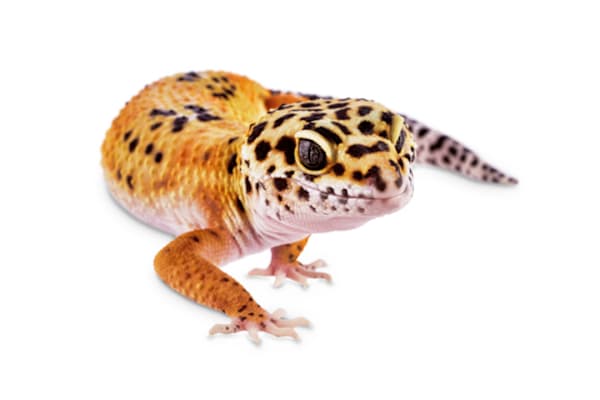
Learn how to care for an Arid Gecko, recommended diet and habitat setup. Find the right food, supplies and equipment at your neighborhood Petco.
Updated on November 13th, 2025

A few ideas to use to get your pet safely through a power outage, regardless of the time of year.
Updated on November 13th, 2025
Explore our tips about what to keep in mind when choosing the right pet reptile for your family. Consider what they need to stay happy and healthy.
Updated on November 13th, 2025
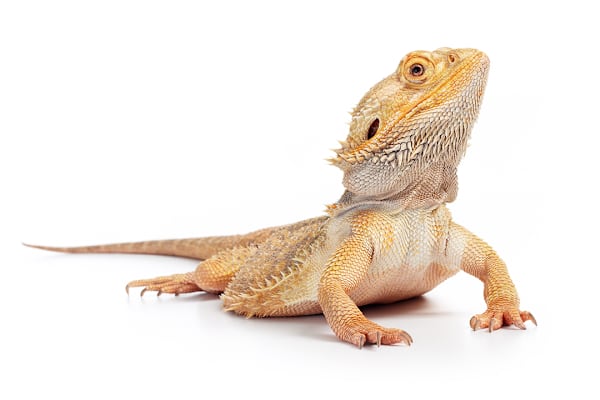
Learn how to care for a Bearded Dragon, recommended diet and habitat setup. Find the right food, supplies and equipment at your neighborhood Petco.
Updated on November 13th, 2025
A 10 gallon tank can be purchased in the local Petco for less than twenty dollars ( https://www.petco.com/shop/en/petcostore/product/fish/fish-aquariums-kits/aquariums-up-to-ten-gallons/aqueon-standard-glass-aquarium-tank-10-gallon ). It would be easier to keep and secure than a laundry hamper. Given the temps required for geckos, plastic may not be the best option either. You will need a a heat lamp for day use and maybe a heat source if nighttime temperatures drop below 70 F. You can use slate, reptile carpet, plain paper towels or a coconut fiber substrate. Review gecko care at the link below. http://www.reptilesmagazine.com/Care-Sheets/Lizards/Leopard-Gecko/
Updated on August 12th, 2025
Anytime a reptile becomes excessively lethargic, you must check the ambient and basking temperatures. Low temps can dramatically affect activity and appetite. Set daytime temps between 78 F and 82 F . Night temps can drop into the low 70s F. A small basking area set at around 80 F should be provided. They are nocturnal, so don't expect a lot of daytime activity. Offer a variety of appropriately sized prey (crickets, dubia roaches, etc.) as well as a commercial gecko diet. You may need to hold prey in front of him or tap his nose to elicit a strike. Do not attempt to force feed him. Soak him in a warm 50/50 solution of water and unflavored PediaLyte. Gently stroking his abdomen during the soak may produce a bowel movement if he hasn't been defecating. The soak will treat or prevent mild dehydration. If he continues to exhibit this behavior or does not start eating, have him examined by an experienced herp veterinarian. Submit a stool sample to diagnose intestinal parasites.
Updated on August 12th, 2025
Hi, For heat you could do a number of things e.g. place any incandenscent bulb above him, place other types of heaters near the tank etc. Please make sure that the temperature is not too high. As for food, this is more of a problem. If he's used to eating crickets it would be difficult to switch him at once to something else. I assume meal worms or otjer insects are also unavailable? You could very temporarily try some soft cat food but it may not work.
Updated on August 12th, 2025
Check the temperature and humidity in the enclosure to ensure proper ranges. He may be searching out moist substrate or warmer/cooler temps. He may also be stressed at the change in environment. Provide a secure hide at each end of the enclosure. Confirm proper environmental parameters. Allow him a few days to acclimate. Don't try to handle him until he settles in and only then for short periods of time. Monitor for lethargy or loss of appetite. Ideally, any new pet should be examined by a veterinarian within 72 hours of arriving home to confirm good health or to diagnose and treat any pre existing conditions.
Updated on August 12th, 2025
As long as the bark pieces are large enough, the chosen substrate should be fine. Small bark pieces could be accidentally ingested though, so care must be taken when feeding. Other options include reptile carpet or a moss/soil mix.
Updated on August 12th, 2025