Two Easy Ways to Start Earning Rewards!
Become a member today! Members-only pricing and offers, personalized care notifications, Vital Care points back on every purchase and more!
 Become a credit card member today!
Earn 2X Pals Rewards points at Petco
when you use Petco Pay!APPLY NOWLearn More About Petco Pay Benefits
EcoBio-Block Aquarium Water Care


Related Articles & Questions
- New Pet
Aquatic Pet Safety: Keep Your Home Aquarium Pets Healthy & Safe
Learn how to safely handle your aquatic life to avoid toxin & bacterial exposure. Find aquatic life care supplies at your neighborhood Petco pet care center.
Updated on October 29th, 2025
- Home & Habitat
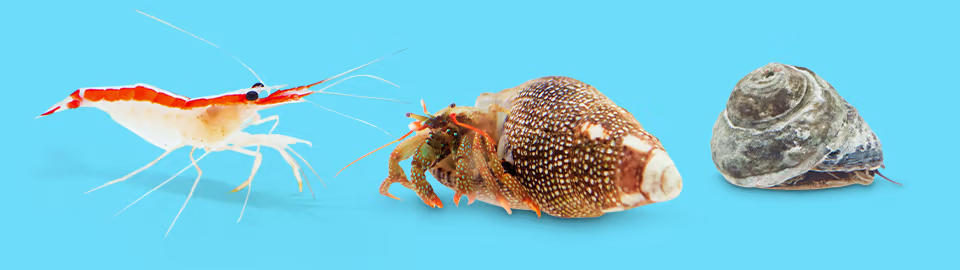
Saltwater Cleanup Crew: Banish Algae, Keep Your Tank Pristine
Visit Petco to learn about cleanup crews and how they can help your aquarium health.
Updated on October 29th, 2025
- New Pet
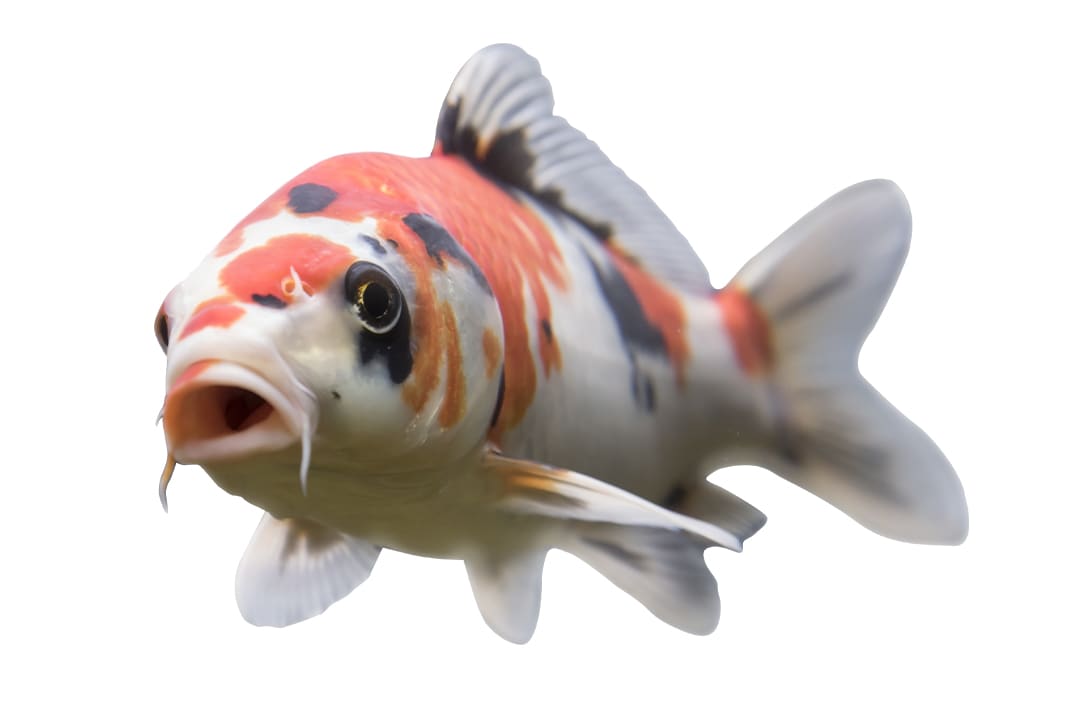
Mastering Koi Care: Optimal Tank, Food, Water Quality & Health Tips
Learn how to care for a Koi, recommended diet and aquarium setup. Find Koi for sale, supplies and equipment at your neighborhood Petco.
Updated on October 29th, 2025
 New Pet
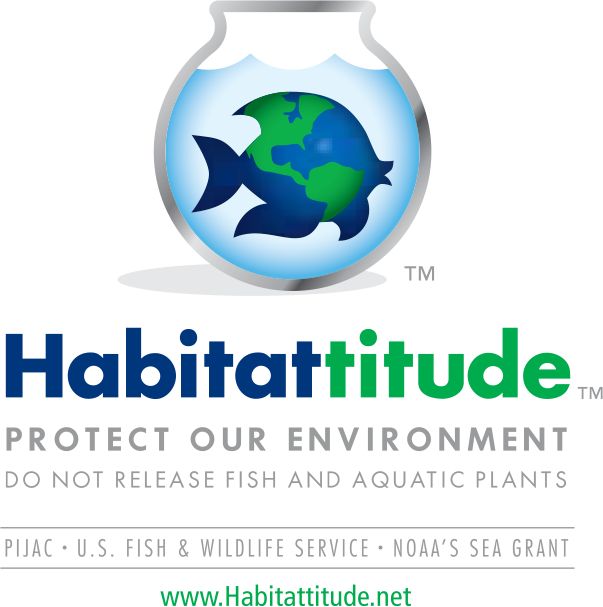
Aquatic Pet Owners: Stop Invasive Species, Save Our Waterways
Read about Habitattitude and Petco's commitment to protect our environment. At Petco, animals always come first. Learn how you can help.
Updated on October 29th, 2025
- New Pet
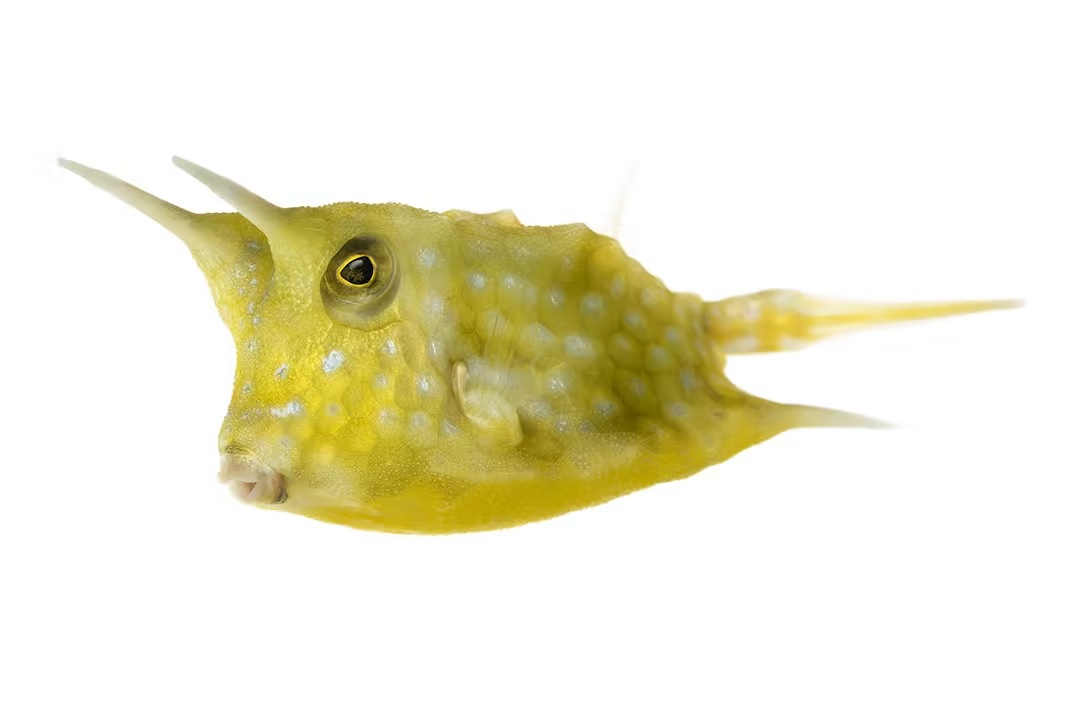
Advanced Boxfish & Cowfish Care: Ultimate Tank Setup, Food, & Safety
Learn how to care for Boxfish & Cowfish, recommended diet and aquarium setup. Find the right food, supplies and equipment at your neighborhood Petco.
Updated on October 29th, 2025
- Food & Nutrition
What types of fish should I buy because I'm a beginner in this . I have a 1 feet tank . One more thing I have heard that live-bearers could be best But I want your suggestion. And also what other Things I should buy and can you tell me a site that ca
Without anything to use for scale, it is hard for me to tell how big your tank is, but in general it seems very small. Also, the water that is in the tank appears very cloudy right now, so that would be the first place to start. Water quality is very important, and will make or break your ability to house and care for fish. I would recommend getting a good filter system (you can visit a local pet store to assist you with brands in your area, as I am not familiar with what you can get in India). Be sure to bring the measurements (height, length, width) of your tank, or the gallons or liters so they can tell you what capacity of filter you will need. Everything else will depend on what types of fish you get - if you plan on getting multiple fish, they will need to be small - a general rule of thumb is one square inch of fish per gallon of water. Depending on the species you get, you may need to also get a bubbler to ensure there is enough oxygen in the water for them, and you will also
Updated on August 12th, 2025
- Health & Wellbeing
I just purchased Imagitarium Ammonia-Reducing filter media cubes from Petco and there are no instructions for how to use. I have a 5 gallon tank with a submerged Built-in filtration system how many cubes do I use and how do I put them in my filter? P
These cubes are typically placed in the filter or directly in the water flow. The filter should have a compartment that can be opened to remove filter media. Without knowing the brand of filter, more accurate advice cannot be given. The cubes begin to work immediately to reduce ammonia levels but they should not be used as a long term solution. Monitor water chemistry using a home test kit or by submitting a water sample for testing. Most pet stores will do this for free or for a small fee. Aim for 0 ppm ammonia and nitrites with a nitrate level of 20 ppm or less. Perform partial water changes, no more than 30% at a time, to stabilize chemistry and/or to improve water quality. Use only aged or conditioned water that is temperature matched to prevent stress or shock. This would be recommended over using another method.
Updated on August 12th, 2025
- Health & Wellbeing
I went on vacation and put a vacation feeder in the tank when I came home his tank was a sandy color. After cleaning his tank complete I put him back in and after that he hasn't been the same going on a week with out eating. What did I do wrong? Now
Check the water chemistry. Confirm ammonia and nitrite levels are 0.25ppm or less and nitrates are 40ppm or less. Use a liquid test kit or submit a sample for testing. Most pet stores or aquarists will do this for free or for a small fee. Partial water changes, about 30% can be done to decrease high levels. Use only aged or conditioned water that is temperature matched to prevent further stress or shock. My preferences for water conditioning are AmQuel Plus and NovAqua in addition to StressCoat. Confirm water temperature between 78F and 80F. You can soak pellets in some garlic juice to stimulate his appetite.
Updated on August 12th, 2025
- Health & Wellbeing
Best Antiparasite, Antibacterial and antifungal medicines for separately or combination for Fish ? And suggest the dose for parrot fish or other fish ?
Pimafix is an acceptable "natural" antifungal treatment. Melafix is for bacterial infections. Kanamycin, erythromycin or metronidazole are good broad spectrum antibiotics. Fungus Cure (by API) is an excellent antifungal. You can find these medications in the aquarium section of most pet stores or even online. Follow label directions carefully and remove the carbon filter insert during treatment if indicated. The cornerstone of any treatment is to first maintain pristine water quality and stable chemistry.
Updated on August 12th, 2025
- Health & Wellbeing
hello, i bought a fish tank last week ans followed all the instructions the lady gave me for example leave the water in there for 3 days before buying the fish, cleaning the decorations bought the liquid that promotes good bacteria ect. yesterday I b
The quick start liquid will add nitrifying bacteria but will not eliminate ammonia or nitrites. Both are harmful and can kill fish in high enough concentrations. You can use a home test kit to test the water or you can submit a sample for testing. Most pet stores or aquarists will do this for free or for a nominal fee. There are chemical additives you can use to decrease levels. When adding water, use treated water or aged water. Ideally, the tank should be left empty for about 4 weeks to properly establish the nitrogen cycle before adding fish. At this point, you may lose the second fish regardless of treatment. Test the water, make adjustments, let the tank cycle and start fresh. Adding an airstone can increase oxygen levels.
Updated on August 12th, 2025