Two Easy Ways to Start Earning Rewards!
Become a member today! Members-only pricing and offers, personalized care notifications, Vital Care points back on every purchase and more!
 Become a credit card member today!
Earn 2X Pals Rewards points at Petco
when you use Petco Pay!APPLY NOWLearn More About Petco Pay Benefits
EcoBio-Block


Related Articles & Questions
 New Pet
Aquatic Pet Owners: Stop Invasive Species, Save Our Waterways
Read about Habitattitude and Petco's commitment to protect our environment. At Petco, animals always come first. Learn how you can help.
Updated on November 13th, 2025
- Health & Wellbeing
Revive Your Aquarium Plants: Fix Nutrient Deficiencies for Lush Growth
Are your aquarium plants nutrient deficient? Petco is here to help you identify different deficiencies such as light, nitrogen, co2, magnesium, iron and more.
Updated on November 13th, 2025
- New Pet
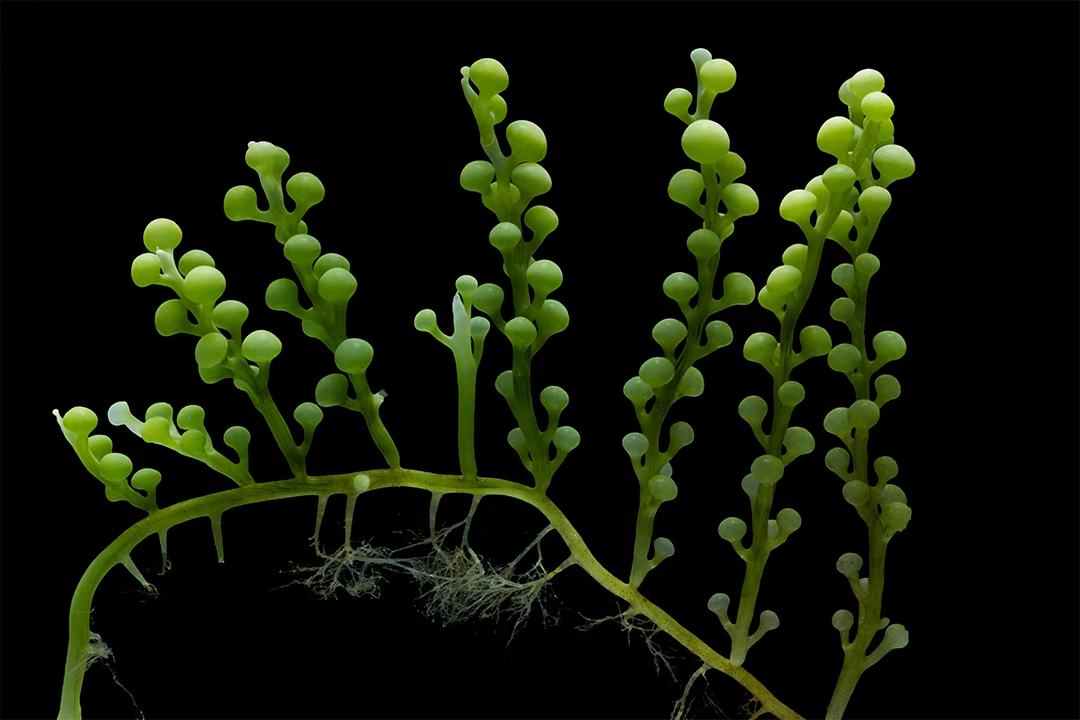
Marine Aquatic Plant and Macroalgae Care Sheet
Discover care tips for marine aquatic plant macroalgae & the benefits of having macroalgae in your tank! Learn aquarium requirements, propagation, and mating facts.
Updated on November 13th, 2025
- New Pet
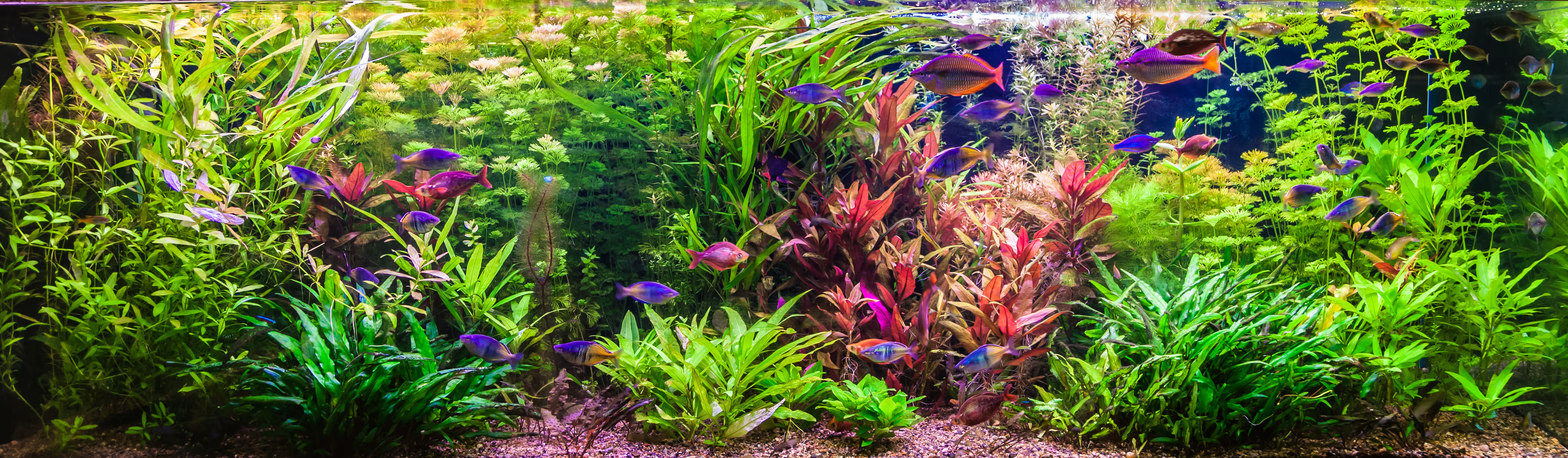
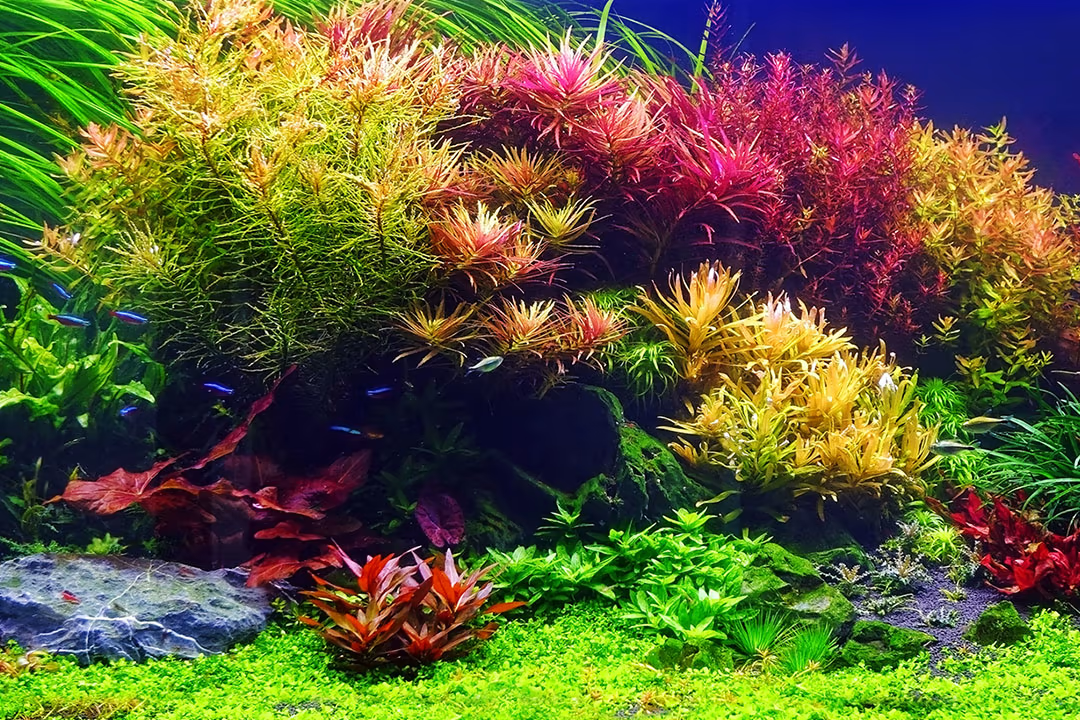
Grow Thriving Plants: Planted Aquarium Setup, Care & Benefits
Tanks with live plants can be excellent additions to your home, bringing a touch of nature indoors. There are many varieties of beginner-friendly plants to build your planted aquatic environment. Learn how to build & care for a planted tank.
Updated on November 13th, 2025
- Home & Habitat
Green Pet Care: Sustainable Products & Practices for Your Furry Friend
Being a sustainable pet parent involves good practices and habits. Learn more about eco-friendly dog products, eco-friendly cat products and other solutions.
Updated on November 13th, 2025
- Health & Wellbeing
Best Antiparasite, Antibacterial and antifungal medicines for separately or combination for Fish ? And suggest the dose for parrot fish or other fish ?
Pimafix is an acceptable "natural" antifungal treatment. Melafix is for bacterial infections. Kanamycin, erythromycin or metronidazole are good broad spectrum antibiotics. Fungus Cure (by API) is an excellent antifungal. You can find these medications in the aquarium section of most pet stores or even online. Follow label directions carefully and remove the carbon filter insert during treatment if indicated. The cornerstone of any treatment is to first maintain pristine water quality and stable chemistry.
Updated on August 12th, 2025
- Health & Wellbeing
I have recently used medication in my 50 gal freshwater fish tank with one 22 year old comet goldfish in it . the meds cured my fish but must have killed my beneficial Bacteria as now my established tank has been going through another nitrogen cycle.
Thanks for reaching out about Fishy. A UV sterilizer will only help if a bacterial component is adding to the cloudiness. More intense water changes are the best way to remove nitrates. Monitor feeding to limit excess, vacuum bottom of tank to remove degrading detritus. Good luck.
Updated on August 12th, 2025
- Health & Wellbeing
How to manage planted aquarium if I have gone for 1 month from to home at job ?.....And which things to do that my planted aquarium (75 litre ) will be prevented to algae and amonia ?
You can buy an automatic feeder which you should set to about 3/4 of the normal feeding amount. There are fish that eat algae, you may want to put in an algae eating fish. If you have a working set up (reliable heat, filter and oxygenation) then you should not have to worry about ammonia. Change 1/3 of the water before you leave, check the filter, remove all mulch from the gravel, and the aquarium should be fine.
Updated on August 12th, 2025
- Health & Wellbeing
After using metronidazole 400mg×2 tablets in 75 litre aquarium tank, my two parrot fish has thread like some seeing near gills and genital area ? How to treat them ?
Without an image, it is difficult to make detailed recommendations. In general, maintain pristine water quality and chemistry. Monitor for elevated ammonia or nitrite levels and perform partial water changes as needed. Use only conditioned water that is temperature matched to prevent stress or shock. Consider adding in a second antibiotic, such as Kanamycin, to treat gram negative bacterial infection. When treating the tank, be sure to remove the carbon filter insert during treatment.
Updated on August 12th, 2025
- Health & Wellbeing
My fish tank is getting brown on the decorations and gravel I tried cleaning it a couple days ago but came right back
Brown algae overgrowth can be due to high nitrates, too much light or overfeeding. Use a liquid home test kit or submit a water sample for testing. Most pet or fish stores will do this for free of for a small fee. If nitrates are over 40ppm, it can be decreased by performing partial water changes. Use only aged or conditioned water that is temperature matched to prevent stress or shock. You can also use a nitrate absorbing filter insert. The algae will need to be physically scrubbed from plants or rocks and can be scraped from glass. Rinse filter media using tank water NOT tap water. Limit light to 6 hours daily, 8 if you have live plants and do not over feed.
Updated on August 12th, 2025