Two Easy Ways to Start Earning Rewards!
Earn 2X Pals Rewards points at Petco
when you use Petco Pay!
Get It Today
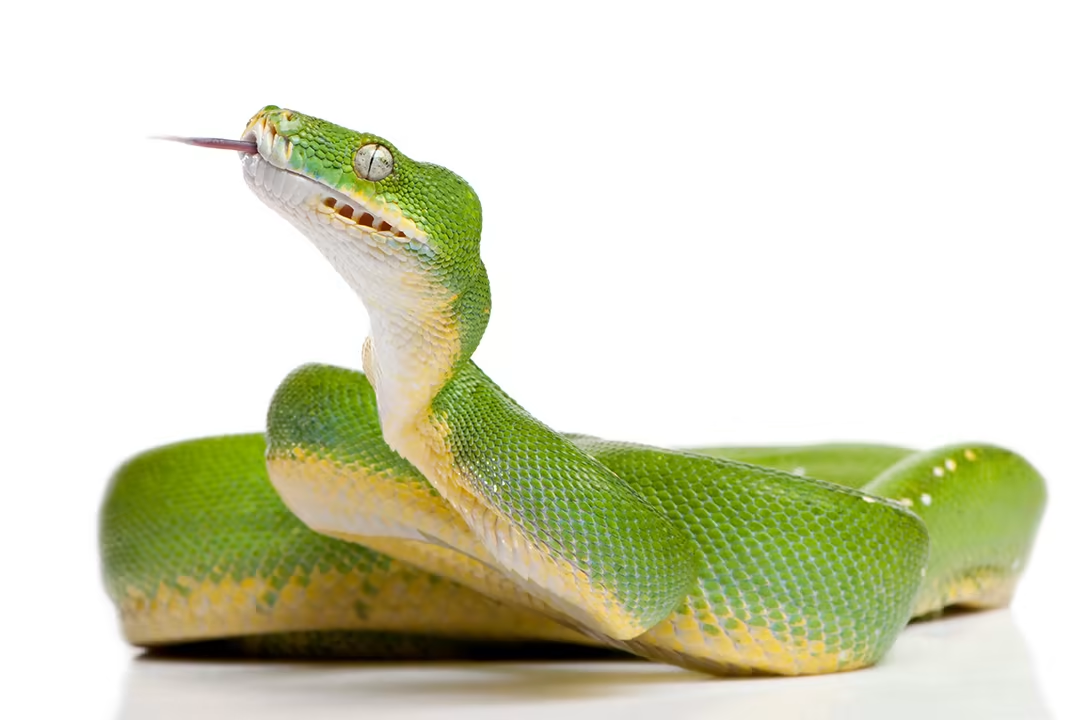
Learn how to take care of your Green Tree Python, tank size, diet & habitat setup. Find the right food, supplies and equipment at your neighborhood Petco.
Updated on November 13th, 2025
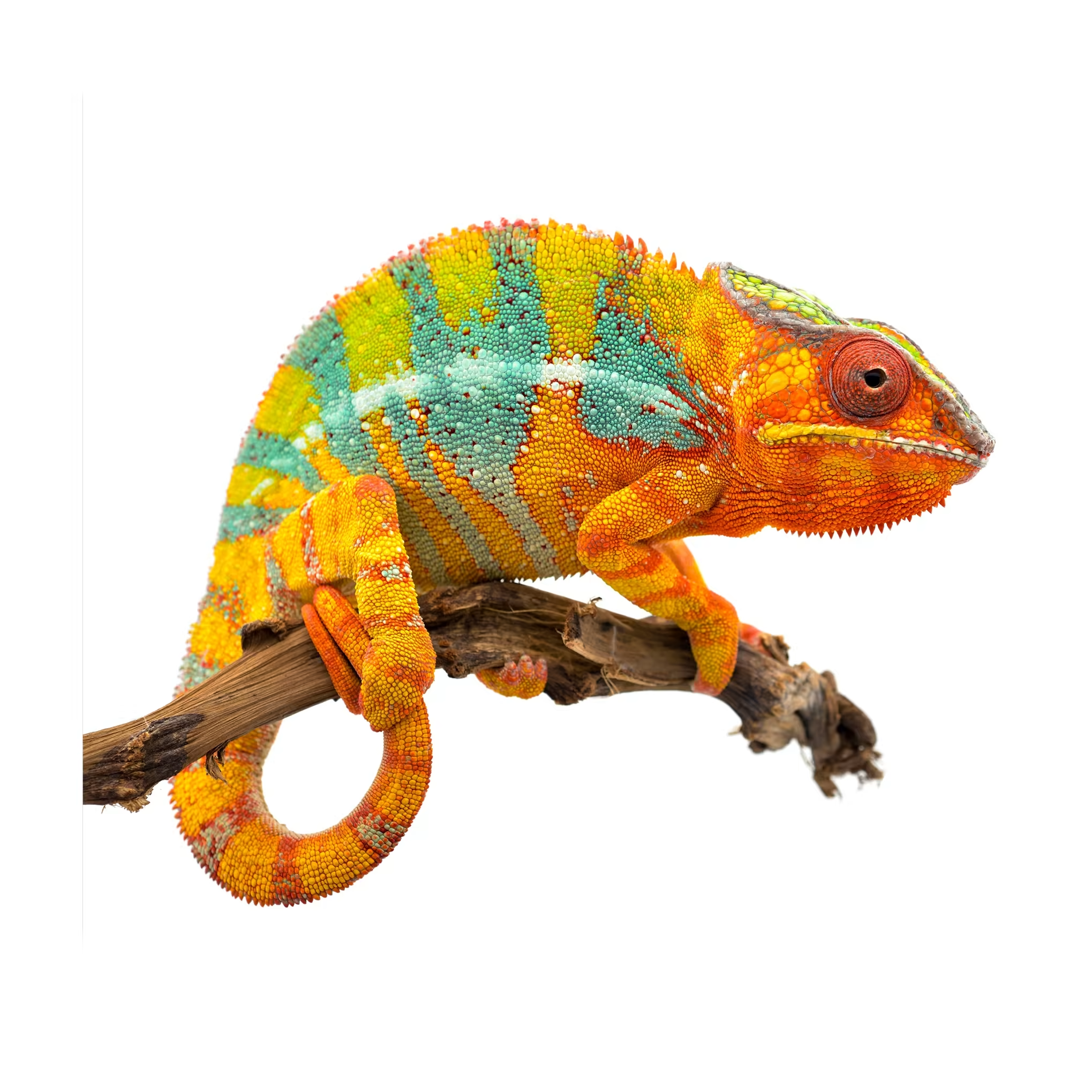
Learn how to care for warm climate Chameleons, recommended diet & habitat setup. Find the right food, supplies & equipment at your neighborhood Petco.
Updated on November 13th, 2025
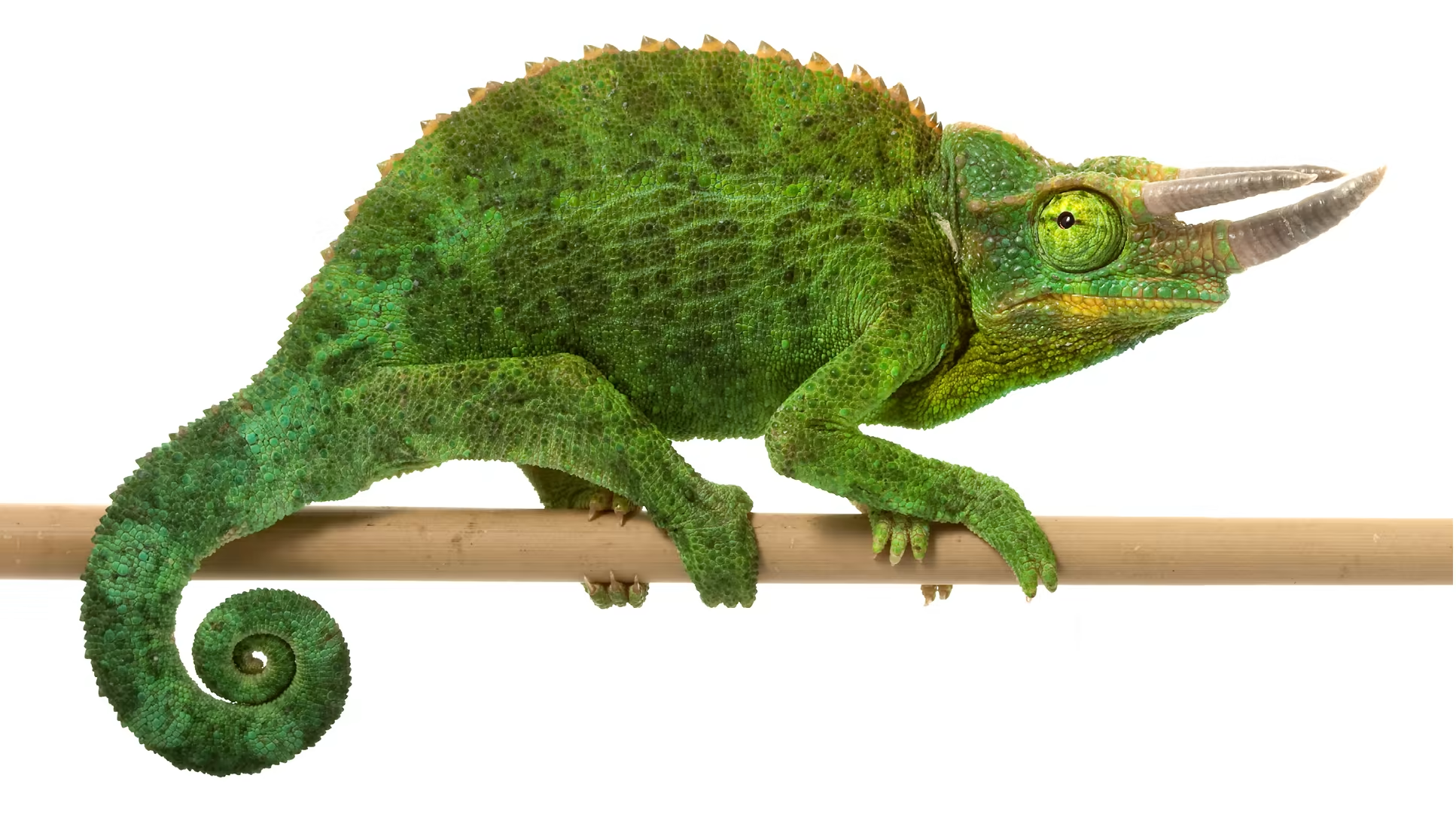
Learn how to care for Jackson's Chameleons, recommended diet & habitat setup. Find the right food, supplies & equipment at your neighborhood Petco.
Updated on November 13th, 2025
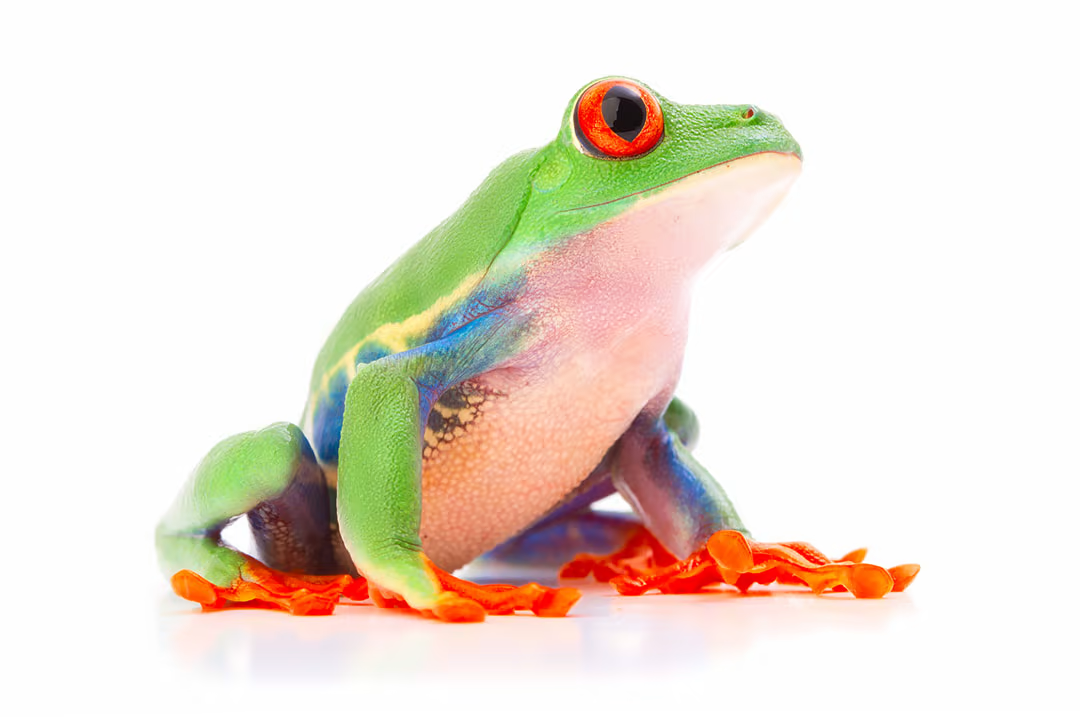
Learn how to care for a Red-Eyed Tree Frog, recommended diet and habitat setup. Find the right food, supplies and equipment at your neighborhood Petco.
Updated on November 13th, 2025
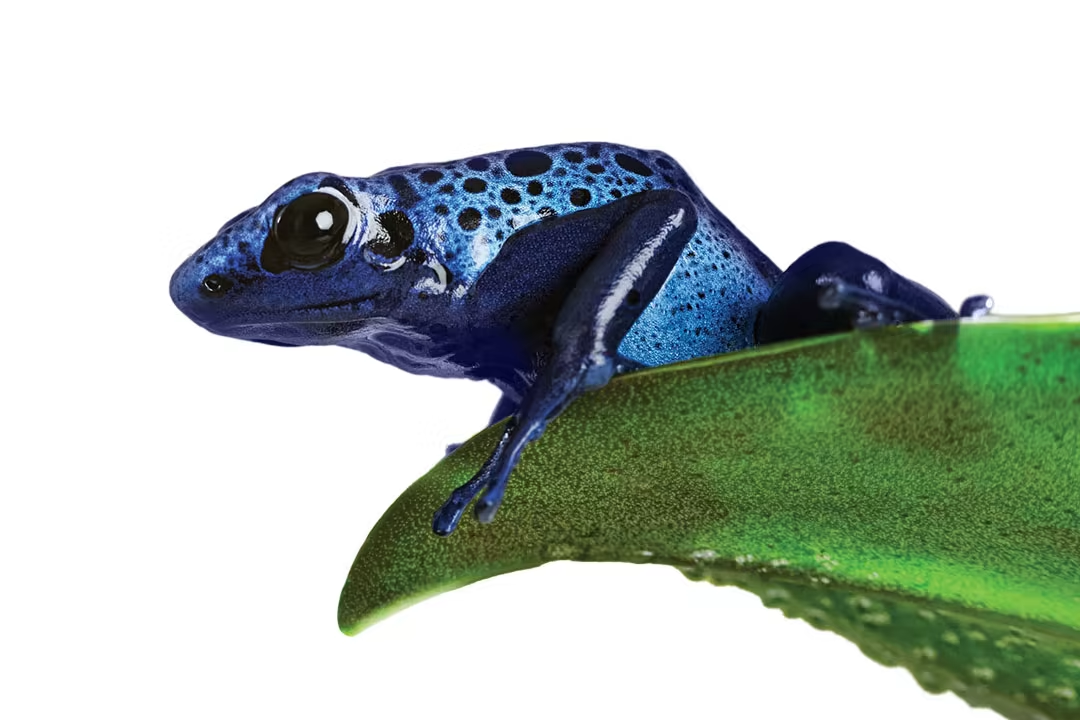
Learn how to take care of Arrow Frogs, recommended diet and tank setup. Find the right food, supplies and equipment at your neighborhood Petco.
Updated on November 13th, 2025
It may provide an immune system boost and could stimulate the appetite which is important in a sick pet. Personally, I think the claims it makes as an "antibiotic" may be a bit thin. You can try it for a day or two, but if you don't see an improvement, have Tart examined by your veterinarian for a definitive diagnosis and an appropriate treatment.
Updated on August 12th, 2025
A better option would be to use the link below to find a veterinarian experienced in treating reptiles. https://arav.site-ym.com/search/custom.asp?id=3661 In the meantime, change out the rocks for something "softer", such as a soil/most mix. Rocks can cause tiny scrapes on the shell which can introduce infection. Use a thermometer in the basking spot to make sure temps don't get too high. A thermometer on the other end would be recommended to make sure temps aren't too low. Offer a commercial pelleted diet along with fresh greens and vegetables.
Updated on August 12th, 2025
Check the temperature an dlighting. Low temps can affect appetite and digestion in reptiles. Offer a biologically appropriate diet. This can include a commercial pelleted or stick diet, and being omnivorous, should also include insects, fresh fruit and vegetables. See your veterianrian or vet experienced in treating reptiles if she does not regain her appetite.
Updated on August 12th, 2025
Leopard geckos are great "starter" reptiles. They don't require special lighting (UVB) like other reptiles. A 20 gallon tank is big enough for one. Add a heat source, hides and a water bowl and you are good to go. You can review gecko care at the links below. http://www.reptilesmagazine.com/Care-Sheets/Lizards/Leopard-Gecko/ http://www.anapsid.org/leopardgek.html
Updated on August 12th, 2025
It does appear to be of the takydromus species. These grass lizards are common and fairly easy to keep. Being adept climbers, more vertical space should be offered in an enclosure. Branches and vines can be placed for climbing. Bring reptiles, they need an external heat source and UVB lighting. Daytime temps can range from 24 C to 30 C (75-85 F). Provide a basking spot of around 35 C to 38 C (95-100 F) using a heat lamp. Aim for 70-80% humidity. Provide a shallow bowl for water. Mist the cage daily. Feed appropriately sized prey, no bigger than the space between the eyes, that have been gutload for 24 hours prior to offering. This will maximize nutritional value. Crickets, mealworms, dubia roaches, waxworms or wingless fruit flies can all be offered. Dust prey with a calcium supplement and a multivitamin supplement several times weekly. Ideally, the wound should be addressed by a veterinarian experienced in treating reptiles. You can clean it with dilute Betadine or chlorhexidine
Updated on August 12th, 2025