Two Easy Ways to Start Earning Rewards!
Earn 2X Pals Rewards points at Petco
when you use Petco Pay!
Get It Today
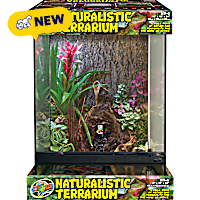
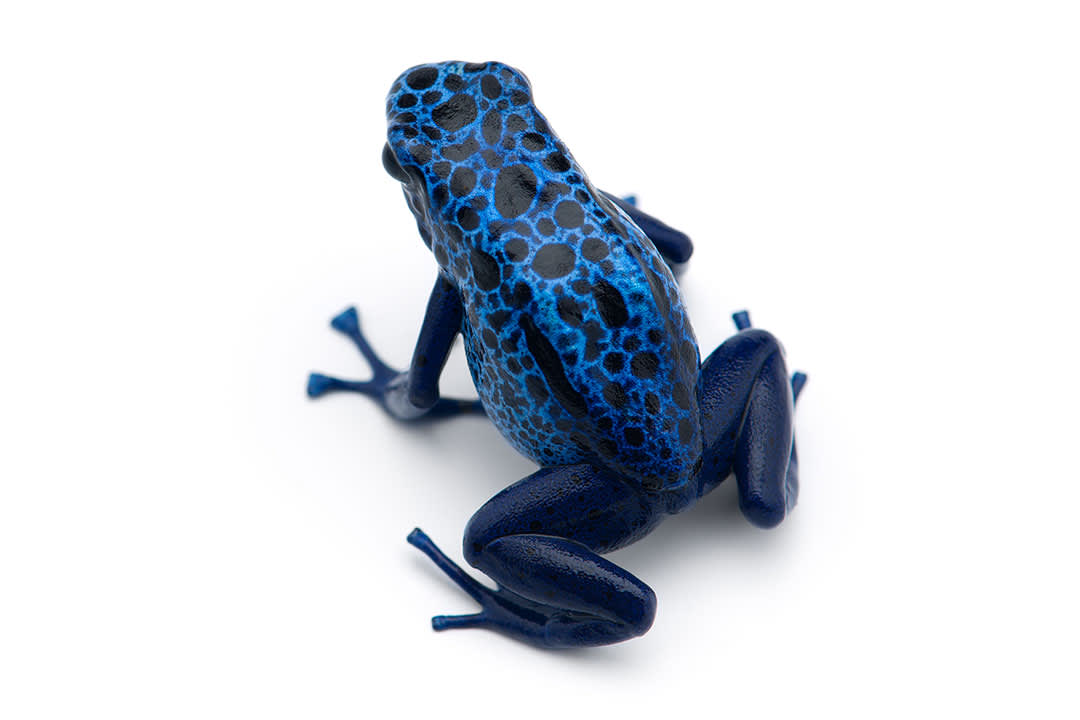
Learn how to care for small Terrestrial Frogs, recommended diet and habitat setup. Find the right food, supplies and equipment at your neighborhood Petco.
Updated on November 13th, 2025
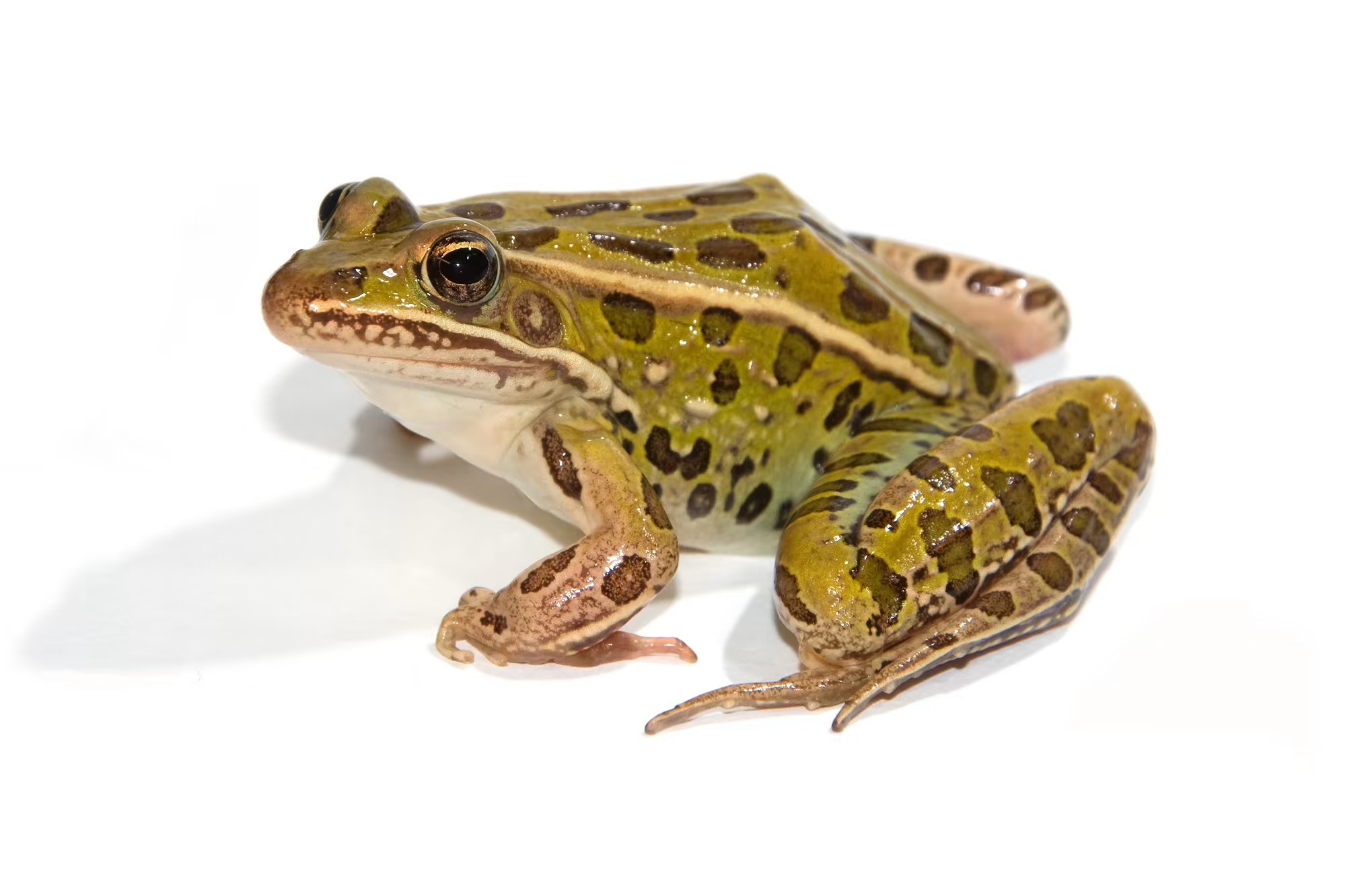
Learn how to care for large terrestrial frogs, recommended diet & habitat setup. Find the right food, supplies & equipment at your neighborhood Petco.
Updated on November 13th, 2025
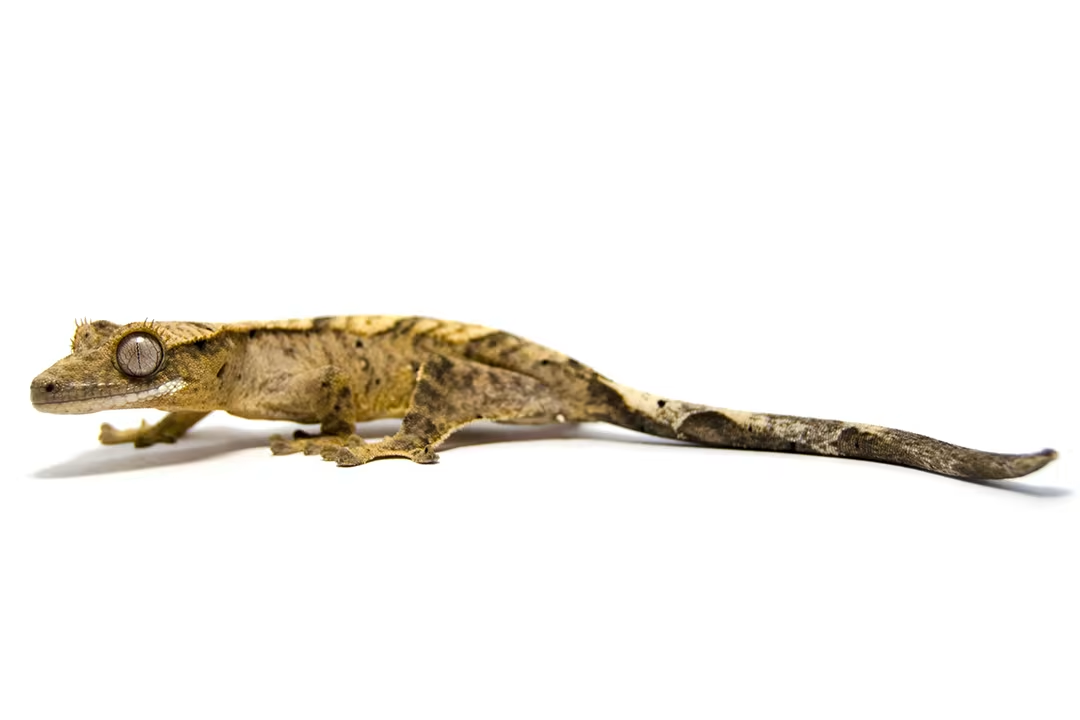
Learn how to take care of your Crested Gecko, tank size, diet & habitat setup. Find the right food, supplies and equipment at your neighborhood Petco.
Updated on November 13th, 2025
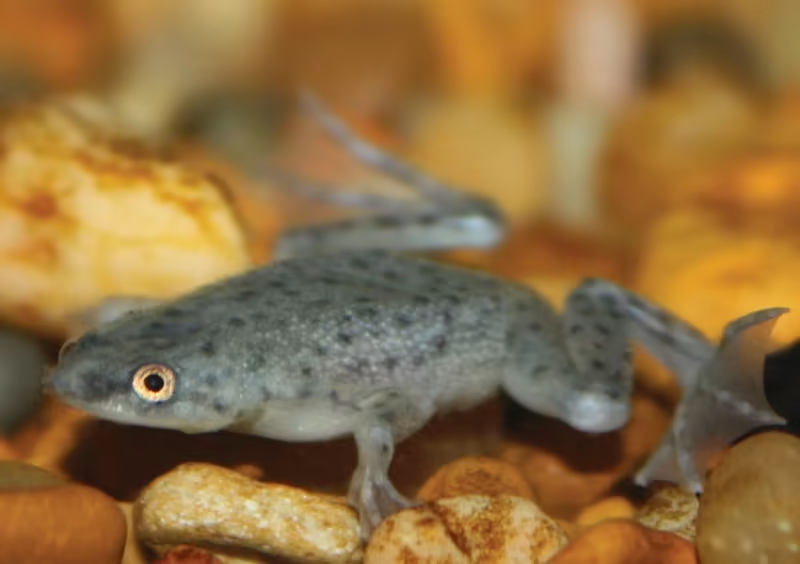
African Dwarf Frogs are fully aquatic amphibians that thrive in a tropical environment with a water temperature of 68–78°F (20–26°C), light, and filtration.
Updated on November 13th, 2025
Tanks with live plants can be excellent additions to your home, bringing a touch of nature indoors. Learn how to take care of aquatic plants.
Updated on November 13th, 2025
Thanks for your question - to find a veterinarian in your area, you can check the AAFV or ARAV websites. Additionally, UC Davis is a couple of hours from you, and they have a department at their veterinary school that will see both fish and frogs. For the rock size - you are correct - you want to have larger rocks so that your frog doesn’t accidentally ingest any of them. For your last question about the spasms - without further description I would be unable to determine if this was normal or not, but I would recommend ensuring that you have a complete and balanced diet for the species of frog that you have. Nutritional deficiencies can be very common in frogs, and can result in “spasms” in them. I hope that helps to answer your questions, and good luck!
Updated on August 12th, 2025
Pothos or philodendron can be used in your vivarium. Be sure to avoid using any potting soil or soil with fertilizer. Artificial plants are also an option since they will survive any "frog stomping".
Updated on August 12th, 2025
Thanks for reaching out about Pacman and including photos. Found quite a few websites with information including Reptile Magazine, Petco, Petsmart and other pet stores. This would be a great start. Read as many as possible to assimilate the wealth of information. Good luck.
Updated on August 12th, 2025
By your description, it could be a species of isopod. These are typically not dangerous to tank inhabitants. The best option is to empty the tank and sanitize it. Use completely new substrate and monitor humidity levels. Keep the tank clean of stool and remove any uneaten food or dead/drying plants to prevent attraction of pests.
Updated on August 12th, 2025
Confirm proper environmental parameters, especially temperature. Low temps can affect appetite in reptiles and amphibians. Be sure you are offering appropriately sized prey as well. Nothing bigger than the space between the eyes. I would suggest you correct the type of pet you have in the information section. I don't think you have a tadpole if he hangs out with you on the desk. Knowing the species allows us to provide more accurate advice.
Updated on August 12th, 2025