Two Easy Ways to Start Earning Rewards!
Earn 2X Pals Rewards points at Petco
when you use Petco Pay!
Get It Today
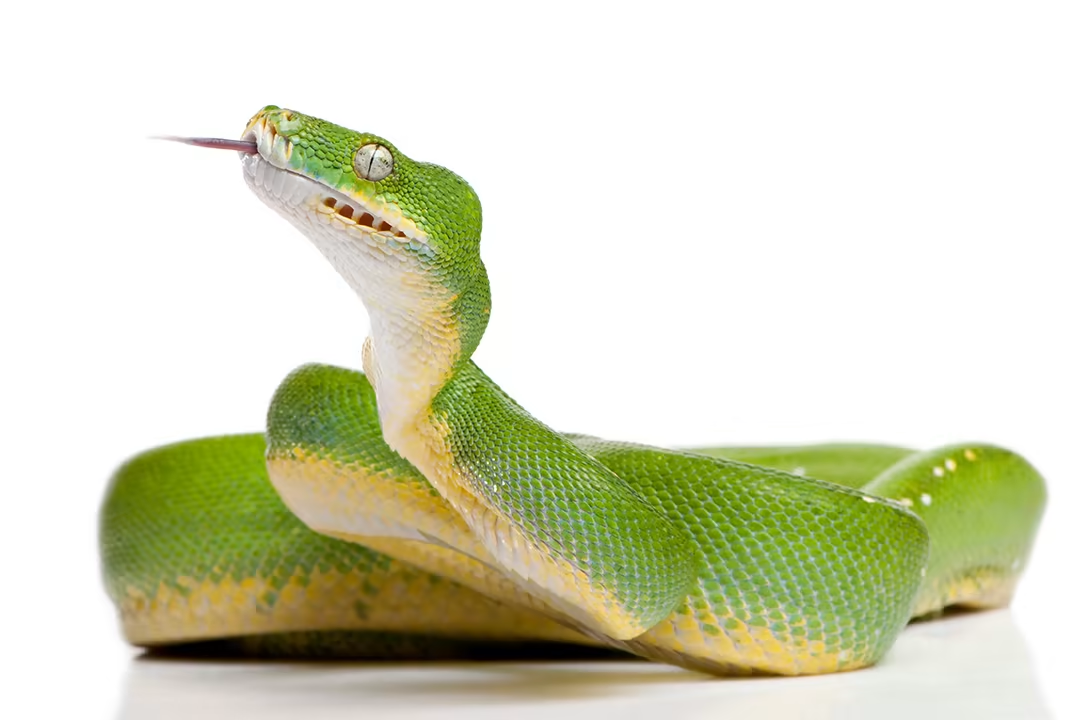
Learn how to take care of your Green Tree Python, tank size, diet & habitat setup. Find the right food, supplies and equipment at your neighborhood Petco.
Updated on November 13th, 2025
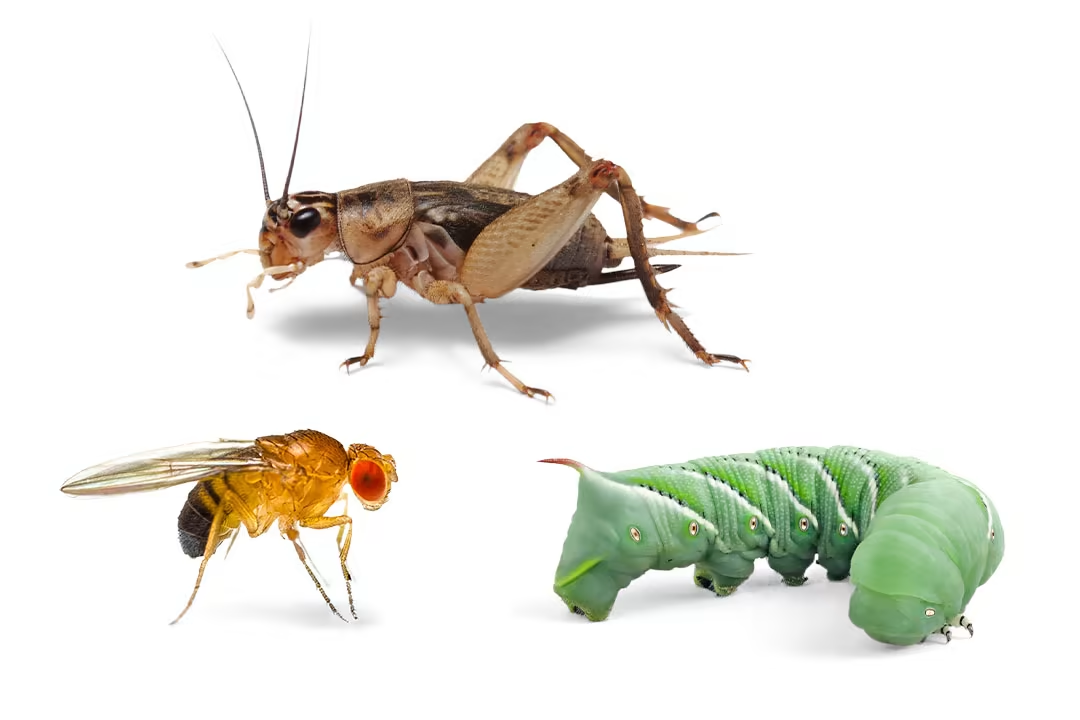
Learn about live insects for reptile feeding, recommended diet & habitat setup. Find the right food, supplies & equipment at your neighborhood Petco.
Updated on November 13th, 2025
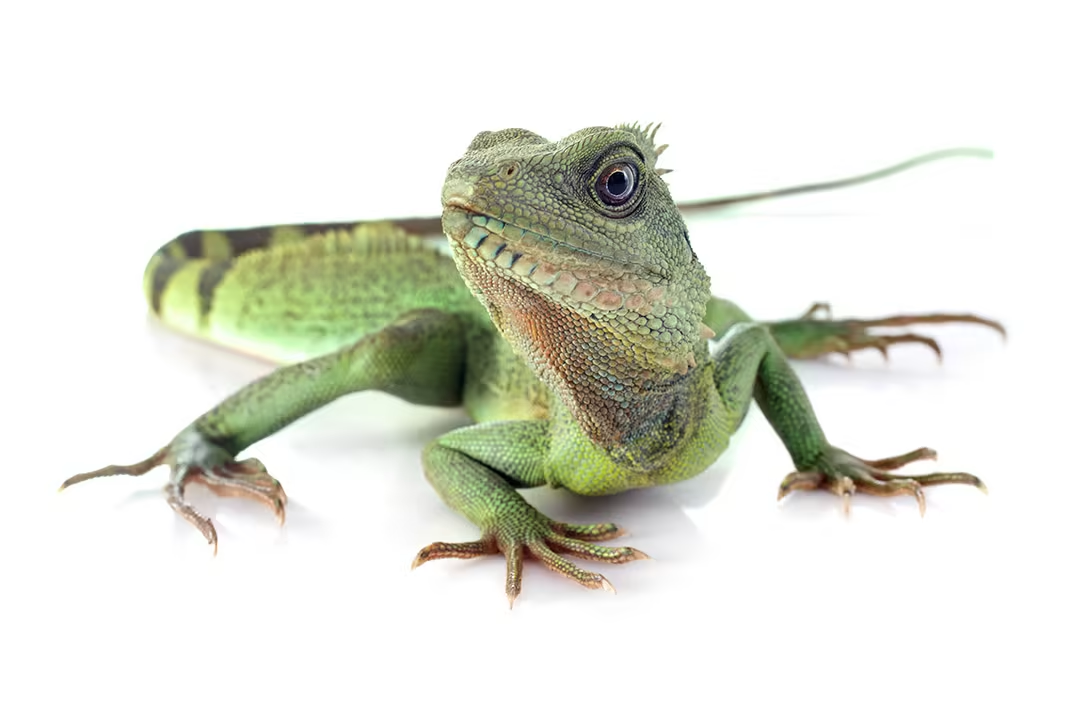
Learn how to take care of Water Dragons, recommended diet and habitat setup. Find the right food, supplies and equipment at your neighborhood Petco.
Updated on November 13th, 2025
Regular cleaning and disinfecting of your pet's cage and accessories is one of the keys to keeping your reptile healthy. Learn how often you should clean your cage.
Updated on November 13th, 2025
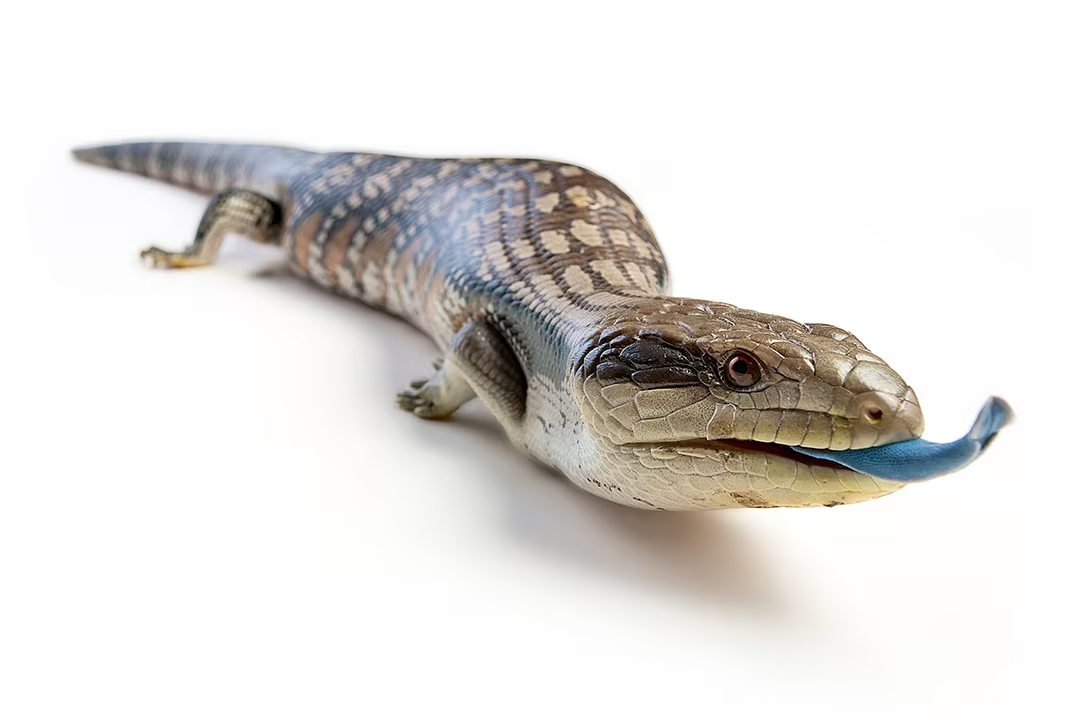
Learn how to care for Blue-Tongued Skink, recommended diet and habitat setup. Find the right food, supplies and equipment at your neighborhood Petco.
Updated on November 13th, 2025
Monitor for lethargy, loose droppings, regurgitation, loss of appetite or straining to defecate. These are symptoms that should be addressed by your veterinarian or a vet experienced in treating reptiles. Depending on the size of the pieces, she may be able to pass them. You can dab a bit of plain canned pumpkin (NOT pie filling) on her nose. This will add fiber to hopefully move things along.
Updated on August 12th, 2025
You must treat both the environment and the pet. You can try some over the counter products but many can be ineffective if the environment is not treated concurrently. Ivermectin can be dispensed by your veterinarian to use systemically or topically. Do not treat with ivermectin without the advice of your veterinarian as it is quite easy to overdose. A 30 minute soak in a diluted Betadine bath can remove most mites and may soothe irritated skin. Remove the substrate, bag it and take it outdoors. Clean and sanitize the cage, bowls and tank furniture. You can use hot, soapy water followed by a 1:30 dilution of bleach and water followed by a thorough rinsing on the tank, bowls and non porous surfaces. Discard anything that cannot be sanitized. You may need to clean and sanitize the enclosure weekly for several weeks. The pet may need multiple treatments as well.
Updated on August 12th, 2025
Make sure his cage is large enough. A 20 gallon tank will be sufficient for now (if that's what you have) but as he grows, you will need to move him into a larger enclosure. Provide multiple hiding boxes and plants (real or fake) for privacy. You can also use cage wraps or backgrounds to provide additional privacy. He can come out of the cage also but be sure he does not get chilled or escape into a small crack or crevice.
Updated on August 12th, 2025
A small enough piece should pass uneventfully. Monitor for lethargy, loss of appetite or lack of defecation. If necessary, see your veterinarian or an experienced herp vet. Soaking him in a warm 50/50 solution of water and unflavored PediaLyte will keep him well hydrated which can help the substrate pass easier.
Updated on August 12th, 2025
Leopard geckos are great "starter" reptiles. They don't require special lighting (UVB) like other reptiles. A 20 gallon tank is big enough for one. Add a heat source, hides and a water bowl and you are good to go. You can review gecko care at the links below. http://www.reptilesmagazine.com/Care-Sheets/Lizards/Leopard-Gecko/ http://www.anapsid.org/leopardgek.html
Updated on August 12th, 2025