Two Easy Ways to Start Earning Rewards!
Become a member today! Members-only pricing and offers, personalized care notifications, Vital Care points back on every purchase and more!
 Become a credit card member today!
Earn 2X Pals Rewards points at Petco
when you use Petco Pay!APPLY NOWLearn More About Petco Pay Benefits
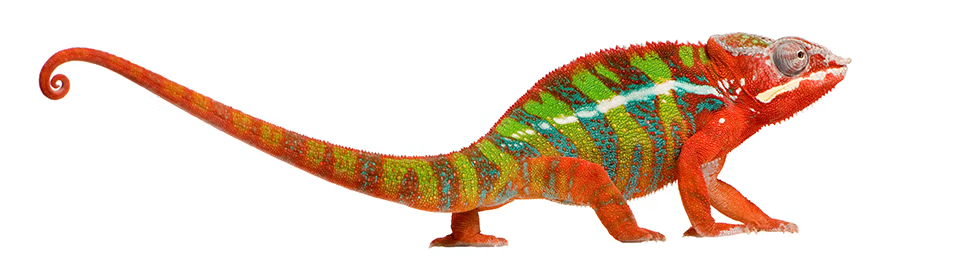
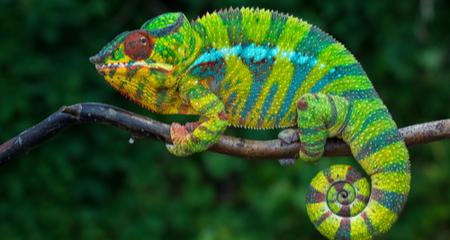
T-Rex Chameleon Shop


Related Searches
Related Articles & Questions
- Health & Wellbeing
Chameleon Color Changes: How, Why & What Your Pet's Hues Mean
Chameleons are a type of lizard that can change their color to match the environment. They have a complex interaction between hormones, which can help them camouflage.
Updated on November 13th, 2025
- Food & Nutrition
Chameleon Vitamin A: Spot Deficiency Early & Ensure Pet Health
A varied diet is critical to the overall health of a chameleon to prevent a nutritional deficiency of vitamin A.
Updated on November 13th, 2025
- New Pet
Arid Lizard Care: Expert Tips for Optimal Habitat, Diet & Health
Learn how to care for arid lizards, recommended diet & habitat setup. Find the right food, supplies & equipment at your neighborhood Petco.
Updated on November 13th, 2025
- New Pet
How to Prevent Reptile Illness: Safe Handling & Habitat Cleaning
Read these guidelines about handling reptiles to provide a safe and fun environment for your pet, friends and family.
Updated on November 13th, 2025
- New Pet
How to Safely Handle Reptiles: Stop Salmonella, Protect Your Family
Read more about our recommendations for preventing the transmission of infectious diseases in reptiles. Keep pets safe with these best practices.
Updated on November 13th, 2025
- Health & Wellbeing
Is my chameleon sick?! I came home last night and it was super bright and nice, then when I woke up this morning he's been extremely dark and he hasn't moved from the top of the cage since we got him (June 7th), he also hadn't eaten in two days, I tr
He may be stressed at the change in environment. You'll first need to determine what negative stimuli, if any, are present. The enclosure should be in a low traffic area away from drafts, loud noises or direct sunlight. If he's in front of a window, make sure he can move out or the light whenever he wants. Check environmental parameters as well. Low temps, insufficient lighting or improper humidity levels can result in stress. Feed appropriately sized prey. N bigger than the space between his eyes. Gut load them for 24 hours prior to offering to maximize nutritional value. Soak or mist him with a warm 50/50 solution of water and unflavored PediaLyte to prevent or treat mild dehydration. As a new pet, consider having him examined by your veterinarian or a vet experienced in treating reptiles to confirm good health or to treat any pre existing conditions.
Updated on August 12th, 2025
- Health & Wellbeing
My chameleon is very sick it's laying on the floor on its side gasping for air and she is very weak I've been giving her steam treatments what else can I do I have no money to take her to the vet plz help me where can I find antibiotic for her I live
Hello, I’m so sorry to hear about your chameleon. What you are describing sounds very serious. Without doing an exam, I really can’t determine what could be going on, but I worry she could have a serious infection, retained eggs, or some other problem. Unfortunately, she may be in terminal stages of a disease. Given how serious this sounds, I honestly don’t think there is anything you can do at home without the help of a veterinarian (besides keeping her warm and hydrated). Any antibiotic that would be effective in a reptile her size would need to be prescribed by a veterinarian. If you believe she is dying, then euthanasia may be an option to ease her suffering, and this is typically a reasonably priced service. I’m very sorry she is so ill. If you’d like more detailed advice, don’t hesitate to request a consult. Also, arav.org has reptile veterinarians listed by state. Good luck.
Updated on August 12th, 2025
- Training & Behavior
my baby bearded dragon is biting me and i don’t know how to make him stop he is also a grayish color i don’t know what to do please help
Thanks for reaching out about Rex. The key with taming bearded dragons is gentle handling, quiet movements, and winning trust. Try short periods of handling and offering treats by hand to win trust. Good luck.
Updated on August 12th, 2025
- Health & Wellbeing
I just want to know if my tank looks ok and if I might need anything else. P.S. the temperature isn't as high because I just connected the lights because I was cleaning the tank. The grass is fake btw
Ideally, the UVB light source should run the entire length of the tank. A thermometer/hygrometer should be on each end of the tank to confirm cool and warm sides. Use a digital thermometer to verify temps. Those little ones you have can be inaccurate. Provide a hide on both sides as well. Personally, I would remove the fake grass as it has the potential to cause eye injuries. Your tank looks good otherwise.
Updated on August 12th, 2025
- Health & Wellbeing
I found my chameleon with her tongue barley hanging out, took her to get some drips on it and she dropped her tongue like never before, tongue not going in, almost looks like swelling at the tip and bloodshot red the rest of the way up
Check the temperature in the cage. Make sure it isn't too high or too low. Soak Cheech in a warm 50/50 solution of water and unflavored PediaLyte. This will provide warmth and hydration. She should be seen by your veterinarian or an experienced herp vet as soon as you can to diagnose injury or infection. You can find a qualified vet here: http://arav.site-ym.com/search/custom.asp?id=3661
Updated on August 12th, 2025