

Two Easy Ways to Start Earning Rewards!
Become a member today! Members-only pricing and offers, personalized care notifications, Vital Care points back on every purchase and more!
 Become a credit card member today!
Earn 2X Pals Rewards points at Petco
when you use Petco Pay!APPLY NOWLearn More About Petco Pay Benefits
Rep-Cal Reptile Food
Get It Today


Related Articles & Questions
- New Pet
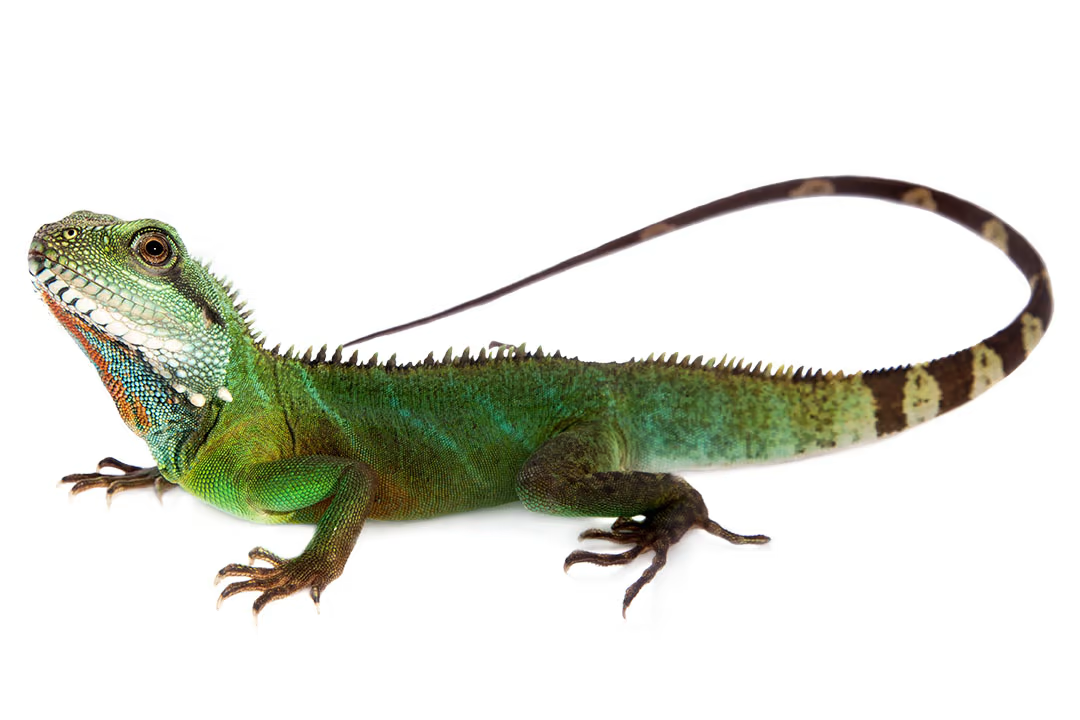
Ultimate Tropical Lizard Care: Habitat, Food & Health for a Happy Pet
Learn how to care for tropical lizards, recommended diet & habitat setup. Find the right food, supplies & equipment at your neighborhood Petco.
Updated on October 23rd, 2025
- New Pet
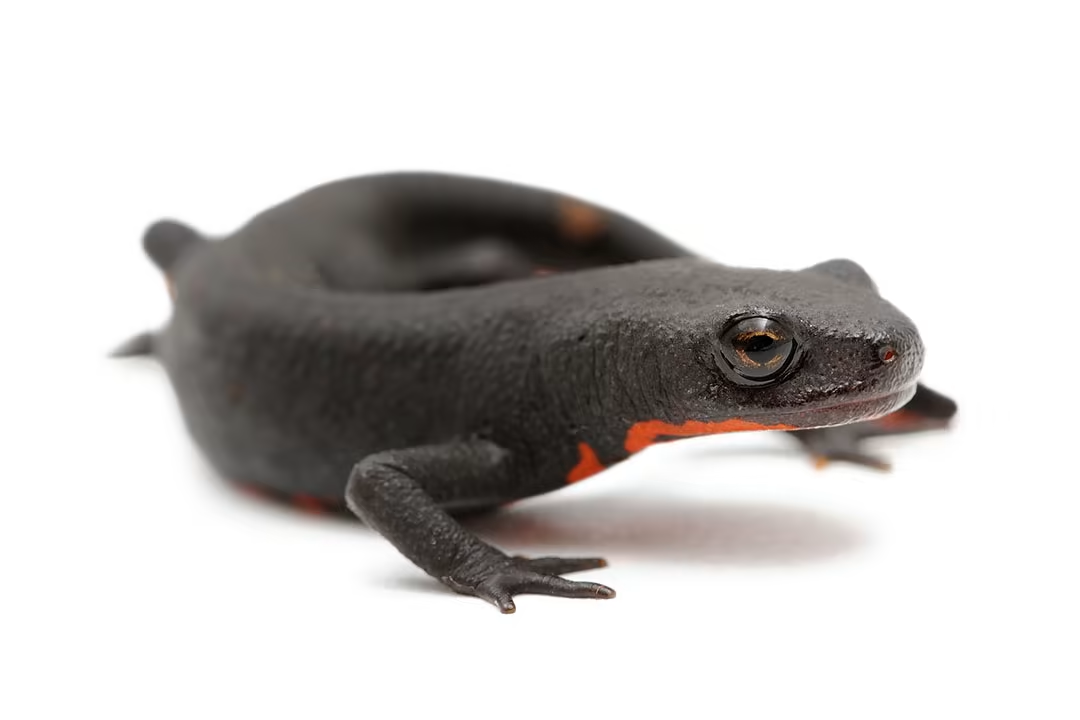
Mastering Pet Salamander & Newt Care: Food, Habitat, Health Guide
Learn How to Care for a Salamander & Newts, recommended diet and habitat setup. Find the right food, supplies and equipment at your neighborhood Petco.
Updated on October 23rd, 2025
- Food & Nutrition
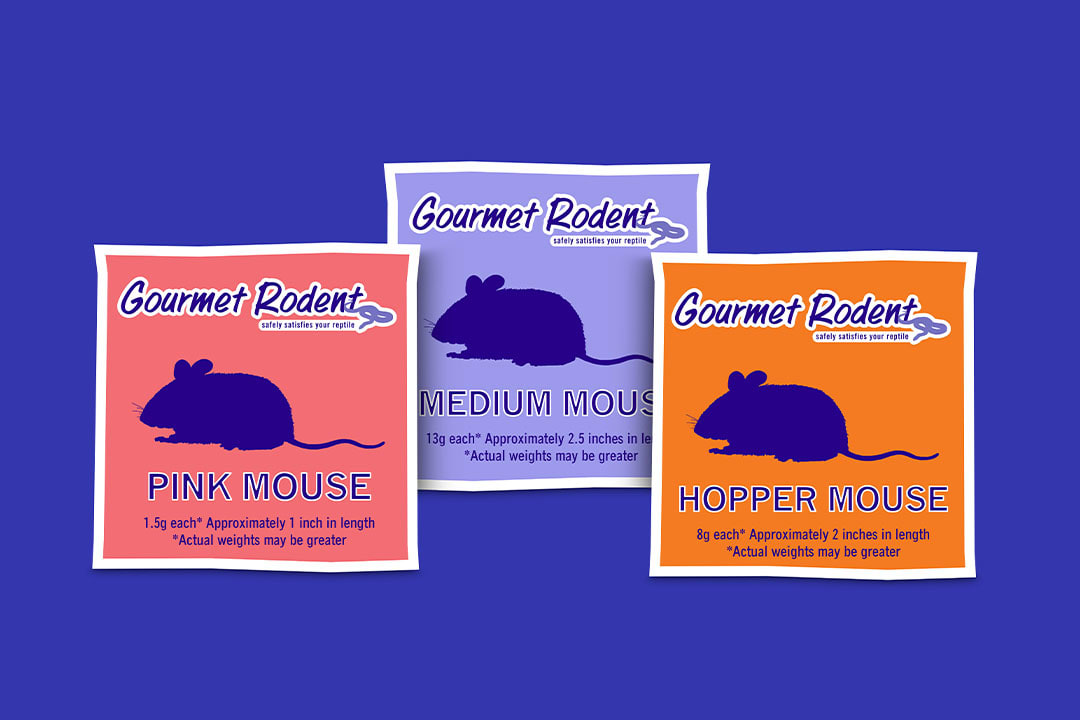
Boost Health: Frozen/Thawed Diet for Your Reptile & Amphibian
Learn how to thaw frozen mice for feeding time. Find out how to safely prepare and clean up after frozen meals at Petco.
Updated on December 16th, 2025
- New Pet
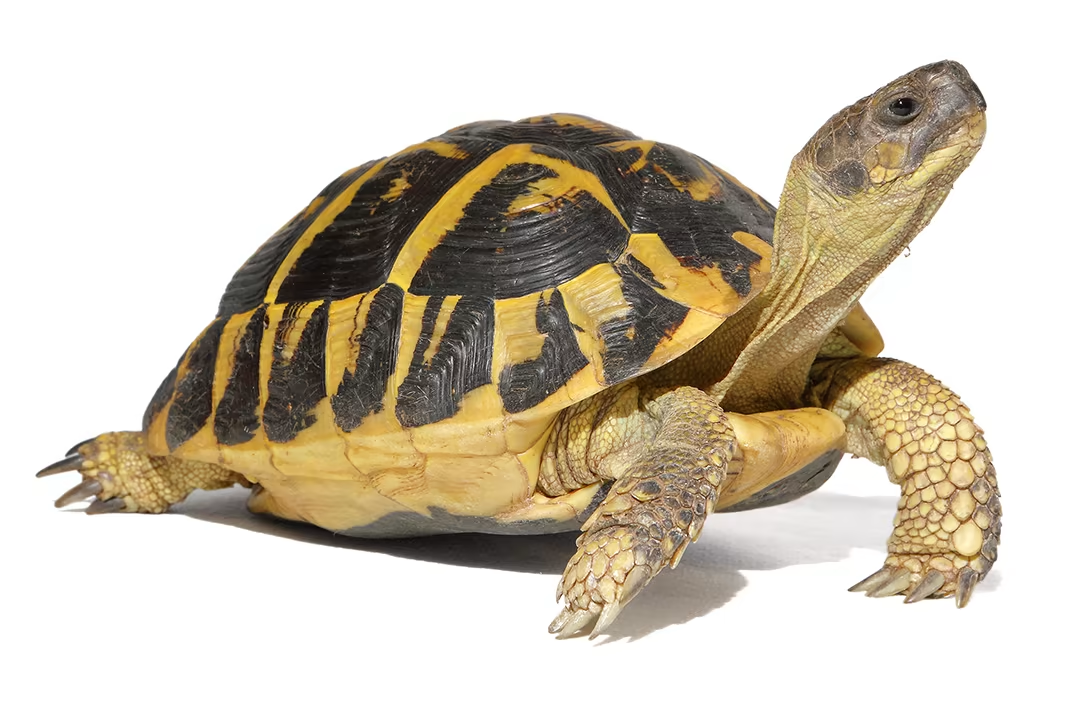
Hermann's Tortoise Care: Ultimate Guide to Habitat, Food & Health
Learn how to take care of your Hermann's Tortoise, tank size, diet & habitat setup. Find the right food, supplies and equipment at your neighborhood Petco.
Updated on October 23rd, 2025
- New Pet
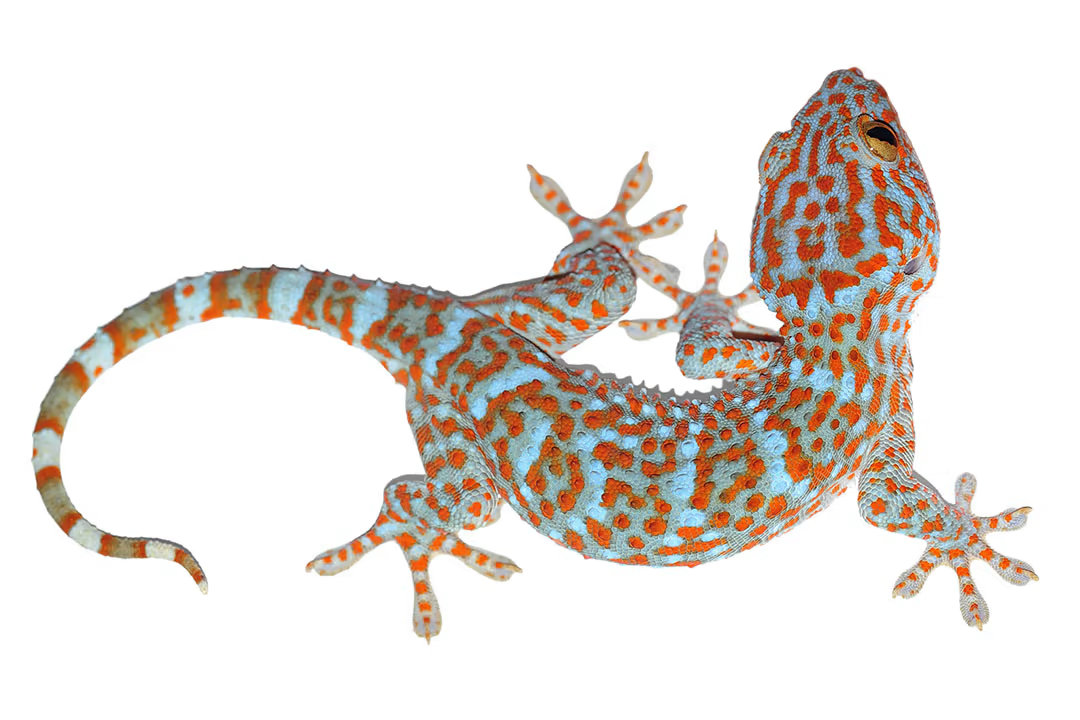
Tokay Gecko Care: Food, Habitat & Health for Experienced Owners
Learn how to care for a Tokay Gecko, recommended diet & habitat setup. Find the right food, supplies & equipment at your neighborhood Petco.
Updated on October 23rd, 2025
- Food & Nutrition
Am trying to find Amphibian food for my Grey’s Tree Frog with out vitamin D3. What will D3 do to the frog (male)
Thanks for reaching out about Carmine. Not sure what type of food you are searching for, a powder to top-coat insects. A variety of insects can be offered, and gut loaded. Vitamin D3 can be over supplemented so powdered should only be used once weekly. Exposure to ultraviolet B radiation is very important for the absorption of calcium in the intestinal tract. Catch insects outdoors, as long as your not spraying. Good luck.
Updated on September 24th, 2025
- Health & Wellbeing
I have a lizard that got out of his cage and was missing ... we found him about a week ago. He is very skinny and won't open his eyes. He's not eating or drinking. I just got home tonight and his laying in the water bowl and has lost his tail. I don'
Have him examined by your veterinarian or an experienced herp vet to diagnose and treat any infection related to the loss of the tail. In the meantime, increase tank temps by about 5-10 degrees F, soak daily in a warm 50/50 solution of water and unflavored PediaLyte for 20 minutes. Once he warms up and rehydrates, offer appropriately sized prey. Gutload prey for 24 hours prior to offering to maximize nutritional value. Supplement with a product such as Fluker's Repti-Boost to get weight back on him. You can clean the stump with diluted betadine or chlorhexidine. Use paper towels for substrate until the stump is healed.
Updated on September 24th, 2025
- Health & Wellbeing
I just recently took in a supposed 6 month old male Savannah monitor that was being kept in a far too small enclosure with no heat source, only being let out to roam free for a few hours a day, with a diet of only crickets We've moved him into a 4 ft
He is likely suffering some degree of nutritional deficiency. He should be examined by an experienced herp veterinarian. Blood work may diagnose calcium deficiency. Submit a stool sample to diagnose intestinal parasites. Calcium injections, deworming and subcutaneous fluids may all be indicated. He should be eating a varied diet including kingworms, crickets and larger prey such as pinky or fuzzy mice. Adequate heat is necessary for proper digestion. Keep daytime temperature between 85 F and 95 F. Nighttime temps can be set about 10 degrees lower. A UVB light source should also be provided to maximize calcium metabolism and utilization. . You can follow the link for more information regarding care of monitors: http://www.anapsid.org/savannah.html
Updated on September 24th, 2025
- Health & Wellbeing
I’ve been getting a lot of mixed answers as to what to feed my dragon and what the schedule should be I’m a new owner and I also want to know what the light schedule should be right now he seems hungry but won’t eat the collard greens I gave him how
Beardies are omnivores and eat a mix of greens and live prey. Adult beardies will eat more greens than prey. At his age, Majesty can be fed once daily. Alternate between prey and greens. Don't forget to dust food with a calcium supplement as well as a multivitamin. Always have fresh water available. Offer different types of greens such as mustard greens, dandelion greens, kale, bok choy or raw cabbage. Vegetables that can be fed include celery, carrots, squash and pumpkin. This list is my no means inclusive. If he won't eat greens, chop them finer and add strawberries or blueberries to the mix. Mixing in crickets or mealworms may also stimulate the appetite. As long as the stool is formed, size isn't an issue. It will change depending on how much and what he eats. A light cycle of 12 hours on and 12 hours off is sufficient. To get him acclimated to you, simply spend time with him. Initially, you'll want to just sit by his cage, then progress to placing your hand in the cage then
Updated on September 24th, 2025
- Health & Wellbeing
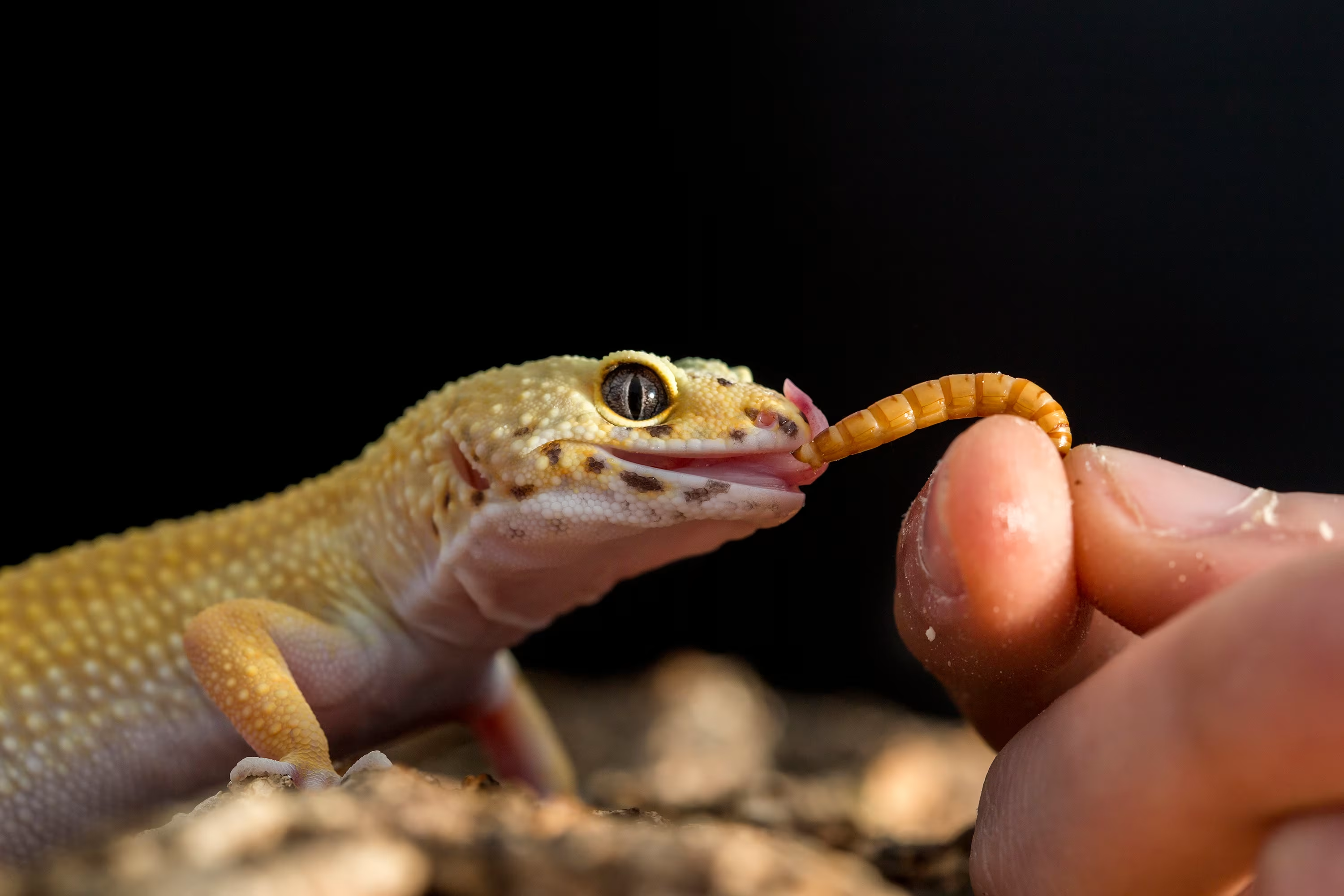
I rescued a 3year old leopard gecko I brought him home about 2weeks ago he is very tame after about 4days I started to offer him food the people I rescued him from feed him super worms I slowly try to change him to crickets since I know super worms d
Give him a good soak (20-30 minutes) in a warm 50/50 solution of water and unflavored PediaLyte. This will provide hydration and warm him up which may stimulate his appetite. An exam with your veterinarian or an experienced herp vet is always recommended for "new" pets or pets that may be ill or injured. Offer food about an hour or 2 after the heat lamp comes on in the morning. This will allow him to warm up and he will be more likely to eat what is offered. Use a variety of prey if possible. This can include crickets, dubia roaches, phoenix worms and the occasional superworm. Superworms are good to feed if you have a skinny gecko that needs to put on weight. Review additional care info here: http://www.anapsid.org/leopardgek.html
Updated on September 24th, 2025