Two Easy Ways to Start Earning Rewards!
Earn 2X Pals Rewards points at Petco
when you use Petco Pay!
Get It Today
Learn more about beachcombing tips with your water-friendly dog to understand how to get most out of your dog’s day at the beach.
Updated on November 15th, 2025
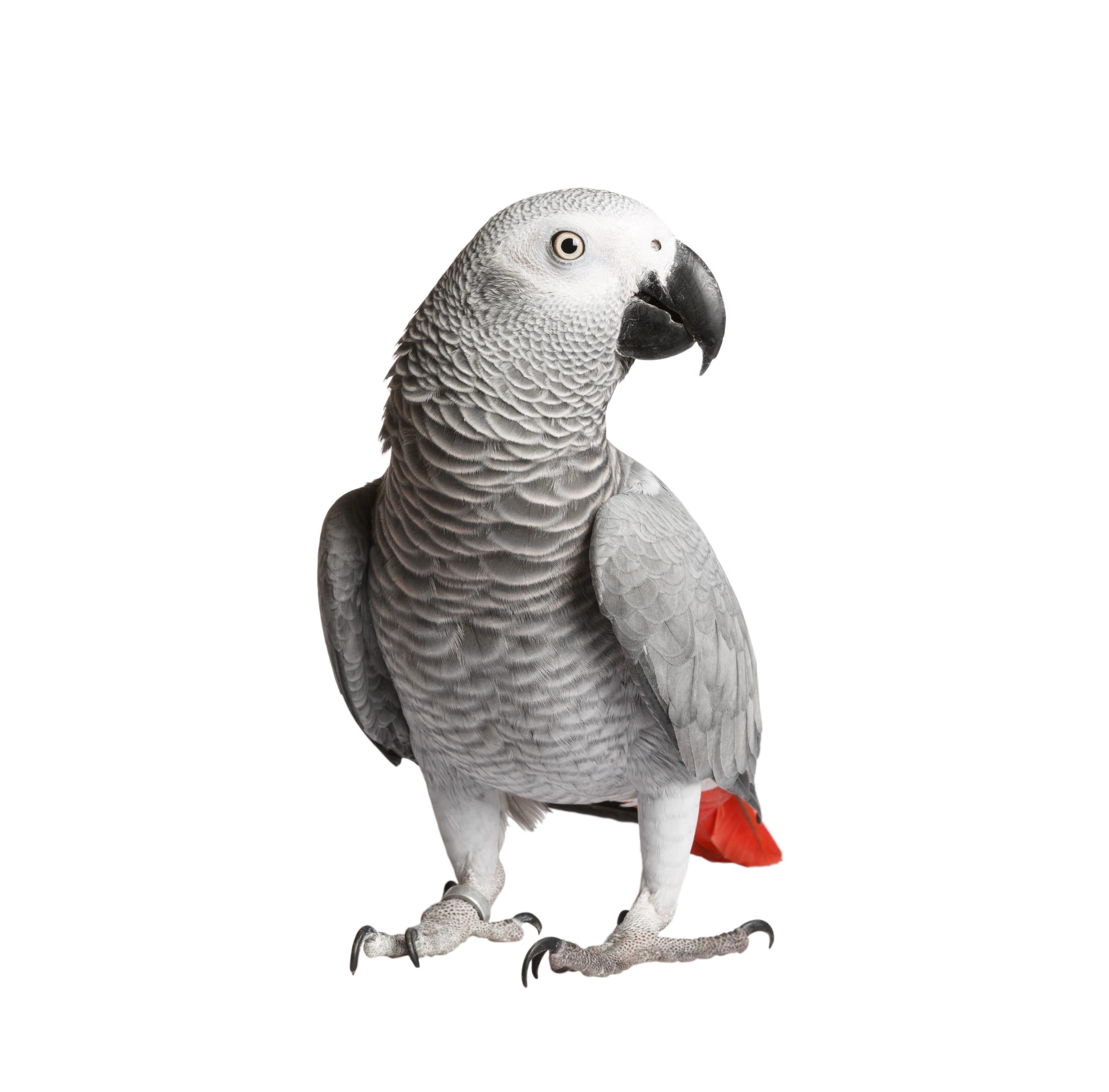
Learn some quick tips for getting your fussy bird to eat full and varied diet that could include birdseed, fruits and vegetables.
Updated on November 15th, 2025
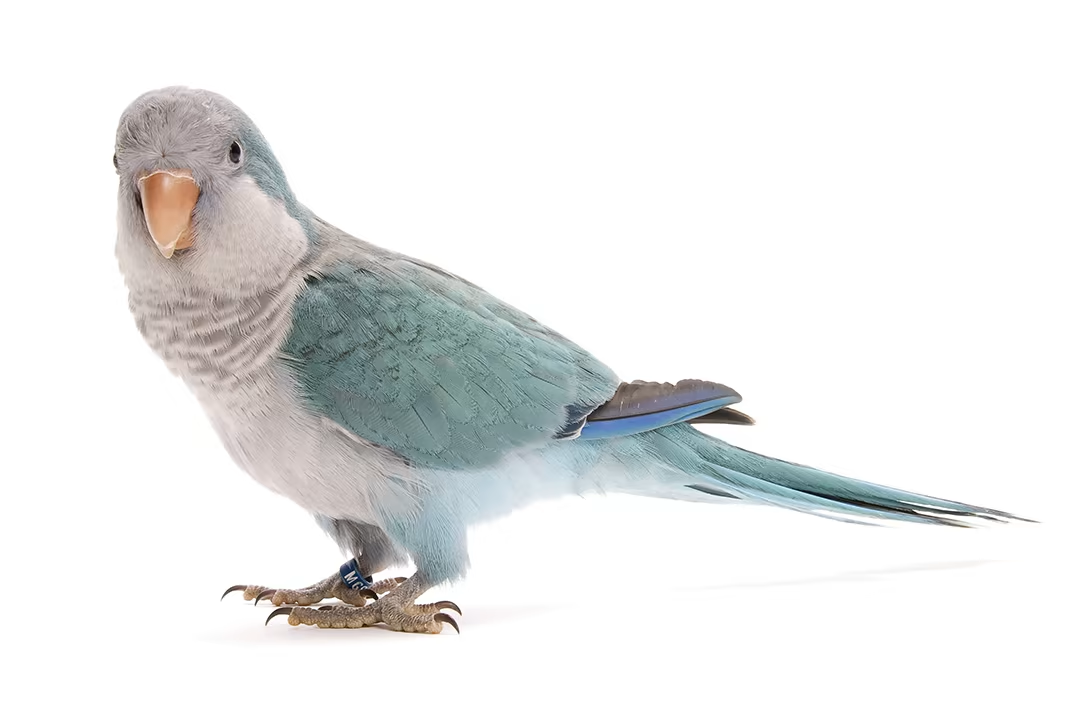
Learn some tips about bringing your new pet bird home for the first time. Find out what supplies and actions will help her feel most at home.
Updated on November 15th, 2025
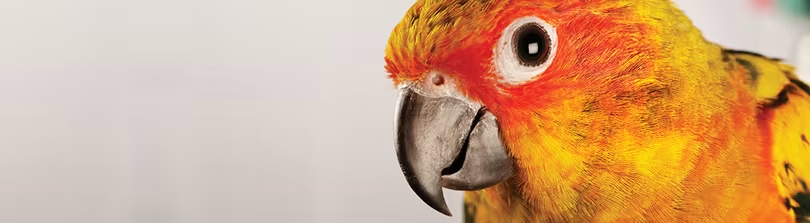
Learn how to take care of large Hookbill, recommended diet and housing setup. Find the right food, supplies and equipment at your neighborhood Petco.
Updated on November 15th, 2025
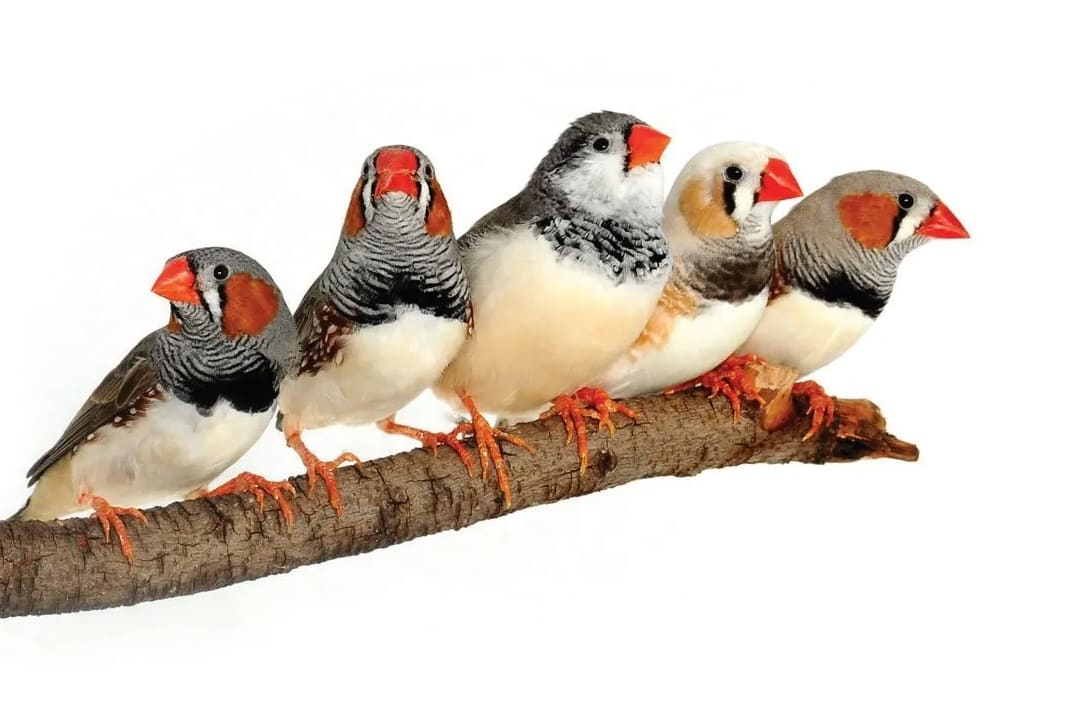
Learn how to take care of your pet Finches, recommended cage size, diet & housing setup. Find the right food, supplies & equipment at your local Petco.
Updated on November 15th, 2025
It looks like it may indeed be of the Warbler species. These birds typically eat insects, so small crickets or mealworms would be recommended. Ideally, you should contact a local wildlife rehabilitator for assistance. A rehabber will have the knowledge and experience to give the bird the best chance at eventual release.
Updated on August 12th, 2025
The easies solution is either Recovery from Royal canin or a/d from hills, both are wet foods designed for cats and dogs but are suitable for baby birds as well, you can draw them into a syringe and feed this bird (many times a day!)
Updated on August 12th, 2025
The best solution would be to contact a local wildlife rehabilitator. One in your area specializing in avians should be able to identify it. The bird looks to be healthy, so you've been doing a good job. The rehabber can confirm this then let you know when the bird can be released. Search online, contact a local veterinary clinic or check the California Department of Fish and Wildlife website to find a rehabilitator.
Updated on August 12th, 2025
Their diet in the wild is mostly insects and berries, so purchasing some live crickets from a local pet store, or some berries from your store and offering them may help get them used to what they would forage for in the wild as they get weaned off the kitten food (and can be fun to teach baby birds how to catch food with live insects.) If there isn't a wildlife rehab nearby (India does have several), you can also see if there is a vet or group in your area that does wildlife rescue that may be better equipped for caring for the birds and releasing them back into the wild once they are old enough.
Updated on August 12th, 2025
Contact the local veterinary clinic. Ask if the have contact information for a local wildlife rehabilitator. If you can get the bird to a rehabber, it will have an excellent chance at eventual release. House sparrows eat seeds and grains. In the meantime, you can offer a seed mix including millet and sunflower seed. Some moistened dry dog food can also be offered.
Updated on August 12th, 2025