

Two Easy Ways to Start Earning Rewards!
Become a member today! Members-only pricing and offers, personalized care notifications, Vital Care points back on every purchase and more!
 Become a credit card member today!
Earn 2X Pals Rewards points at Petco
when you use Petco Pay!APPLY NOWLearn More About Petco Pay Benefits
JurassiPet
Get It Today


Related Articles & Questions
- New Pet
Is a Reptile Right for You? Essential Questions Before You Buy
Explore our tips about what to keep in mind when choosing the right pet reptile for your family. Consider what they need to stay happy and healthy.
Updated on October 23rd, 2025
- New Pet
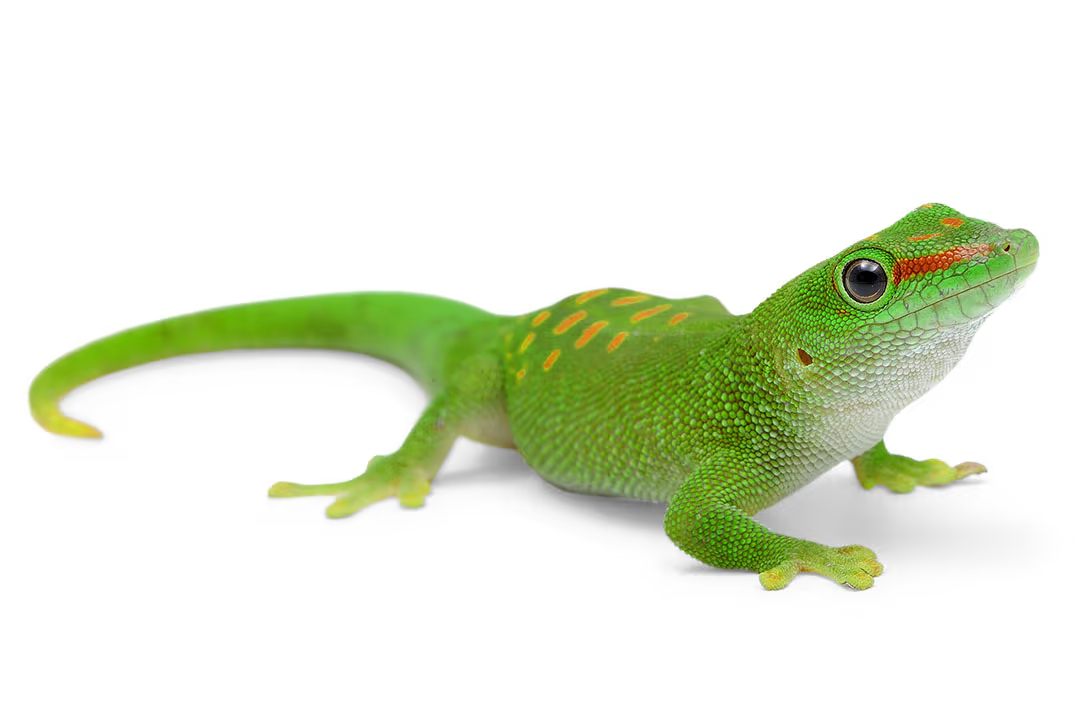
Raise a Thriving Giant Day Gecko: Habitat, Food & Health Guide
Learn how to care for a Giant Day Gecko, recommended diet & habitat setup. Find the right food, supplies & equipment at your neighborhood Petco.
Updated on October 23rd, 2025
- New Pet
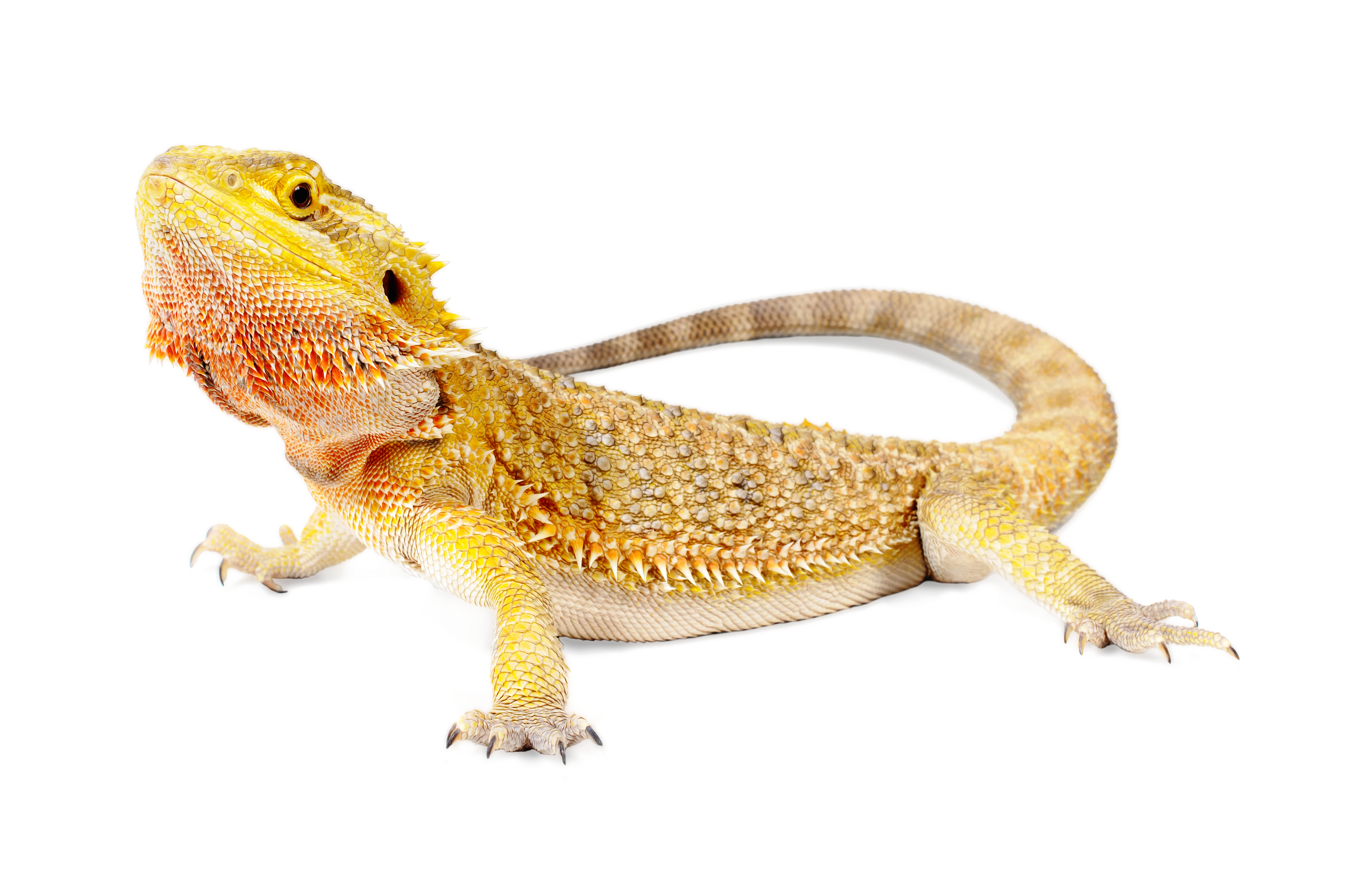
Arid Lizard Care: Expert Tips for Optimal Habitat, Diet & Health
Learn how to care for arid lizards, recommended diet & habitat setup. Find the right food, supplies & equipment at your neighborhood Petco.
Updated on October 23rd, 2025
- New Pet
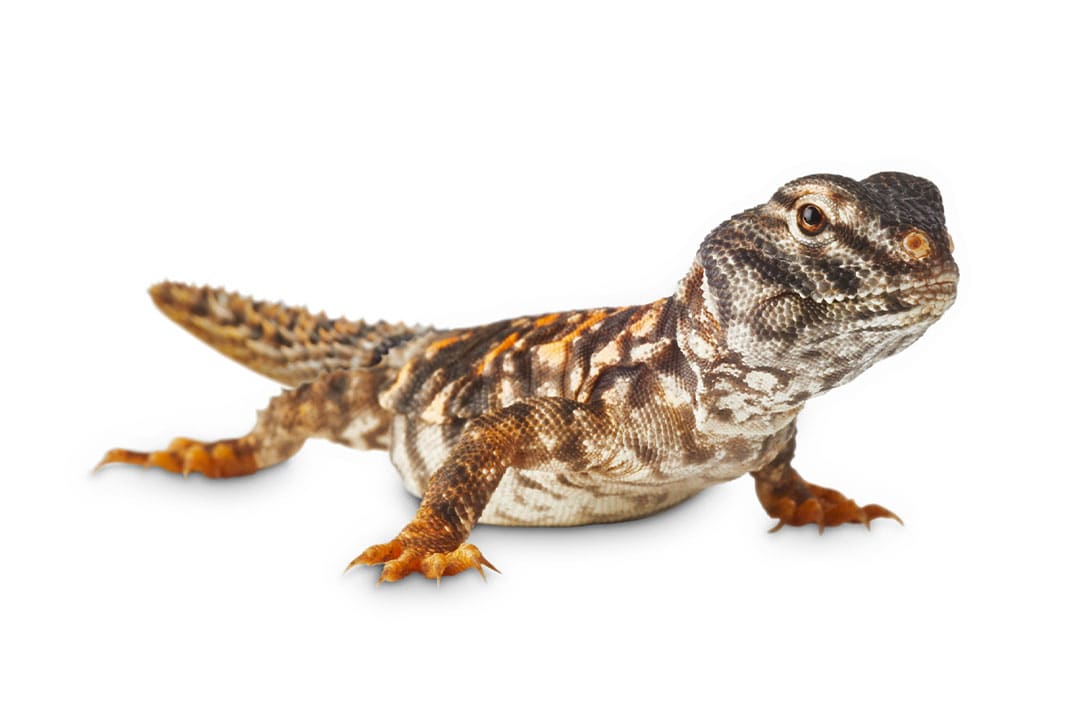
Your Ultimate Guide to Saharan Uromastyx Care: Food, Habitat & Health
Learn how to take care of Saharan Uromastyx, recommended diet and tank setup. Find the right food, supplies and equipment at your neighborhood Petco.
Updated on October 23rd, 2025
- New Pet
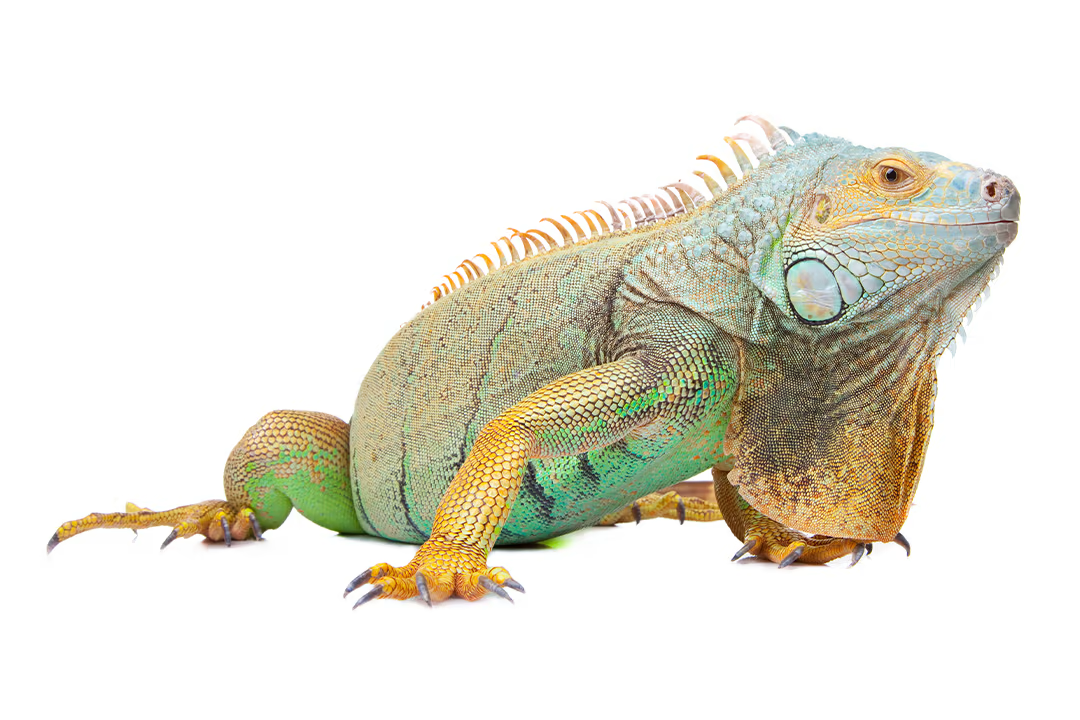
Green Iguana Care: The Ultimate Guide to Food, Habitat & Health
Learn how to take care of your Tropical Iguanas, recommended diet and housing setup. Find the right food, supplies and equipment at your neighborhood Petco.
Updated on October 23rd, 2025
- Health & Wellbeing
I was given a Nile monitor lizard for Xmas but the person didn't know how old it was. How do I find out the possible age range of my monitor
Hi. It’s really impossible to accurately age reptiles. We can guess that they are juvenile, sub adult, or adult based on size, but this is not terribly accurate. Since reptiles are ecototherms and their metabolic rate is related to their environment, nutrition and temperature affect growth. Therefore, reptiles don’t grow based on chronological age, but rather based on the appropriateness of their previous husbandry. So we can see 2 reptiles of the exact chronological age have very different body sizes if one is fed and housed under one set of parameters compared to the other. Your best bet would be to have a new pet wellness exam done by your veterinarian who can maybe give you an educated guess. Good luck and enjoy your new pet!
Updated on September 24th, 2025
- Health & Wellbeing
She is currently neglecting food and treats. Is this a problem?
Check the temperature an dlighting. Low temps can affect appetite and digestion in reptiles. Offer a biologically appropriate diet. This can include a commercial pelleted or stick diet, and being omnivorous, should also include insects, fresh fruit and vegetables. See your veterianrian or vet experienced in treating reptiles if she does not regain her appetite.
Updated on September 24th, 2025
- Health & Wellbeing
My sister's cat brought in a Southern Alligator Lizard and we have been trying to provide what we can to help him. He lost his tail, he's about 4 in. long, and mildly sluggish. He is docile and has not displayed any aggression and allows us to hold a
Just like any reptile, these guys are going to require special habitats and nutritional requirements in order to maintain their health. This will include special lighting UVB, special substrate, and supplemental heating. Here is a link to some information on the general care of these guys: http://www.repticzone.com/caresheets/367.html This should get you started off pretty good on general husbandry and care. The main concern you should have is making sure that there are no injuries to it since your cat grab it pretty good. He may be sluggish right now just from the general shock of the entire experience, but if his demeanor doesn't start changing soon, I would look into finding a reptile vet or wildlife rehabber to obtain some advise and/or medical treatments. Hope this helps.
Updated on September 24th, 2025
- Health & Wellbeing
I have just got a leopard gecko and i have settle it into its enclosure. What advice would you give for the on going care of the gecko?
Leopard Geckos are phenomenal reptile pets and are generally very easy to care for. The most important factor in caring for any reptile is making sure their home is appropriate for their specific needs. Leopard Geckos like hot environments with low humidity. A basking lamp should be on one side of the tank and an under the tank heater is also recommended. Their diets are comprised of insects, so they should be fed gut-loaded crickets, mealworms, and superworms. Their habitats should be cleaned weekly and fresh water can be offered daily. They should not be misted. Otherwise, they are very hardy creatures and a lot of fun to take care of. I'd be happy to answer any specific questions. If you wish, feel free to start a consultation.
Updated on September 24th, 2025
- New Pet
Thelma I my rescue I have had probably 4 months or so. Every time I pet her she ducks her head for some reason or if I pet her body she pulls away. Can u explain why this is because since I have had her I pay her alot of attention.
While rescue pets can have a variety of reasons that they show behaviors such as fear, shyness, etc, I would also consider that Thelma is a reptile. While many, like bearded dragons, geckos, and even some snakes, can grow accustomed to being "pet", instinctively, their first reaction will usually be to avoid being touched. We can't forget that these animals, in the wild, if they allowed themselves to be handled, would likely not meet a very good end. But keep up with the bonding. It may take longer than you like, but even reptiles can grow to love affection! I had a ball python which loves to come out and wrap herself around my arm and hand for hours.
Updated on September 24th, 2025