

Two Easy Ways to Start Earning Rewards!
Become a member today! Members-only pricing and offers, personalized care notifications, Vital Care points back on every purchase and more!
 Become a credit card member today!
Earn 2X Pals Rewards points at Petco
when you use Petco Pay!APPLY NOWLearn More About Petco Pay Benefits
Galapagos Reptile Habitat Plants & Logs
Get It Today


Related Searches
Related Articles & Questions
- New Pet
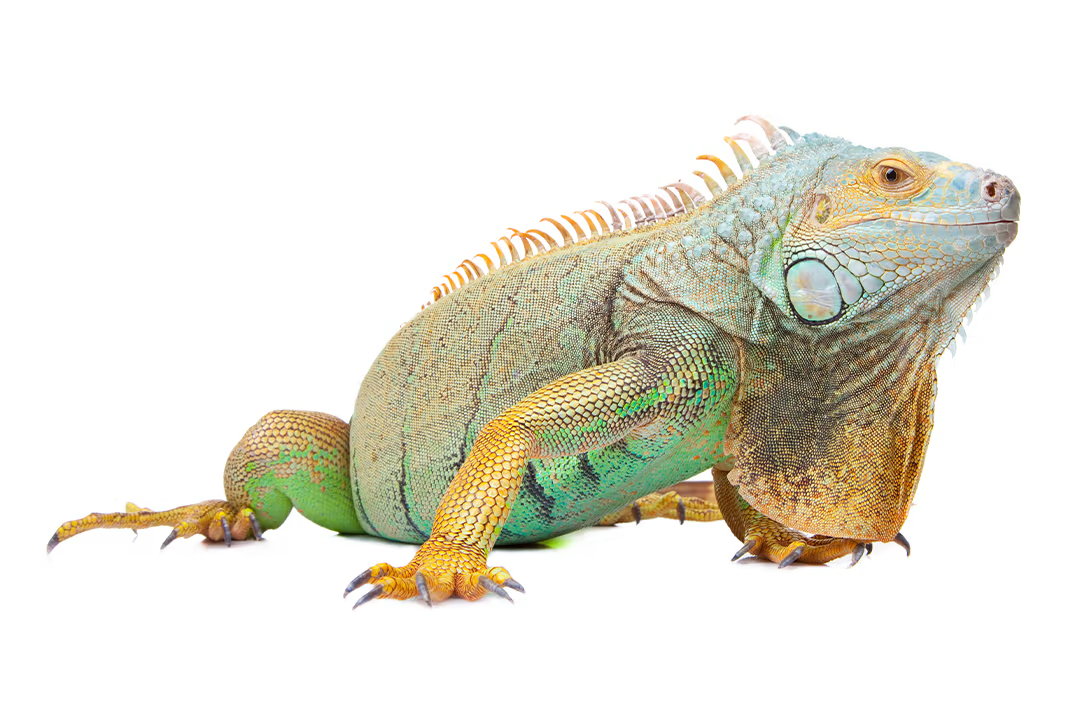
Green Iguana Care: The Ultimate Guide to Food, Habitat & Health
Learn how to take care of your Tropical Iguanas, recommended diet and housing setup. Find the right food, supplies and equipment at your neighborhood Petco.
Updated on October 23rd, 2025
- New Pet
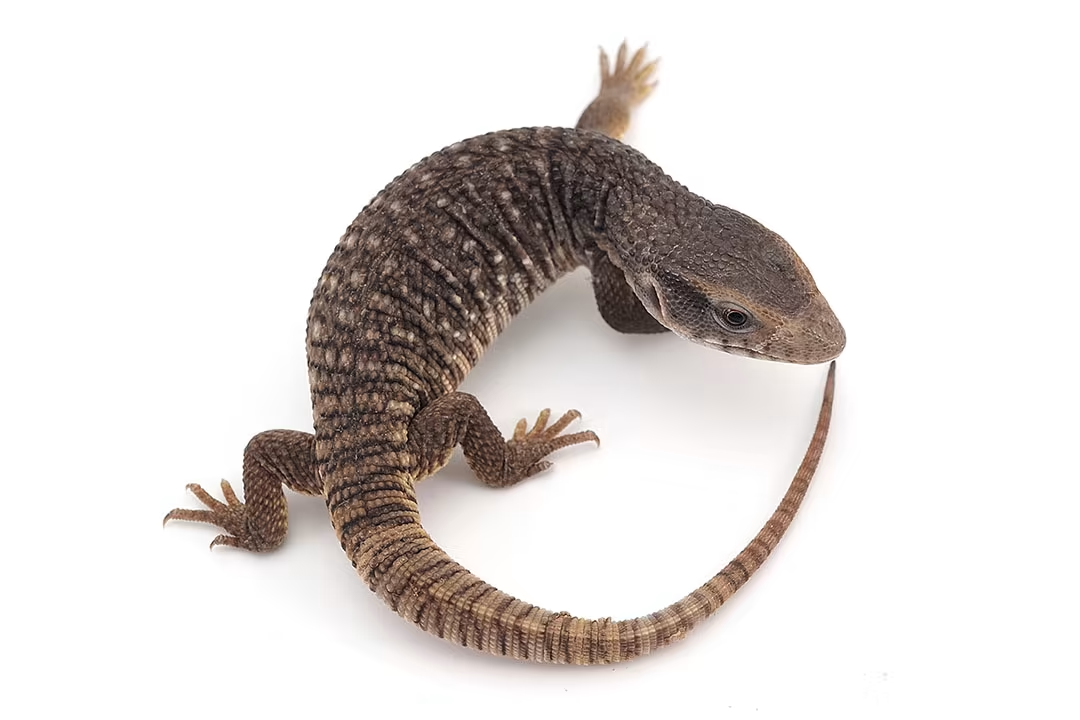
Savannah Monitor & Tegu Care: Setup, Feeding & Health Tips
Learn how to care for a monitor lizard, recommended diet and habitat setup. Find the right food, supplies and equipment at your neighborhood Petco.
Updated on October 23rd, 2025
 Product Guides
Leopard Gecko Substrate Guide: Best Bedding for a Healthy Pet
Picking the best leopard gecko substrate can be an overwhelming task; learn about some great options to help your leopard gecko live a happy & healthy life!
Updated on October 23rd, 2025
- New Pet
How to Prevent Reptile Illness: Safe Handling & Habitat Cleaning
Read these guidelines about handling reptiles to provide a safe and fun environment for your pet, friends and family.
Updated on October 23rd, 2025
- New Pet
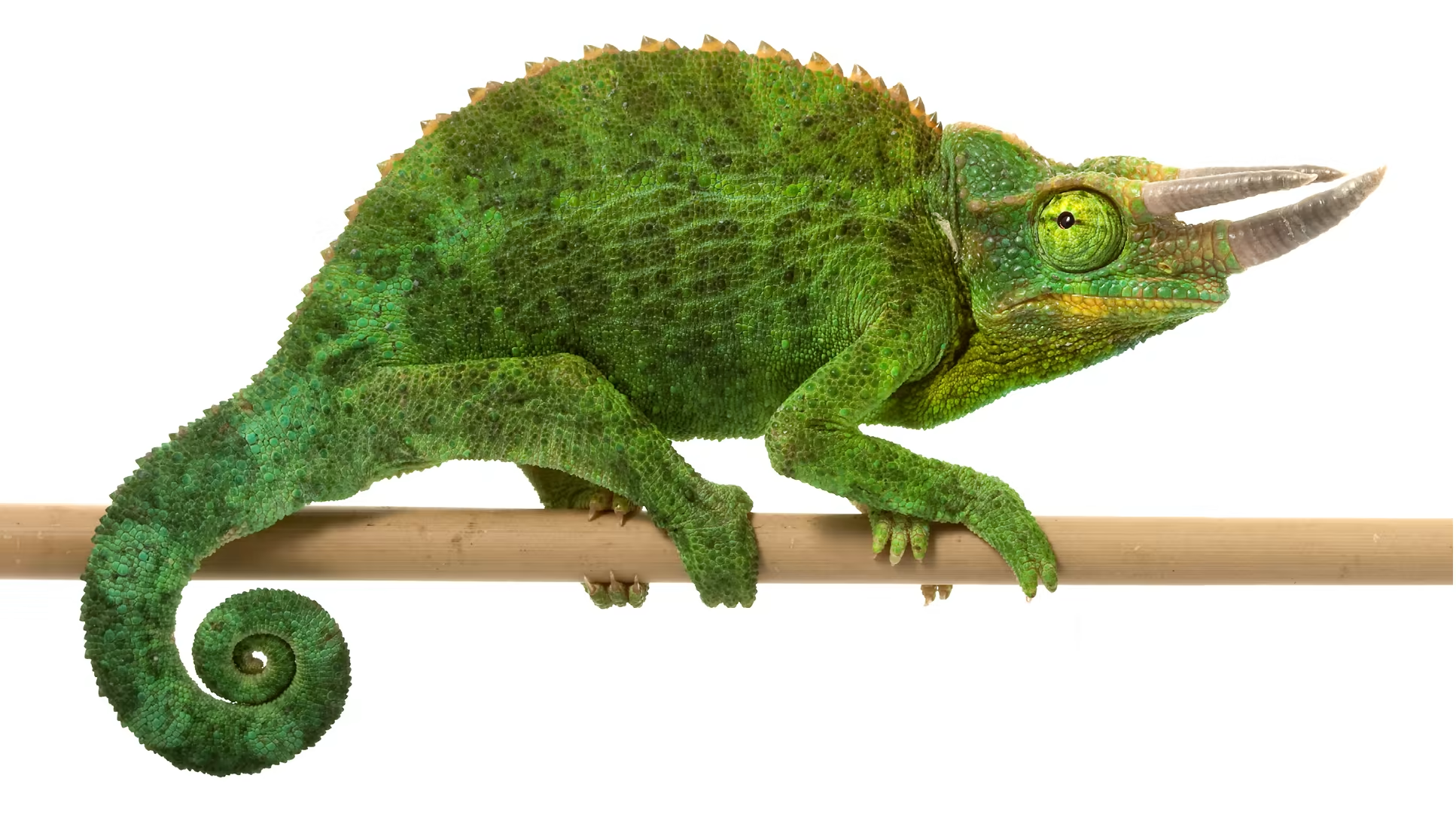
Jackson's Chameleon Care: Thrive Guide for Food, Habitat & Health
Learn how to care for Jackson's Chameleons, recommended diet & habitat setup. Find the right food, supplies & equipment at your neighborhood Petco.
Updated on October 23rd, 2025
- Health & Wellbeing
What is the best way to treat reptiles mites?
You must treat both the environment and the pet. You can try some over the counter products but many can be ineffective if the environment is not treated concurrently. Ivermectin can be dispensed by your veterinarian to use systemically or topically. Do not treat with ivermectin without the advice of your veterinarian as it is quite easy to overdose. A 30 minute soak in a diluted Betadine bath can remove most mites and may soothe irritated skin. Remove the substrate, bag it and take it outdoors. Clean and sanitize the cage, bowls and tank furniture. You can use hot, soapy water followed by a 1:30 dilution of bleach and water followed by a thorough rinsing on the tank, bowls and non porous surfaces. Discard anything that cannot be sanitized. You may need to clean and sanitize the enclosure weekly for several weeks. The pet may need multiple treatments as well.
Updated on September 24th, 2025
- Health & Wellbeing
I just bought a created gecko and i put him in his enclosure and he ran really fast and then stopped and went under the eco earth and i dug him out and then he went and is laying on the soil now, i misted the tank and i am just nervous that something
Check the temperature and humidity in the enclosure to ensure proper ranges. He may be searching out moist substrate or warmer/cooler temps. He may also be stressed at the change in environment. Provide a secure hide at each end of the enclosure. Confirm proper environmental parameters. Allow him a few days to acclimate. Don't try to handle him until he settles in and only then for short periods of time. Monitor for lethargy or loss of appetite. Ideally, any new pet should be examined by a veterinarian within 72 hours of arriving home to confirm good health or to diagnose and treat any pre existing conditions.
Updated on September 24th, 2025
- Health & Wellbeing
What is the safest way to clean wood(from a tree by my house) for my beardies enclosure? Thank you!
Firstly remove all small branches and leaves. The safest method is putting the wood in the oven if it fits. You need to put it in at 200F and cook for 2 to 3 hours, do not leave unattended. You can soak bigger pieces for 24 hours in a cup of bleach to 1 gallon water solution in the bath. Then you must rinse thoroughly and repeat the soaking at least 5 times in clean water to remove the bleach. Then air dry the wood. Obviously the bleach has to be properly removed. Personally I would use the oven method and if not just buy ready made wood from the pet shop.
Updated on September 24th, 2025
- Health & Wellbeing
I need help to figure out where I should put my turtle
Thanks for using Boop by Petco! Here is a link of a good example of a good environment for an aquatic turtle though there is going to be some variation depending on the species. Have a good night! https://www.myturtlecam.com/habitat.php
Updated on September 24th, 2025
- Health & Wellbeing
How do I know if my baby created gecko is comfortable with me holding him? Also, is it normal if I put my gecko in his cage, he'll move to his favorite hiding spot, and stay there until I hold him again? One last thing, based on the pictures I send,
If he isn't struggling or trying to escape, he's probably okay with being held. Don't hold him for too long initially. Gradually increase the handling time to acclimate him. Even though he doesn't struggle, it may still be stressful, so he'll return to a safe place when returned to the enclosure. As he adjusts to his new surroundings, he may begin to explore. A "best guess" on age would be 12 to 16 weeks. Reptiles have different growth rates depending on diet, availability of food and environmental factors.
Updated on September 24th, 2025