

Two Easy Ways to Start Earning Rewards!
Become a member today! Members-only pricing and offers, personalized care notifications, Vital Care points back on every purchase and more!
 Become a credit card member today!
Earn 2X Pals Rewards points at Petco
when you use Petco Pay!APPLY NOWLearn More About Petco Pay Benefits
Fritz
Get It Today


Related Articles & Questions
- New Pet
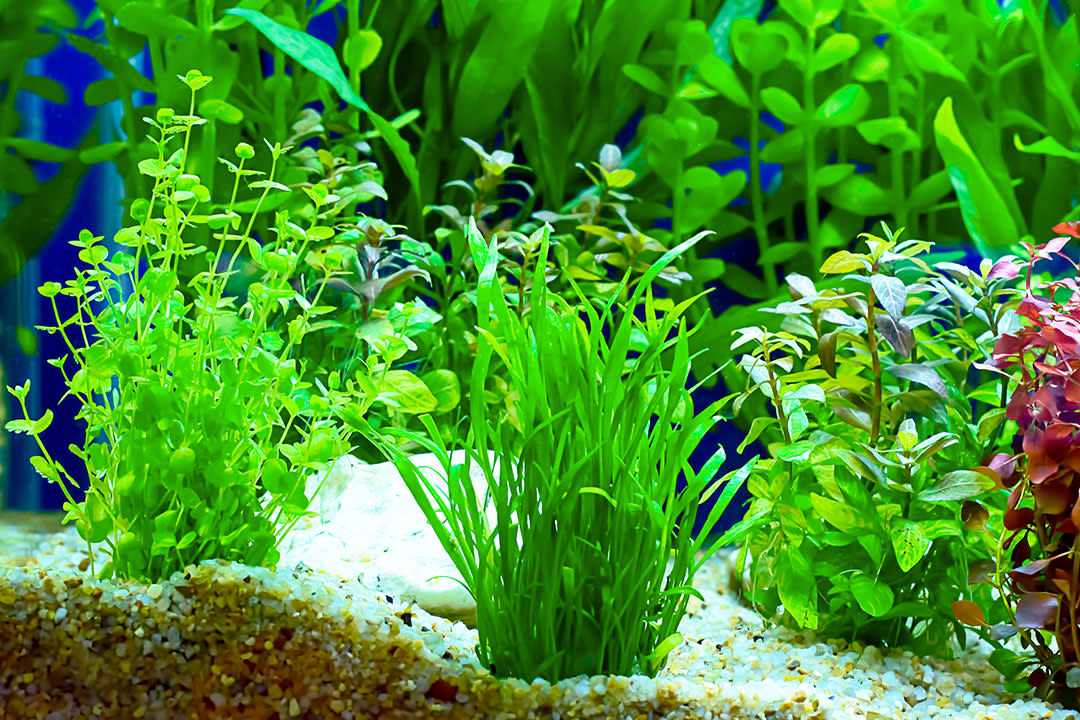
Master Aquatic Plant Care: Lush Aquarium Plants & Happy Fish
Tanks with live plants can be excellent additions to your home, bringing a touch of nature indoors. Learn how to take care of aquatic plants.
Updated on November 6th, 2025
- Home & Habitat
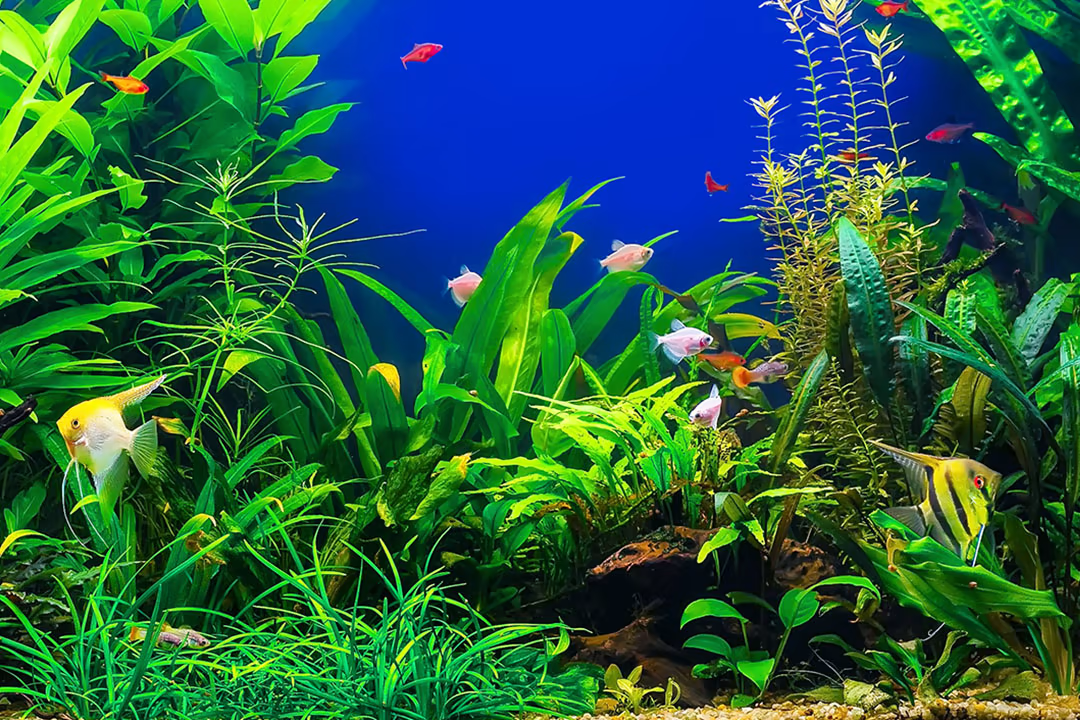
Your Guide to Healthy Freshwater Aquarium Plants & Thriving Fish
Learn how to pick the right aquarium plants, substrate, lighting, and fertilizers to ensure that your aquarium plants thrive and stay healthy.
Updated on October 23rd, 2025
 New Pet
Aquatic Pet Owners: Stop Invasive Species, Save Our Waterways
Read about Habitattitude and Petco's commitment to protect our environment. At Petco, animals always come first. Learn how you can help.
Updated on October 23rd, 2025
- New Pet
Don't Release Pets: Protect Waters from Invasive Fish & Plants
Habitattitiude™ commits to environmental protection by not releasing unwanted fish into public areas.
Updated on October 23rd, 2025
- New Pet
Aquatic Pet Safety: Keep Your Home Aquarium Pets Healthy & Safe
Learn how to safely handle your aquatic life to avoid toxin & bacterial exposure. Find aquatic life care supplies at your neighborhood Petco pet care center.
Updated on October 23rd, 2025
- Health & Wellbeing
Where can I find expert help for my fish tank filtration questions?
You should contact by email the administrators of the website (you can find general email on the contact section) and they put you in touch with the Head Vet in charge of hiring new experts. Best of luck and hope to see you joining the team soon. Dr. Orioles
Updated on September 24th, 2025
- Food & Nutrition
My new Glofish are hiding and staying at the bottom. Is this normal?
Thanks for your question about your fish, and congratulations on your new family members! I didn't see how recently the tank was set up, but there are a couple of things that could be going on. I would start by checking your water quality - any abnormalities in water quality can make fish have abnormal behaviors, and the water looks a bit murky in the photos you provided. There may be parameters that need to be addressed depending on what you find. If you do not have a water quality kit, they can be purchased at the pet store or an aquarium store, or you can take a sample of your water in for evaluation to these places as well. Some will charge a small fee for this service, just so you are prepared. Also, with recent tank set ups, it can be stressful for fish as they are in a new habitat. I would recommend keeping the light on for only a few hours per day to start, as the bright lights can be shocking for them (since fish don't have eyelids). Gradually you can increase the length of t
Updated on September 24th, 2025
- Health & Wellbeing
Fish sick after vacation feeder, not eating, breathing fast. What now?
Check the water chemistry. Confirm ammonia and nitrite levels are 0.25ppm or less and nitrates are 40ppm or less. Use a liquid test kit or submit a sample for testing. Most pet stores or aquarists will do this for free or for a small fee. Partial water changes, about 30% can be done to decrease high levels. Use only aged or conditioned water that is temperature matched to prevent further stress or shock. My preferences for water conditioning are AmQuel Plus and NovAqua in addition to StressCoat. Confirm water temperature between 78F and 80F. You can soak pellets in some garlic juice to stimulate his appetite.
Updated on September 24th, 2025
- Health & Wellbeing
What flea, tick, heartworm meds are best for my swimming dog?
Great question! You are correct there are a lot of options out there, and there isn't a treatment that covers all of them. I will give you my opinion on the best medications for many of these things. Because Arthur spends time running in the woods, tick protection is quite important for him, so I recommend giving him NexGard. It protects against three different types of ticks as well as fleas, and because it's a chew, you don't have to worry about it washing off if he gets wet within 24 hours of giving it to him. It's safe to give along with heartworm protection, and for that I recommend giving Arthur Heartgard. It's an excellent heartworm preventative, and when I lived in the US, it's what I used on my dogs (there's no heartworm in New Zealand, so no need for me to use it now). Be sure to have him tested for heartworm first before giving him this medication. The test can be done by your vet. As for worms, I recommend Drontal. It's available by prescription only from the vet,
Updated on September 24th, 2025
- Health & Wellbeing
First fish tank: What Tetras and supplies for my 12-inch tank?
Before you buy any fish, you will need to set up the tank. A basic set up includes: a tank, filter, hood/light, heater, gravel and some decor. The tank should run without fish for at least 4 to 6 weeks. This gives it time to cycle. The Nitrogen Cycle is critical to the health of the tank and any fish you will be keeping. During this time, beneficial bacterial will populate the filter and substrate (gravel). These bacteria will be responsible for breaking down fish wastes and other wastes (uneaten food, dead plants, etc.). You will need a home test kit to monitor water chemistry (ammonia, nitrites, nitrates, pH) or you will have to submit water samples for testing. Most pet stores will do this for free or for a small fee. At first, you will see high levels of ammonia and nitrites. Over time, as bacteria grow, these levels will drop. When ammonia and nitrites are at 0 ppm and nitrates are below 20 ppm, you can consider adding fish. Regular (every 1 or 2 weeks) partial water changes as we
Updated on September 24th, 2025