

Two Easy Ways to Start Earning Rewards!
Become a member today! Members-only pricing and offers, personalized care notifications, Vital Care points back on every purchase and more!
 Become a credit card member today!
Earn 2X Pals Rewards points at Petco
when you use Petco Pay!APPLY NOWLearn More About Petco Pay Benefits
Cozy Products Chicken Supplies


Related Articles & Questions
- Seasonal Topics
Power Outage Bird Care: Keep Your Feathered Friend Safe & Warm
Learn more about beachcombing tips with your water-friendly dog to understand how to get most out of your dog’s day at the beach.
Updated on November 11th, 2025
- Training & Behavior
Essential Pet Care Guide: Keep Your Furry Friend Happy & Healthy
Search Petco for the information needed about your bird’s body language. We will help you look for the signs in your bird & help you communicate with them.
Updated on October 23rd, 2025
- Health & Wellbeing
Stop Bird Feather Plucking: Understand Causes & Effective Solutions
Learn more about preventing and stopping unhealthy feather plucking or feather picking as it could lead to serious health problems for your pet bird.
Updated on October 23rd, 2025
- New Pet
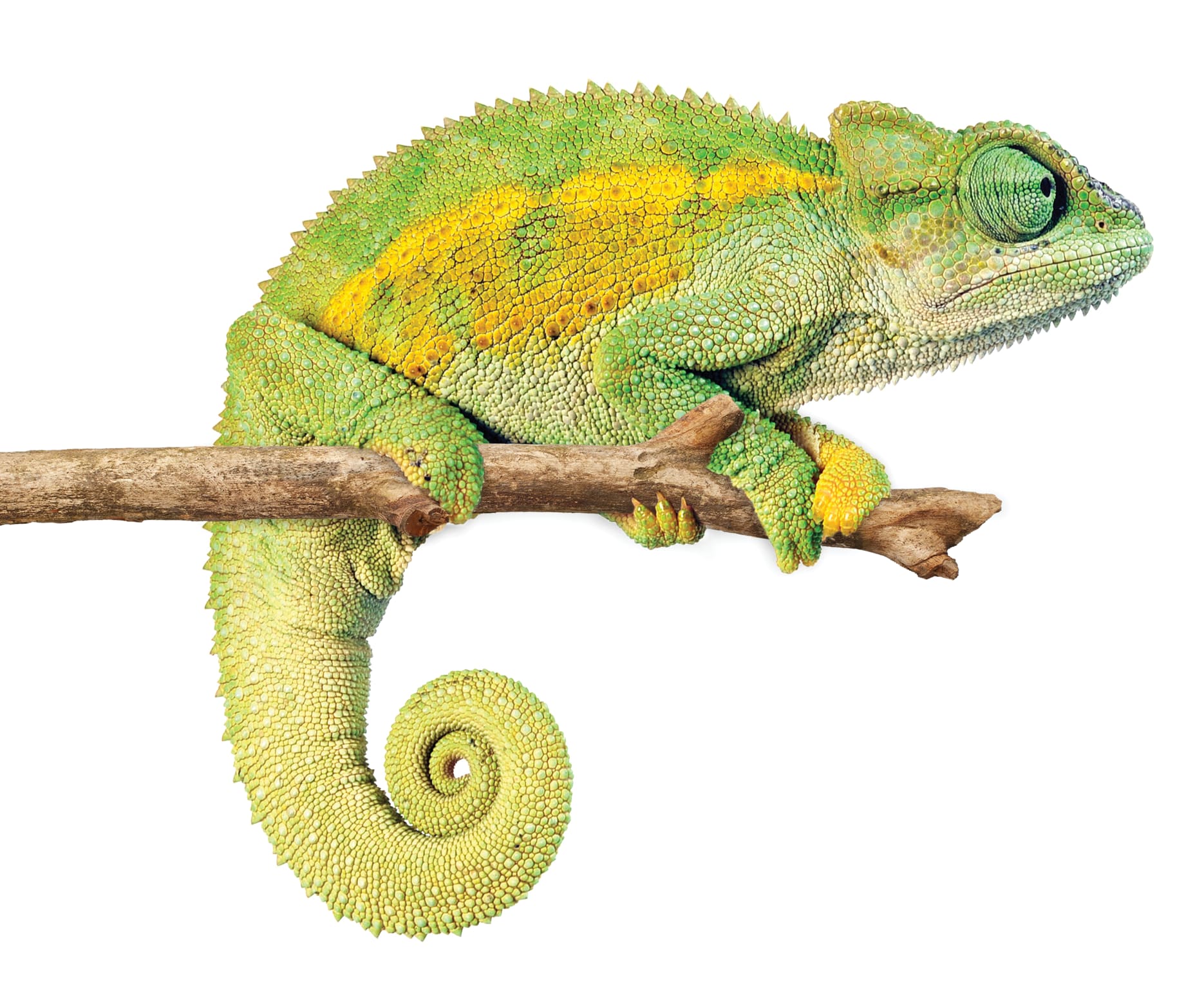
Cool Climate Chameleon Care: Habitat, Food, Health & Setup Secrets
Learn how to care for cool climate Chameleons, recommended diet & habitat setup. Find the right food, supplies & equipment at your neighborhood Petco.
Updated on October 23rd, 2025
- New Pet
Reptile Enclosure Setup: Create a Thriving Habitat for Your Pet
Learn how to setup your reptiles terrarium to ensure your reptile lives a wholesome & happy life. Shop at your local Petco for all reptile terrarium needs.
Updated on October 23rd, 2025
- Health & Wellbeing
Is a bird feeder detrimental to the health of wild birds?
Hello. No, I do not think so. The biggest concern about birdfeeders is how they attract predators including sparrow hawks & cats. Some folks claim we are turning wild birds into seed junkies & this is very bad for their livers ( I am always telling my clients to get their caged budgies & cockatiels off of an all seed diet ). But most wild birds do supplement their diets & do migrate after fueling up on the energy filling seeds. Bad seed ( moldy ) can kill birds with aflatoxin. And the spilled seed can attract vermin which can carry disease. Some folks recommend only feeding during the cold weather to help migratory birds & to only buy the best & freshest seed you can. Cost matters, so stay away from the crappy dollar store bags of bird seed. Thanks for using Boop by Petco.
Updated on September 24th, 2025
- Health & Wellbeing
My chicken are sick. Symptoms are look like IBD. Please help me what to do
Without knowing more about the signs that your birds are showing, it is difficult to say what is going on with them. There is a lot of overlap with infectious diseases in chickens, so many of them can look alike. The treatments for them, however, can vary, and need to be initiated by a veterinarian. I would recommend that you contact a veterinarian in your area so that s/he can do a physical exam on at least one of your birds. I was unable to find where you were located based on your zip code, as it did not give any results for the US. There are some regions which have avian diagnostic labs, and many times they have a chicken veterinarian on staff. This may be an option for you depending on your location. At home, you can try supportive care for the birds. Ensuring they have a warm place to go is crucial, so they don’t have to work as hard to keep warm (chicken body temperatures are about 102-104 F). Also make sure they have fresh water and food easily available to them, and monitor t
Updated on September 24th, 2025
- Health & Wellbeing
I woke up Thursday morning and found both my birds dead. The night before I had two pans of boiling water going accidentally fell asleep and when I woke up the next morning I noticed it was really hot inside my house would they smell from the kitchen
Hello, & thank you for using Boop by Petco. I am so sorry for your loss. Veterinarians have known for years that non-stick, & other coated pans, when over heated, can off gas & produce fumes. Birds have such rapid respirations that they are uniquely sensitive to these gases. This is the reason canaries were used in coal mines as early detectors of carbon monoxide. It may not have been carbon monoxide, but one of the pans probably did produce a gas that killed your birds. I am very sorry.
Updated on September 24th, 2025
- Health & Wellbeing
There are mice that live in our chicken house is that ok? Will the mouse droppings hurt them? Another thing is one of the chickens has like no feathers is this normal?
It would be best to discourage mice being in the coop as much as possible, either by setting traps or making sure the grain fed to the chickens is hung out of reach and all grain-bins are closed. While they may not transmit much or anything to your hens, the droppings can transmit diseases to the humans cleaning the coop if not properly handled. Chickens should have feathers. It is possible your hen is molting (losing feathers while new ones grow in) which is normal and happens yearly for most chickens, and you will see pin (or short pin-like) feathers signaling new feathers regrowing. If your chicken is not regrowing the feathers or is being picked on, it may indicate an issue such as being bullied, parasites, illness, etc and should be checked out by a vet.
Updated on September 24th, 2025
- Food & Nutrition
My hen keeps trying to take food from another larger hen and doesnt eat other food offered to her. As a result, she's getting her feathers picked at by the larger hen. Is there anything I can do?
Offering extra food for both hens may encourage your hen to peck at her own food. If they're fighting to the point of pulling feathers, removing the dominant hen for a short bit and then reintroducing them may also help.
Updated on September 24th, 2025