Two Easy Ways to Start Earning Rewards!
Earn 2X Pals Rewards points at Petco
when you use Petco Pay!
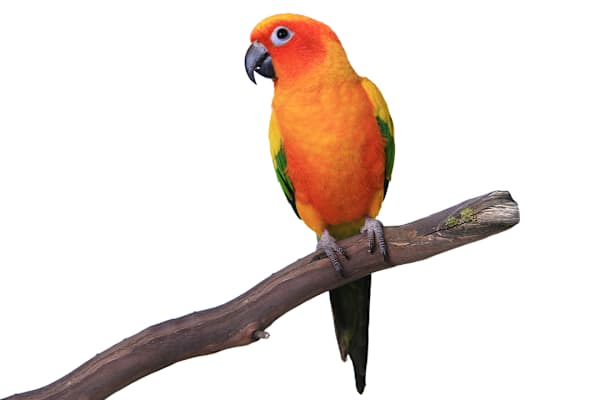
Learn how to take care of Sun Conures, recommended diet and housing setup. Find the right food, supplies and equipment at your neighborhood Petco.
Updated on April 9th, 2026
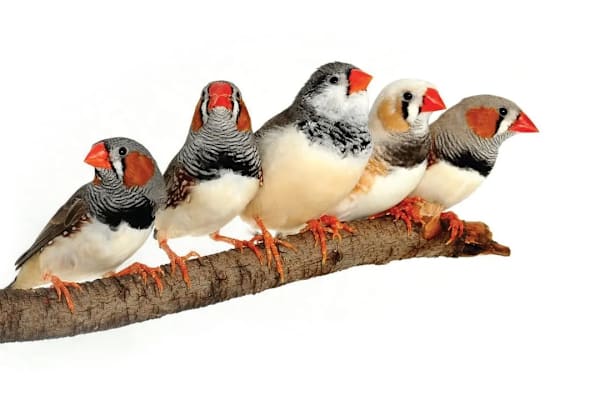
Learn how to take care of your pet Finches, recommended cage size, diet & housing setup. Find the right food, supplies & equipment at your local Petco.
Updated on April 9th, 2026
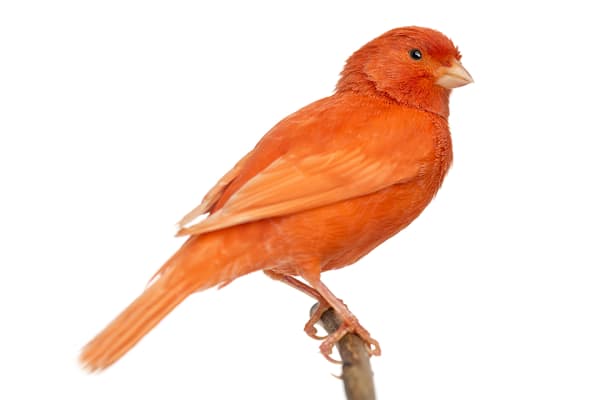
Learn how to care for a Canary, Canary facts, recommended diet and habitat setup. Find the right food, supplies and equipment at your neighborhood Petco.
Updated on April 9th, 2026
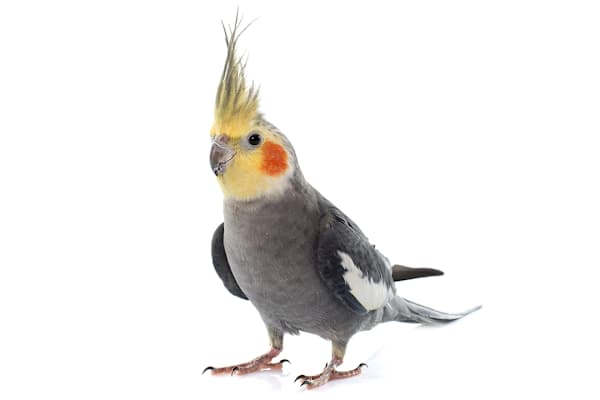
Cockatiels are small, crested members of the parrot family. They are known for their mellow nature. Gray is the most common color, but also available in fancy, lutino, and pied color variations.
Updated on October 23rd, 2025
Learn tips about breeding Parakeets in a safe way. Search Petco to keep your feathered friends happy & healthy.
Updated on June 19th, 2026
Rawhide has been and is used in some toys. Most birds (mine included) ignore it. It can be chewed, but monitor to make sure Maxcine doesn't ingest large bits. I wouldn't recommend rawhide from the local butcher.
Updated on September 24th, 2025
Preening toys are toys used to satisfy a bird's need to preen. They can be used to distract from excessive feather picking or simply to occupy a bird. They are made using rope strands, cotton strands, fabrics or paper. The link below leads to an example of a preening toy.
Updated on September 24th, 2025
Hello! I’m glad to hear that things are going so well with Rico that you are considering a second bird. Birds are flock animals so they do tend to do well with other birds. There are a few things to keep in mind though, before adopting another bird. The birds should be about the same size, though don’t have to be the same species. This is to reduce the chance of fighting and trauma from a big bird to a little bird. The birds should have infectious disease screenings to ensure they don’t introduce any illness to each other. I’d recommend minimum of a physical exam, fecal gram stain, fecal float, screening bloodwork (CBC, chemistry), and Chlamydia testing. An avian veterinarian will be able to do all of this for you and they may recommend some additional testing based on what’s already been done by the breeder/store/rescue. I would recommend that each bird has their own cage, at least at the beginning until they get to know each other. Sometimes, birds just don’t get along no matter what we do. They are individuals and it’s possible that personalities can clash. So be prepared to have two separately kept birds in case that happens. However, since Rico is still young, I bet that he will take accept a new bird well! Good luck!
Updated on September 24th, 2025
This specific coating or paint is safe and is commonly used in bird cages of various sizes. "Hammertone" is just a description of the finish. It looks like the bars were hit with a hammer to give a textured appearance.
Updated on September 24th, 2025
This is a case where catching the behavior, and rewarding the behaviors you want, are going to be helpful, as well as patience! You mentioned that she has moments where she stops screaming for a bit before starting up again. You need to use those moments to (rush over if you have to) immediately uncover the cage, praise, and give her a favorite reward. If she starts screaming again before you can get there, you'll have to wait until the next break (which will take time and patience). Over time she will learn that calm behavior is rewarded with treats and attention, while loud behavior is ignored. It may also be that she is bored in the mornings, and keeping her occupied with a puzzle toy or food-filled toy can help keep her engaged rather than idly screaming and worrying until you can get to her.
Updated on September 24th, 2025