Two Easy Ways to Start Earning Rewards!
Earn 2X Pals Rewards points at Petco
when you use Petco Pay!
Get It Today
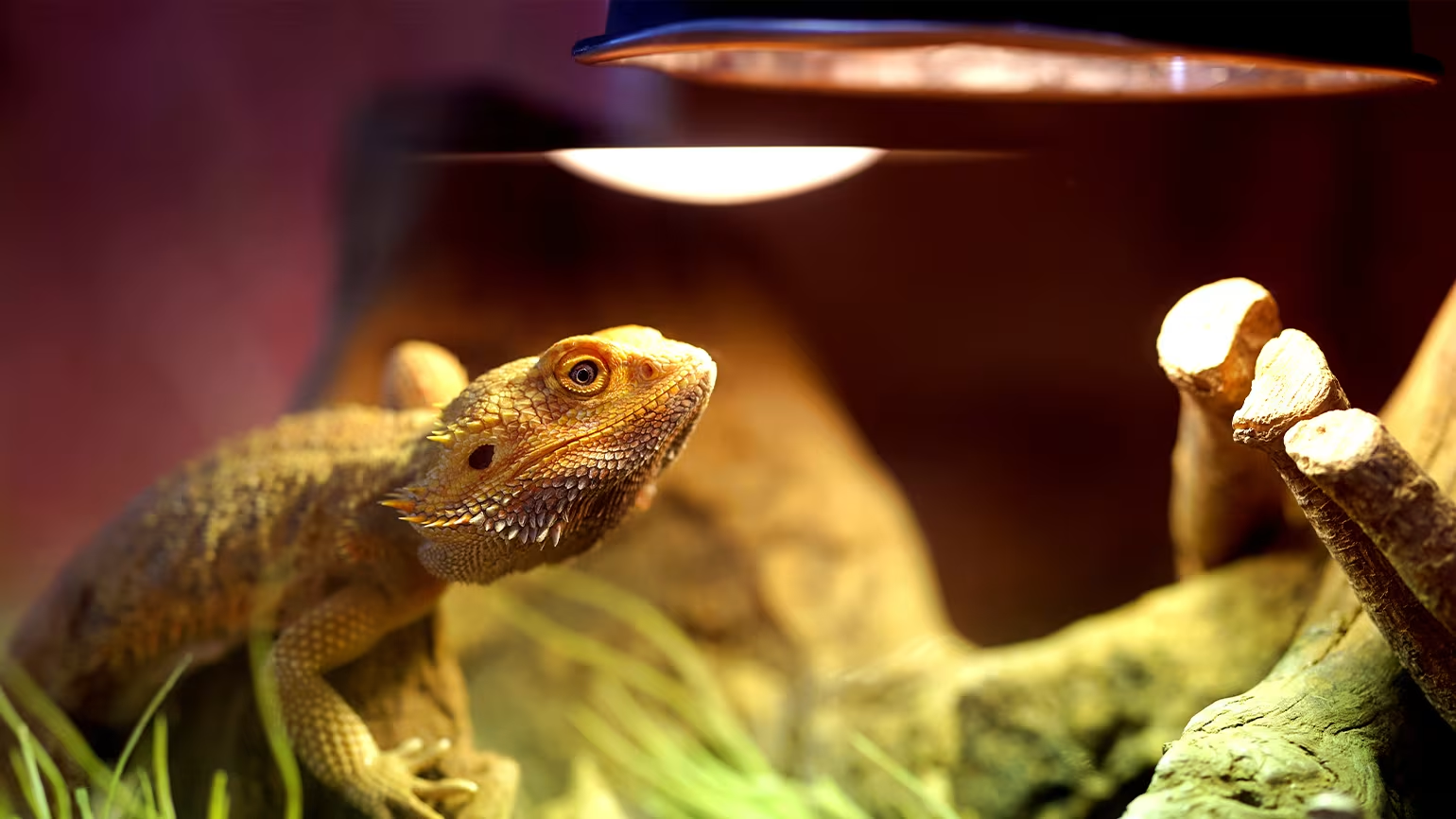
Learn the importance of UVB light for your reptiles and the right reptile lights for your pet’s habitat.
Updated on November 13th, 2025

A few ideas to use to get your pet safely through a power outage, regardless of the time of year.
Updated on November 13th, 2025
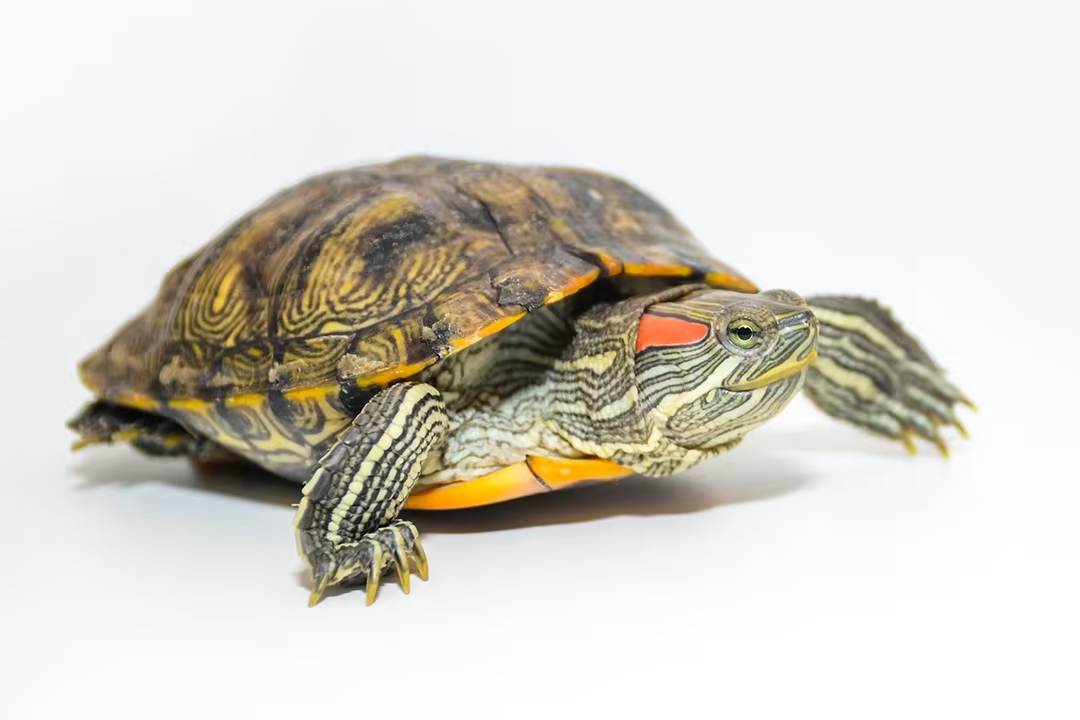
Red-eared sliders are primarily aquatic but will fully emerge from the water. Setting up a habitat that mimics their natural environment will help ensure your turtle is set up for a happy, healthy life!
Updated on November 13th, 2025
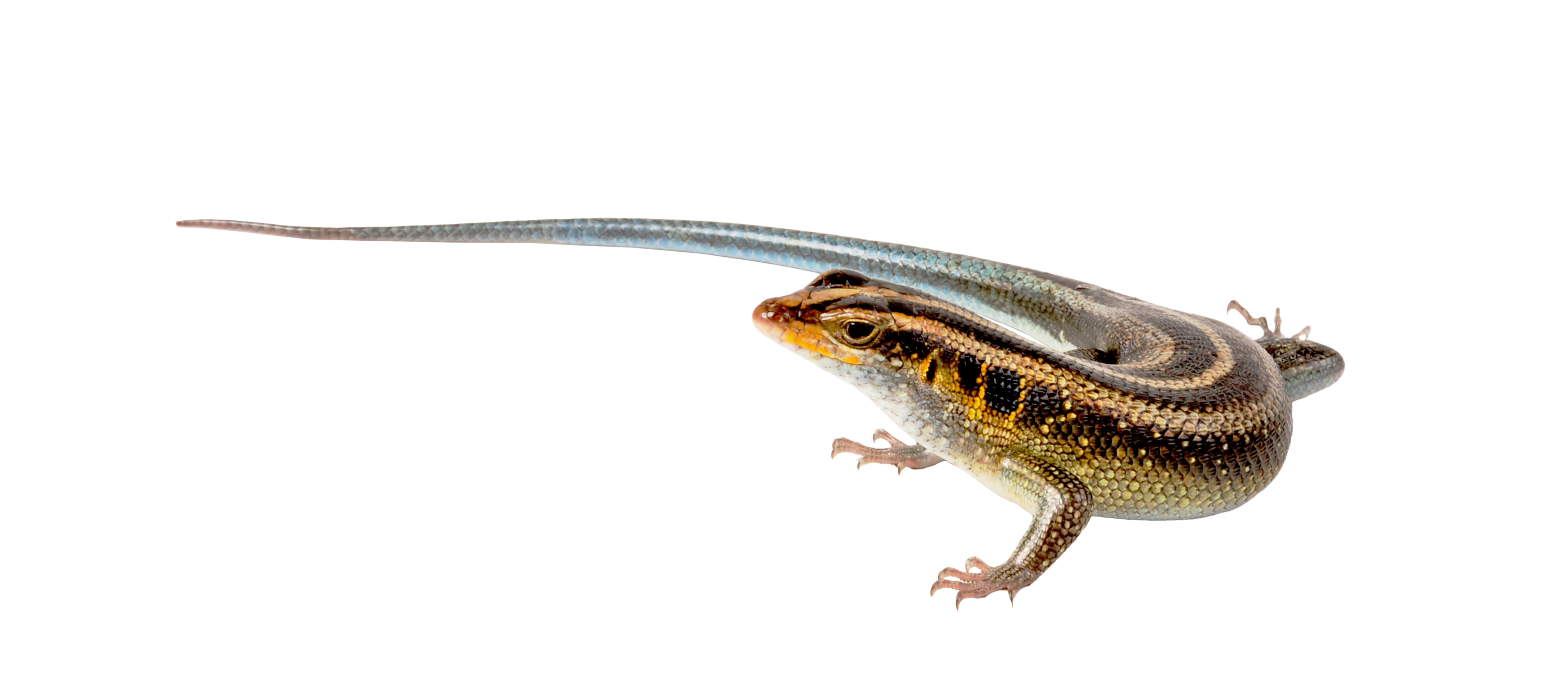
Learn how to care for an Arid Skink, recommended diet and habitat setup. Find the right food, supplies and equipment at your neighborhood Petco.
Updated on November 13th, 2025
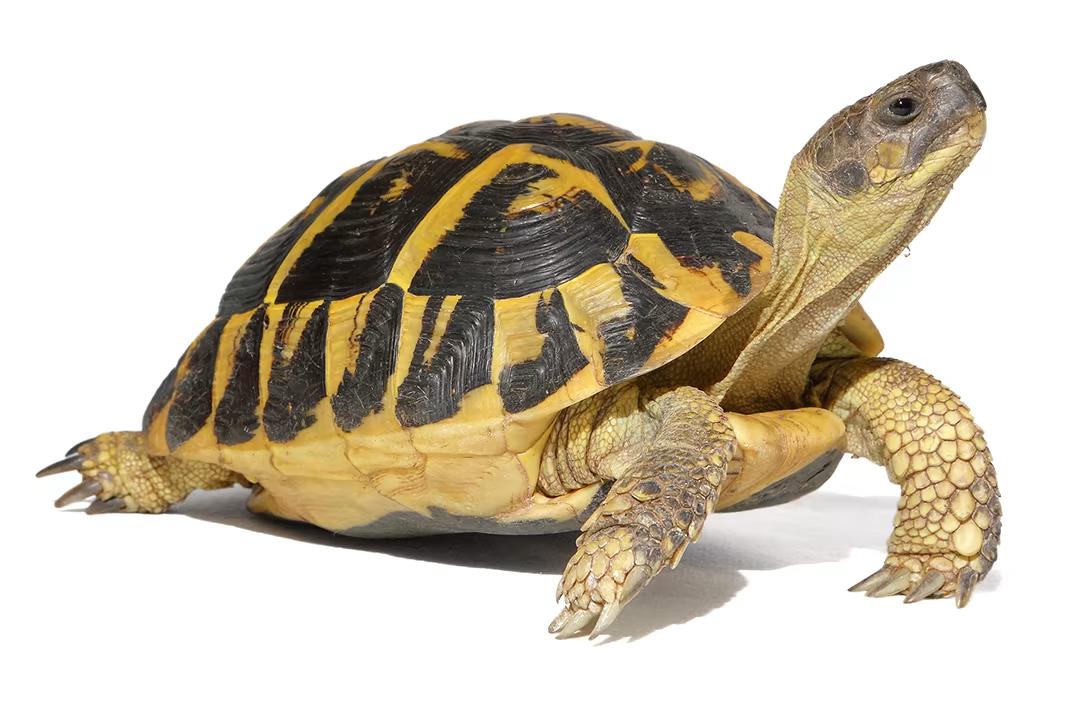
Learn how to take care of your Hermann's Tortoise, tank size, diet & habitat setup. Find the right food, supplies and equipment at your neighborhood Petco.
Updated on November 13th, 2025
What you have appears to be an aquatic/semi-aquatic species of turtle. Basic requirements include a tank of at least 10 gallons initially, a water heater, a water filter, a basking area out of the water, a heat lamp and a UVB light source.
Updated on August 12th, 2025
Red eared sliders are omnivorous. The amounts of plant matter and animal protein depend on age. Adults will eat more plant matter and less protein. The reverse is true for juveniles. Commercial turtle pellets, feeder fish, nightcrawlers and fresh greens and vegetables should all be a part of the diet. Tap water can be used, however it should be treated first to remove chlorine or chloramines. These chemicals are toxic to turtles and fish. Use an appropriate water conditioner such as Prime, AmQuel Plus or NovAqua. Test the water first before adding your turtles to confirm adequate water quality. You will need a filter to keep it clean and a heater to keep it warm. Sliders do best in water that is between 76 F and 85 F. You can read more specifics about care here: http://www.anapsid.org/reslider.html
Updated on August 12th, 2025
Thanks for reaching out about Shelley. Starting with a good website such as the San Diego Turtle & Tortoise Society (instead of just copying it to here). At the minimum, a 30-40 gallon aquarium. Set up for a haul out area under a basking site. The basking site should reach 90+ degrees and also include ultraviolet B radiation (special bulb). Food can consist of turtle pellets (purchased in small quantities, used in 3 months, with the remainder thrown away). Fresh chopped vegetables can also be offered but it usually takes a while for turtles to accept it as food. Testing water quality and cleaning regularly. Good luck.
Updated on August 12th, 2025
He can use a plastic tote until you get a tank, but it should be a much larger one than Guido is in right now. Find one that is at least 20 gallons. Provide water deep enough for him to swim in as well as a dry area to rest and bask. Provide a water filter, water heater,heat lamp and UVB light source. You can feed a commercial pelleted or stick diet supplemented with fresh greens and prey such as feeder fish or nightcrawlers. He may not be eating because water or ambient temperatures are too low. Low temps can affect appetite and digestion in reptiles. The link below will provide more information regarding slider care. http://www.anapsid.org/reslider.html
Updated on August 12th, 2025
If you post another question with images of Nala and Simba attached, we can possibly identify the species. This would make it easier for us to provide correct care information. In general, aquatic turtles need: a tank, clean water, a submersible heater, an area out of the water for basking, a heat source, a UVB light source and proper food. Two babies will be fine in a 10 gallon tank for now (20 gallons would be better), but as they grow, so their tank must grow. Ideally, you want to provide 10 gallons of water per inch of turtle as a general guideline. This means you may be looking at a 100 gallon tank or larger when they are full grown.Please don't release them into the wild after reading that! The water level should be no deeper than twice the length of their shells. That will increase as they grow and become adept swimmers. Most species do well in water that is kept about 80 F. A heat lamp can provide an area for basking near 90 F. A UVB light provides beneficial rays to aid in
Updated on August 12th, 2025