Two Easy Ways to Start Earning Rewards!
Become a member today! Members-only pricing and offers, personalized care notifications, Vital Care points back on every purchase and more!
 Become a credit card member today!
Earn 2X Pals Rewards points at Petco
when you use Petco Pay!APPLY NOWLearn More About Petco Pay Benefits
Higgins Bird Holiday & Christmas Shop
Get It Today



Related Articles & Questions
- Care Sheets
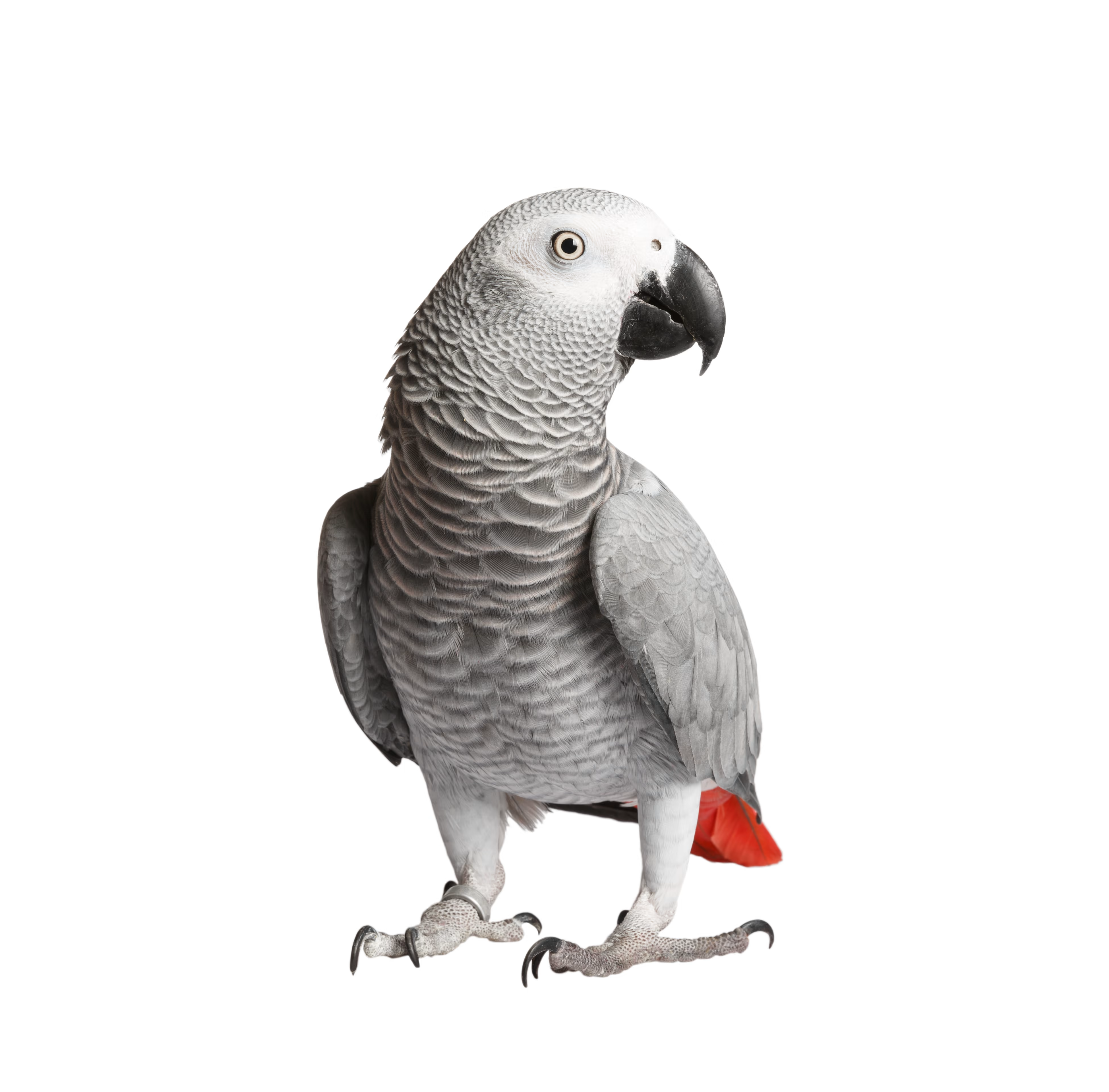
Expert Care for Your Large Hookbill: Food, Habitat, Health & Happiness
Learn how to take care of large Hookbill, recommended diet and housing setup. Find the right food, supplies and equipment at your neighborhood Petco.
Updated on April 9th, 2026
- Training & Behavior
Essential Pet Care Guide: Keep Your Furry Friend Happy & Healthy
Search Petco for the information needed about your bird’s body language. We will help you look for the signs in your bird & help you communicate with them.
Updated on October 23rd, 2025
- Seasonal Topics

8 Nights of Hanukkah With Pets: Safety Tips
Safely bring your pets into your Hanukkah celebrations. From tips on food, decor and gifting, we'll help you have the best holiday yet!
Updated on June 19th, 2026
- Training & Behavior
Bird Behavior Changes: What They Mean & What to Do
Read more about changes in your pet birds' behavior like biting, feather plucking and more.
Updated on July 17th, 2026
- Care Sheets
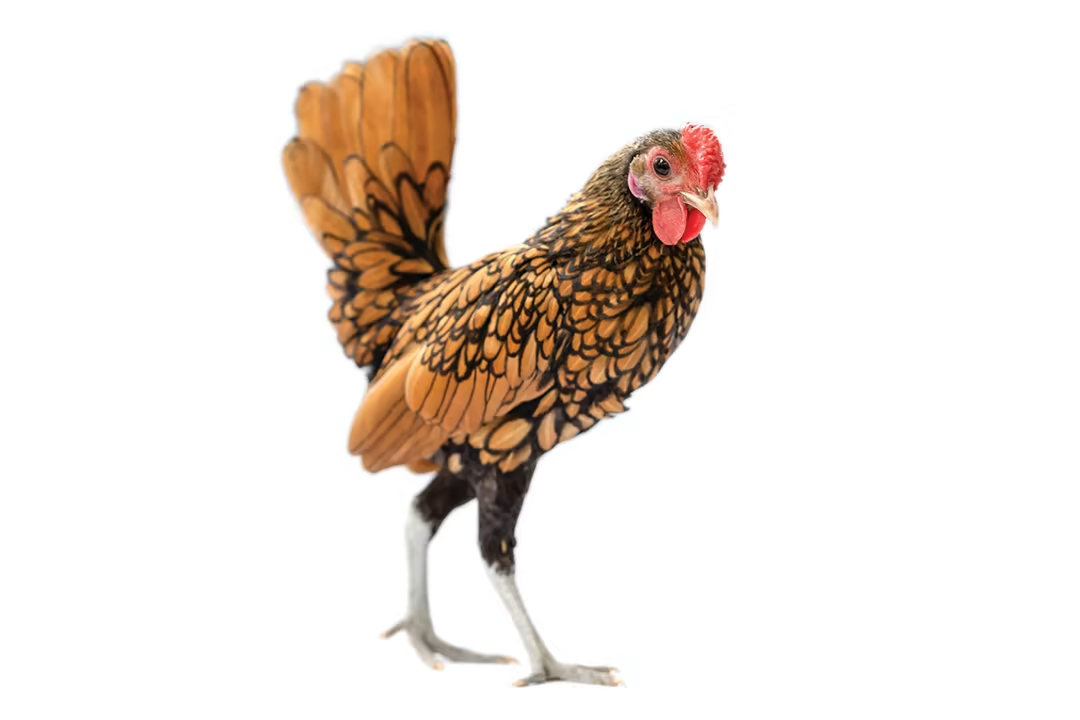
Backyard Chicken Care: Essential Guide for Happy, Healthy Hens
Learn how to take care of a Chicken, recommended diet and habitat setup. Find the right food, supplies and equipment at your neighborhood Petco.
Updated on April 9th, 2026
- Training & Behavior
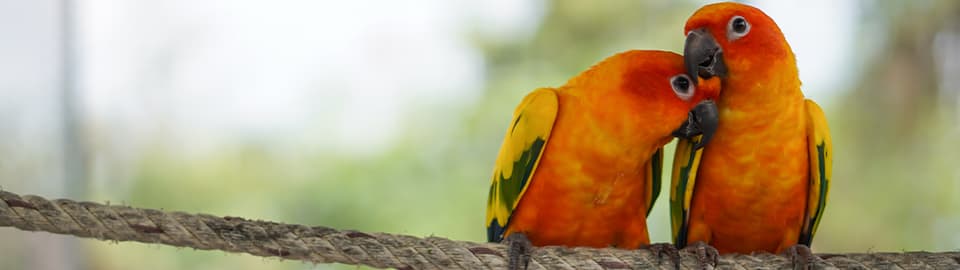
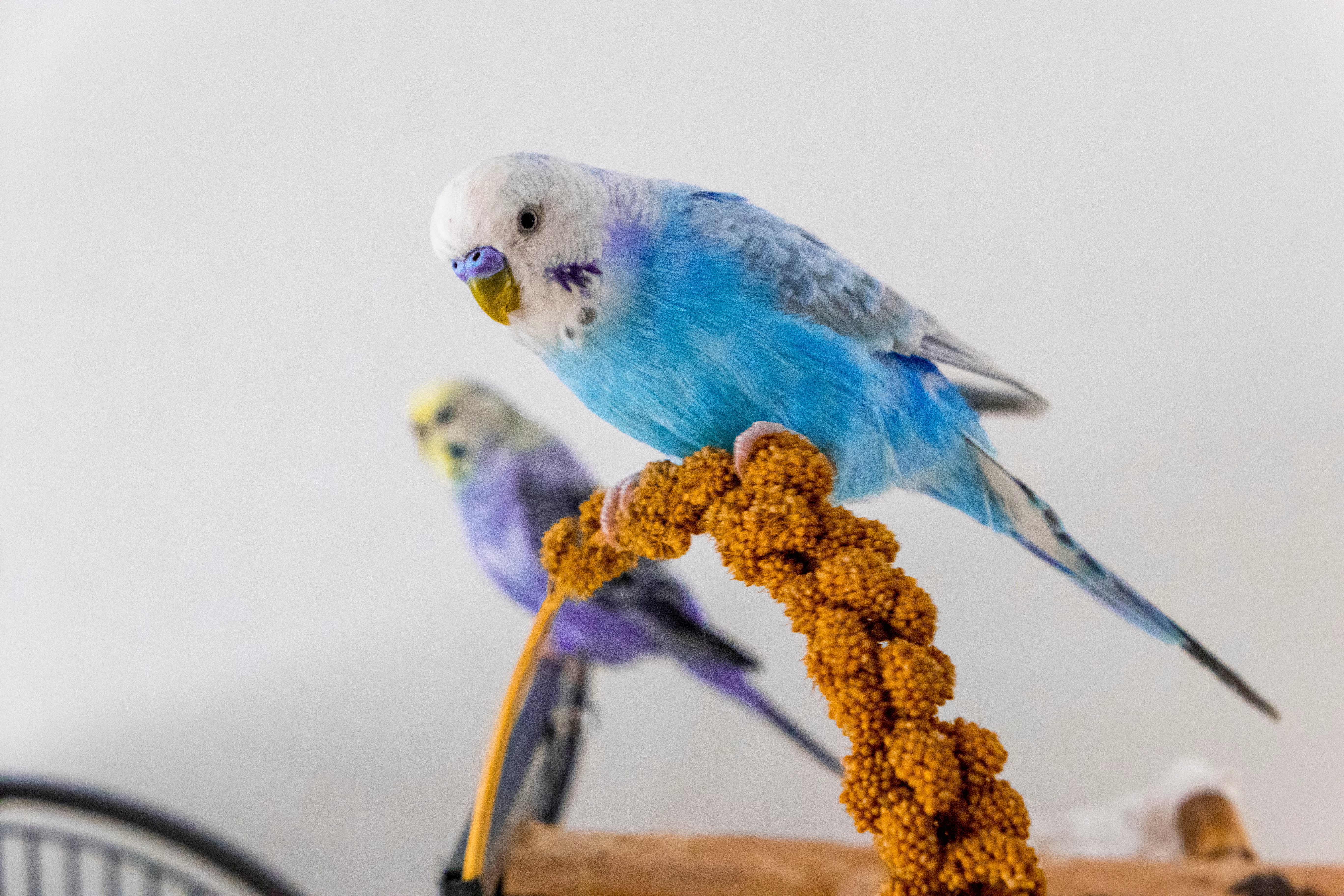
New to parakeets? Essential care tips for first-time owners.
Parakeets, also called Budgerigars, are small members of the parrot family and they can become good mimics. The average adult size is 7 inches long, head to end of tail. The average life span is between 10 to 20 years with proper care. A well-balanced Parakeet diet consists of: Specialized pellets should make up 60-70% of diet, fresh vegetables and fruits and small amounts of fortified seeds Clean, fresh, filtered, chlorine-free water, changed daily. Do not feed birds: avocado, fruit seeds, chocolate, caffeine or alcohol; it can cause serious medical conditions. Avoid sugar and high fat treats. Things to remember when feeding your Parakeet: Fresh food and water should always be available. Vegetables and fruits not eaten within a few hours should be discarded. Remember, treats should not exceed 10% of total food intake. Housing Parakeets acclimate well to average household temperatures, not to exceed 80°F; be cautious of extreme temperature changes. The habitat should area that is well-lit and away from drafts. A habitat approximately 18"W x 18"D x 18"H, with metal bars spaced no greater than 1-2" apart, makes a good home for one Parakeet. A flight habitat is strongly recommended. It is best to provide the largest habitat possible. Perches should be at least 4" long and 3-8" in diameter; a variety of perch sizes to exercise feet and help prevent arthritis is recommended. Perches should be at least 4" long and 3-8" in diameter; a variety of perch sizes to exercise feet and help prevent arthritis is recommended. A metal grate over the droppings tray will keep the bird away from droppings; line the droppings tray with habitat paper or appropriate substrate for easier cleaning. To avoid contamination, do not place food or water containers under perches. Parakeets can be kept alone to bond with pet parent or in pairs to bond with each other. Different birds she not be housed together. Normal Behavior Parakeets are talkers, but their little voices are sometimes hard to hear. Active and need daily time out of their habitats to interact with family. Keep in pairs if unable to devote daily interaction time. Provide foraging toys, which provide important mental stimulation. Housing Maintenance Clean and disinfect the habitat and perches regularly; replace substrate or habitat liner weekly or more often as needed. Replace perches, dishes, and toys when worn or damaged; rotate new toys into the habitat regularly. Ensure that there are no habitat parts or toys with lead, zinc or lead-based paints or galvanized parts as these can cause serious medical issues if ingested by your bird. Do not use a lot of cleaning agents around your bird a natural cleaner. Grooming & Hygiene Provide filtered, chlorine-free, lukewarm water regularly for bathing; remove the water when done. As an alternative, mist the bird with water. Clipping flight feathers is not necessary, but when done correctly it can help prevent injury or escape; consult an avian veterinarian on what is best for your bird. Nails should be trimmed by a qualified person to prevent injury to the bird. Signs of a Healthy Animal: Active, alert, and sociable Eats and drinks throughout the day Dry nares and bright, dry eyes Beak, legs and feet normal in appearance Clean, dry vent Smooth, well-groomed feathers Common Health Issues Chlamydiosis: Appetite loss, fluffed feathers, nasal discharge, green stool. Seek immediate avian veterinary attention. Diarrhea: Fecal portion of stool is not formed. Multiple causes from diet change to internal parasites. Consult with an avian veterinarian and ensure proper diet. Feather plucking: Bird plucks own feathers; may be due to boredom, poor diet or other illness. Consult your veterinarian and relieve boredom with attention, new toys or new space. Mites (scaly face and leg disease): White deposits on eyes, beak, legs, and feet. Consult your veterinarian. Red Flags Beak swelling or accumulations Fluffed, plucked, or soiled feathers Sitting on floor
Updated on September 24th, 2025
- Food & Nutrition
What budgie food provides all nutrients, so I don't need vitamins?
A good quality commercial pelleted diet such as Harrison's, Lafeber, KayTee Exact or Pretty Bird can provide complete nutrition. You can supplement with small amounts of a fortified seed mix as well as a variety of fresh fruits and vegetables.
Updated on September 24th, 2025
- Training & Behavior
My new lovebird won't play with toys. How can I encourage her?
Thanks for your question about Zinnia. I didn't see how long you have had Zinnia, but part of the reason may be that she is nervous and adjusting to her new home/environment. I am not sure what types of toys you have present, but in the picture I could see some rope material, some wood, and some fibrous types of material. These are all very appropriate toys for a lovebird. Other options may include bells (ensure they are made of stainless steel, including the clapper, as heavy metal toxicity is a concern in birds), plastic (ensure that it is sturdy, as we don't want any ingestion of foreign materials!), and you can make homemade toys as well out of tissue paper (with no dyes) and toilet paper or paper towel rolls. To make these more interesting for Zinnia, you may need to play with the toys with her - of course, this will depend on how social she is with you. You can also incorporate food in with the toys to make them more appealing - this can be done using pellets or produce items. This will not only allow for her to have interaction with the toys, but will provide her with foraging opportunities, which is very important for our pet birds. I hope that gives you a place to start, and congratulations on your new pet!
Updated on September 24th, 2025
- Vet Q & A
My bird can't stand or perch due to birth defect. What can I do?
Ouch! Those feet should be checked out by a vet and some blood tests run to make sure there isn't a nutritional deficiency or other illness causing the foot problem. If your bird checks out OK, then it may be a genetic deformity that will be there for life. Birds that have trouble perching or getting around may do better with large, flat perches, or flat shelf-like platforms so they can rest their feet and move around without falling off. Food and water dishes with similar shaped platforms can also help make it easier for your bird to access.
Updated on September 24th, 2025
- Training & Behavior
Is my lovebird happy when he humps, regurgitates, and ignores toys?
It's always difficult to assess any animals level of happiness, but I can definitely tell you that this bird does not seem unhappy. The humping and regurgitation (puking) tell me that Toetie is very comfortable in his environment and has formed a bond with you. Also, he appears rather healthy from the pictures you've submitted. I think the most important things to keep a bird happy are supplying good enrichment and as much space as you can possibly give. Enrichment can be as simple as letting the bird out of the cage, interacting with the bird, or giving toys. I understand that he does not seem to be interested in toys, so it may take some experimenting to find out which ones he may like. I have found that the best enrichment can be achieved by making the bird work for its food. There are plenty of toys for sale that you can hide food in and the bird has to either solve a puzzle or dismantle it to get the prize. I used to feed my parrot most of his food this way and it really helped to keep him from getting too bored when I was away during the day. This website looks to have many great ideas for bird enrichment: http://www.birdsnways.com/birds/iedible.htm Another enrichment idea is getting Toetie a mate of the same species. This is not easy, because you would have to ensure they get along before putting them together. Also, you should understand that a bird will always prefer the company of another bird, rather than a human. So, giving him a mate may make him less likely to interact with you or other people. I hope this helps and at least gives you peace-of-mind that Toetie is at least not depressed.
Updated on September 24th, 2025