Two Easy Ways to Start Earning Rewards!
Become a member today! Members-only pricing and offers, personalized care notifications, Vital Care points back on every purchase and more!
 Become a credit card member today!
Earn 2X Pals Rewards points at Petco
when you use Petco Pay!APPLY NOWLearn More About Petco Pay Benefits
Caitec Aquariums, Tanks & Bowls



Related Articles & Questions
- Care Sheets
Aquatic Pet Safety: Keep Your Home Aquarium Pets Healthy & Safe
Learn how to safely handle your aquatic life to avoid toxin & bacterial exposure. Find aquatic life care supplies at your neighborhood Petco pet care center.
Updated on October 23rd, 2025
- Product Guides
Aquarium Sizes, Weights & Dimensions Guide
When choosing a new aquarium or moving to a new home you’ll want to know the dimensions, weight, and size of your tank to plan accordingly.
Updated on June 19th, 2026
- Care Sheets
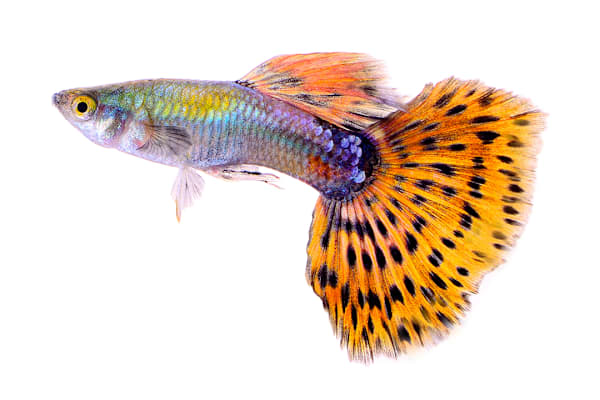
Guppy Care: Tank Setup, Feeding, & Compatibility for Beginners
Learn how to care for Guppy fish, recommended diet & aquarium setup. Find the right food, supplies & equipment at your neighborhood Petco.
Updated on April 9th, 2026
- Care Sheets
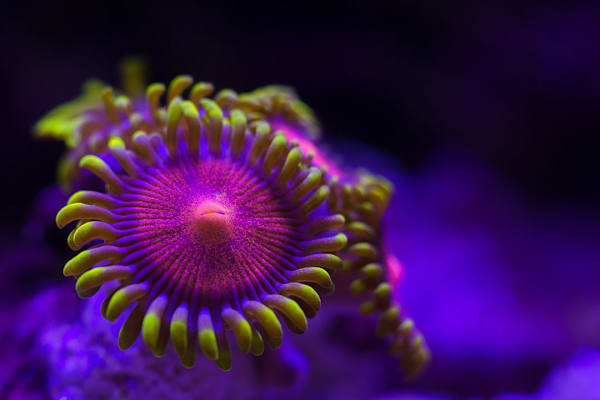
Mastering Soft Coral Care: Setup, Feeding, & Water for a Healthy Reef
Learn how to care for soft coral, recommended care & habitat setup. Find the right food, supplies & equipment at your neighborhood Petco.
Updated on April 9th, 2026
- Care Sheets
Your FOWLR Marine Tank: Easy Setup Guide for Live Rock Fish
Learn how to care for Marine FOWLR Aquariums. These tanks have easier upkeep and require less testing and supplementation than a reef tank. You can keep many fish who would generally consume corals and invertebrates, making it a popular setup choice for more aggressive fish.
Updated on October 23rd, 2025
- Vet Q & A
How to save my sick freshwater fish after an ammonia spike?
Monitor water chemistry using a home test kit or submit a water sample for testing. The local Petco may do this for free or for a small fee. Aim for an absence (0 ppm) of ammonia and nitrites with nitrates at 20ppm or less. Perform partial water changes to stabilize chemistry and/or to improve water quality. Use only conditioned water that is temperature matched to prevent stress or shock. Pristine water quality is the foundation for healing and recovery from infection or injury in fish. You can use plain aquarium salt (NOT table or Epsom salt) as a general tonic to reduce stress, improve gill function and aid in recovery. Dissolve 1 teaspoon of salt per gallon of water in a cup or two of water and gently pour it into the tank. Treat for 14 days then reassess the condition. An "all in one" product, such as Lifeguard (by Tetra), can be used concurrently to treat infection or parasites. Find one in the aquarium section of the local Petco. Follow label directions carefully and remove the carbon filter insert during treatment if indicated.
Updated on September 24th, 2025
- New Pet
My kitten is trying to eat my fish and birds. How can I stop her?
Hi, thanks for using Petco Pet Education Center, formerly Petcoach! I would keep a lid on the fish tank and I would keep the birds in a separate room when you are not home. I would also keep the birds caged. You should be training the kitten to not jump on the bird cage and the fish tank. They make noise deterrents to scare a cat away from an area you do not want them to be. Be sure to provide plenty of outlets for Holly to play and be stimulated so she isn't bored and try to interact with the other animals. Good luck!
Updated on September 24th, 2025
- Health & Wellness
Goldfish spazzing in 5-gallon tank? Is it the water quality?
Thanks for reaching out about Timothy and Lola. First suggestion is to get a large tank. The general rule of thumb is 1" of fish per 3 gallons of water. Test and correct water quality for pH, ammonia, nitrites and nitrates. The better the filtration, the higher the bio-load. So better filtration or a second filter could help. Good luck.
Updated on September 24th, 2025
- Health & Wellness
Planning for blood parrot cichlids? Tank size, food, and care guide.
Hello and thank you for your questions. Here is a helpful link about Blood Red Parrot Cichlids: https://www.petsmart.com/fish/live-fish/goldfish-betta-and-more/blood-red-parrot-cichlid-4034863.html Here's another link about cichlids in general: http://www.tetra-fish.com/fish-type-landing/cichlid.aspx These fish can grow to be large so you will want to start with a 30 gallon tank minimum. I recommend to start with 3-4 fish. These can be housed with other fish but they need to be within the same 'community'. Decorations are important because they give fish a place to hide. Provide a few large rocks, arches and covered areas where fish can hide. Then you can place the plants around the structures. Live plants can aide in providing healthy water. Tetra is a good fish food brand. They have been around a long time and have many varieties to chose from to meet your fish's needs. Make sure to supplement with fish as described in the article as well. Lastly, the frequency of water changes depends upon your tank including water hardness, number of fish, size of tank, filtration system and if live plants are present. A good rule of thumb is a 25% water change every 2 weeks. Cichlids may not be the best choice for a first time fish owner without doing some prior research. I recommend to read up on general aquarium care, cichlid care and to stop by your local aquarium store to discuss any issues specific to your location (such as water hardness, mineralizations within the local water or low/high pH levels). Local stores that specialize in fish and aquariums are often dialed into the local water and can provide a lot of helpful information. I hope this helps and please feel free to post any additional questions.
Updated on September 24th, 2025
- Vet Q & A
Is plant fertilizer safe for fish? What do I need for a planted tank?
When used as instructed, plant nutrients and fertilizers designed specifically for aquarium plants will not harm aquarium fish. Allow new aquarium plants to settle and establish themselves before adding any fertilizers. Use aquarium plant substrates such as CaribSea Eco-Complete Plant Substrate http://www.drsfostersmith.com/product/prod_display.cfm?pcatid=9087 to get your plants established faster. Seachem Flourish Advance Natural Phytohormone Supplement http://www.drsfostersmith.com/product/prod_display.cfm?pcatid=33890 will help stimulate root growth vital for overall plants health. Even though you have plants with low to moderate light requirements, be sure to use aquarium light specifically designed for planted aquarium use (sometimes called plant lights) and have the lights on between 10 and 12 hours a day. You may need to adjust the photoperiod (the amount of time the light is on) depending on how your plants are doing and to prevent unwanted nuisance algae growth.
Updated on September 24th, 2025