

Two Easy Ways to Start Earning Rewards!
Become a member today! Members-only pricing and offers, personalized care notifications, Vital Care points back on every purchase and more!
 Become a credit card member today!
Earn 2X Pals Rewards points at Petco
when you use Petco Pay!APPLY NOWLearn More About Petco Pay Benefits
Avian Adventures Cockatiel Perches & Stands

Related Articles & Questions
- New Pet
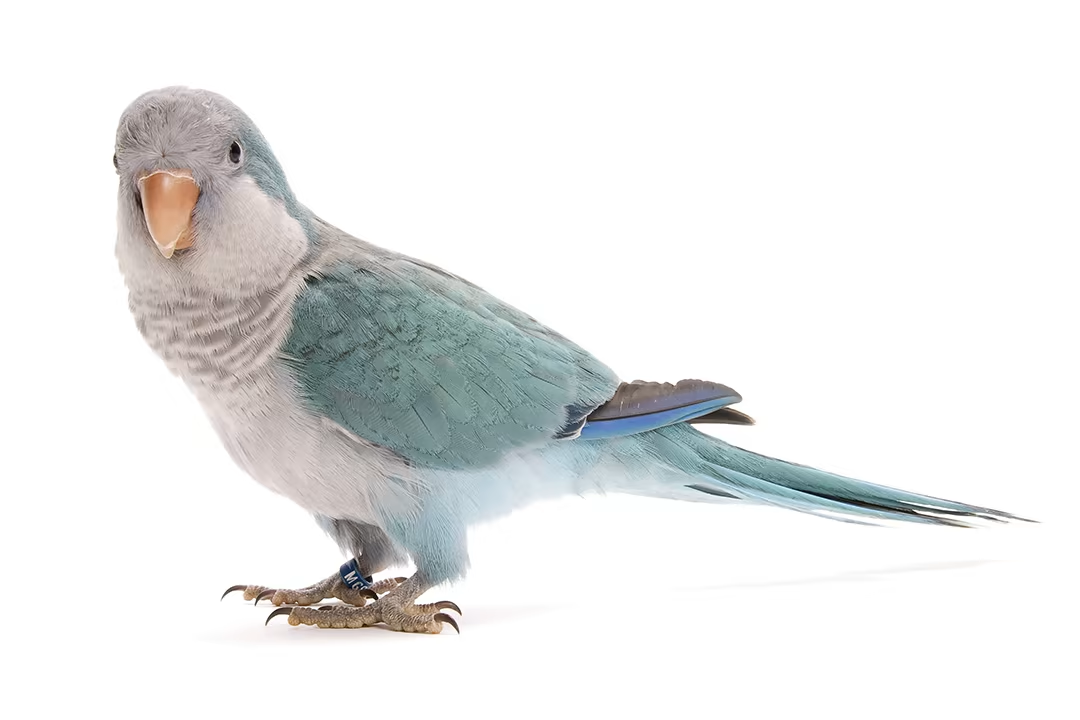
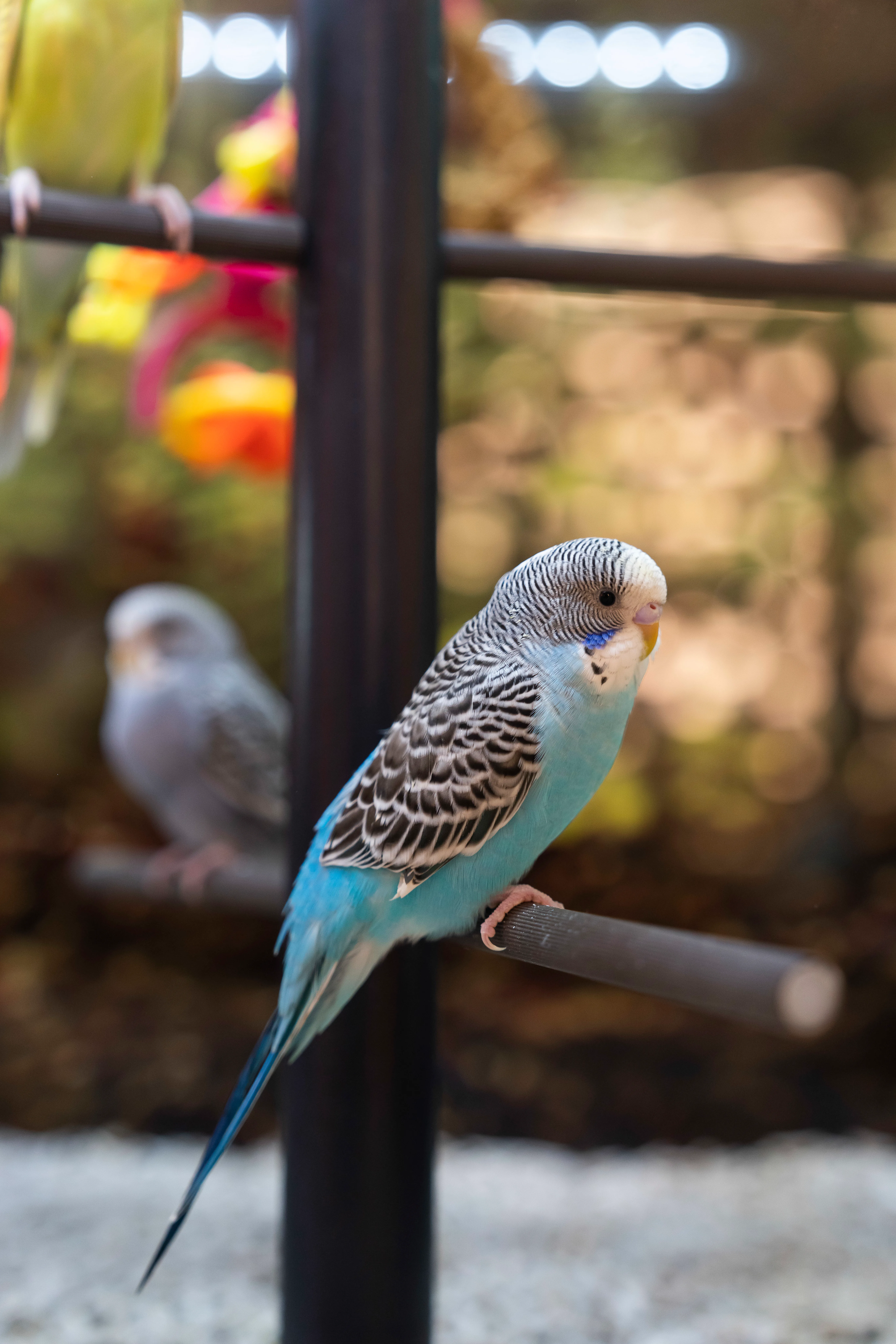
Master Medium Parakeet Care: Essential Guide for a Long, Happy Life
Learn how to care for a medium-sized parakeets, recommended diet & bird cage setup. Find the right food, supplies & equipment at your neighborhood Petco.
Updated on October 23rd, 2025
- New Pet
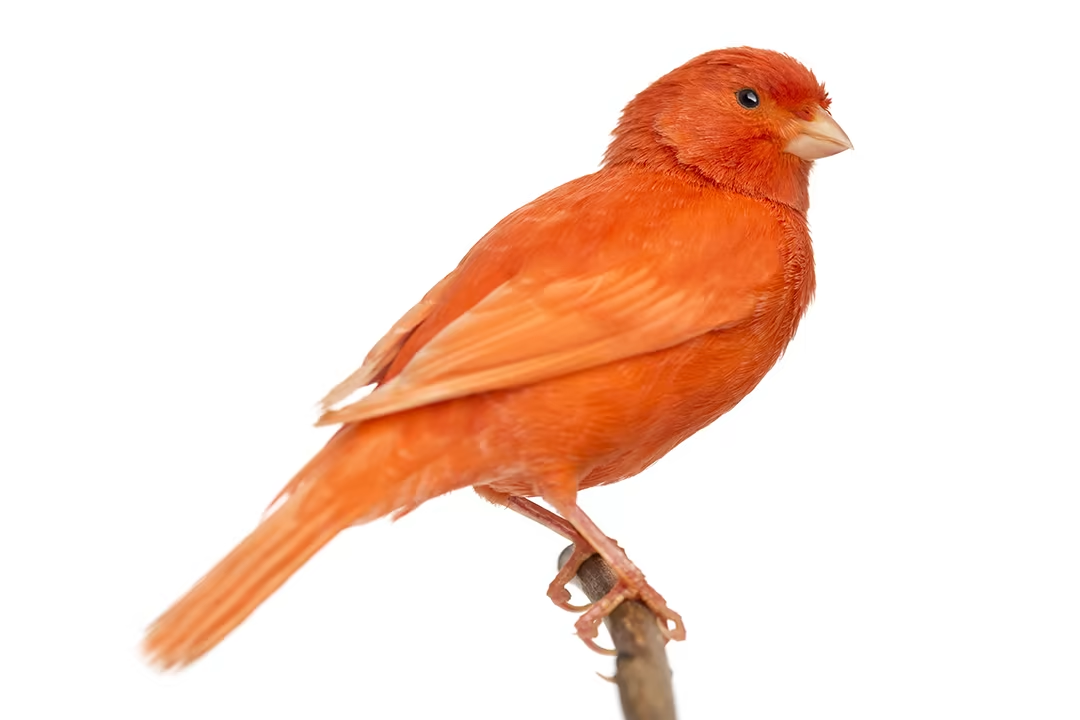
How to Care for Canaries: Food, Habitat, Health & Singing Guide
Learn how to care for a Canary, Canary facts, recommended diet and habitat setup. Find the right food, supplies and equipment at your neighborhood Petco.
Updated on December 21st, 2025
- Seasonal Topics
Protect Your Pet Bird This Summer: Essential Heat Safety & Care Tips
Read more about how to care for your pet birds during the warmer months and keep them safe, happy and healthy all summer long.
Updated on October 23rd, 2025
- Home & Habitat
Clean Pet Toys, Beds & Habitats: Stop Germs, Keep Pets Healthy
Learn how to keep your pet's toys, bed, and habitat clean with these easy-to-follow tips, ensuring a healthier and happier environment for your pet.
Updated on October 23rd, 2025
- New Pet
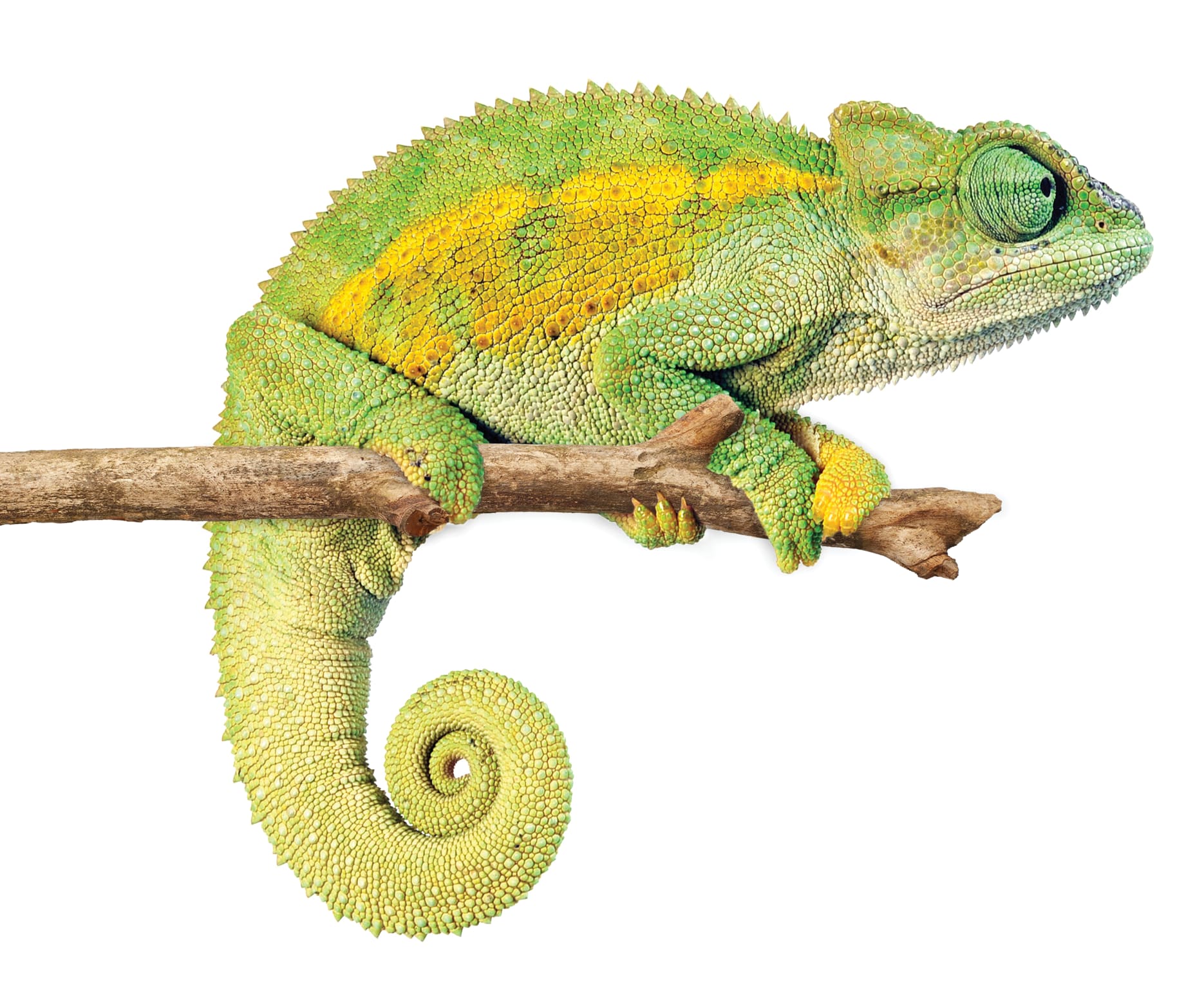
Cool Climate Chameleon Care: Habitat, Food, Health & Setup Secrets
Learn how to care for cool climate Chameleons, recommended diet & habitat setup. Find the right food, supplies & equipment at your neighborhood Petco.
Updated on October 23rd, 2025
- Health & Wellbeing
My cockatiel is having issues with his feet, he struggles to walk along the perch, he sleeping with his belly low on the perch on two feet and he’s started plucking, he used to be so vocal and happy now that’s all he does and I’d just like an idea of
Thanks for your question about Franks, and I am sorry that this is happening to the two of you. Thank you for the photos as well - they are very helpful. I agree with you that he is standing very low on the perch. I didn't see how old he was, but if he is an older cockatiel, this may be due to arthritis or another type of joint pain. Also, I didn't see where the feather destruction was occurring, but if it is also over the joints, this could support the theory as well. Sometimes if there is pain elsewhere in the body, such as in the belly (coelom), that can manifest as birds plucking feathers over that portion of their body and it can cause them to walk around differently and bear weight on their limbs differently as well. I agree with you that a veterinary visit is a good idea - they can perform a thorough physical examination, including feeling the belly for any abnormalities and taking a close feel of the legs and wings. They can see if there is any decrease in the range of motion o
Updated on September 24th, 2025
- Health & Wellbeing
My cockatiel is not standing. It still acts like its self and eats. At first I thought it broke its wing but realized it can’t stand
There is a possibility that he has a renal tumor that is pressing on the femoral nerve making it unable to stand. There may be other causes. It is a very general sign, so you should take your bird to an avian veterinarian for an exam and treatment.
Updated on September 24th, 2025
- Health & Wellbeing
my bird Cockatiel now sleeps leaning forward on beak, how sick is he ?
Unfortunately, without an in-person exam, it would be impossible to say. Birds are extremely good at hiding illnesses, and by the time they do show symptoms, it's usually pretty serious. I would try to schedule an appointment with a vet that can see birds ASAP. In the meantime, keeping your bird in a separated hospital cage with low perches, plenty of food and water, and kept warm can help make them comfortable and may help.
Updated on September 24th, 2025
- Health & Wellbeing
Hi ok so I have two cockatiels one is a male one is a female .I’m not sure how old they are but I’ve had them for 6 years and they hate me but ,the female bird loves my mom listens to my mom when my mom puts her finger in front of her she goes on her
Taming birds takes a lot of time, patience and consistency. You may want to find a favorite treat of theirs, and begin offering it only when you approach the cage. Getting them used to you first without handling them can help them gradually overcome any fear and prevent extra stress. Once comfortable, you can then move onto feeding them from your hand, petting them, etc. If at any time they do become stressed, taking a break until they calm down and then returning to the previous step they were comfortable with is best. These articles below may also help give you some tips and tricks to make things easier: https://www.petcoach.co/article/basic-bird-training-how-to-train-your-bird-to-step-up/ https://www.petcoach.co/article/bird-biting-why-they-do-it-and-how-to-correct-it/
Updated on September 24th, 2025
- Health & Wellbeing
I recently got a cockatiel and i have had him for just over a week and he was doing fine and he seemed comfortable but last night he went to the bottom of his cage and slept there and it’s now 1pm and he still isn’t active, he is alive though, do you
Thanks for reaching out about Pablo. Sleeping on the bottom of the cage is a general sign of weakness or illness. Remove perches and provide a soft towel on which to lie. Provide heat support in the 80-85 F range for aid. A veterinary visit to assess and provide a diagnostic/treatment plan is recommended. Offer food and water via a syringe for some nutrition and fluid. Good luck.
Updated on September 24th, 2025