


Two Easy Ways to Start Earning Rewards!
Become a member today! Members-only pricing and offers, personalized care notifications, Vital Care points back on every purchase and more!
 Become a credit card member today!
Earn 2X Pals Rewards points at Petco
when you use Petco Pay!APPLY NOWLearn More About Petco Pay Benefits
Sponge Filters: What They Are & How They Work
Published on July 19th, 2024
Updated on June 18th, 2026


Reviewed by Don Spaeth
One of the oldest forms of aquarium filtration (and not just for small tanks), a sponge filter may be the right filtration choice for your aquarium!
One of the oldest forms of aquarium filtration (and not just for small tanks), a sponge filter may be the right filtration choice for your aquarium! So, what is a sponge filter? As simply as the name states, sponge filters are essentially a porous foam or sponge that sits at the bottom of the aquarium.
How Does a Sponge Filter Work?
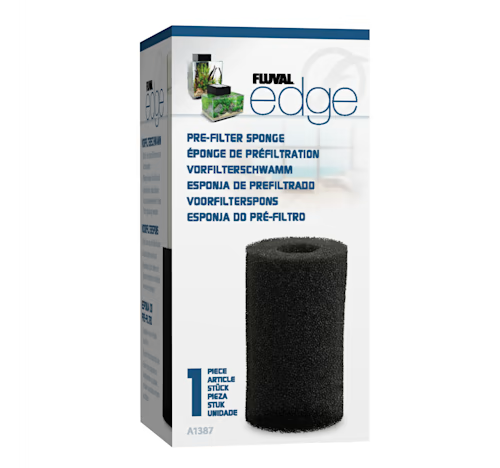
Water is drawn through the sponge, allowing for the growth of beneficial bacteria and trapping debris. It is this simplicity of design that many hobbyists are drawn to. The basic components of a sponge filtration system consist of a base and cap, lift tube, and strainer. Most require airline tubing and an air pump to operate, although some can be attached to powerheads or external filters. This is very similar to many canister and power filters that utilize foam for mechanical and biological purposes. Some aquarists also utilize a sponge filter on the intakes of their power filters to filter out large debris from the water before it enters the main filter.
Using Sponge Filters to Lower Flow
The single biggest reason many fish keepers reach for a sponge filter is simple: gentle, low-flow filtration that won't harm the animals in your care. Unlike canister filters or hang-on-the-back power filters — which pull water through an intake with considerable force — a sponge filter draws water slowly and evenly through a porous foam surface, keeping flow rates low and predictable.
That low-flow advantage matters more than you might expect. Here's where it makes the biggest difference:
Delicate and small-bodied fish. Even a smaller-sized power filter can push too much water movement through a compact fish tank, creating a disruptive, stressful current that exhausts fish and destabilizes the environment. A sponge filter sidesteps that problem entirely.
Bubble-nesting fish like bettas and gouramis. These species build and guard floating bubble nests at the water's surface. Excess surface agitation from a power filter can destroy those nests before eggs ever hatch. A sponge filter's minimal surface disturbance keeps the water calm enough for nesting behavior to succeed.
**Shrimp species — Caridina and Neocaridina.** Both genera are small enough to be pulled toward or into a standard power filter intake. A sponge filter eliminates that risk, making it the go-to choice for dedicated shrimp fish tanks.
Fry and baby fish. Aquarists breeding and raising fry face the same intake hazard. A sponge filter's gentle draw keeps newborn fish safe while still cycling the water and supporting beneficial bacteria colonies.
Live fish foods — brine shrimp and blackworms. Hobbyists who culture their own brine shrimp or blackworms need a filter that won't simply vacuum up their food supply. Because a sponge filter moves water without a strong suction intake, those small creatures stay in the water column where fish can find them.
Sponge Filters by Use Case
| Situation | Why a Sponge Filter Works |
|---|---|
| Betta or gourami fish tank | Minimal surface agitation preserves bubble nests |
| Shrimp-only fish tank (Caridina / Neocaridina) | No intake to trap or injure small invertebrates |
| Fry-rearing fish tank | Gentle draw won't pull baby fish into the filter |
| Live food culture (brine shrimp, blackworms) | Low suction keeps food organisms alive in the water |
| Small or oddly shaped fish tanks | Compact footprint fits where power filters can't |
| Planted aquascape | Biological filtration without strong currents uprooting plants |
| Hospital or quarantine fish tank | Fast setup, low cost, easy to run only when needed |
Small and Uniquely Shaped Fish Tanks
Many compact or non-rectangular fish tanks simply don't have the space or geometry to accommodate a hang-on-the-back or canister filter. A sponge filter's small footprint and flexible placement make it a practical solution where other mechanical filtration options aren't possible — without sacrificing the biological filtration your fish need.
Planted Aquascapes
Heavily planted fish tanks benefit from as much biological filtration as possible, but a strong current can uproot delicate stems, scatter substrate and disrupt a carefully arranged aquascape. A sponge filter delivers steady biological filtration while keeping water movement gentle enough to let plants stay rooted and grow naturally.
Hospital and Quarantine Fish Tanks
A hospital or quarantine fish tank is one of the most practical places to use a sponge filter. Most treatment and quarantine setups aren't running continuously — they're assembled quickly when a fish shows signs of illness or when new fish arrive and need to be isolated before joining the main fish tank. Because a sponge filter is inexpensive, simple to assemble and fast to get operational, it's an ideal fit for a system that may sit unused for weeks at a time and then need to be up and running within the hour.
A note on fish health: If you're setting up a quarantine fish tank because a fish appears unwell, always consult your veterinarian or an aquatic veterinary specialist for guidance on diagnosis and any treatment protocol. A sponge filter supports a stable environment, but it isn't a substitute for professional veterinary care.
Sponge Filter Pros and Cons
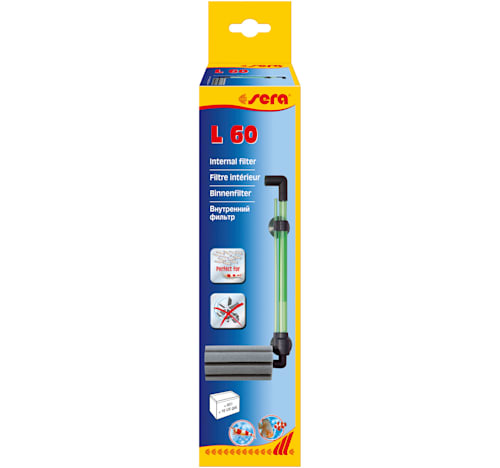
Sponge filters are very easy to maintain; if a sponge becomes damaged, it's as simple as replacing the sponge. During water changes, they just need a couple of good squeezes into the wastewater bucket to remove the accumulated debris. One disadvantage to using a sponge filter, though, is the lack of chemical filtration. Sponge filters are rock solid performers when it comes to mechanical and biological filtration, but they do not have any way of filtering out dissolved organics. Although some may argue that in a well-maintained or fully planted aquarium the use of chemical filtration is negligible, making sponge filters one of the most widely debated forms of filtration for aquariums.
Frequently Asked Questions
What size aquarium is a sponge filter best suited for? Sponge filters work well in aquariums ranging from small nano tanks (2–10 gallons) up to mid-size setups (40–55 gallons), depending on the model and the number of units used. For larger aquariums, hobbyists often run multiple sponge filters together or pair one with a secondary power filter for added filtration capacity. Always match the filter's rated flow to your tank volume.
How often should I clean a sponge filter? Most sponge filters benefit from a light cleaning every two to four weeks, though heavily stocked aquariums may need more frequent attention. The key is to squeeze the sponge gently several times into a bucket of used aquarium water — never tap water — so you preserve the colony of beneficial bacteria living inside the sponge. Rinsing in tap water can kill those bacteria and effectively restart your biological cycle.
Can I use a sponge filter alongside another filter? Yes, and many experienced aquatic life hobbyists recommend it. Running a sponge filter in combination with a hang-on-the-back or canister filter gives you redundant biological filtration and a gentler flow zone within the same aquarium. A sponge filter placed over a power filter's intake is especially useful for protecting shrimp and fry from being drawn into the main unit.
Do sponge filters provide chemical filtration? No. Sponge filters excel at mechanical filtration (trapping debris) and biological filtration (housing beneficial bacteria), but they do not remove dissolved organics or chemical waste the way activated carbon or other chemical media do. In a well-maintained, lightly stocked or heavily planted aquarium this limitation is often manageable, but pet parents with higher bioloads may want to supplement with a chemical filtration stage.
Are sponge filters safe for betta fish and bubble-nesting species? Sponge filters are widely considered one of the most fish-friendly filtration options for bettas, gouramis and other bubble-nesting species. Strong surface agitation from power filters can destroy bubble nests and stress low-flow fish; a sponge filter produces only gentle water movement, keeping the surface calm enough for nest building while still cycling the water effectively.
How do I start the biological cycle in a new sponge filter? The fastest method is to seed a new sponge by placing it in an established, healthy aquarium for two to four weeks before moving it to a new tank. This transfers an existing population of beneficial bacteria directly into the new sponge. Alternatively, you can run the new sponge filter in the new aquarium through a standard nitrogen cycle, testing ammonia, nitrite and nitrate levels regularly until the tank stabilizes.
This article was created with assistance from AI tools and reviewed for accuracy by Petco's content team.


