


Two Easy Ways to Start Earning Rewards!
Become a member today! Members-only pricing and offers, personalized care notifications, Vital Care points back on every purchase and more!
 Become a credit card member today!
Earn 2X Pals Rewards points at Petco
when you use Petco Pay!APPLY NOWLearn More About Petco Pay Benefits
Best Cat Litter: How to Choose the Right One
Published on July 18th, 2024
Updated on June 18th, 2026

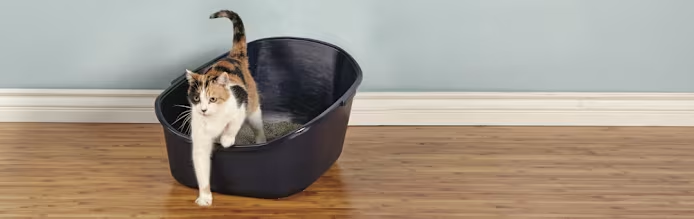
Cat litter comes in a range of types, textures and scents. Learn about the different types of cat litter options available and how to transition new litters.
What Makes a Cat Litter the "Best"? Start Here
The best cat litter for your home comes down to three things: clumping performance, odor control and material type. Get those three right for your specific cat and household, and everything else — cleanup time, tracking, dust — falls into place. Whether you're welcoming a new cat or kitten into your life or noticing that your current cat's litter box area has gotten a little funky, understanding these core factors first will save you time, money and a lot of trial and error.
Why it matters beyond convenience: Finding the right litter can help ease feline stress and prevent litter box problems like urinating outside the box. Cats have strong opinions about texture and scent — what works beautifully for one cat may send another searching for an alternative spot. Don't be afraid to experiment. The sections below break down every major litter type so you can make a confident, informed choice.
Types of Cat Litter
Cat litter comes in a wide range of materials, textures and scents. Use the comparison table below for a quick side-by-side look, then read the full breakdown for each type.
Quick-Comparison Table: Cat Litter Types at a Glance
| Litter Type | Main Material | Clumping? | Dust-Free? | Lightweight? | Low-Tracking? | Biodegradable? |
|---|---|---|---|---|---|---|
| Clay | Carbon & plant extracts | Yes (quick) | Varies | Most varieties | No | No |
| Corn | Corn | Yes | Yes | Yes | Low | Yes |
| Coconut husk | Coconut fiber | Light clump | Yes | Yes | No | Yes |
| Wheat | Wheat kernels | Yes | Yes | Yes | No | Yes |
| Pine/wood | Wood by-product | No | Low-dust | Yes | Low | Yes |
| Walnut shell | Ground/pelleted walnut shells | Varies | Low-dust | Yes | Low | Yes |
| Recycled paper | Recycled newspaper | Varies | Varies | Yes | Low | Yes |
Scented vs. Unscented Cat Litter
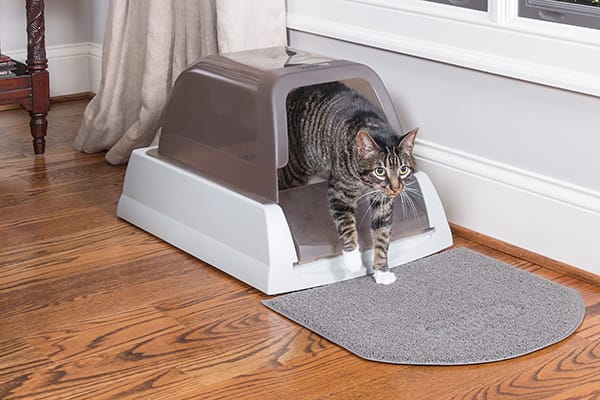
Before diving into materials, consider scent — it's often the first decision point. Scented litters are formulated to mask litter box odors, but many cats dislike strong fragrances and will avoid a box that smells heavily perfumed to them. If your cat has started eliminating outside the box, an overpowering scent could be a contributing factor worth discussing with your veterinarian.
Unscented cat litters rely on ingredients such as carbon and plant extracts to absorb odors from urine and feces, keeping both you and your cat comfortable without added fragrance. For cats with respiratory sensitivities, unscented and low-dust formulas are generally the more conservative choice.
Clumping vs. Non-Clumping Cat Litter
Clumping and non-clumping litters differ in how you clean and maintain the box — and how often you need to do a full litter change.
- Clumping litters form firm, scoopable masses around urine and feces, making waste removal quick and straightforward. They generally provide strong odor control and need to be fully replaced less often.
- Non-clumping litters absorb moisture without forming solid masses. They typically require more frequent full litter changes to stay fresh.
Your cat's preference, your cleaning routine and any health considerations (ask your veterinarian if your cat has recently had surgery or a urinary condition) should all factor into this choice.
Clay Cat Litter
| Feature | Details |
|---|---|
| Main material | Carbon and plant extracts |
| Scented or unscented? | Available in both varieties |
| Clumping? | Yes — quick clumping |
| Low-tracking? | No |
| Lightweight? | Most varieties are lightweight |
| Dust-free? | Available in both varieties |
| Biodegradable? | No |
Clay cat litter is one of the most widely used litter types, and for good reason: it clumps quickly, making litter box cleanup easier and reducing how often you need to do a full litter change. The tradeoff is dust. Clay litters — particularly lower-cost formulas — can produce a noticeable amount of fine particulate dust, which is worth considering for cats or pet parents with respiratory sensitivities. If dust is a concern, look specifically for low-dust or dust-free clay formulas.
| Pros of clay cat litter | Cons of clay cat litter |
|---|---|
| Clumps quickly for easy cleanup | Not biodegradable |
| Strong odor control | May produce dust |
| Typically needs to be changed less frequently than non-clumping litters | — |
Corn Cat Litter
| Feature | Details |
|---|---|
| Main material | Corn |
| Scented or unscented? | Scented (naturally or artificially) |
| Clumping? | Yes |
| Low-tracking? | Low tracking |
| Lightweight? | Yes |
| Dust-free? | Yes |
| Biodegradable? | Yes |
Corn cat litter has become a popular plant-based alternative to traditional clay. It clumps nearly as well as clay, but is dust-free and lightweight — a meaningful advantage for pet parents who find heavy litter bags or tubs difficult to manage. Its biggest draw is that it's biodegradable and a more environmentally conscious choice. The main consideration: corn litter typically costs more than clay. If budget is a priority, weigh that against the dust-free and eco-friendly benefits.
| Pros of corn cat litter | Cons of corn cat litter |
|---|---|
| Dust-free | May be pricier than other litters |
| Biodegradable and environmentally conscious | — |
| Lightweight | — |
| Clumps well | — |
Coconut Husk Cat Litter
| Feature | Details |
|---|---|
| Main material | Coconut fiber |
| Scented or unscented? | Naturally scented |
| Clumping? | Clumps lightly |
| Low-tracking? | No |
| Lightweight? | Yes |
| Dust-free? | Yes |
| Biodegradable? | Yes |
Cat litter made from coconut husks is among the most environmentally conscious options available — even more so than corn — but it can be harder to find at your average pet store. Like corn litter, it's lightweight and dust-free. The key difference is texture: coconut fibers tend to be scratched out of the box more easily than other materials, which can mean more litter on your floor. It's a particularly good choice if you compost, as it's fully compostable. If you can't find it locally, check the cat litter and waste disposal section online for a wider selection.
| Pros of coconut husk cat litter | Cons of coconut husk cat litter |
|---|---|
| Dust-free | May be more difficult to find than traditional litters |
| Biodegradable and environmentally conscious | Fibers track more easily out of the box |
| Made from a renewable resource | Clumps only lightly |
| Compostable | — |
Wheat Cat Litter
| Feature | Details |
|---|---|
| Main material | Wheat kernels |
| Scented or unscented? | Naturally or artificially scented |
| Clumping? | Yes |
| Low-tracking? | No |
| Lightweight? | Yes |
| Dust-free? | Yes |
| Biodegradable? | Yes |
Wheat cat litter is naturally odor-absorbing and, in many formulas, flushable — a convenient option for pet parents who prefer not to add litter to landfill waste. Even if the mild natural wheat scent isn't your preference, several brands offer formulas with added artificial scents. The caveats: wheat doesn't clump as firmly as clay, and because wheat is a food source for insects, this litter must be stored carefully in a sealed container to prevent pests.
| Pros of wheat cat litter | Cons of wheat cat litter |
|---|---|
| Naturally clumping and odor-absorbing | May not clump as firmly as clay litter |
| Dust-free | Must be stored carefully to prevent pests |
| Biodegradable and environmentally conscious | — |
| Often flushable | — |
Pine and Other Wood Cat Litter
| Feature | Details |
|---|---|
| Main material | Wood by-product |
| Scented or unscented? | Naturally scented |
| Clumping? | Non-clumping |
| Low-tracking? | Low tracking |
| Lightweight? | Yes |
| Dust-free? | Low-dust |
| Biodegradable? | Yes |
Wood pellet litter — particularly pine — is a standout for odor control and absorbency. It soaks up urine effectively while releasing a mild, pleasant wood scent that many pet parents find far more appealing than synthetic fragrances. Despite what you might expect, wood shavings and pellets are formulated to be soft underfoot, so your cat's sensitive paws are well accommodated. The main drawback is that wood litter doesn't clump, which means you'll likely need to change the box more frequently to keep things fresh. Used litter can often be composted or repurposed as landscape mulch.
| Pros of wood cat litter | Cons of wood cat litter |
|---|---|
| Made from a wood by-product | Non-clumping — requires more frequent full changes |
| Excellent natural deodorizer | Some pet parents find pine scent too strong |
| Low-dust | — |
| Environmentally safe and biodegradable | — |
| Can be composted or used as landscape mulch | — |
Walnut Shell Cat Litter
| Feature | Details |
|---|---|
| Main material | Ground or pelleted walnut shells |
| Scented or unscented? | Naturally scented |
| Clumping? | Available in both clumping and non-clumping varieties |
| Low-tracking? | Low tracking |
| Lightweight? | Yes |
| Dust-free? | Low-dust |
| Biodegradable? | Yes |
Ground or pelleted walnut shells produce a highly absorbent, practically dust-free litter that checks a lot of boxes for environmentally minded pet parents. Walnut shell litter doesn't clump as firmly as clay, but its low-dust, low-tracking profile and renewable sourcing make it a compelling option — especially if you've been frustrated by dust clouds or litter scattered across your floors. It's worth noting that whole walnuts are toxic to dogs [https://www.aspca.org/pet-care/animal-poison-control]; however, the processed, pelleted form used in cat litter is a different matter — if you share your home with a dog, consult your veterinarian about any concerns before switching.
| Pros of walnut shell cat litter | Cons of walnut shell cat litter |
|---|---|
| Highly absorbent | May not clump as firmly as clay litter |
| Biodegradable and made from a renewable resource | — |
| Low-dust | — |
| Low-tracking | — |
Recycled Paper Cat Litter
| Feature | Details |
|---|---|
| Main material | Recycled newspaper |
| Scented or unscented? | Available in both varieties |
What to Look for When Choosing the Best Cat Litter
Finding the right cat litter isn't one-size-fits-all — your cat's preferences, your household setup and any health considerations all play a role. Use these key factors to narrow down your options before you buy.
Clumping vs. Non-Clumping
Clumping litters — typically made from sodium bentonite clay — form tight, scoopable clumps when wet, making daily waste removal quick and odor control more consistent. Non-clumping litters absorb moisture without forming clumps; the entire litter box contents usually need to be replaced more frequently. Most cat parents find clumping litters easier to maintain, though non-clumping options can work well for kittens under four months or cats with certain sensitivities.
Litter Material
The material affects everything from dust levels to how your cat feels underfoot. Common options include:
| Litter Material | Key Benefit | Potential Drawback |
|---|---|---|
| Clay (clumping) | Strong odor control; widely available | Can be heavy; some dust |
| Clay (non-clumping) | Lower cost upfront | Requires full box changes more often |
| Silica crystal | Very low dust; long-lasting | Higher cost; some cats dislike texture |
| Natural wood | Lightweight; low dust | Odor control varies by brand |
| Natural paper | Soft; low dust; good for post-surgery paws | Less odor control than clay |
| Natural corn or wheat | Biodegradable; flushable (check local codes) | May attract insects if stored improperly |
| Walnut shell | Strong odor absorption; low dust | Dark color can make waste harder to spot |
Odor Control
Odor control is one of the top reasons cat parents switch litters. Look for formulas with activated charcoal, baking soda or plant-based odor neutralizers built in. Keep in mind that no litter replaces daily scooping — consistent box maintenance is the single most effective odor-control strategy. https://www.vet.cornell.edu/departments-centers-and-institutes/cornell-feline-health-center/health-information
Dust and Tracking
Low-dust formulas matter most for cats or pet parents with respiratory sensitivities. Silica crystal and paper litters tend to produce the least airborne dust, while some clay litters — particularly fine-grained varieties — can release more particulate when poured or disturbed. Tracking (litter carried out of the box on your cat's paws) is reduced by larger granule sizes and textured litter mats placed at the box entrance.
Scented vs. Unscented
Many cat parents reach for scented litters to mask odors, but cats have a far more sensitive sense of smell than humans do. Heavily fragranced litters can discourage a cat from using the box altogether, which can lead to elimination outside the box — a common behavioral and sometimes medical concern. https://www.vet.cornell.edu/departments-centers-and-institutes/cornell-feline-health-center/health-information Unscented litters with strong odor-neutralizing technology are generally the better starting point, especially for cats new to your home.
Your Cat's Life Stage and Health
Kittens, senior cats and cats recovering from surgery or managing a health condition may need a specific litter type. For example, paper or non-clumping litters are often recommended after declawing or urinary procedures to keep fine particles away from healing tissue. Always follow your veterinarian's guidance when a health condition is involved.
Monitoring the litter box is also a meaningful part of routine cat care — changes in urination frequency, volume or appearance can be early indicators of health issues. https://www.vet.cornell.edu/departments-centers-and-institutes/cornell-feline-health-center/health-information If you notice anything unusual, contact your veterinarian promptly.
Number of Cats and Box Setup
The general guideline is one litter box per cat, plus one extra. More cats mean faster litter saturation, so odor control capacity and how quickly a litter clumps become more important. High-traffic households may benefit from larger-granule or crystal litters that hold up longer between full changes.
Budget and Convenience
Per-use cost matters more than sticker price. A premium silica crystal litter used in a single-cat household may last longer than a budget clay litter that needs full replacement twice as often. Factor in bag weight (especially if you're carrying litter up stairs), availability for reorder and whether the formula works with an automatic self-cleaning box if you use one. Browse cat litter and waste disposal options at Petco to compare materials, sizes and formats side by side.
You've made your decision, and now it's time to make the switch. Most cats will adapt to a new litter without incident if you commit to a slow transition.
Add small amounts of the new litter to the old over a seven- to 10-day period until you have switched over completely. This is especially important if you are changing litter forms, as a new texture may cause your furry friend to alter their litter box behavior.
If your cat or kitten is avoiding their litter box, try giving them a simultaneous selection of different litter types to choose from. Put down three or four boxes with different litters in each one and see if your cat has a preference.
Note: If your cat starts going to the bathroom outside of their litter box, your first call should always be to your veterinarian. Many medical conditions can cause a change in a cat's litter box habits.
Cat Litter Types Compared: Which Is Right for Your Cat?
Choosing the right litter starts with understanding how each type performs where it matters most — odor control, clumping, dust, tracking and environmental impact. Use this side-by-side comparison to narrow down your options before experimenting to find your cat's preference.
| Litter Type | Main Ingredient | Clumping? | Dust Level | Tracking | Biodegradable? | Odor Control | Best For |
|---|---|---|---|---|---|---|---|
| Clay (clumping) | Sodium bentonite clay | Yes — firm, fast clumps | Moderate to high | Moderate | No | Strong | Pet parents who want easy scooping and reliable odor control |
| Corn | Corn kernels | Yes — nearly as firm as clay | Very low | Low | Yes | Good | Pet parents seeking a natural, dust-free alternative |
| Coconut husk | Coconut fiber | Light clumping only | Very low | Higher — fibers scatter | Yes (compostable) | Mild, natural | Eco-conscious pet parents who compost |
| Wheat | Wheat kernels | Yes — moderate clumps | Very low | Moderate | Yes (flushable) | Good — naturally absorbing | Pet parents who want a flushable, plant-based option |
| Pine / Wood | Wood by-product (pellets or shavings) | No | Low | Low | Yes (compostable/mulch) | Excellent — natural deodorizer | Pet parents who prioritize odor control and low dust |
| Walnut shell | Ground or pelleted walnut shells | Available in both | Very low | Low | Yes | Good — highly absorbent | Pet parents who want a renewable, low-tracking option |
| Recycled paper | Recycled newspaper pellets | No | Very low | Low | Yes | Moderate | Cats recovering from surgery or with sensitive paws |
| Crystal / Silica gel | Silica gel crystals | No | Very low | Very low | No | Excellent — moisture-trapping | Pet parents who want low-maintenance, long-lasting litter |
A few things to keep in mind as you read this table:
- Dust matters more than you may think. Cats spend time digging and covering waste, which means they inhale whatever particles the litter kicks up. If your cat has a history of respiratory issues, a low-dust or dust-free formula — corn, wheat, paper or crystal — is worth prioritizing. Consult your veterinarian if your cat shows signs of respiratory sensitivity. https://www.vet.cornell.edu/departments-centers-and-institutes/cornell-feline-health-center/health-information
- Clumping makes cleanup faster, but non-clumping isn't a dealbreaker. Pine and paper litters absorb liquid effectively without forming scoopable clumps — you simply remove solid waste daily and replace the full box more frequently.
- Biodegradable doesn't always mean flushable. Wheat litter is commonly marketed as flushable, but check local municipal guidelines before flushing any litter. The CDC advises against flushing cat waste due to Toxoplasma gondii risk to waterways.
- Scent sensitivity is real for cats. Cats have a significantly more acute sense of smell than humans do. https://www.vet.cornell.edu/departments-centers-and-institutes/cornell-feline-health-center/health-information A litter that smells pleasant to you — heavily perfumed clay, for example — may be off-putting enough to your cat that she avoids the box entirely. When in doubt, start unscented.
- Kittens need extra care. Very young kittens may ingest litter while exploring. A non-toxic, non-clumping option like recycled paper is often recommended for kittens under four months old. Ask your veterinarian what they recommend for your kitten's specific stage of development.
Quick pick guide: If you want the closest thing to a universally accepted starting point, an unscented, low-dust clumping litter — clay or corn — gives most cats a texture they'll accept and gives you the scooping convenience that makes daily box maintenance realistic. From there, adjust based on your cat's preferences and your household's priorities.
Frequently Asked Questions
What litter do veterinarians typically recommend for cats? Most veterinarians suggest starting with an unscented, clumping litter — usually clay-based — because cats tend to prefer fine-textured, low-odor substrates close to the feel of natural soil. Cats with respiratory sensitivities or post-surgical needs may do better with a low-dust or paper-based option. Always check with your veterinarian if your cat has a health condition that could affect litter choice, such as a urinary tract issue or recent declawing. https://www.vet.cornell.edu/departments-centers-and-institutes/cornell-feline-health-center/health-information
Which cat litter is best for odor control? Wood-based litters — particularly pine pellets — are among the strongest performers for odor control because the wood fiber naturally neutralizes ammonia from urine. Clumping clay litters with activated carbon also provide reliable odor management by trapping odor molecules before they spread. Unscented formulas that rely on carbon or plant extracts tend to outperform heavily scented litters for long-term odor reduction, since artificial fragrances can fade quickly and may discourage some cats from using the box.
What is the best cat litter for cats with sensitive paws or respiratory issues? Cats with sensitive paws often do well with softer, finer-textured litters such as corn, wheat or recycled paper, which are gentler underfoot than coarse pellets. For cats or pet parents with respiratory sensitivities, a dust-free formula — corn, wheat and coconut husk litters are all low- to no-dust — is a strong choice. Avoid heavily scented litters if your cat sneezes, squints or avoids the box, as artificial fragrance can be irritating. Consult your veterinarian if respiratory symptoms persist. https://www.vet.cornell.edu/departments-centers-and-institutes/cornell-feline-health-center/health-information
Is clumping or non-clumping litter better? Clumping litter makes daily scooping faster and typically means you replace the entire box contents less frequently, which can be more economical over time. Non-clumping litters — such as wood pellets or recycled paper — absorb liquid without forming a solid mass, so they require more frequent full changes but can be a good fit for kittens under four months or cats recovering from surgery, when clumping material could pose an ingestion concern. Your veterinarian can help you decide which format suits your cat's life stage and health status.
Can I flush cat litter down the toilet? Wheat-based litters are marketed as flushable, and some corn-based varieties make similar claims. However, many municipal water systems and septic systems are not equipped to filter out Toxoplasma gondii, a parasite shed in cat feces that can harm marine wildlife. The ASPCA Animal Poison Control and environmental health authorities generally advise against flushing any cat waste into the water supply. Bag and bin used litter whenever possible, regardless of litter type. https://www.aspca.org/pet-care/animal-poison-control
How often should cat litter be fully replaced? Clumping litters — clay, corn and wheat — typically need a full box change every two to four weeks when scooped daily, because clumping removes the bulk of waste before odor builds. Non-clumping litters such as wood pellets or recycled paper absorb liquid in place and should be fully replaced more frequently, often every one to two weeks. The number of cats sharing a box also matters: the general guideline is one litter box per cat, plus one extra, to keep each box fresh and reduce stress-related litter box avoidance. https://www.vet.cornell.edu/departments-centers-and-institutes/cornell-feline-health-center/health-information
This article was created with assistance from AI tools and reviewed for accuracy by Petco's content team.


