


Two Easy Ways to Start Earning Rewards!
Become a member today! Members-only pricing and offers, personalized care notifications, Vital Care points back on every purchase and more!
 Become a credit card member today!
Earn 2X Pals Rewards points at Petco
when you use Petco Pay!APPLY NOWLearn More About Petco Pay Benefits
Aquarium Substrate: Complete Guide for Fish Tanks
Published on September 15th, 2023
Updated on June 18th, 2026


Reviewed by Don Spaeth
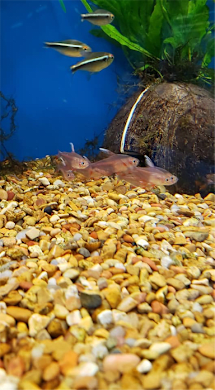
Choosing the right substrate for your aquarium is important and provides an area for beneficial bacteria to grow which keeps your aquatic environment safe.
More than just pebbles at the bottom of the aquarium, choosing the right substrate for your aquarium can be like choosing the right paint color for your walls. But substrate goes well beyond just being appealing to the visual aspect of your aquarium.
Yes, in most circumstances substrates provide a complete, more natural appearance to the aquarium, but it has a more important role than just looking pretty. The substrate provides a large surface area for beneficial bacterial to colonize and grow. These bacteria aid with the breakdown of detritus and fish waste, keeping the aquatic environment safe for all your finny friends.
Not just a great place for bacteria to grow, substrates may also help reduce stress. Substrate provides aquatic life a sense of orientation. It prevents the bottom from creating a mirror-like base in which the fish sees a reflection of itself and others. Additionally, there are also species of fish and invertebrates that enjoy foraging and borrowing into the substrate, some even make a cozy bed under it at night.
Live plants benefit from a layer of substrate which creates an area for nutrients to accumulate and their root systems to take hold.
Substrate can also be utilized for breeding as there are species of fish, like cichlids, that will make a nest in the substrate to lay their eggs and rear their young.
Freshwater Aquarium Substrates
Choosing the right substrate for your freshwater fish tank comes down to three things: the fish you keep, the plants you want to grow, and the look you're going for. Here's a breakdown of every major freshwater substrate type so you can match the right option to your setup.
Gravel
Gravel is the most common freshwater substrate — and for good reason. It comes in a wide array of colors and sizes to suit nearly any aquarium style, and it does not alter water parameters, making it a forgiving choice for beginners and experienced aquarists alike. Some gravel is epoxy-coated to prevent color from fading over time; other options are natural rock. Larger natural stones, like river rock, work especially well as a substrate for bigger fish that like to rearrange the decorations in their fish tank — the heavier material stays put better than finer options.
Sand
Sand has grown steadily in popularity as a freshwater substrate, and it's easy to see why. It creates a naturalistic look and is an excellent choice for fish that like to burrow and scavenge for food along the bottom. Cichlid pet parents in particular often choose sand because it closely mimics the environment those fish come from in the wild. Some cichlid species will even ingest small amounts of sand during feeding, which can help support their digestion.
A few important caveats:
- Don't use play sand from a hardware store. Play sand is silicate-based and can contribute to brown algae blooms in your fish tank.
- Choose aquarium-grade sand. Sand sold specifically for freshwater aquarium use is typically coated or processed to prevent silicates from leaching into the water.
- Watch your grain size. If the sand grain is too fine and water circulation is poor, pockets of hydrogen sulfide can develop in compacted areas — a condition that can be harmful to fish. Stirring the substrate regularly or adding burrowing invertebrates helps prevent this.
Aquatic Plant Substrates (Soil, Volcanic Rock & Baked Clay)
Many aquatic plants absorb nutrients directly from the water column and can grow just fine in gravel or sand. However, plants that feed primarily through their roots — like many stem plants, Amazon swords, and carpeting species — will flourish far more reliably in a substrate designed specifically for planted tanks.
These specialized substrates are made from compounds such as:
- Aquatic soil / nutrient-rich substrate — Dense, dark-colored substrates that are pre-loaded with nutrients and minerals to fuel root growth
- Volcanic rock (pumice or similar) — Porous material that supports beneficial bacteria colonies while providing a stable anchor for root systems
- Baked clay — Fired clay granules that hold their shape, resist compaction, and can absorb and slowly release nutrients to plant roots
If you're building a planted freshwater aquarium, pairing one of these substrates with proper lighting and a CO₂ system will give your plants the best possible foundation. Browse aquarium substrate and gravel options to find planted-tank substrates alongside gravel and sand.
Laterite
Laterite is a clay-rich soil substrate additive worth knowing about if you're serious about live plants. It's typically used as a lower layer beneath gravel, where it acts as a long-term nutrient reservoir for root-feeding plants. Laterite is high in iron and other trace minerals that many aquatic plants need to maintain healthy, vibrant coloration. It's not usually placed on the surface — instead, a layer of gravel or coarse sand is added on top to keep it from clouding the water.
Freshwater Substrate Comparison at a Glance
| Substrate | Best For | Alters Water Parameters? | Notes |
|---|---|---|---|
| Gravel | Most freshwater fish; general use | No | Epoxy-coated or natural; wide color/size range |
| Aquarium sand | Burrowing fish; cichlids | No | Avoid play sand; watch for hydrogen sulfide in fine-grain types |
| Aquatic soil | Root-feeding live plants | Slightly (initially) | Pre-loaded with nutrients; ideal for planted tanks |
| Volcanic rock | Planted tanks; biological filtration | No | Porous; supports beneficial bacteria |
| Baked clay | Planted tanks | No | Resists compaction; slow-release nutrients |
| Laterite | Root-feeding live plants (lower layer) | No | High in iron; used beneath gravel, not on surface |
| River rock | Large, rearranging fish | No | Heavy; decorative; limited surface area for bacteria |
Saltwater Aquarium Substrates
Marine substrates work differently from freshwater options, and the distinction matters. While you could technically use gravel in a saltwater fish tank, maintaining a stable pH over time becomes a real challenge — and stable pH is critical in a reef or fish-only marine system.
Why Marine Substrates Are Different
Saltwater aquariums rely on substrates that are high in calcium carbonate to naturally buffer the water and maintain the higher pH that marine fish and corals require. The most common marine substrate materials are:
- Crushed coral — A coarse, chunky option made from calcium carbonate; excellent at buffering pH
- Aragonite — A naturally occurring form of calcium carbonate with a crystalline structure; dissolves slowly to replenish calcium and alkalinity
- Oolitic sand — Ultra-fine aragonite sand with a smooth, round grain; popular in reef tanks and with burrowing species
Matching Grain Size to Your System
The type of marine setup you have should guide your grain-size choice:
- Fish-only systems have lower water flow than reef tanks, so a finer grain size is workable — it won't get blown around and displaced.
- Reef aquariums run strong water currents to keep corals healthy, so choose a heavier, coarser substrate that won't constantly shift and cloud the water.
Matching Substrate to Your Fish and Invertebrates
The species sharing a life with you in your marine aquarium can also influence your substrate choice. Many wrasse species, for example, burrow into the sand bed for protection and to sleep at night — a coarse or chunky substrate won't allow them to do this comfortably, so a fine sand is the better pick. Similarly, nassarius snails and other scavenging invertebrates burrow into the sand to hunt for food, and they need a substrate loose enough to move through freely.
Do your research on every species before you commit to a substrate. Explore aquariums and fish tanks to find the right setup for your marine or freshwater fish, and visit aquarium substrate and gravel to compare marine substrate options side by side.
How Much Substrate Do You Need?
This is determined by the size and shape of your aquarium, as well as how deep you want your substrate. As a general rule, 1 pound of substrate per every gallon of water should provide approximately a 1” deep substrate layer.
If including plastic plants in your setup, you may want to make the substrate a little deeper as this will allow for the base to be secure. Live plants will require a 2- to 3- inch substrate depth. There are species of plants, like Anubias, that will do fine without any substrate, but larger plants will need the deeper layer to ensure there is sufficient room for their larger roots to branch out.
Be cautious to not have your substrate too deep as it can create pockets of organic waste that produce toxic gases due to the inability of oxygen to reach it.
Aquarium Substrate Comparison: Which Type Is Right for Your Tank?
Choosing the right substrate means balancing your fish's behavior, your plants' needs and your tank's water chemistry — all at once. Use this side-by-side guide to narrow down your options before you visit your local Petco.
| Substrate Type | Best For | Water Parameter Effect | Ideal Depth | Pros | Cons |
|---|---|---|---|---|---|
| Gravel (natural) | Community freshwater tanks, larger fish that rearrange décor | Neutral — does not alter pH or hardness | 1–2 in. (general); 2–3 in. for live plants | Wide range of sizes and colors; easy to vacuum; supports beneficial bacteria colonies; won't compact | Gaps between pieces can trap uneaten food and waste; less suitable for burrowing species |
| Gravel (epoxy-coated) | Freshwater tanks where color consistency matters | Neutral — coating prevents leaching | 1–2 in. | Color stays vivid over time; inert; beginner-friendly | Coating can chip on older products; not ideal for root-feeding plants |
| Freshwater sand (aquarium-grade) | Burrowing fish (loaches, corydoras), cichlid setups, invertebrates | Neutral when aquarium-grade; silicate-based play sand promotes brown algae blooms | 1–2 in. (avoid deeper layers with fine grain) | Mimics wild riverbeds; some cichlids ingest it to aid digestion; great for scavengers | Fine grain can develop hydrogen sulfide pockets if too deep or poorly oxygenated; harder to vacuum |
| Plant substrate (soil, volcanic rock, baked clay) | Planted freshwater tanks with root-feeding species | May slightly lower pH initially; enriches water with nutrients | 2–3 in. minimum for root systems | Promotes robust root growth; releases nutrients directly to roots; supports demanding plant species | More expensive; can cloud water when first set up; not necessary for plants that feed from the water column |
| Crushed coral | Freshwater cichlid tanks (African Rift Lake), brackish setups | Raises and buffers pH; increases carbonate hardness — helpful for species needing alkaline water | 1–2 in. | Excellent pH buffer; natural appearance; durable | Not appropriate for soft-water or acidic-water species; can make pH management difficult in mixed communities |
| Aragonite / Oolitic sand | Reef aquariums, marine fish-only tanks | Buffers pH upward; maintains calcium carbonate levels critical for reef chemistry | 1–2 in. (fish-only); 2–3 in. (reef/refugium) | Essential pH buffer for marine systems; fine grain suits burrowing wrasses and nassarius snails | Fine grain shifts in high-flow reef tanks — choose coarser grade for strong current systems |
| Coarse marine sand / crushed aragonite | High-flow reef aquariums | Same buffering effect as fine aragonite; more stable under strong current | 1–2 in. | Stays in place under powerheads and wavemakers; still supports beneficial bacteria | Less hospitable for fine-sand burrowers (wrasses, nassarius snails); coarser texture |
Depth rule of thumb: 1 lb of substrate per gallon of water yields roughly 1 in. of depth. Live plants need 2–3 in.; never exceed 3–4 in. without added circulation, as oxygen-deprived deep layers can generate toxic hydrogen sulfide gas.
Frequently Asked Questions
Does aquarium substrate affect water quality? Yes — substrate plays a direct role in water chemistry and biological filtration. Inert substrates like standard gravel and aquarium-grade sand leave pH and hardness unchanged, while calcium carbonate materials (crushed coral, aragonite) actively buffer pH upward. All substrates provide surface area for the beneficial bacteria that break down fish waste and keep water safe for your aquatic life.
Can I use play sand or beach sand in my fish tank? No. Play sand from hardware stores is typically silicate-based and can fuel brown algae blooms. Beach sand may introduce pathogens, pollutants or salt. Always use sand specifically labeled for freshwater or marine aquarium use, which is processed to prevent silicate release.
How deep should aquarium substrate be? As a general rule, plan for about 1 lb of substrate per gallon of water to achieve roughly 1 in. of depth. Live plants need 2–3 in. for their root systems to anchor properly. Avoid going deeper than necessary — substrate that is too deep and poorly oxygenated can trap organic waste and produce hydrogen sulfide, a toxic gas harmful to fish.
What substrate is best for a reef or saltwater tank? Marine tanks require substrates high in calcium carbonate — aragonite, oolitic sand or crushed coral — to buffer pH and maintain the alkaline conditions reef inhabitants need. Grain size matters: choose finer sand for fish-only systems with lower flow, and coarser, heavier material for high-flow reef aquariums where light sand would be blown around. Species needs matter too — burrowing wrasses and nassarius snails require fine sand to behave naturally.
Do I need special substrate for a planted freshwater tank? It depends on the plant. Many species that absorb nutrients through their leaves can grow in gravel or aquarium sand. However, root-feeding plants — and demanding species like carpeting plants — thrive in dedicated plant substrates made from soils, volcanic rock or baked clay, which deliver nutrients directly to the root zone. Aim for at least 2–3 in. of depth so larger root systems have room to spread.
Is substrate necessary at all, or can I run a bare-bottom tank? Bare-bottom tanks are used successfully in some breeding setups and quarantine tanks because they are easier to clean thoroughly. However, for a community display tank, substrate provides important benefits: a home for beneficial bacteria, a stress-reducing visual cue that prevents fish from seeing their own reflections off a mirror-like bottom, foraging and burrowing opportunities for many species, and a rooting medium for live plants. Consult your veterinarian or a knowledgeable Petco aquatics associate if you are unsure which setup suits your specific fish.
This article was created with assistance from AI tools and reviewed for accuracy by Petco's content team.


