Two Easy Ways to Start Earning Rewards!
Become a member today! Members-only pricing and offers, personalized care notifications, Vital Care points back on every purchase and more!
 Become a credit card member today!
Earn 2X Pals Rewards points at Petco
when you use Petco Pay!APPLY NOWLearn More About Petco Pay Benefits
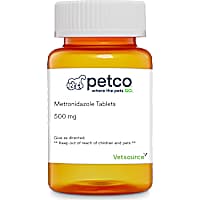
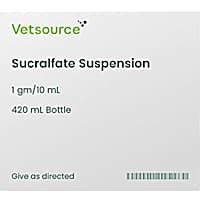
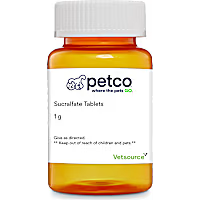
Horse Gastrointestinal & Digestive Medication
1 - 3 of 3 results
Relevance
Get It Today



Related Searches
Metronidazole Horse Gastrointestinal & Digestive MedicationSucralfate Horse Gastrointestinal & Digestive MedicationHorse Allergy MedicationHorse PrescriptionsPrescription Horse Asthma MedicationPrescription Horse Behavior & Anxiety MedicationPrescription Dog Digestive MedicationsMetronidazole Horse PrescriptionsSucralfate Horse PrescriptionsDoxycycline Horse Antibiotics & Antifungal MedicationBest Veterinary Diet Dog FoodBest Dog Flea & Tick ShampoosBest Dog Bones & ChewsBest Dog Food
Horse Gastrointestinal and Digestive Medicine
Horses have a unique gastrointestinal system relative to other mammals. They are non-ruminant herbivores, meaning they only eat plants. Unlike other herbivores such as cows, horses only have one compartment stomach for digestion. Much of your horse’s digestion occurs as fermentation in the cecum and large colon. This unique process greatly affects how horses digest food and how to maintain their gut health. If you’re new to horse care, check out our guide, Common Horse Breeds and Types of Horses.