


Two Easy Ways to Start Earning Rewards!
Become a member today! Members-only pricing and offers, personalized care notifications, Vital Care points back on every purchase and more!
 Become a credit card member today!
Earn 2X Pals Rewards points at Petco
when you use Petco Pay!APPLY NOWLearn More About Petco Pay Benefits
How to Set Up a Fish Tank: Complete Setup Guide
Published on January 20th, 2023
Updated on June 18th, 2026


Reviewed by Don Spaeth
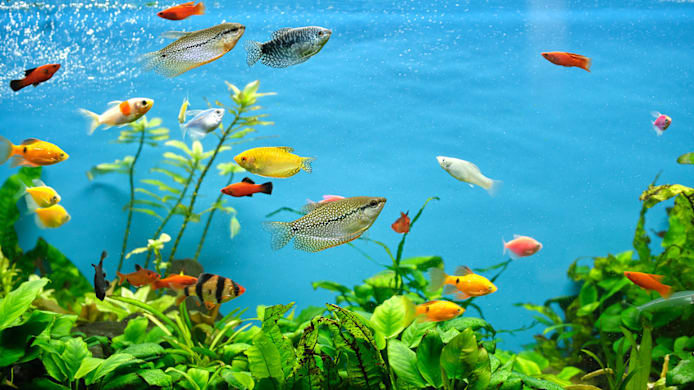
Everything you need to know about how to start a fish tank. Learn about setting up an aquarium, choosing the right type, and acclimating new fish to your tank.
An aquarium with a variety of different fish can be a beautiful addition to your home. Fish make wonderful, colorful pets and are relatively easy to care for as long as their pet parents are knowledgeable and diligent. With a little preparation, the right supplies, and regular maintenance, your fish can live happy, healthy lives.
Getting Started: How to Set Up a Fish Tank
Setting up a new fish tank is one of the most rewarding projects a pet parent can take on — and doing it right from the beginning makes all the difference for the long-term health and happiness of your aquatic life. Before a single fish enters the water, there's a foundational process to follow. Rushing it is the most common mistake new pet parents make; taking your time sets every fish up for success.
Here's what the setup process looks like at a high level, so you know exactly what to expect before you dive in:
- Choose the right aquarium size and location. Bigger is generally more forgiving for beginners — a larger volume of water maintains stable water chemistry more easily than a small one. Place your fish tank on a sturdy, level surface away from direct sunlight, heating vents and drafty windows, all of which can cause temperature swings that stress fish https://vcahospitals.com/know-your-pet.
- Gather your equipment before adding water. You'll need a filter, a heater (for tropical species), a thermometer, an aquarium light, a lid and a water conditioner at minimum. Having everything on hand before you start means no scrambling mid-setup.
- Rinse your substrate and decorations. Gravel, sand or other substrate should be rinsed thoroughly with clean water — never soap — before it goes into the fish tank. The same goes for any decorations.
- Fill the tank and treat the water. Tap water contains chlorine and chloramines that are harmful to fish. A quality water conditioner neutralizes these before your fish are ever introduced https://vcahospitals.com/know-your-pet.
- Cycle the aquarium before adding fish. This is the single most important step. The nitrogen cycle establishes beneficial bacteria that convert toxic ammonia (from fish waste) into less harmful compounds. Skipping this step is the leading cause of early fish loss. Plan for two to six weeks for a full cycle.
- Test your water parameters. Before adding any fish, confirm that ammonia and nitrite levels read zero and that nitrate, pH and temperature are within the appropriate range for your chosen species.
- Introduce fish gradually. Add a few fish at a time rather than a full tank all at once. This prevents an ammonia spike that can overwhelm your still-developing biological filter.
Following these steps in order — and resisting the urge to skip ahead — is what separates a thriving aquarium from a frustrating one. The sections below walk through each stage in detail, so you'll feel confident at every turn. When in doubt about the health of your fish at any point during setup or after, consult your veterinarian or an aquatic specialist.
Filling Your New Aquarium
After purchasing your new aquarium, make sure to set it up, add water, substrate, and plants, and allow it to settle for at least 24 - 48 hours before adding fish.
Once you've got your aquarium set up, you'll be ready to choose which fish will populate your tank. Choosing the right type of water and fish will be the key to a harmonious aquarium. Remember, your tank is still cycling. While adding beneficial bacteria can help this process, it's always wise to start off with a small number of fish and monitor your water chemistry to ensure your tank can properly keep up with your new bio-load. Consult a Petco aquatic specialist to find out more about the nitrogen cycle and what's best for starting up your new aquarium, regarding adding aquatic life!
Types of Water
- Freshwater: With fewer variables compared to a saltwater aquarium, this is a good place for new aquatic enthusiasts to get their feet wet! You don't have to get a saltwater tank to have beautiful fish; with hundreds of different types of fish and colors, there is something for everyone!
- Saltwater: Also known as marine or seawater, maintaining a saltwater tank tends to be more of a challenge as saltwater requires a lot more experience with water chemistry, patience, and understanding. Before starting a saltwater tank, consult a Petco aquatic specialist with any questions you may have.
Varieties of Aquarium Life:
- Coldwater Fish: Coldwater fish are generally thought to only be goldfish, but there are plenty of other beautiful fish species, including some marine species, that appreciate a home in a cooler aquarium.
Tropical Fish
Tropical fish are one of the most popular choices for a new aquarium setup — and it's easy to see why. They come in a stunning range of sizes, colors and fin shapes, and they include both freshwater and saltwater species, giving you plenty of flexibility when planning your fish tank.
Before you add any fish, it helps to understand the two main categories so you can match your setup to the species you love most.
Freshwater tropical fish thrive in warmer water (typically 72–82°F) and are widely considered a great starting point for first-time fish parents. Species like neon tetras, guppies, mollies and bettas are hardy, widely available and generally more forgiving of beginner mistakes in water chemistry. A freshwater tropical tank also tends to cost less to set up and maintain than a saltwater system.
Saltwater tropical fish — sometimes called marine fish — bring dramatic color and variety that many fish parents find irresistible. Clownfish, tangs and gobies are among the most recognizable. Saltwater tanks require more precise water parameters, additional equipment (like a protein skimmer) and a longer cycling period, so they're typically recommended once you're comfortable with the basics of aquarium care.
| Feature | Freshwater Tropical | Saltwater Tropical |
|---|---|---|
| Water temperature | ~72–82°F | ~75–80°F |
| Setup complexity | Beginner-friendly | Intermediate to advanced |
| Equipment cost | Lower | Higher |
| Popular species | Betta, guppy, tetra | Clownfish, tang, goby |
| Water chemistry demands | Moderate | Precise and consistent |
Tip: Whichever type you choose, never add fish to a tank that hasn't completed the nitrogen cycle. Allowing beneficial bacteria to establish first is one of the most important steps in setting up a new fish tank — it protects your fish from harmful ammonia and nitrite spikes.
If you're still deciding which species are right for your space and experience level, a knowledgeable Petco aquatics associate can help you match the right fish to your tank size and goals. Browse aquatic life supplies and starter kits at petco.com.
Brackish Fish Tanks: A Stepping Stone to Saltwater
If you're drawn to the idea of a saltwater aquarium but aren't quite ready to commit to its complexity, a brackish fish tank can be a rewarding middle ground. Brackish water sits between freshwater and full saltwater in salinity — think estuaries, mangroves and tidal flats — and the fish that thrive in it are often more forgiving of minor water-parameter swings than true marine species are.
That built-in flexibility makes brackish setups a practical way to build your confidence with salinity management, specific gravity testing and the extra water-chemistry awareness that a full saltwater aquarium demands — before you make that larger investment.
What Makes Brackish Different
Brackish aquariums require a lower salinity level than saltwater tanks but higher than a standard freshwater setup. You'll still need a hydrometer or refractometer to monitor specific gravity, and you'll mix a measured amount of marine salt into dechlorinated tap water to hit the target range for your chosen species. That hands-on practice with salt mixing and regular testing is exactly the skill set you'll lean on if you eventually move to a reef or fish-only saltwater aquarium.
Fish That Do Well in Brackish Water
One of the real advantages of brackish setups is species flexibility. Several popular fish tolerate — or even prefer — a range that spans both freshwater and brackish conditions, giving you more room to adjust as you learn. Common brackish-compatible species include:
- Figure-eight puffer — one of the most personable brackish fish; needs hard, slightly salty water
- Archer fish — famous for "shooting" water at insects above the surface
- Mollies — widely available and highly adaptable; many varieties thrive in brackish water
- Mudskippers — semi-terrestrial and fascinating to watch; need both water and a dry basking area
- Green spotted puffer — often sold as freshwater but does best long-term in brackish to full saltwater
Because some of these species are sold in freshwater conditions at retail and then need to be gradually acclimated to brackish salinity at home, always ask a knowledgeable Petco aquatic specialist about the specific needs of any fish you're considering before you buy.
Is a Brackish Tank Right for You?
Brackish setups aren't the right fit for every fish parent — they require more attention to water chemistry than a standard freshwater aquarium, and the species selection is narrower than either freshwater or full saltwater. But if you're curious about expanding your fishkeeping skills and want a setup that rewards careful water management without the full complexity of a marine aquarium, brackish is worth exploring.
Stop by your local Petco and speak with an aquatic specialist to learn more about brackish water fish, compatible tankmates and the equipment you'll need to get started.
- Goldfish: A classic favorite, goldfish are a hardy bunch coming in many different shapes, sizes, and colors. Be careful not to mix goldfish with tropical fish as the two varieties need very different environments.
Acclimating a New Fish to Your Freshwater Aquarium:
Items you'll need to acclimate freshwater fish:
- Scissors
- Bucket
- Watch or timer
- Towel (for spills)
How long should I wait to add fish to a new freshwater tank?
You should wait between 24 and 48 hours before adding fish to your new freshwater tank. This will give your water time to reach the proper temperature and your other water parameters to reach their appropriate levels. Your aquarium will still be cycling for another few weeks, and the introduction of fish will help this along.
Adding Fish to a New Freshwater Tank (Steps)
We all know just how stressful moving can be; acclimation to a new tank can put physical and mental strain on new aquatic life. Follow these steps to ensure a healthy, stress-free transition for your freshwater aquatic life.
- Turn off any aquarium lights to reduce stress on your new aquatic life.
- Wash your hands thoroughly to prevent contaminating your tank's water.
- Allow the sealed bag with your new aquatic life to float in your aquarium for at least 15 minutes but no longer than an hour. Make sure the water in the bag is the same temperature as your tank before moving on to the next step. (If the bag has torn or the water inside smells foul, do not pour any of the remaining water in the bag into your tank).
- After the temperature in your aquatic life's bag has acclimated, carefully remove the rubber band or cut it open as close to the top as possible.
- Slowly pour out as much water as possible into a bucket without harming your aquatic life.
- Grasping the bottom corner, lower the bag into your aquarium.
- Lifting the bottom corner of the bag, let your new fish swim out of the bag.
- Be sure not to pour any remaining water in the bag into the tank.
Acclimating a New Fish to Your Saltwater Aquarium
Items you'll need to acclimate saltwater fish:
- Scissors
- Bucket
- Algae or lettuce clip
- Refractometer
- Measuring cup
- Watch or timer
- Towel (for spills)
How long should I wait to add fish to a new saltwater tank?
You'll want to wait at least three days-ideally a week-before adding fish to your new saltwater tank. There are more water quality factors to consider than in a freshwater aquarium, which is why you should wait longer for the water to adjust. It's recommended to initially add only a few fish to ensure the water is safe.
Adding Fish to a New Saltwater Tank (Steps)
Follow these steps to ensure a healthy, stress-free transition for your saltwater aquatic life.
- Turn off any aquarium lights to reduce stress on your new aquatic life.
- Wash your hands thoroughly to prevent contaminating your tank's water.
- Allow the sealed bag with your new aquatic life to float in your aquarium for at least 15 minutes but no longer than an hour. Make sure the water in the bag is the same temperature as your tank before moving on to the next step. (If the bag has torn or the water inside smells foul, skip immediately to step 8).
- After the temperature in your aquatic life's bag has acclimated, carefully remove the rubber band or cut it open as close to the top as possible. Fold the top edge of the bag down one inch to create an air pocket within the lip of the bag. This air pocket will allow the bag to float on the surface of the water. If possible, secure the bag to the side of your aquarium with an algae or lettuce clip.
- Test the specific gravity of your aquarium water as well as the specific gravity of the water in the bag to make sure they are close to matching.
- Open the bag and slowly add aquarium water to the bag, using a quarter cup for small bags and half a cup for large bags. Close the bag again, then repeat every five minutes until the bag is filled. If there is more than a.004 difference in the specific gravity, double the amount of time between adding water to the bag.
- Once it is full, remove the bag from the aquarium and discard half of the water in the bag into a bucket. Be careful not to harm your aquatic life.
- Let the bag float again in the aquarium and repeat steps 6 and 7. This step allows further acclimation and will eliminate most of the original water in the bag.
- Once the bag is full, remove it from the aquarium and slowly pour out as much water as possible into a bucket without harming your aquatic life.
- Grasping the bottom corner, lower the bag into your aquarium.
- Lifting the bottom corner of the bag, let your new fish swim out of the bag. If you are introducing an invertebrate, submerse the bag and carefully remove the invertebrate. For corals, be careful to handle only by the base.
- Be sure not to pour any remaining water in the bag into the tank.
Important things to remember
- Never rush the acclimation process. Following the steps patiently can even help revive aquatic life that appears listless or inactive.
- Always let your fish swim out of the bag on their own. Trying to handle the fish with your hands or pouring them into a net may remove the protective slime coating, making your fish vulnerable to disease.
- Do not use an airstone in the bag when acclimating a new life to your tank. Airstones increase pH much too quickly and expose aquatic life to lethal levels of ammonia.
- Keep your aquarium lights off for several hours after introducing new aquatic life to reduce stress.
Acclimating invertebrates to your aquarium:
Stable water quality, temperature, pH levels, and specific gravity of 1.020-1.025 are crucial to avoid severe stress and trauma to invertebrates and marine plants. If you are unsure of the water quality or pH levels of your tank, Petco provides free water testing.
Introducing coral to your aquarium:
After you've acclimated a new coral to your tank, you may need to remove excess slime that some corals produce. Taking care not to touch the "flesh" part of a coral and using powder-free latex gloves, hold the coral by the rock or skeletal base and shake it gently in the shipping bag before placing it in the aquarium. It may take a few days for the coral to open after it has been introduced to your tank.
Maintaining a Flourishing Aquarium
Fish, like people, have very distinct personalities. As a pet parent, you'll want to consider the different temperaments of your fish when introducing new species to your tank. Keep these tips in mind to make sure your aquarium is a happy, peaceful place.
- When planning the amount of fish you want in your aquarium, a good general rule to follow is the 1" of fish per gallon ratio for freshwater tanks (with the exception of goldfish, which should be 1" of fish per 5 gallons) and 1" of fish per 3 gallons of water for saltwater tanks. Take into account your fish's adult size to avoid overcrowding or your fish outgrowing their environment.
- Make sure that the species in your tank are compatible before introducing them to each other. Some fish just don't get along.
- Depending on the species and size of the fish in your aquarium, you may want to separate aggressive carnivores from other fish that are not the same size and temperament. You don't want a new addition to wind up a snack for an old friend.
- Different fish prefer specific areas in the aquarium. Some fish eat at the top while others prefer the mid-level of the tank and some choose to lay low at the bottom of the tank. Balance the levels to reduce competition for space.
- Decorating the landscape inside your tank is not only fun, it provides hiding places and shelters for your fish to explore.
Socializing the New Guy
An aquarium can be like a playground. Sometimes the new kid on the block can have a hard time fitting in. If your new fish is being harassed by one of the older ones, try these options:
- Feed your fish before introducing a new fish to the aquarium to alleviate any aggressive behavior.
- Change or move decorations around to reduce territorial disputes.
- Floating plastic holding tanks can confine aggressive fish for several hours while the new arrival adjusts to the new surroundings.
Adding Plant Life to Your Aquarium
Adding plants to your tank can really liven up your aquarium. Plants offer beautiful decoration and fun hiding places for your fish. However, just like other living things in your aquarium, plants need specific attention to thrive.
Plants to avoid:
- Dead or dying plants: decomposing plants will affect the water quality in your aquarium.
- Duckweed: although not hazardous, this floating aquatic plant tends to be a nuisance, blocking out light entering your tank. We would advise avoiding duckweed altogether but, if you do decide to introduce this plant, prune regularly.
- Newly fallen branches: driftwood is a common addition to aquariums. However, branches that have fallen recently from trees may contain harmful resins or compounds.
- Pine branches: this wood is dangerous for your aquarium and may be home to organisms you do not want entering your tank.
Fish Tank Setup: Equipment & Stocking Guide by Tank Size
Use this table as your starting-point checklist before you buy a single piece of equipment. Tank size shapes every other decision — filtration capacity, heater wattage, stocking levels and how long your aquarium needs to cycle before fish can safely move in.
| Tank Size | Water Type Best Suited For | Filter Type Recommended | Heater Needed? | Cycling Wait Time (Before Adding Fish) | Beginner-Friendly? | Notes |
|---|---|---|---|---|---|---|
| 5–10 gal | Freshwater (betta, small tetras) | Sponge or hang-on-back (HOB) | Yes — 25–50 W | 24–48 hours minimum | Yes | Small volume = fast parameter swings; monitor closely |
| 20 gal | Freshwater community; goldfish (1 fish) | HOB or canister | Yes for tropical; no for coldwater | 24–48 hours minimum | Yes | Good starter size; more stable than nano tanks |
| 29–40 gal | Freshwater community; brackish | Canister or HOB with high GPH rating | Yes for tropical & brackish | 24–48 hours minimum | Yes | Allows modest community stocking; brackish species need salinity monitoring |
| 55 gal | Freshwater; brackish; FOWLR saltwater | Canister + powerhead | Yes for tropical, brackish & marine | Freshwater: 24–48 hrs; Saltwater: 3 days–1 week (ideally longer) | Intermediate | Saltwater at this size requires a refractometer and consistent specific-gravity checks |
| 75–100 gal | Saltwater reef or FOWLR; large freshwater | Sump + protein skimmer + canister | Yes | Saltwater: minimum 1 week; reef: 4–6 weeks | Advanced | Corals require stable calcium, alkalinity and magnesium in addition to salinity |
| 125 gal + | Saltwater reef; large cichlid freshwater | Sump + protein skimmer + refugium | Yes | Saltwater: 4–8 weeks | Advanced | Consult a Petco aquatic specialist before purchasing livestock |
Essential equipment every setup needs (regardless of tank size):
| Equipment Item | Purpose | Freshwater | Saltwater |
|---|---|---|---|
| Aquarium (fish tank) | Houses your fish and aquatic environment | Required | Required |
| Filter | Removes waste; supports beneficial bacteria colony | Required | Required |
| Heater + thermometer | Maintains stable water temperature for tropical species | For tropical & brackish | Required |
| Gravel, sand or substrate | Biological filtration surface; anchors plants and décor | Required | Required (live sand for reef) |
| Water conditioner / dechlorinator | Neutralizes chlorine and chloramines in tap water | Required | Required |
| Aquarium light | Supports plant growth; displays fish color; regulates day/night cycle | Required | Required (high-output for reef) |
| Water test kit | Monitors ammonia, nitrite, nitrate and pH | Required | Required |
| Refractometer or hydrometer | Measures specific gravity / salinity | Not needed | Required |
| Protein skimmer | Removes organic waste before it breaks down | Optional | Strongly recommended |
| Aquarium decorations | Provide hiding spots; reduce fish stress | Recommended | Recommended |
| Bucket + siphon/gravel vacuum | Water changes and substrate cleaning | Required | Required |
| Fish net | Safe fish transfer | Required | Required |
| Scissors + timer (for acclimation) | Bag acclimation process | Required | Required |
| Algae or lettuce clip | Holds acclimation bag at tank surface | Optional | Required for saltwater acclimation |
Pro tip: Never rush the cycling process. Introducing fish to an uncycled aquarium exposes them to toxic ammonia and nitrite spikes — one of the most common causes of early fish loss. When in doubt, consult a Petco aquatic specialist or your veterinarian if fish show signs of illness.
Frequently Asked Questions
How long should I wait before adding fish to a new fish tank? For a freshwater aquarium, wait at least 24–48 hours after setup so water temperature and parameters stabilize — though your tank will continue cycling for several more weeks. For a saltwater aquarium, wait a minimum of three days, and ideally a full week or longer, because marine water chemistry involves more variables that need time to balance.
How do I know if my fish tank water is safe for fish? Test your water with a reliable aquarium test kit before adding any fish. Key parameters to check include ammonia (should be 0 ppm), nitrite (0 ppm), nitrate (as low as possible), and pH (range varies by species). For saltwater tanks, also measure specific gravity with a refractometer. If results are outside safe ranges, do not add fish — consult a Petco aquatic specialist.
What is the nitrogen cycle and why does it matter for setting up a fish tank? The nitrogen cycle is the biological process by which beneficial bacteria convert toxic fish waste (ammonia) first into nitrite, then into less harmful nitrate. A new aquarium must establish this bacterial colony before it can safely house fish. Adding too many fish too soon overwhelms an uncycled tank and can be fatal to your fish.
Can I mix goldfish with tropical fish in the same aquarium? No. Goldfish are coldwater fish that thrive in cooler temperatures, while tropical fish require warmer, stable water. Housing them together stresses both species and can lead to illness or death. Keep goldfish in a dedicated coldwater setup.
Is it safe to pour the bag water into my new fish tank during acclimation? No — never pour bag water into your aquarium. The water your fish traveled in may carry pathogens, parasites or poor water quality that could harm your existing aquatic life or disrupt your tank's water chemistry. Always let your fish swim out of the bag on their own, and discard the remaining bag water.
When should I call a veterinarian about my fish? If your fish show persistent signs of illness — such as unusual spots, torn fins, labored breathing, loss of appetite or erratic swimming — consult a veterinarian with aquatic animal experience. Early intervention gives your fish the best chance of recovery.
Frequently Asked Questions
How long does it take to set up a fish tank before adding fish? For a freshwater aquarium, allow at least 24–48 hours after filling and adding substrate, decorations and plants before introducing fish — this gives water temperature and chemistry time to stabilize. For a saltwater aquarium, wait a minimum of three days, and ideally a full week, because marine water chemistry involves more variables that need time to balance. Keep in mind that your aquarium will continue cycling for several weeks after setup; adding fish gradually helps support that process.
What is the nitrogen cycle and why does it matter for a new fish tank? The nitrogen cycle is the biological process by which beneficial bacteria in your aquarium break down fish waste and uneaten food — first into ammonia, then into nitrite, and finally into less harmful nitrate. A tank that hasn't completed its cycle can accumulate toxic ammonia and nitrite levels that stress or harm your fish. Starting with a small number of fish and testing your water regularly helps you monitor the cycle safely. Consult a Petco aquatic specialist or your veterinarian if you notice fish showing signs of distress during this period.
How many fish should I add to a new tank at first? Always start with a small number of fish — regardless of whether you're setting up a freshwater, brackish or saltwater aquarium. Introducing too many fish at once overwhelms a cycling tank's biological filtration, causing ammonia spikes that can be harmful to your fish. Add a few fish, test your water parameters over the following days, and only add more once levels are stable.
Can I mix goldfish with tropical fish in the same aquarium? No. Goldfish are coldwater fish that thrive in cooler temperatures, while tropical fish require warmer, consistently heated water. Keeping them together forces one group to live outside its ideal temperature range, which can suppress immune function and shorten lifespan. Set up separate aquariums suited to each type to keep all your fish comfortable and thriving.
How do I know if my water parameters are safe for fish? Test your aquarium water regularly using a reliable freshwater or saltwater test kit that measures ammonia, nitrite, nitrate and pH — and for saltwater tanks, specific gravity as well. Specific gravity in a saltwater aquarium should be consistent between the tank water and any bag water when acclimating new fish; a difference greater than.004 requires a slower, extended acclimation process. If readings remain outside safe ranges after cycling, consult a Petco aquatic specialist or your veterinarian before adding more fish.
Why shouldn't I pour the bag water into my aquarium when adding new fish? The water inside a fish transport bag can carry pathogens, parasites or bacteria from another facility's system that you don't want introduced into your established aquarium. Discarding that water — rather than pouring it in — is a simple precaution that helps protect the fish already living in your tank. If the bag water smells foul or the bag has torn, skip directly to releasing or safely removing the fish without adding any of the bag water to your aquarium.
This article was created with assistance from AI tools and reviewed for accuracy by Petco's content team.


